What Legacy Did 1950s Westerns Leave for Modern Filmmakers?
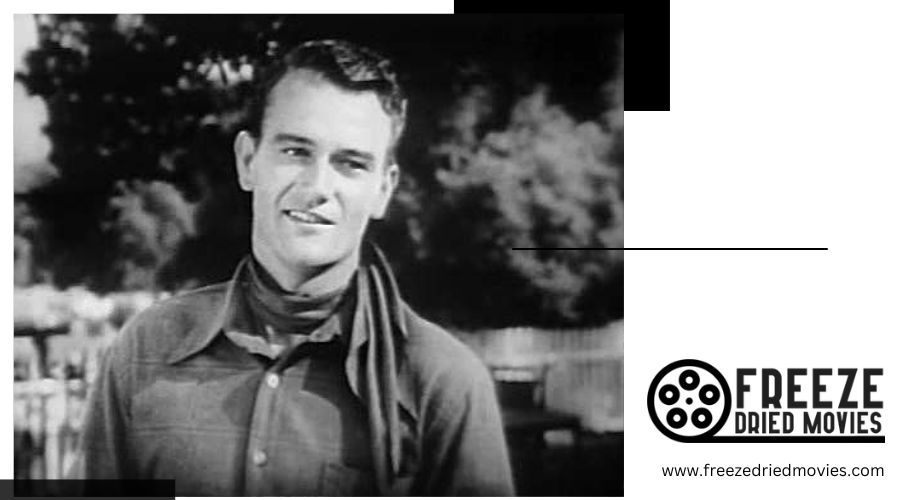
1950s Westerns have bequeathed a significant legacy to modern filmmaking. Their influence is evident in today's cinema, which often features nuanced characters and complex moral landscapes. These films broke away from the simplistic dichotomy of good versus evil, presenting heroes and villains with profound personal flaws that challenge viewers' moral perceptions.
The Westerns' use of vast, rugged landscapes went beyond mere scenic backdrops, playing a crucial role in the narrative and the protagonists' journeys. Moreover, their pioneering cinematography, characterized by expansive wide shots and natural lighting, continues to be revered and emulated.
These elements from the 1950s Westerns are still vital in contemporary filmmaking, influencing both the visual style and the thematic depth of modern movies.
Defining the 1950s Western
The 1950s Westerns epitomized themes of heroism, justice, and individualism, with figures like John Wayne symbolizing these ideals. These films not only entertained but also mirrored the prevailing American values of the era, depicting white settlers as paragons of bravery and resilience against a challenging frontier.
However, these representations oversimplified the complex historical interactions between white settlers and Native Americans, often reducing these tensions to basic conflicts of good versus evil. This simplistic portrayal faced criticism for its lack of historical accuracy and depth.
Later Westerns, known as revisionist Westerns, began to address these criticisms by introducing more complex and morally ambiguous characters and scenarios. This shift indicated a broader change in cultural narratives, moving from black-and-white moral perspectives to a more nuanced understanding that questioned the foundational values depicted in earlier films.
The legacy of 1950s Westerns, therefore, is twofold: while they celebrated certain American ideals, they also set the stage for subsequent films to reevaluate and challenge these representations, reflecting a more layered understanding of American history and values.
Iconic Heroes and Villains
Delving into the iconic characters of 1950s Westerns, we see a period that significantly influenced the genre's development. The era was marked by figures like John Wayne, who epitomized the archetype of the rugged, self-reliant cowboy. His roles often showcased a lone hero navigating formidable challenges, which not only captivated audiences but also embedded themes of resilience and perseverance into the genre's core.
The villains of this time were equally compelling, characterized by their embodiment of disorder and moral ambiguity. These characters weren't merely hurdles for the protagonists; they were complex figures who enhanced the narrative by engaging the heroes in profound ethical dilemmas and intense conflicts. This enriched the storytelling, elevating the dramatic tension and establishing a framework for character-driven narratives in Westerns.
The interaction between these well-developed protagonists and antagonists wasn't just entertaining; it significantly influenced the genre, leaving a legacy that contemporary filmmakers continue to draw upon. Modern Westerns often incorporate these traditional archetypes, adapting them to create intricate characters and ethical complexities that resonate with today's audiences, thus keeping the spirit of the 1950s Western both alive and relevant in current cinema.
Moral Complexity in Storytelling
1950s Westerns introduced a period in which characters were depicted with moral ambiguity, prompting viewers to rethink the simplistic division between heroes and villains. This era encouraged an examination of moral complexities through characters' ethical dilemmas, where the distinction between right and wrong wasn't always clear. Characters no longer simply donned black or white hats; they operated in a realm where motives were unclear, and actions could be interpreted in various ways.
These films not only entertained but also stimulated thoughtful consideration by presenting multi-dimensional characters. Often portrayed as heroes, these characters encountered scenarios where the morally correct choice was ambiguous, mirroring the complexities of human behavior and societal expectations. This sophisticated portrayal of morality was designed to resonate with viewers and filmmakers, inspiring a deeper exploration of character dynamics.
Today, the influence of 1950s Westerns is still apparent. Contemporary filmmakers draw inspiration from these narratives, developing characters and stories that challenge viewers to think critically about traditional archetypes. This evolution in storytelling enhances viewer engagement and promotes a thoughtful viewing experience. The moral complexities introduced in the 1950s Westerns have laid the groundwork for the nuanced characters and plots seen in modern cinema.
The Influence of Rugged Landscapes
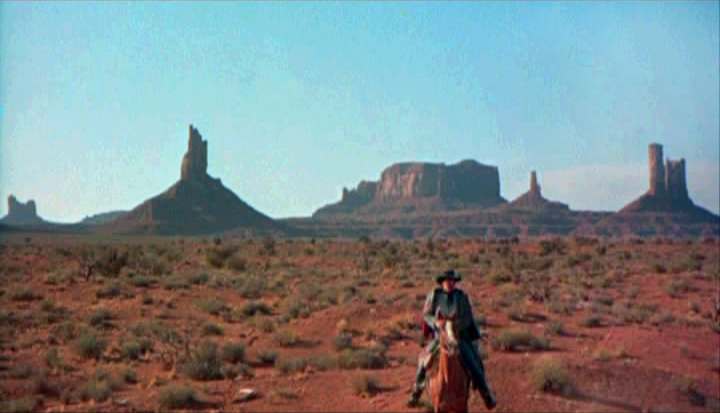
The rugged landscapes in Western films, exemplified by Monument Valley in John Ford's works, play a critical role beyond serving as mere settings. These landscapes aren't just backgrounds; they're central to the narrative, reinforcing themes of isolation and moral conflict. The vast wilderness symbolizes the challenges and individualism of the characters, compelling them to face both their limitations and adversaries in environments that mirror the harshness of their conflicts.
The solitude of these settings deepens the narrative, transforming the characters' journeys into introspective experiences. For contemporary filmmakers and enthusiasts, leveraging landscape in storytelling can profoundly impact the audience, making the narrative resonate more deeply. When creating or analyzing a film, consider how the chosen landscape can reflect and enhance the internal struggles of your characters, thus shaping the core of your story.
Cinematography and Visual Style
Examining the cinematography of 1950s Westerns reveals how the use of wide shots effectively captured the expansive landscapes, establishing a visual benchmark that persists in modern filmmaking. These films provided more than just narrative; they offered a visual immersion into the vast, untamed American West. The cinematographic techniques developed in this era were crucial in shaping the films' authentic visual style.
Directors such as John Ford utilized natural lighting and grand outdoor settings to embed the films in a realistic sense of place and time. This method not only supported the narrative but also enhanced the film's aesthetic appeal, making each frame a testament to the genre's rugged realism. The introduction of Technicolor further animated these scenes with vivid colors, turning the arid, dusty landscapes into captivating visual art.
Cinematographers like Winton Hoch engaged in a form of visual artistry, using light and shadow to compose striking images that enhanced the storytelling. Their use of dynamic camera movements and innovative framing added significant emotional depth and visual impact to the films, making each shot resonate deeply with audiences. These visual techniques set a standard for depicting the rugged beauty of landscapes in contemporary cinema.
Legacy of the Showdown Scene
The showdown scene, characterized by its high-stakes confrontation and dramatic close-ups, has significantly influenced the thematic and visual style of Western films. Typically, these scenes involve a tense standoff between two characters on a deserted street, underpinned by an overarching silence that heightens the suspense. This not only serves as a highlight of cinematic technique but also delves into deeper themes of justice and morality, which are central to the Western genre. Through the depiction of conflicts between lawmen and outlaws, showdown scenes encapsulate the essence of American history, portraying the nuanced interplay between good and evil.
The representation of these showdowns extends beyond individual conflicts, reflecting broader historical confrontations, especially those involving indigenous peoples. Although primarily focusing on conflicts between cowboys and outlaws, these scenes indirectly mirror the larger, often misrepresented struggles involving indigenous communities during the expansion of the American frontier.
In contemporary cinema, the influence of the 1950s showdown scenes remains evident. Modern filmmakers employ this technique to escalate tension and climax, immersing the audience in the moral and ethical challenges faced by the characters. This method, refined in the 1950s, remains a critical tool in narrative filmmaking, continuing to engage and captivate audiences with its compelling portrayal of conflict and resolution.
Western Soundtracks and Mood
Iconic Western soundtracks, particularly from the era of the 1950s and 1960s, were masterfully composed by legends such as Ennio Morricone and Dimitri Tiomkin. These soundtracks weren't merely supplementary; they were pivotal in defining the essence of the spaghetti Western genre, transforming the auditory landscape into a vital narrative element.
Here's an overview of how these soundtracks shaped the mood and atmosphere of Westerns:
- Adventure and Heroism: The robust use of brass and sweeping orchestral passages in these compositions instill a sense of grandeur and valor, aligning perfectly with the bold exploits of Western protagonists.
- Danger and Tension: Strategic employment of trumpets and swift percussion amplified the suspense and sense of impending danger in critical scenes, maintaining viewer engagement.
- The Wild West Atmosphere: The inclusion of harmonicas and acoustic guitars produced a raw, rugged sound that vividly evoked the dusty, untamed settings of the American frontier.
- Emotional Depth: These memorable themes enhanced the emotional impact of pivotal scenes, enriching the viewer's experience during moments of triumph or tragedy.
As you watch these films, observe how each musical note and melody isn't only heard but also deeply felt, contributing to an unforgettable cinematic journey.
From Westerns to Modern Genres
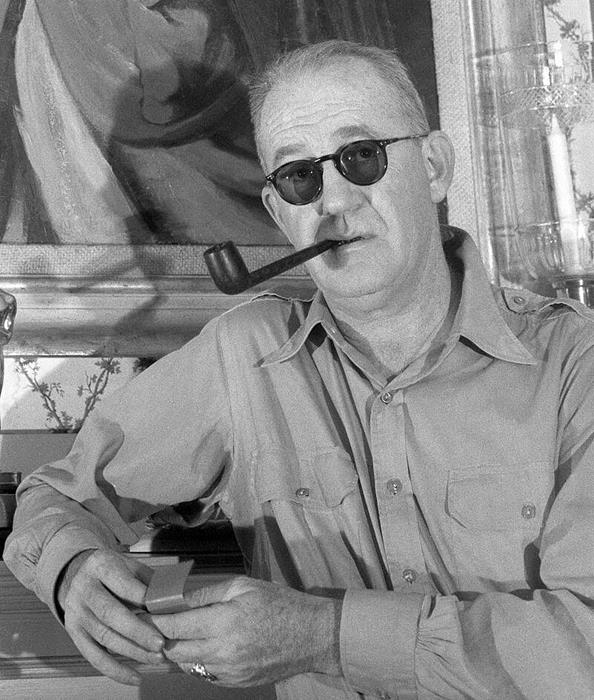
Modern filmmakers frequently incorporate elements from 1950s Westerns, using these classic films as inspiration to delve into diverse themes and innovate across various genres. The moral quandaries and societal critiques that were once central to Westerns now enrich a wide range of contemporary narratives, including crime thrillers and science fiction epics. The character archetypes that emerged in the 1950s—such as the flawed hero or the steadfast lawman—still influence character development in today's films.
The distinctive visual style and cinematography of 1950s Westerns continue to impact modern filmmaking. Contemporary directors utilize these techniques to create immersive experiences in their films, drawing audiences into varied settings that, despite their differences from the expansive Western landscapes, are equally engaging.
Additionally, current filmmakers are correcting the historically inaccurate and culturally insensitive portrayals of Native Americans that were common in 1950s Westerns. Today's representations are more nuanced and respectful, aiming to provide a truthful reflection of history. This shift not only addresses past insensitivities but also enhances the depth of modern storytelling, allowing for a more genuine exploration of central themes such as justice, redemption, and heroism that have always been integral to the Western genre.
Cultural Impact on Global Cinema
1950s Westerns captivated American audiences and significantly influenced global cinema, popularizing the archetype of the solitary, rugged cowboy hero internationally. The genre's impact is evident in films across various cultures, from Europe to Asia, as it shaped global storytelling methods and character development.
Here is a detailed look at the global impact of 1950s Westerns:
- Iconic Characters: John Wayne and Clint Eastwood epitomized honor and justice, becoming cultural icons worldwide. Their portrayals influenced character development in international films, establishing a template for heroism and moral fortitude.
- Narrative Themes: Themes of rugged individualism and moral integrity struck a chord globally, prompting filmmakers around the world to incorporate these ideals into their narratives, thus enriching their own storytelling traditions.
- Cinematic Techniques: Westerns' depiction of expansive landscapes and dynamic action sequences set new cinematic standards, influencing a range of genres, including action and drama, and inspiring filmmakers to adopt similar aesthetics in their productions.
- Cultural Dialogues: While early Westerns often featured problematic portrayals of conflicts between cowboys and Indigenous peoples, these narratives opened up channels for international discussions on representation. This dialogue has led to more nuanced and respectful portrayals in contemporary cinema.
The legacy of 1950s Westerns extends deeply into modern global cinema, influencing both the technical aspects of filmmaking and the thematic depth of cinematic narratives worldwide.
Conclusion
1950s Westerns have significantly influenced modern filmmaking. These films introduced complex heroes and moral ambiguities, elements that are prevalent in contemporary cinema across various genres.
The vast landscapes and iconic showdowns that were staples of this era have become foundational to how modern directors frame and pace their narratives. Moreover, the stylistic choices and musical themes from these Westerns are echoed in today's global cinema, demonstrating their lasting impact.
When watching modern films, it's clear that the legacy of the 1950s Westerns continues to resonate and shape cinematic techniques and storytelling.
Related posts