What Innovations Did 1950s Westerns Bring to Cinema?
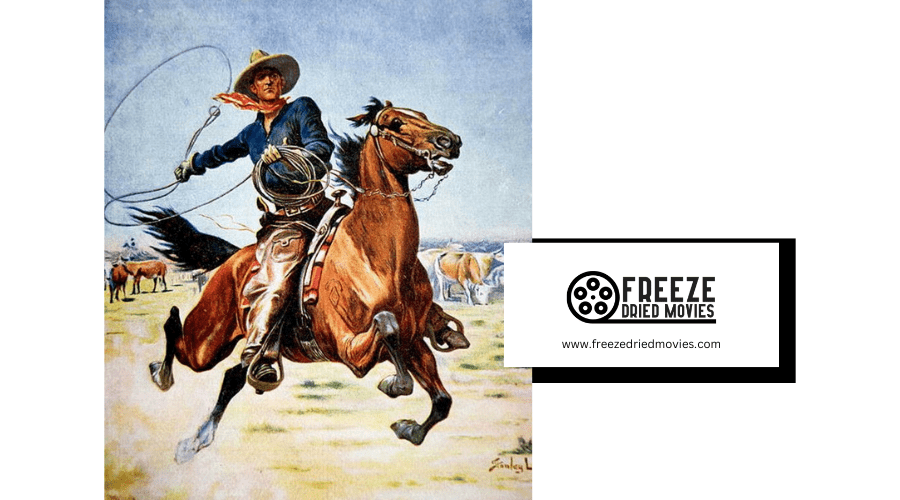
In the 1950s, Western films significantly impacted cinema through a series of innovations. The introduction of Technicolor vividly brought the American West's landscapes to life, enhancing the visual storytelling and emotional depth of the films.
The use of widescreen formats such as CinemaScope created an immersive viewing experience, helping to draw larger audiences. Furthermore, these films featured psychologically complex characters and explored deeper, more personal storylines, including internal conflicts and moral dilemmas.
This shift from simple, gun-slinging cowboy heroes to characters facing personal and ethical challenges added depth and realism to the genre, paving the way for future developments in filmmaking.
Enhanced Cinematic Realism
The captivating realism of 1950s Westerns was significantly enhanced by the introduction of Technicolor, which vividly brought the expansive landscapes of the American frontier to life. This technology allowed audiences to experience the vibrant hues of sunsets and the vast blue skies, creating a sense of immersion that was previously unattainable in black-and-white films. This advancement wasn't just a technical achievement but was also pivotal as a storytelling medium.
Directors like John Ford leveraged Technicolor to transcend the traditional narratives of Westerns, presenting them not merely as tales of cowboys and standoffs but as complex sagas that mirrored the intricacies of pioneer life. The realistic depiction of the landscapes contributed profoundly to the narrative, enabling a deeper engagement with the film's emotional and thematic undertones.
The strategic use of color and detailed landscapes was crucial in enhancing the emotional impact of each scene. Whether depicting a high-stakes shootout or a moment of personal reflection, the realism brought by Technicolor made the scenarios feel authentic and consequential, thus deepening audience engagement. This approach not only revolutionized the genre of Westerns but also set a precedent for enhancing realism across all genres in American cinema.
Introduction of Widescreen
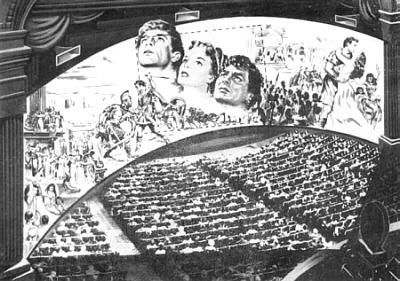
Exploring the visual advancements of Technicolor, 1950s Westerns also embraced widescreen technology, significantly enhancing viewer immersion. This shift wasn't merely a novelty but a transformative development in cinematic experience, particularly in how Western films were enjoyed. By the mid-20th century, major studios like Paramount, MGM, Columbia, and Warner Bros. had begun implementing widescreen formats, recognizing their potential to attract larger audiences.
The widescreen revolution was catalyzed by the introduction of CinemaScope in 1953, first showcased in 'The Robe'. This technique extended beyond merely enlarging the screen; it aimed to create a more engaging and immersive visual narrative. Imagine experiencing a Western, with its vast landscapes and intense shootouts, on a screen that almost envelops your field of vision—this was the immersive power CinemaScope offered.
Technicolor Visuals
Technicolor significantly transformed the visual storytelling of 1950s Western films. By introducing vivid colors, the technology brought a new dimension to the depiction of the American frontier. These films moved from monochrome visuals, which provided a more limited emotional and realistic portrayal, to a richly colored palette that made the landscapes inviting and the narrative more engaging. The transition from constrained realism to enhanced, vivid detail amplified the authenticity and emotional depth of the films.
The table below illustrates the impact of Technicolor on these aspects:
| Aspect | Before Technicolor | After Technicolor |
|---|---|---|
| Landscape | Monochrome, less inviting | Richly colored, inviting |
| Emotional Depth | Limited by visual monotony | Enhanced by visual richness |
| Realism | Constrained | Amplified through vivid detail |
In Technicolor Westerns, the use of color did more than just beautify; it deepened viewers' engagement with the story. The technology allowed filmmakers to create more detailed and emotive scenes, inviting audiences into a vividly reimagined world. This not only increased the realism of the rugged terrains and dynamic action but also enhanced the mythical elements of the West, making the cinematic experience truly immersive and transformative. Technicolor did not merely depict the story—it brought it to life, allowing audiences to experience the narrative in a more meaningful way.

Psychological Character Depth
As Western films matured during the 1950s, they began to feature more psychologically complex characters, marking a significant evolution in the genre. These characters, like Ethan Edwards, a Civil War veteran, often faced internal conflicts and moral dilemmas, reflecting deeper psychological struggles. Such complexity not only enriched the narrative but also engaged viewers by highlighting the protagonists' internal battles and moral ambiguity.
Characters like Phil Burbank epitomized this development, serving as the archetype of a troubled protagonist. Their psychological depth is integral to the plot, affecting their interactions and choices, which in turn maintains the viewer's engagement. These protagonists are portrayed not simply as heroes or villains but as deeply flawed individuals whose past traumas resonate in their current actions.
This shift in character portrayal in Westerns did more than entertain; it provided insights into the complexities of human nature. Viewers are presented not only with a typical gunslinger but with a character struggling with his past and identity amidst societal changes. This added psychological dimension turned Westerns from straightforward action narratives into nuanced explorations of the human psyche.
Moral Dilemmas Explored
1950s Westerns delved into moral complexities, depicting heroes grappling with ethical challenges that tested their honor and justice. These characters often faced personal dilemmas that blurred the lines between right and wrong, thereby enriching the genre with psychological depth.
These films extended beyond mere shootouts and horse chases, evolving into intricate narratives that provoked thought about morality and the human condition. Central themes such as redemption, sacrifice, and the consequences of violence were intricately woven into the plots, encouraging viewers to consider the implications of the protagonists' decisions.
Here is a brief analysis of how these themes impacted the characters:
| Theme | Impact on Flawed Heroes |
|---|---|
| Redemption | Compelled heroes to face and atone for past wrongs |
| Sacrifice | Emphasized personal losses endured for the greater good |
| Consequences of Violence | Demonstrated the enduring impact of violent actions |
Through these themes, 1950s Westerns redefined the traditional hero archetype, fostering a connection with their internal struggles and the significant burdens they carried. This shift in narrative approach not only innovated storytelling but also altered the perception of a hero in cinema.
Impact on Future Filmmaking
The innovations in 1950s Western cinema significantly influenced character and narrative development in subsequent films. Iconic figures such as John Wayne embodied characters that were more than mere cowboys; they were multi-dimensional, grappling with complex moral issues. This portrayal of nuanced characters set a standard for future filmmakers, who were inspired to create characters that were both deeply flawed and relatable.
The psychological depth that these films introduced also transformed visual storytelling. The pioneering camera techniques first seen in 1950s Westerns, such as unique framing methods, contributed to enhancing the narrative, making the visual storytelling as impactful as the dialogue. These techniques have influenced numerous directors and cinematographers, encouraging them to develop distinctive visual styles.
Moreover, these Westerns explored darker themes such as mortality and defeat, paving the way for later films that addressed complex and challenging themes head-on. The use of contrasting environments, from vast outdoor expanses to confined indoor spaces, helped filmmakers use setting to augment the mood and tension within the narrative. The innovative spirit of 1950s Western cinema continues to influence and shape modern filmmaking.
Conclusion
1950s Westerns significantly impacted cinema by introducing widescreen formats and Technicolor, enhancing visual storytelling. These films also delved into complex character development and moral dilemmas, elevating narrative depth and realism. Such innovations set new standards that influenced subsequent filmmaking. Thus, Westerns from this era played a crucial role in advancing cinematic techniques and storytelling.
Related posts