Tom Mix: The Original Cowboy Star Who Brought Westerns to the Big Screen
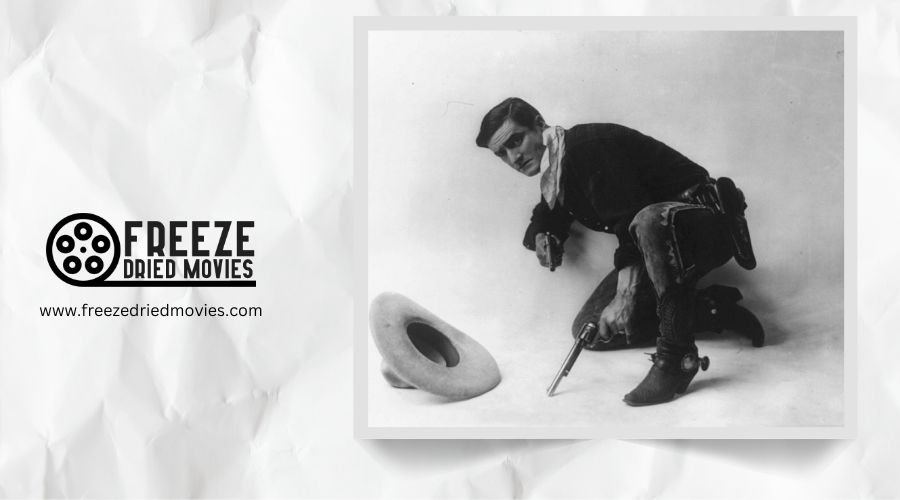
Tom Mix transformed from Pennsylvania farm boy to Hollywood's highest-paid Western star in the silent film era. You'll recognize his pioneering contribution at "Mixville," his self-built 12-acre movie set where he performed all his own dangerous stunts. Alongside his famous horse Tony, Mix earned up to $17,500 weekly and appeared in over 100 films. His fearless performances and iconic white Stetson forever shaped how cowboys would appear on screen.
Key Takeaways
- Tom Mix revolutionized the Western film genre by performing his own death-defying stunts and refusing to use stunt doubles.
- He constructed "Mixville," a 12-acre functional frontier town set where he filmed his most iconic Western productions.
- Mix earned up to $17,500 weekly during his Fox Film Corporation days, making him one of silent film's highest-paid stars.
- His career evolved from rodeo champion to Western film icon after joining the Miller Brothers 101 Ranch Wild West Show.
- Mix's partnership with Tony the Wonder Horse created one of cinema's most memorable human-animal duos in Western films.
The Birth of a Legend: Tom Mix's Early Years in Pennsylvania
While the American West was still being tamed, its future silver screen icon was born thousands of miles away in the East. Thomas Hezikiah Mix entered the world on January 6, 1880, in the aptly named hamlet of Mix Run, Pennsylvania. You'll find his roots not in dusty saloons but on a farm in DuBois, owned by prominent businessman John DuBois.
Before becoming a celluloid cowboy, Mix answered his country's call, enlisting in the U.S. Army in 1898 during the Spanish-American War as Thomas E. Mix. His early personal life proved as unsettled as a tumbleweed, with two brief marriages—first to Grace I. Allin in 1902 (annulled after one year), followed by Kitty Jewel Perinne in 1905, which lasted barely longer. Much like Clint Eastwood's career, Mix would later transform from an unexpected beginning into one of cinema's most influential Western stars.
From Wild West Shows to Silent Films: Mix's Career Beginnings
After leaving military service and his brief early marriages, Tom Mix found his true calling in the saddle, joining the prestigious Miller Brothers 101 Ranch Wild West Show in 1906. His exceptional horsemanship earned him the National Riding and Rodeo championship in 1909, catching the attention of early filmmakers.
Mix's film career began almost accidentally when Selig Polyscope hired him to round up cattle for a production in 1910. This led to his first acting role and launched his meteoric rise in silent Westerns. Between 1911 and 1917, he created over 100 one- and two-reel films, often directing and producing them himself.
When Selig closed, Mix joined Fox Film Corporation, which provided top directors and propelled him to become the most popular Western star of the silent film era. His influence on the genre would later inspire John Wayne's portrayals of rugged cowboys that defined the American hero archetype.
Creating Mixville: How Tom Mix Built His Own Western Movie Empire
How does a cowboy superstar expand his influence in Hollywood? By building his own frontier town. In 1920, Tom Mix constructed "Mixville," a 12-acre film set at Los Angeles' Edendale lot that revolutionized Western filmmaking.
This fully functional frontier town—complete with bank, hotel, and saloon—gave Mix unprecedented creative control over his productions. At Mixville, he performed his signature death-defying stunts, including dramatic horse jumps over buildings that thrilled audiences nationwide.
Mix's hands-on approach to filmmaking at Mixville helped define the archetypal Hollywood cowboy character. His vision and business savvy paid off handsomely, making him one of silent film's highest-paid stars, earning up to $17,500 weekly. Through Mixville, Mix didn't just act in Westerns—he created an entire movie empire.
Mix's success coincided with the Golden Age of Hollywood, when technological innovations like sound and Technicolor were transforming filmmaking and drawing 80 million Americans to theaters weekly.
The Most Daring Stunts on Film: Mix's Physical Legacy
Few Hollywood legends earned their fame quite as painfully as Tom Mix, whose refusal to use stunt doubles set a new standard for authenticity in Western films. You can see his commitment in every frame of his silent films—he performed all dangerous stunts himself, including the legendary horse jumps across canyons of the west.
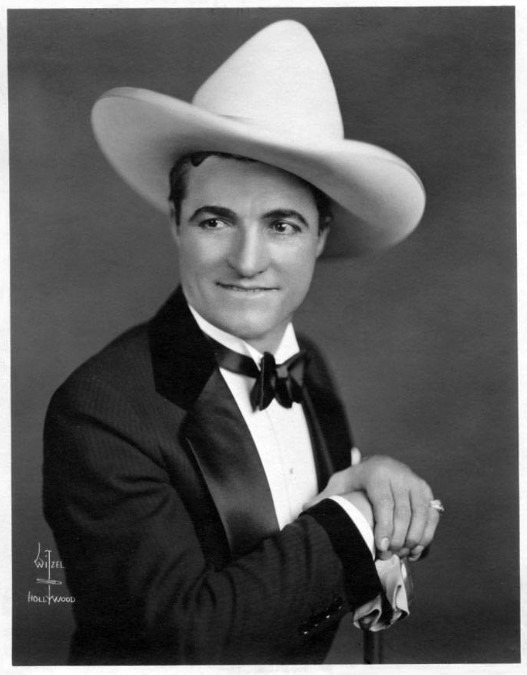
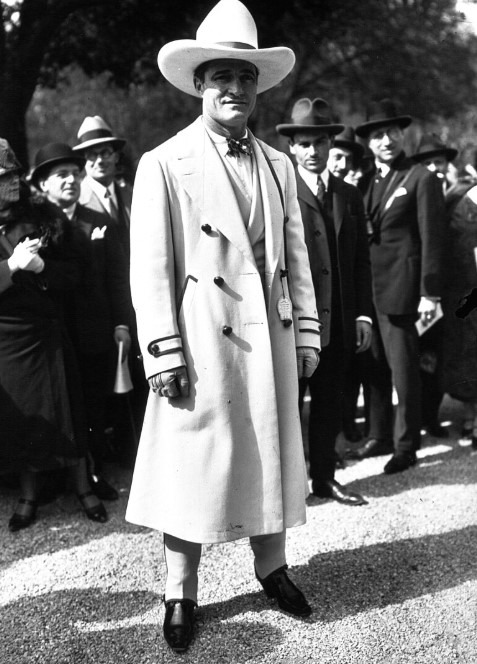
His iconic off-white Stetson, now preserved in the Smithsonian, symbolizes not just a character but a pioneer who physically shaped what audiences expected from stunts in Western cinema.
This Texas-born movie star suffered up to 80 injuries throughout his career and was shot twice. When you see Mix's character leap from a horse or engage in daring feats, you're witnessing the man himself risking everything for his craft. Much like Bette Davis' complex female characters in the 1940s challenged traditional Hollywood roles, Mix revolutionized expectations for physical authenticity in cinema.
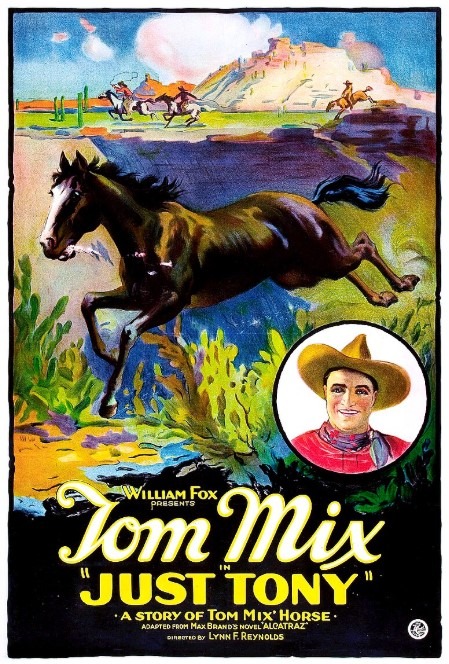
Tony the Wonder Horse: Mix's Famous Four-Legged Co-Star
Stardom in early Westerns wasn't limited to two-legged performers. Tony, Tom Mix's extraordinary horse, achieved celebrity status nearly matching his human partner during the silent film era. This remarkable equine performer executed complex stunts that left audiences astonished, becoming integral to Mix's success as a cowboy action star.
Tony's versatility can be spotted throughout Mix's most popular films, where the horse performed tricks that enhanced the actor's fearless on-screen persona. Mix frequently acknowledged that Tony's abilities were essential to his cinematic achievements, creating an iconic partnership that defined early Western filmmaking.
Even after Mix's death, the legacy continued with Tony II, who appeared in rodeos and special events commemorating the legendary duo that had captivated audiences across America.
Behind the Myth: Separating Fact From Fiction in Mix's Biography
The legend of Tom Mix that captivated early cinema audiences bears only partial resemblance to the man himself. Born Thomas Hezikiah Mix, his carefully crafted persona included claims of:
- Service in the Spanish–American War and Mexican Revolution, when military records actually show he deserted the Army in 1902
- Adventures as a Texas Rangers lawman and friendship with Wyatt Earp, fabrications that enhanced his cowboy credentials
- A rugged frontier upbringing, rather than his actual modest Pennsylvania childhood with only a fourth-grade education
Despite these embellishments, Mix's genuine horsemanship and daring stunts in over 300 silent films cemented his legacy. His star on the Hollywood Walk of Fame honors not the mythical biography he sold, but the authentic talent that revolutionized Western filmmaking.
High-Paid Hollywood Star: Mix's Financial Success and Extravagant Lifestyle
While earning his status as a Western film icon, Tom Mix amassed extraordinary wealth that dwarfed the earnings of most contemporaries in early Hollywood. As a Fox star, his salary reached an astonishing $17,500 weekly, making him one of the era's highest-paid actors.
Mix's extravagant lifestyle reflected his success. He built "Mixville," a 12-acre studio lot featuring an elaborate frontier town for filming his Westerns. His personal residence boasted illuminated electric initials on the roof, showcasing his flair for the dramatic. His wealth also enabled his purchase of the Bar Circle A Ranch in Prescott, Arizona, which served as a filming location for his movies.
Despite his tremendous earnings, Mix's financial fortune wouldn't last. The Great Depression, combined with his free-spending habits, reportedly depleted most of his savings by the 1930s.
The Transition Era: Mix's Challenge With Talking Pictures
As Hollywood shifted from silent films to "talkies" in the late 1920s, Tom Mix faced perhaps the greatest challenge of his illustrious career. His deep, gravelly voice proved ill-suited for talking pictures, and he struggled to maintain the spectacular physicality and action that had defined his silent Westerns.
Despite appearing in only 9 talkies before retiring in 1934, Mix's struggle illustrates three key metamorphosis-era challenges:
- His vocal limitations undermined the charismatic persona he'd cultivated
- Universal Pictures' attempts to revive his career in 1932 failed to resonate with audiences
- The Great Depression's financial pressure forced him back to the circus and rodeo circuit
While new singing cowboys captured the public's imagination, Mix's transformation-era films like "The Fourth Horseman" never recaptured his silent-era glory.
Beyond the Silver Screen: Mix's Circus and Radio Career
Reinventing himself after Hollywood's rejection, Tom Mix refused to fade quietly from public view despite his waning movie career. After leaving Fox Film Corporation in 1928, he toured with the Keith-Albee-Orpheum vaudeville circuit, showcasing his cowboy skills in live performances.
Mix's circus ambitions materialized in the early 1930s when he created "Tom Mix's Circus and Wild West Show," which he toured with nationwide. In 1935, he expanded by purchasing the Sam B. Dill Circus, bringing his daughter Ruth on as co-star.
Simultaneously, Mix conquered airwaves when the Ralston Purina Company launched "Tom Mix Ralston Straight Shooters" in 1933, a radio program that outlived Mix himself, running into the early 1950s. Though talkies diminished his film career, these ventures kept him in the spotlight until his 1940 death.
The Lasting Impact: How Tom Mix Shaped the Western Genre
The quintessential cowboy hero we recognize today owes much of its DNA to Tom Mix's pioneering influence on the Western genre. Through his prolific career spanning over 300 silent films, he established conventions that would define Hollywood Westerns for generations.
Mix's impact remains evident in three significant ways:
- His daring, self-performed action sequences revolutionized Western filmmaking, elevating the genre from simple storytelling to visually spectacular entertainment
- His Fox films of the 1920s prioritized fast-paced entertainment over historical accuracy, creating the template for commercial Westerns
- His larger-than-life persona transcended film, extending to radio and merchandise, establishing the cowboy as a cultural icon
Even John Wayne cited Mix's influence, proving that modern Western heroes stand on the shoulders of this original cowboy star.