The Cultural Impact of 1930s Cinema: From Screen to Society

The 1930s cinema significantly influenced society, particularly with the introduction of talkies and Technicolor, which revolutionized the film industry. These innovations not only entertained but also shaped fashion, music, and social norms, especially among the youth. Hollywood's Golden Era produced iconic stars and escapist stories, offering much-needed relief during the Great Depression. Additionally, cinema addressed social issues and morality, sparking public debate and shaping national identity. Have you considered how these films served as both a reflection and catalyst for cultural change?
Rise of Talkies
The rise of talkies in the late 1920s fundamentally transformed the film industry, supplanting silent films and diminishing the role of live entertainment venues like variety theatres. This revolution not only changed film production but also redefined entertainment consumption. By the early 1930s, talkies had become immensely popular in the UK, with a 1999 survey revealing that 93% of people visited the cinema weekly, highlighting the growing cultural significance of film during that era.
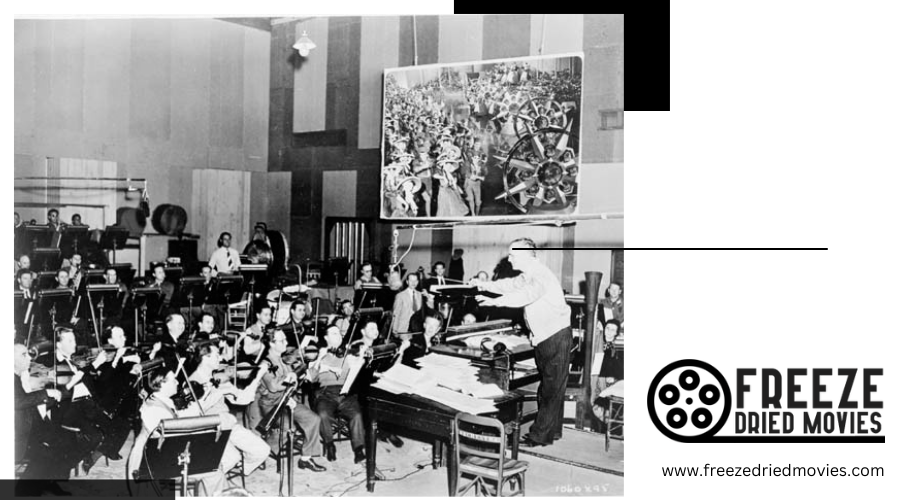
The introduction of sound films made storytelling more dynamic and character development more nuanced, significantly enhancing audience engagement. Technological advancements in sound recording and playback were crucial for the successful production and exhibition of talkies.
Despite their popularity, talkies also sparked concerns about their influence on behavior and morality, particularly among the youth. Nonetheless, the rise of talkies marked a pivotal moment in the film industry, forever altering the landscape of entertainment and culture.
Hollywood's Influence
Hollywood's Golden Age during the 1930s wasn't just a defining period for cinema; it was a cultural phenomenon that reshaped global entertainment. The significance of film production during this era cannot be overstated. Hollywood produced countless films, introducing iconic stars like Cary Grant and Katharine Hepburn. These stars didn't just act; they captivated audiences and set trends that shaped popular culture.
Disney's "Snow White and the Seven Dwarfs" in 1937 marked a turning point in animation, establishing Hollywood as a leader in creative storytelling and visual innovation. It wasn't just about watching a film; it was about experiencing a new world. Hollywood's glamorous portrayal of life offered an escape during the Great Depression, influencing perceptions of wealth, success, and leisure.
Musical films starring Fred Astaire and Ginger Rogers were more than entertainment; they played a crucial role in shaping youth culture and social interactions. These films popularized jazz and dance, making them integral parts of social life.
Here's how Hollywood influenced society during the 1930s:
- Increased film production created a thriving entertainment industry.
- Iconic stars set cultural and fashion trends.
- Innovative animation redefined storytelling.
- Musical films popularized jazz and dance.
Political Films
Exploring political films in the 1930s reveals how cinema became a powerful tool for shaping public opinion and political discourse. During this decade, both the Conservative and Labour parties in Britain used mobile cinema vans to distribute political films, aiming to sway voters and communicate their messages effectively. These films went beyond political campaigns; they also tackled pressing social issues. For instance, "The Big Dog House" addressed animal cruelty, mobilizing public sentiment and raising awareness about this issue.
John Skeaping's 1935 talk emphasized cinema's role as both a cultural and propagandist force, demonstrating the medium's potential to shape political narratives and societal values. By highlighting pertinent issues through film, political entities could significantly influence public perception and reaction.
Additionally, the debate over the popularity of British versus American films in 1931 underscored the impact of national identity and cultural representation in political discourse within cinema. The criticism in "Movieland Goes Roman" (1931) of jungle films' production methods further reflected the growing awareness of the significance of film content on public perception and opinion. Thus, political films in the 1930s did more than entertain; they actively shaped and reflected societal values and political landscapes.
Youth and Cinema
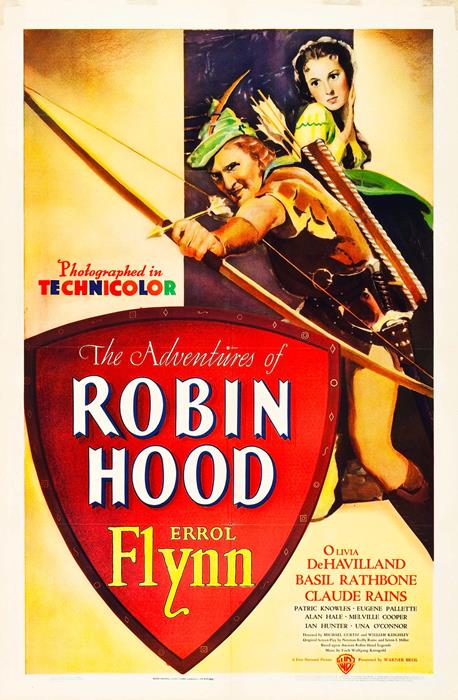
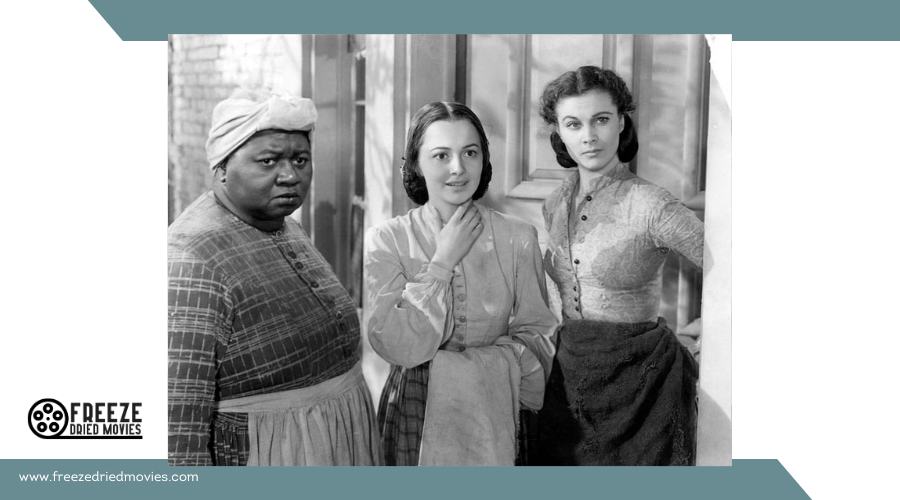
In the 1930s, cinema became an indispensable part of young people's lives, with 93% of the UK population visiting the cinema weekly. The advent of talking pictures and Technicolor films like "Gone with the Wind" and "The Adventures of Robin Hood" captivated young audiences, offering a magical escape from everyday life.
Youth were not passive viewers; they actively engaged with the content they saw on screen in several ways:
- Fashion and Hairstyles: Young people emulated their favorite film stars, adopting the latest trends in fashion and hairstyles.
- Music Preferences: Film soundtracks influenced their musical tastes, with popular songs from movies becoming instant hits.
- Cultural Exposure: Screenings often included news, travelogues, and cartoons, broadening their cultural horizons.
- Social Interactions: Cinema outings became social events, fostering a sense of community among young people.
John Skeaping noted in 1935 that cinema's pervasive influence had both positive and negative impacts on society. For youth, it shaped social interactions and cultural narratives, making it an integral part of their identity and daily life.
Artistic Cinema Movement
The Artistic Cinema Movement of the 1930s sought to elevate film from mere entertainment to a legitimate art form, emphasizing narrative complexity and aesthetic quality. The Film Society, founded in 1925, was instrumental in promoting this movement. They championed films that challenged conventional storytelling and highlighted cultural significance. By 1930, the Film Society's fifth annual report underscored the need for support of artistic cinema to foster a deeper appreciation of film as a medium for intellectual engagement.
Key events include:
| Year | Event | Impact on Artistic Cinema Movement |
|---|---|---|
| 1925 | Establishment of the Film Society | Promoted films with narrative and aesthetic depth |
| 1930 | Fifth annual report of the Film Society | Emphasized support for artistic and intellectual films |
| 1936 | Circular on labor movement films | Focused on politically charged narratives |
| 1930s | Hollywood's commercial success | Created challenges due to mass appeal focus |
| 1930s | Rise of social justice themes | Integrated values of workers' rights in cinema |
Despite facing competition from Hollywood's commercial success, which prioritized mass appeal and escapism, the movement persisted in advocating for films that offered more than just entertainment. In 1936, efforts to promote labor movement films aimed to create politically charged narratives aligned with social justice and workers' rights, reinforcing the cultural impact of artistic cinema.
Cinema Technology
The cinematic landscape underwent a revolutionary transformation with the advent of talking pictures in the late 1920s, profoundly altering audience engagement and attendance throughout the 1930s. This decade witnessed groundbreaking innovations in cinema technology that reshaped the industry.
First, the introduction of Technicolor films added a vibrant new dimension to visual storytelling, moving beyond the limitations of black-and-white imagery. The rich, immersive colors captivated audiences and enhanced narrative depth. Second, advancements in sound technology, particularly synchronized soundtracks, revolutionized the movie-going experience. The seamless integration of dialogue and sound effects with visuals made films more engaging.
Third, improvements in camera equipment and production techniques enabled filmmakers to create more intricate and compelling stories. These technological advancements resulted in higher-quality films that drew audiences deeper into their worlds. Fourth, the emergence of home projection equipment by the late 1930s allowed people to enjoy cinematic experiences from the comfort of their homes, extending the influence of films beyond theaters.
These innovations in cinema technology not only transformed film production and viewing but also solidified the 1930s as a pivotal era in the evolution of cinema.
Social Commentary
The 1930s cinema was a powerful platform for political propaganda and social commentary. Mobile cinema vans from both Conservative and Labour parties screened films to shape public opinion. Hollywood's influence sparked debates about national identity and the moral impact on youth, making cinema a significant tool for societal change.
Political Propaganda Films
During the 1930s, cinema emerged as a powerful instrument for political propaganda. Both the Conservative and Labour parties utilized mobile cinema vans to disseminate their messages widely. These political films were pivotal in influencing public opinion and shaping political narratives by bringing the content directly to the people, bypassing traditional venues for a broader reach.
Key Aspects of Political Propaganda Films:
- Campaigning Medium: Mobile cinema vans enabled parties to effectively spread their political ideologies and campaign messages.
- Public Engagement: The films were crafted to engage the public, simplifying complex political issues for better understanding.
- Social Awareness: Films like "The Big Dog House" tackled political issues while also raising awareness about social concerns such as animal cruelty.
- Cultural Force: John Skeaping's 1935 talk emphasized cinema's dual role as a cultural influencer and a propagandist tool, highlighting its power to shape societal values and political beliefs.
These political films did more than entertain; they played a crucial role in the political and social landscape of the 1930s.
Hollywood's Social Influence
In the 1930s, Hollywood films subtly embedded social commentary within their productions, shaping public opinion and societal norms. For example, "The Big Dog House" addressed animal cruelty, highlighting cinema's role in promoting ethical awareness and reform.
Critiques such as those in the 1931 article "Movieland Goes Roman" reflected growing societal expectations for quality and morality in film production. Hollywood began to position itself not just as a source of entertainment, but also as a mirror to evolving societal values.
John Skeaping's 1935 talk emphasized cinema's power as a cultural and propagandist force, showcasing its potential to shape societal norms. Hollywood films addressed various social issues, subtly guiding public opinion and influencing national identity not only in America but globally.
Youth and Film Morality
Concerns over the impact of cinema on youth morality came to the forefront in the 1930s, with critics worried that the glamorization of gangster life and on-screen violence might lead children astray. The League of Nations Child Welfare Committee's 1928 report highlighted the potential moral implications of film content, emphasizing the need to scrutinize what young people were watching.
John Skeaping, in 1935, underscored cinema's dual potential as both a cultural influence and a propagandist tool, capable of shaping public opinion and social values, especially among the youth. This period saw political parties using mobile cinema vans to distribute films that addressed social issues, showcasing the medium's role in shaping political discourse and youth perspectives.
Films like Chaplin's "Modern Times" spurred conversations about their political merits, illustrating how cinema served as more than just entertainment—it was also a powerful vehicle for social commentary. For young people, the messages embedded in these films were particularly influential.
To summarize, the 1930s highlighted several concerns:
- Moral implications of film content on young people.
- Cinema's role in shaping social values.
- Use of film by political parties for propaganda.
- Debates around the political impact of popular films.
Understanding these dynamics helps in appreciating cinema's profound cultural impact.
Film Industry Reports
Analyzing film industry reports from the 1930s reveals a nuanced landscape of cultural concerns, labor issues, and artistic debates that influenced cinema's evolution. The League of Nations Child Welfare Committee's 1928 report examined films' impact on children, raising alarms about potential moral and behavioral effects, highlighting ongoing anxieties regarding cinema's influence on youth.
In 1932, a memorandum addressed the Americanization of British film culture, reflecting fears of losing national identity to Hollywood's rising dominance. This concern resonated deeply as British filmmakers and audiences struggled to maintain cultural authenticity amid an influx of American content.
Labor issues were also significant. The Trade Union Congress archive, with its extensive documentation, illuminated workers' conditions and industry practices, underscoring the need for improved labor rights within the film sector. The Film Society's fifth annual report in 1930 championed artistic cinema, emphasizing the importance of supporting high-quality, culturally representative films.
This comprehensive review of the 1930s film industry reports demonstrates the era's intricate interplay between cultural preservation, labor rights, and artistic integrity.
Cinema and Morality
The morality debate surrounding 1930s cinema often centered on its powerful influence on societal norms, particularly among the young. Concerns arose about the impact of movie theater experiences on children's behavior, prompting investigations like the League of Nations Child Welfare Committee's 1928 report. Fearful that gangster films and movie violence might corrupt the young, public discussions about film content and censorship became widespread.
During this period, the dominance of Hollywood raised alarms in Britain about the erosion of national identity. Calls for more British film production aimed to counteract perceived American moral influences. Political parties also recognized cinema's potential as a propagandist tool, using mobile cinema vans to promote their agendas and shape public morality.
Critics often contrasted Hollywood's approach with that of European films, reflecting broader societal concerns:
- American vs. British Films: There was a push for British films to preserve national identity.
- Political Propaganda: Cinema vans by political parties influenced public values.
- Young Impact: Concerns about children mimicking movie violence.
- Censorship Debates: Calls for stricter film content regulation.
As you can see, cinema in the 1930s wasn't just entertainment—it was a battleground for societal values and moral standards.