How Did the Western Genre Evolve During the 1940s?

During the 1940s, the Western genre underwent significant evolution, primarily influenced by directors such as John Ford and Howard Hawks. John Ford's films, notably 'Stagecoach', and Howard Hawks' works introduced complex character dynamics, adding emotional and psychological depth to the narratives of the American frontier.
This period also saw the rise of cowboy icons like Roy Rogers and Gene Autry, who became symbols of justice and bravery, deeply ingrained in the cultural landscape. Technological advancements, including the adoption of Technicolor and enhanced sound systems, significantly improved the visual and auditory quality of Western films.
These films increasingly explored themes of morality and community, paving the way for more nuanced depictions of the Old West in later decades.
Emergence of Iconic Directors
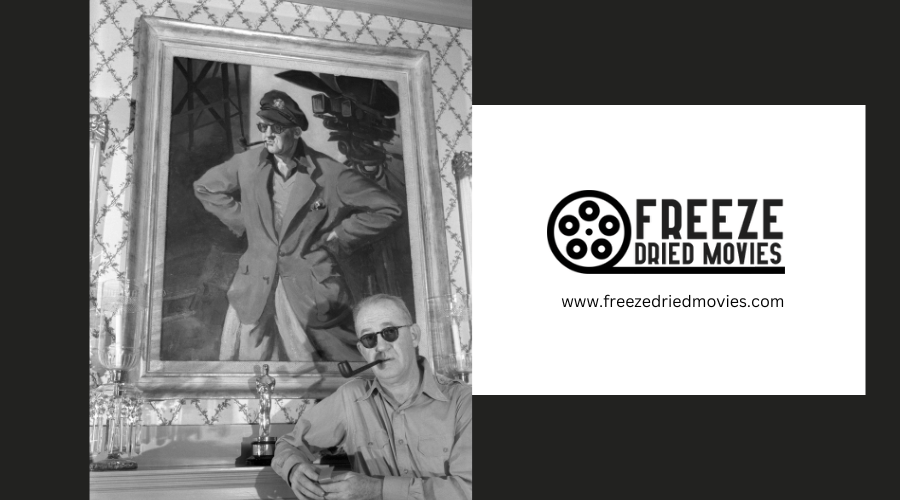
In the 1940s, directors like John Ford and Howard Hawks became central figures in evolving the Western genre, each infusing it with distinct narrative and stylistic elements. John Ford's movies, notably 'Stagecoach' and 'My Darling Clementine', transcended mere storytelling to redefine the portrayal of the American frontier in cinema. His work was marked by a deep understanding of character development and visual composition, which established new standards for themes of heroism and integrity against the backdrop of the rugged, untamed landscapes.
Conversely, Howard Hawks introduced a nuanced approach to character interaction and complexity in his Westerns, such as 'Red River' and 'Rio Bravo.' By focusing on the intricacies of personal relationships and moral dilemmas, Hawks enriched the genre's narrative depth.
Together, Ford and Hawks significantly enhanced the Western genre, offering audiences not only entertainment but also a reflection on heroism in the morally complex world of the American frontier. Their contributions during the 1940s crucially transformed Western storytelling into a more sophisticated and nuanced cinematic experience.
Rise of Cowboy Heroes
Building on the evocative landscapes created by directors like John Ford and Howard Hawks, the 1940s saw the emergence of charismatic cowboy heroes such as Roy Rogers and Gene Autry. These figures became central to Western films, not only for their thrilling exploits but also for embodying values like justice, bravery, and loyalty. These principles were key to their popularity and crucial in defining their cinematic roles.
Roy Rogers and Gene Autry were more than just characters in films; they evolved into cultural icons, influencing perceptions of the American West. Their films did more than entertain; they provided moral lessons, presenting virtues that viewers might emulate. Through exciting pursuits and climactic duels, Rogers and Autry engaged audiences, solidifying the archetype of the heroic cowboy as a staple of the Western genre.

Their portrayal on screen helped cement the cowboy hero's image as a symbol of nobility and integrity. This legacy of heroism ensured that the cowboy hero would endure as an emblematic figure in Western narratives for future generations.
Expansion of Narrative Scope
Western films of the 1940s expanded their narrative scope to explore complex moral dilemmas and psychological depth, challenging the traditional hero stereotypes. These films featured characters wrestling with intricate motivations and significant internal conflicts, moving beyond simple good versus evil narratives to address the complexities of justice and redemption.
Directors like John Ford and Anthony Mann were instrumental in this shift, infusing their films with an emotional depth that surpassed mere rugged individualism. The characters portrayed often confronted choices that mirrored broader societal shifts, reflecting the post-war reassessment of American values and identity.
This era marked a pivotal transformation in the Western genre. Viewers are presented not just with a cowboy saving a town but also with his internal struggle with both personal and societal issues. The heroes of 1940s Westerns were portrayed as fallible humans, their fears and doubts resonating with audiences dealing with their own uncertainties in a post-war world.
Exploration of Core Themes
In examining core themes, it becomes evident that 1940s Westerns increasingly focused on the complex interplay between morality and justice. During this era, Western films explored the intricate psychology of characters shaped by the demanding conditions of frontier life. These narratives moved beyond the simplistic dichotomy of good versus evil by introducing characters with substantial psychological depth and multifaceted motivations.
| Theme Explored | Impact on Western Genre |
|---|---|
| Morality | Evolution from clear-cut heroes to characters with moral ambiguity, mirroring real human complexity. |
| Justice | Examination of justice in a lawless setting fostered deeper narratives around community and personal duty. |
| Psychological Depth | Characters evolved from simple frontier archetypes to those with complex emotional dimensions. |
These films highlighted the nuanced nature of morality and the varied interpretations of justice on the frontier. The genre was enriched by portraying individuals facing both internal dilemmas and external challenges, making the stories more engaging and relatable. Viewing these films reveals the rich layers of human emotion and conflict characteristic of the 1940s Westerns, signaling a significant evolution in the storytelling approach and audience perception within the genre.
Influence of Technological Advances
Technological advances in the 1940s significantly influenced the production and reception of Western films. The introduction of Technicolor allowed for a richer visual representation of the genre's iconic landscapes and scenes, making the sunsets and dusty trails pop with color and enhancing viewer immersion. Similarly, advancements in sound technology captured every gunshot and horse gallop with increased clarity, adding to the realism and excitement of action sequences.
Camera innovations permitted broader, more dynamic shots of expansive landscapes and intense action scenes, increasing engagement and enhancing the narrative flow. Improved editing techniques also streamlined the storytelling, maintaining suspense and interest through well-paced plot developments. The practice of shooting on location in vast outdoor settings lent authenticity and a grand sense of scale to these films.
Enhancements in lighting and special effects further enriched the cinematic quality of Westerns. These technologies made night scenes more striking and confrontations more vivid, amplifying the sense of danger and adventure that's central to the genre. Through these various technological advancements, Western films of the 1940s offered not just storytelling but a compelling visual and auditory experience that captivated audiences.
Shifts in Audience Perception
In the 1940s, audiences began to appreciate Western films for their complex character portrayals and moral ambiguity, signaling a significant evolution in the genre. These films moved beyond simple good-versus-evil narratives, offering viewers more nuanced explorations of both heroes and villains who displayed a mix of virtues and flaws.
Western films of this era engaged with themes that captured a wider range of human emotions and conflicts. Characters were often depicted dealing with internal struggles, breaking away from traditional genre stereotypes. These narratives extended beyond the physical frontier, delving into the psychological territories of desire and moral dilemmas.
Furthermore, themes of redemption and sacrifice became more prevalent, enriching the character development and encouraging viewers to reassess the moral landscape of the American West. This period marked a shift in how Westerns were perceived, presenting them as reflective of broader societal issues rather than just settings for action-packed confrontations. This transformation allowed audiences to understand the complexities of Western life and morality in previously unexplored ways.
Legacy and Cultural Impact
Western films from the 1940s did more than entertain; they significantly influenced American cultural identity. During this era, you'll discover how these films did more than provide amusement—they reflected and shaped societal values. Icons like John Wayne and Gary Cooper transcended their roles, becoming symbols of courage and justice that deeply resonated with viewers.
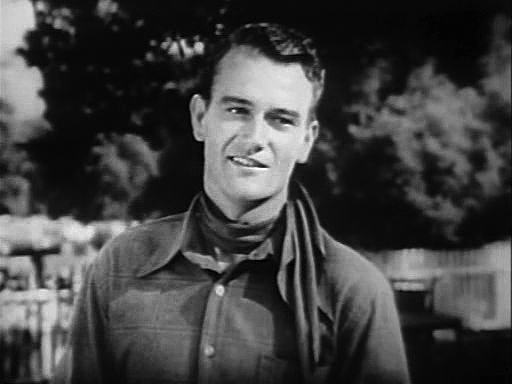
This period is often recognized as a golden age of cinema, with Westerns playing a pivotal role in this cinematic evolution. Movies such as 'Stagecoach' and 'Red River' weren't merely successful at the box office; they established a lasting legacy that has influenced numerous subsequent films. The evolution of the Western genre during this time created a foundation that future filmmakers have continued to build upon, often blending traditional themes with contemporary perspectives.
The impact of 1940s Western films is profound, extending beyond cinema into broader cultural realms. This demonstrates the power of film as a medium to both reflect and shape societal values and identities.
Conclusion
The 1940s marked a significant evolution in the Western genre. During this period, iconic directors and charismatic cowboy heroes emerged, captivating audiences and expanding the genre's appeal.
The narratives became broader and themes deeper, offering a more complex and nuanced portrayal of the West. Technological advancements in filmmaking also enhanced the visual and dramatic quality of Westerns.
This era's influence is profound. It established the Western as a crucial part of cultural consciousness and paved the way for future films and television shows that continue to draw on its legacy.
Related posts