
Golden Age of Japanese Cinema: Samurai, Rebels, and New Visions

You'll uncover Japan's cinematic golden age emerged powerfully in the post-war era through three legendary directors: Kurosawa, Ozu, and Mizoguchi. Each brought unique visions, from samurai epics exploring honor to intimate family dramas reflecting social change. They revolutionized filmmaking with innovative techniques like Ozu's tatami-level shots and Kurosawa's fluid action sequences. Their expert blend of traditional values and bold artistic choices shaped a legacy that continues to inspire filmmakers worldwide.
The Rise of Post-War Japanese Cinema
As Japan emerged from the devastation of World War II, its film industry experienced an unparalleled creative renaissance that would define global cinema for decades to come. You'll find this period marked by the emergence of three legendary directors: Akira Kurosawa, Yasujiro Ozu, and Kenji Mizoguchi, who revolutionized filmmaking with their distinct styles and powerful narratives.
In the wake of post-war reconstruction, these visionaries crafted grand works that captured both traditional Japanese values and contemporary social challenges. Kurosawa's innovative use of flashbacks in "Rashomon," Ozu's measured exploration of family life in "Tokyo Story," and Mizoguchi's historical epic "Sansho the Bailiff" showcased the versatility of Japanese cinema.
The international acclaim these films received helped establish Japan as a powerhouse in world cinema, introducing global audiences to unique storytelling viewpoints. Their mastery of mise-en-scène techniques transformed every visual element within the frame into a purposeful tool for enhancing storytelling and emotional depth.
Masters Behind the Lens: Key Directors and Their Styles
The distinctive fingerprints of Japan's preeminent directors shaped the nation's cinematic golden age into an artistic revolution. While contemporaries like Ingmar Bergman and Jean-Luc Godard were redefining European cinema, Japanese experts were crafting their own innovative styles.
You'll find Kurosawa's vibrant cinematography exploring complex human themes, while Mizoguchi's fluid long takes captured women's struggles with exceptional sensitivity. Ozu's minimalist approach and signature "pillow shots" revealed the poetry in everyday life, influencing future filmmakers like Francis Ford Coppola.
Kinugasa pushed boundaries with experimental editing in historical dramas, while Ichikawa mastered the art of nuanced character studies. Each director brought unique perspectives to their craft, creating a diverse cinematic language that would inspire generations of filmmakers worldwide. Much like Orson Welles' revolutionary use of deep focus cinematography to capture multiple layers within single frames, these Japanese masters developed their own groundbreaking visual techniques.
Themes of Honor and Redemption in Samurai Films
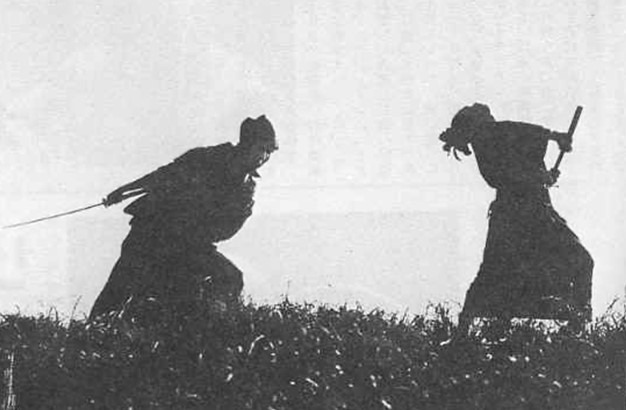
Honor stood at the heart of Japan's samurai films, driving complex narratives that surpassed simple action-adventure stories. You'll find that these Golden Age masterpieces investigated the delicate balance between duty and personal desire, often through tales of wandering ronin seeking redemption.
Directors like Akira Kurosawa crafted stories that resonated so deeply that filmmakers like Martin Scorsese would later draw inspiration from them. The themes they presented weren't just about sword fights - they probed into moral dilemmas that still feel relevant today.
When you watch classics like "Harakiri," you'll notice how the code of bushido intertwines with questions of social justice and personal integrity. As film critic De La Cruz once noted, these samurai films transformed ancient Japanese values into universal stories of human struggle and redemption. Similar to how method acting brought raw emotion to Western cinema through directors like Elia Kazan, samurai films infused Japanese storytelling with unprecedented emotional depth.
Social Commentary and Family Dynamics
Japanese filmmakers during the Golden Age skillfully wove social criticism into intimate family narratives, creating a powerful lens through which you'll observe post-war society's shift.
You'll see changing family roles prominently showcased in Ozu's Tokyo Story, where traditional family bonds strain against modernization's pressures.
The social constraints on women take center stage in Mizoguchi's The Life of Oharu, exposing the harsh realities faced by women in a rigid social hierarchy, while Kinoshita's Carmen Comes Home challenges these constraints through its bold female protagonist.
War trauma and alteration emerge powerfully in Ichikawa's The Burmese Harp, as you follow a soldier's expedition from combat to spiritual awakening. Even Kurosawa's Ikiru, though focused on one man's struggle, reflects broader societal shifts in bureaucratic Japan's post-war terrain.
Technical Innovations and Visual Storytelling
During cinema's golden age in Japan, revolutionary filmmaking techniques altered the art of visual storytelling, establishing standards that still influence directors worldwide.
You'll find innovative camerawork techniques in Kurosawa's films, where deep-focus shots and multiple perspectives challenge your understanding of truth and morality. Mizoguchi's character-focused long takes draw you into intimate emotional narratives, while his expressive lighting usage creates unforgettable visual poetry.
In contrast, Ozu's static camera positions at tatami-mat level immerse you in Japanese domestic life, making you feel like a silent observer in his characters' homes.
Even monster movies broke new ground, with Godzilla's special effects serving as more than spectacle - they're powerful metaphors for Japan's atomic-age anxieties. These directors' technical expertise transformed their stories into timeless cinematic achievements.

Global Impact and International Recognition
World cinema experienced a seismic shift when expert works from Japan's golden age began dominating international film festivals in the 1950s. You'll find this era marked by unparalleled international acclaim, as Japanese filmmakers captured the imagination of critics and audiences worldwide.
The global reputation of Japanese cinema soared through these landmark achievements:
- Kurosawa's "Rashomon" earned the Golden Lion at Venice in 1951, opening Western eyes to Japanese storytelling
- Mizoguchi's "Ugetsu" and "Life of Oharu" garnered worldwide recognition at prestigious festivals
- Ozu's "Tokyo Story" revolutionized cinema with its intimate portrayal of family dynamics
- Kinugasa's "Gate of Hell" claimed the coveted Palme d'Or at Cannes in 1954
These triumphs altered Japan from a relatively unknown film industry into a powerhouse of artistic innovation and cultural expression.
Breaking Traditional Narratives: New Wave Elements
While the international acclaim of Japan's expert filmmakers reached new heights, a bold revolution was brewing within its borders. Directors like Nagisa Ōshima and Shōhei Imamura led a rebellious movement that would redefine cinema's boundaries. You'll find their work filled with unconventional camera angles and jarring jump cuts that shattered traditional storytelling methods.
These innovative filmmakers dared to investigate transgressive subjects, focusing on society's outcasts and anti-heroes rather than idealized characters. They wove dreamlike elements into their narratives, creating surreal experiences that challenged viewers' perceptions. Films like "Night and Fog in Japan" and "The Pornographers" didn't just push artistic boundaries - they sparked a global transformation in art cinema. Their gritty, experimental approach influenced filmmakers worldwide, establishing a new language of creative expression that continues to influence today.
Cultural Identity and Artistic Expression
The quest for cultural identity emerged as a defining force in Japan's Golden Age cinema, with skilled directors weaving insightful social commentary into their artistic visions. You'll find masterful explorations of individualism and class struggles through groundbreaking films that challenged societal norms while promoting cultural preservation.
These influential directors tackled complex themes through distinct approaches:
- Kurosawa examined truth's subjective nature in Rashomon while exploring existential questions in Ikiru
- Mizoguchi confronted gender inequality through powerful female narratives
- Ozu captured the essence of family dynamics in a rapidly changing society
- The Taiyozoku movement gave voice to youth rebellion against traditional values
Through these diverse perspectives, Japanese cinema of the 1950s created a powerful dialogue between tradition and progress, reflecting a nation immersed in grappling with its identity in the post-war era.
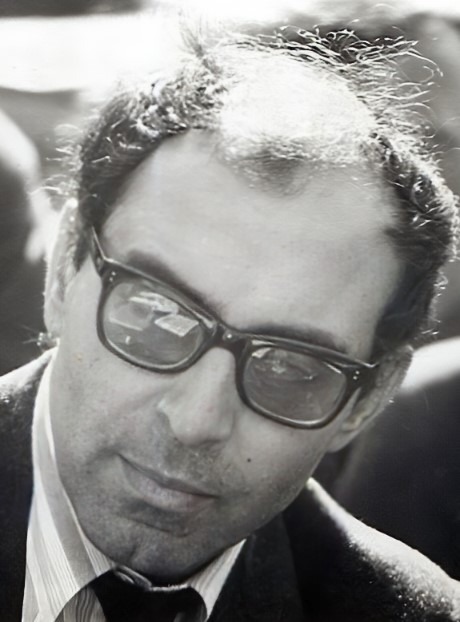
Gary Stevens, Jean-Luc Godard at Berkeley, 1968, CC BY 2.0
John Sears, Kiyoshi Kurosawa at the 2024 Toronto International Film Festival, CC BY-SA 4.0
Related posts