Dramatic Decade: Award-Winning Dramas That Defined the 1960s
You'll find the 1960s revolutionized television through award-winning dramas that pushed creative boundaries. Shows like "The Fugitive" transformed crime narratives, while "Star Trek" tackled social issues through sci-fi storytelling. "Bonanza" redefined Western drama with complex family relationships, and "Dark Shadows" introduced gothic elements to daytime TV. From courtroom tension in "Perry Mason" to the pioneering "Twilight Zone," these innovative series shaped dramatic storytelling for generations to come.
Groundbreaking Crime Narratives: From The Fugitive to Dark Shadows
While the 1960s saw numerous television innovations, crime dramas emerged as a defining force of the decade. You'll find The Fugitive's revolutionary manhunt format laying the groundwork for future crime drama narratives, while Dark Shadows broke new ground by introducing gothic elements and the unforgettable vampire Barnabas Collins into its soap opera format.
Columbo redefined the detective genre by delving deep into human psychology through intricate murder mysteries, while Perry Mason kept viewers on the edge of their seats with gripping legal drama and unexpected courtroom revelations. Dragnet's police procedural format brought unparalleled realism to television, establishing conventions that would influence crime shows for decades to come. Much like how Trucolor technology revolutionized Western films in the previous decade, these pioneering crime series transformed television storytelling, proving that complex narratives could thrive in prime time.
The Evolution of Western Drama Through Bonanza
As television dramas evolved throughout the 1960s, Bonanza emerged as a revolutionary force that reshaped the Western genre. The series stood out from typical TV Westerns by focusing on the Cartwright family's complex relationships rather than predictable shootouts and chase scenes.
The series' three core strengths set it apart: engrossing character development, thoughtful exploration of social issues like racism, and a fresh approach to Western drama. During its impressive 14-season long run on NBC, the show proved that family-centered storytelling could enthrall audiences while tackling meaningful themes. The show's masterful use of natural lighting techniques in its outdoor scenes helped create an authentic frontier atmosphere that enhanced its dramatic storytelling. This evolution helped Bonanza maintain its relevance from 1959 to 1973, demonstrating that Westerns could be more than just action-packed entertainment.
The show's success established a new template for dramatic storytelling that influenced television for years to come.
Breaking Social Barriers in Prime Time Television
The social terrain of 1960s television expanded far beyond Bonanza's pioneering Western format. You'd find revolutionary shows tackling pressing social issues head-on, with The Dick Van Dyke Show challenging traditional gender norms through its portrayal of an equal marriage partnership. Similar to how The Twilight Zone revolutionized social commentary through science fiction storytelling in the previous decade, Star Trek boldly confronted racism, sexism, and Cold War tensions through its sci-fi lens, while I Dream of Jeannie subverted expectations by presenting a powerful female character despite her apparent servitude.
The Monkees broke television conventions with their experimental, self-aware style that questioned established storytelling methods. Meanwhile, The Fugitive resonated deeply with Civil Rights struggles, examining social injustice and individual rights through its protagonist's path. These shows didn't just entertain - they sparked conversations about equality, justice, and social progress that would influence television for decades to come.
Science Fiction's Golden Age: Star Trek and Beyond
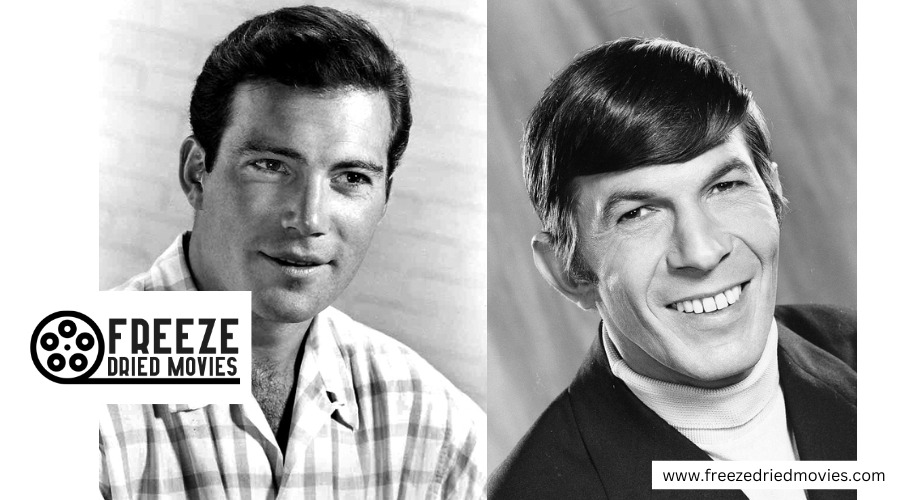
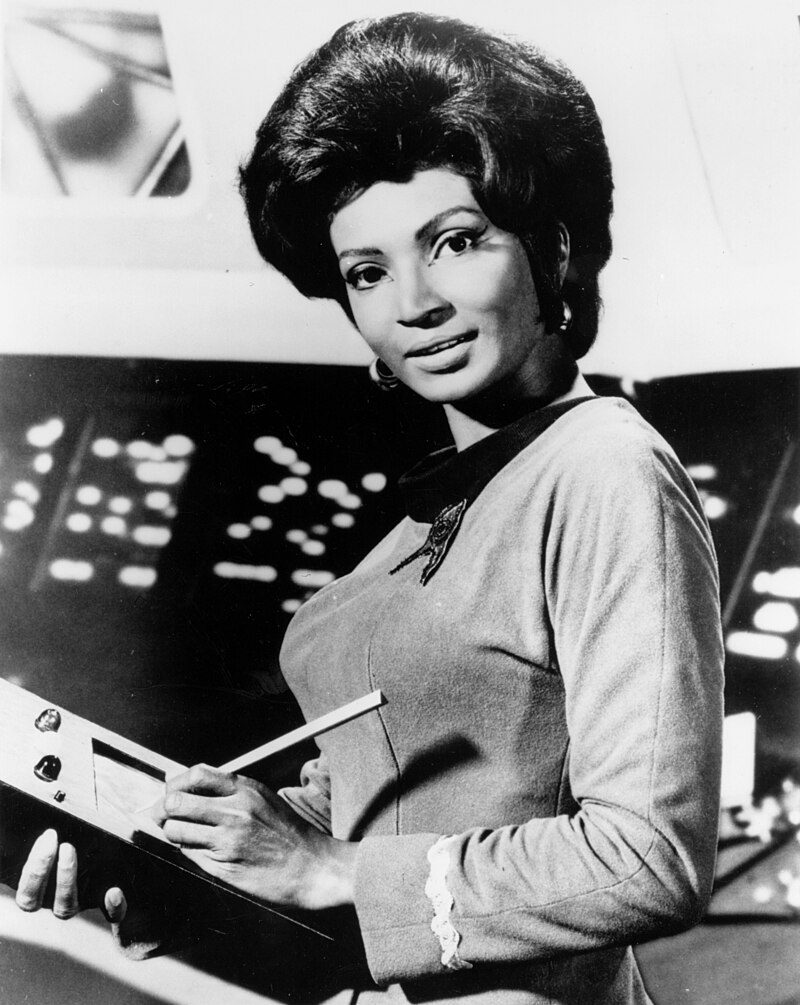
During television's most innovative decade, science fiction programming soared to extraordinary heights, evolving from niche entertainment into mainstream cultural phenomena. You couldn't miss Star Trek: The Original Series, where William Shatner and Leonard Nimoy brought Gene Roddenberry's visionary universe to life aboard the Starship Enterprise. With transformative characters like Lieutenant Uhura, the show tackled social issues through its futuristic lens.
The genre's impact extended beyond Trek, as Rod Serling's Twilight Zone used dark, thought-provoking anthology stories to challenge societal norms. Meanwhile, Doctor Who launched its time-traveling journeys in 1963, beginning a legacy that would span generations. These pioneering shows didn't just entertain - they pushed boundaries, sparked imaginations, and laid the foundation for science fiction's enduring influence on television.
Exploring Family Values Through Small-Town America
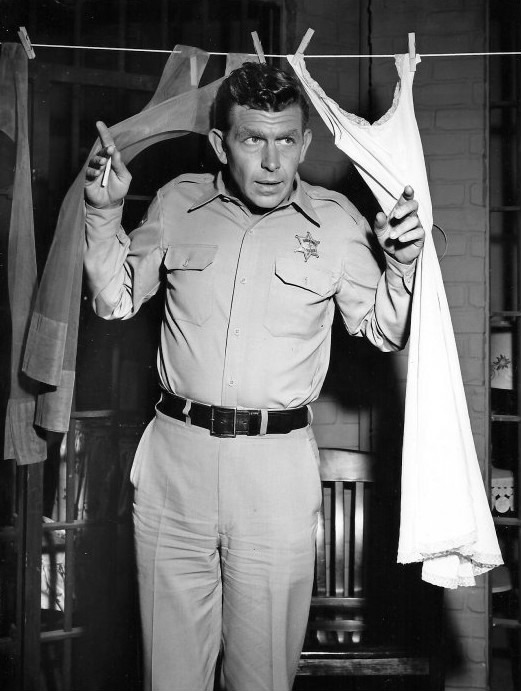
Family values took center stage in 1960s television through wholesome portrayals of small-town life and unconventional households. You'll find the quintessential small-town life in The Andy Griffith Show, where Sheriff Andy Taylor raised his son Opie while teaching precious life lessons in Mayberry.
The era's family dynamics expanded beyond traditional settings, as seen in Gilligan's Island, where castaways formed their own makeshift family. The Beverly Hillbillies captured cultural clash through the Clampett family's fish-out-of-water expeditions in Beverly Hills. Family-friendly comedy took supernatural turns with I Dream of Jeannie's astronaut-genie relationship, while The Munsters proved that even a household of lovable monsters could demonstrate strong interpersonal relationships and family values that appealed to viewers.