A Closer Look at 1930s Horror Films: Classic Scares From the Past

The horror films of the 1930s marked a transformative era, largely due to the advent of sound technology. This decade introduced iconic characters like Dracula and Frankenstein, who remain influential today. Actors Bela Lugosi and Boris Karloff transcended their roles, becoming legends in their own right. What made these films timeless, and how did they reflect the anxieties of their era? Exploring this period reveals the cultural and technological factors that shaped a genre and laid the groundwork for future horror narratives.
Emergence of Sound in Horror
In the 1930s, the advent of sound technology revolutionized horror cinema, fundamentally altering the genre through the power of auditory elements. The transition from silent films to "talkies" marked a significant shift, enabling filmmakers to create more immersive and realistic narratives. The first talking horror film, *Dracula* (1931), exemplifies this transformation. Bela Lugosi's iconic portrayal of the vampire, enhanced by his chilling vocal performance, set a new standard for horror cinema.
Sound effects such as creaking doors, thunderclaps, and eerie music cues created a more engaging and suspenseful experience for audiences. During the Great Depression, when approximately 80 million people attended cinemas weekly, these auditory elements offered a thrilling escape from daily hardships.
Hearing characters vocalize their fears and emotions made the stories more relatable and the terror more palpable. This shift from symbolic storytelling to realistic narratives was crucial in captivating audiences. As you watch these early sound films, you'll notice how the integration of sound technology intensified suspense and fear, making the horror genre more compelling than ever before. Sound wasn't merely an addition; it was a revolution that reshaped horror cinema forever.
Iconic Films of the 1930s
Let's delve into the 1930s, a transformative decade for horror that produced unforgettable classics. Bela Lugosi's portrayal of Dracula defined the archetype of the cinematic vampire, while Boris Karloff's performance as Frankenstein's monster redefined the depiction of both monsters and mad scientists. Additionally, King Kong's innovative special effects and mythic narrative left a lasting impact on both the horror genre and cinematic history.
Bela Lugosi's Dracula Legacy
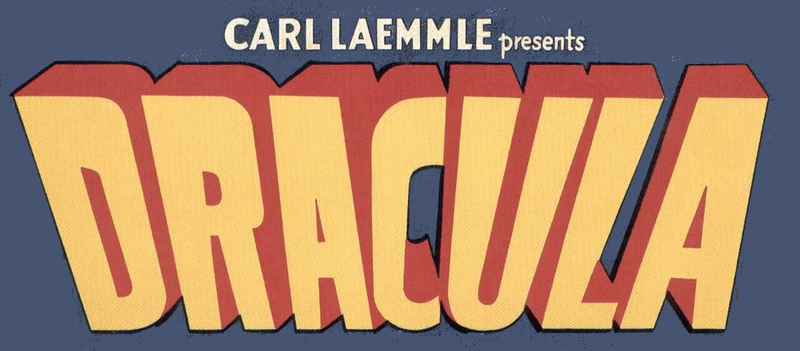
Bela Lugosi's iconic portrayal of Count Dracula in the 1931 film *Dracula* forever transformed the horror genre. Lugosi's performance combined charisma and menace, establishing the archetypical image of the vampire that has influenced countless adaptations. The film marked the advent of talking horror cinema, leveraging sound technology to engage audiences during the Great Depression and revitalizing interest in the genre.
Produced by Universal Pictures under Carl Laemmle Jr., *Dracula* was more than just a film; it laid the foundation for the Universal Monsters franchise. Lugosi's Dracula became a cultural icon, impacting not only horror films but also literature, theater, and television. This legacy endured through successful sequels and spin-offs, such as *Dracula's Daughter* (1936), which delved into themes of vampirism and sexuality.
Key aspects of Bela Lugosi's Dracula legacy include:
- Archetype Creation: Lugosi set the definitive standard for vampire portrayals.
- Technological Milestone: The film pioneered talking horror films, enhancing atmospheric storytelling.
- Cultural Impact: Lugosi's Dracula became a lasting icon, influencing numerous media forms.
Lugosi's performance solidified his legacy, forever shaping the landscape of horror cinema.
Frankenstein's Cinematic Impact
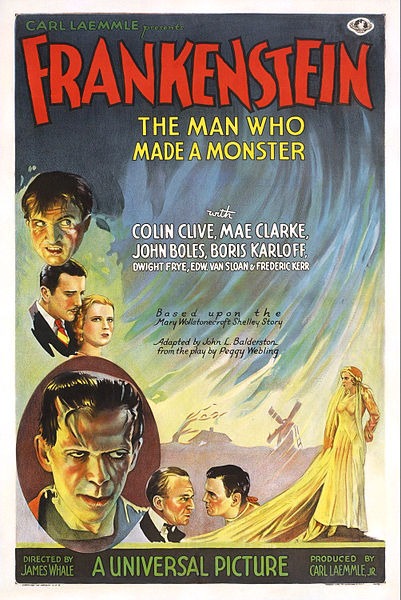
When discussing iconic horror films of the 1930s, *Frankenstein* (1931) undeniably stands out for its profound impact on the genre. Directed by James Whale, this film showcased Boris Karloff's unforgettable portrayal of the Monster, merging horror with a deep sense of pathos. Karloff's performance brought a unique complexity to the character, evoking both fear and sympathy.
*Frankenstein* wasn't just another horror film; it set the groundwork for the Universal Monsters franchise. The story examined themes of creation and monstrosity, presenting mad scientists as figures whose unchecked ambition led to dire consequences. This portrayal influenced countless horror films that followed, embedding ethical dilemmas about scientific inquiry into the genre's core.
The film's success paved the way for the acclaimed sequel, *Bride of Frankenstein* (1935), which further explored the Monster's emotional depth and introduced a blend of camp humor and visual innovation. This sequel cemented the legacy of *Frankenstein*, making the Monster an enduring symbol in horror cinema.
Even today, the cinematic impact of *Frankenstein* resonates, evident in the enduring fascination with Frankenstein-like characters and the ethical questions they raise about creation and scientific responsibility.
King Kong's Cultural Influence
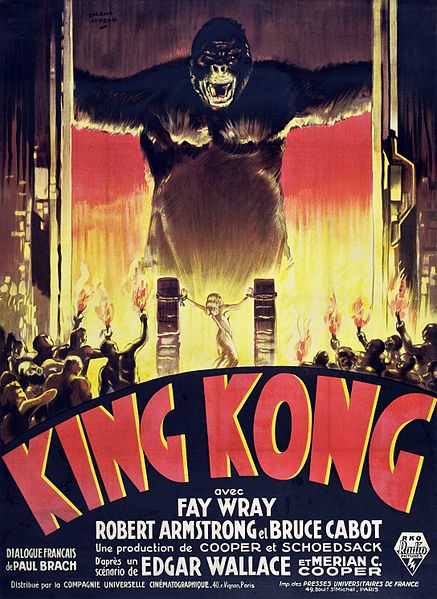
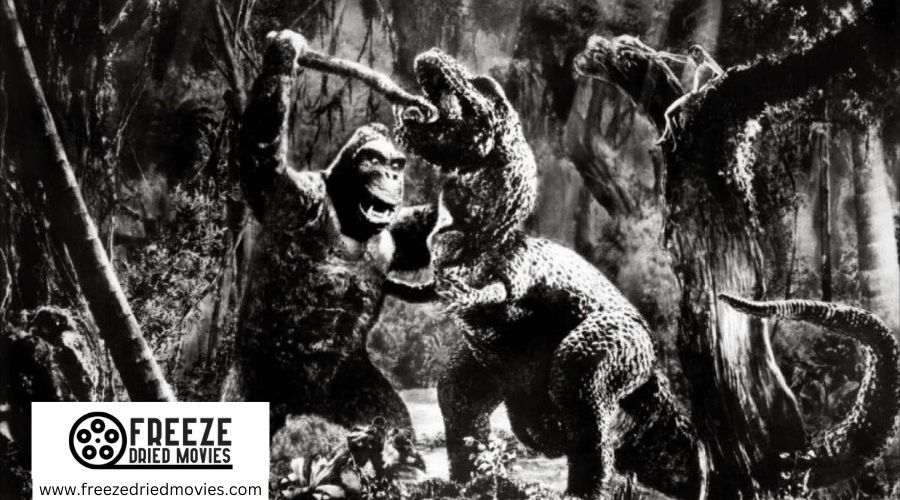
Exploring the iconic world of 1930s horror, *King Kong* (1933) stands out for its groundbreaking special effects and its terrifying giant ape. The film not only saved RKO Pictures from financial collapse but also redefined the horror genre and set new standards for visual storytelling. The innovative use of stop-motion animation brought the giant ape to life, creating timeless scares.
As a cultural phenomenon, *King Kong* has influenced countless monster films and remains a cornerstone in horror cinema. It delves into profound themes such as humanity versus nature and the timeless tale of beauty and the beast, reflecting society's fascination with the 'other.'
Consider these key points to understand its cultural influence:
- Groundbreaking Special Effects: The film's stop-motion animation revolutionized visual storytelling in cinema.
- Monster Film Archetype: *King Kong* established a blueprint for future monster films, leading to numerous remakes and sequels.
- Cultural Impact: Its themes of beauty and the beast and humanity's relationship with nature have resonated through decades, inspiring diverse adaptations and references in popular culture.
*King Kong*'s legacy in horror and film endures, cementing its status as a true classic.
Bela Lugosi's Dracula
In 1931, Bela Lugosi's portrayal of Count Dracula in the film *Dracula* not only established the archetypical image of the vampire but also left an indelible mark on horror cinema. Lugosi's distinctive accent, cape, and hypnotic gaze turned the character into a cultural icon. This film, released on Valentine's Day 1931, marked a notable shift from silent films to sound-driven narratives.
*Dracula* was adapted from the stage play rather than Bram Stoker's original novel, emphasizing theatrical elements and heightening its atmospheric tension. Lugosi's performance defined the character of Dracula, influencing all subsequent portrayals of vampires in both film and literature, cementing his status as a horror legend.
The success of *Dracula* significantly contributed to Universal Studios' establishment as a leading force in horror cinema. The film paved the way for a series of iconic monster films throughout the 1930s, including *Frankenstein* and *The Mummy*. Lugosi's Dracula remains a cornerstone of the genre, showcasing how one actor's portrayal can shape the identity of a character and influence the trajectory of horror films for decades.

Boris Karloff's Frankenstein
Few characters in horror cinema have captured the public's imagination quite like Boris Karloff's portrayal of the Monster in *Frankenstein* (1931). His performance transformed the character into a sympathetic figure, exploring themes of creation and monstrosity that resonated deeply with audiences. Directed by James Whale, *Frankenstein* was far from a simple scare-fest; it blended psychological depth and horror, showcasing the Monster's struggle for acceptance and understanding.
The film's groundbreaking use of special effects and makeup, particularly the iconic look crafted for Karloff, set new standards for visual storytelling in horror films. This achievement can be appreciated in multiple ways:
- Psychological Depth: The Monster's internal conflict made the audience empathize with his plight.
- Special Effects: Cutting-edge makeup techniques created an unforgettable visual impact.
- Commercial Success: Grossing over $1 million during the Great Depression, it proved horror's box office potential.
*Frankenstein*'s legacy continues to influence modern horror, inspiring numerous adaptations, sequels, and references in popular culture. Karloff's performance remains a benchmark, demonstrating the power of deep characterization in horror cinema.
Cultural Impact and Themes
Horror films of the 1930s did more than entertain; they mirrored the societal anxieties of the Great Depression. During a time when weekly cinema attendance reached a staggering 80 million, these films provided essential escapism. Characters like Dracula and Frankenstein's Monster emerged as cultural symbols, exploring themes of monstrosity and the human condition. These iconic figures didn't just frighten; they also reflected deeper fears about creation and existence, influencing future horror portrayals.
The advent of sound technology significantly enhanced storytelling. Films like *Dracula* and *Frankenstein* used sound effects and music to heighten suspense and fear, marking a major evolution in horror cinema. This new technology allowed filmmakers to create a more engaging, terrifying experience, drawing audiences deeper into the narrative.
The Hays Code, implemented in 1934, imposed strict moral guidelines, pushing filmmakers to use symbolism and metaphor to address darker subjects. Movies like *Freaks* and *Bride of Frankenstein* tackled complex social issues such as acceptance and the nature of humanity. These films resonated deeply with audiences, demonstrating that horror could serve as a powerful commentary on societal norms and fears. Through monstrosity and symbolism, 1930s horror films offered both chills and profound reflections on the human condition.
Mad Scientists on Screen
The 1930s' horror films featuring mad scientists mirrored societal anxieties about the swift progress in science. Characters like Dr. Henry Frankenstein in *Frankenstein* (1931) and Dr. Moreau in *Island of Lost Souls* (1932) epitomized the archetype of the mad scientist, pushing ethical boundaries in their relentless pursuit of knowledge. Their unchecked ambition often resulted in catastrophic outcomes, emphasizing the moral dilemmas inherent in playing God.
This theme of isolation and paranoia is vividly portrayed in *The Invisible Man* (1933), where Dr. Jack Griffin's experiments lead him to madness. His descent into insanity highlights the perils of ignoring ethical limits in technological advancements. Similarly, Dr. Jekyll in *Dr. Jekyll and Mr. Hyde* (1931) struggles with the duality of human nature, torn between his civilized self and darker impulses, reflecting the era's fascination with inner conflict and moral ambiguity.
Key elements include:
- Unchecked Ambition: Mad scientists' relentless pursuit of knowledge often leads to dire consequences.
- Ethical Boundaries: These films question the morality of scientific exploration.
- Isolation and Paranoia: Characters frequently face psychological turmoil due to their experiments.
These narratives captured the period's anxiety over rapid scientific advancements and their potential horrors.
Influence of the Hays Code
Implementing the Hays Code on July 1, 1934, reshaped the landscape of horror films by enforcing strict moral guidelines. Horror movies became tamer, with filmmakers turning to symbolic portrayals to navigate sensitive subjects that were once more explicit. This shift led to a decline in creativity and complexity, pushing many productions into B-movie status with lower budgets and constrained artistic freedom.
| Pre-Hays Code | Post-Hays Code | Emotion Evoked |
|---|---|---|
| Explicit Themes | Symbolic Portrayals | Frustration |
| High Creativity | Limited Creativity | Disappointment |
| Complex Narratives | Simplified Stories | Resignation |
| Graphic Violence | Sanitized Content | Discontent |
The Hays Code's restrictions meant that horror films had to adhere to more sanitized content, curbing the depiction of violence, sexuality, and moral ambiguity that characterized earlier works. This sanitization made many films feel less impactful and more predictable. However, as the Code gradually relaxed in the late 1940s, it allowed for a resurgence of creativity in horror, paving the way for more original storytelling in subsequent decades. This period rekindled the genre's potential, setting the stage for future cinematic masterpieces.
Universal Studios' Legacy
Under the leadership of Carl Laemmle Jr., Universal Studios became a powerhouse in the horror genre during the 1930s, producing films that set the standard for early horror cinema. With the release of *Dracula* (1931) and *Frankenstein* (1931), Universal launched the Universal Monsters franchise, forever changing the landscape of horror.
You can't discuss Universal's legacy without mentioning the iconic performances of Bela Lugosi as Count Dracula and Boris Karloff as the Monster. Their portrayals have become benchmarks for the genre, influencing countless horror films and actors. These films didn't just scare audiences; they introduced technological innovations and pioneering storytelling techniques that shaped the future of horror cinema.
Despite their initial successes, Universal faced financial struggles and declared bankruptcy by 1936. However, the studio's 1930s horror films have remained culturally relevant and influential, cementing their place in cinematic history. To understand the depth of Universal's impact, consider these points:
- Iconic Characters: Universal's monsters, like Dracula and Frankenstein's Monster, remain horror icons.
- Innovative Techniques: Pioneering special effects and storytelling methods.
- Enduring Influence: These films set the foundation for future horror cinema.
Universal's legacy in the 1930s horror genre is undeniable, making it a cornerstone of classic horror.
Enduring Influence and Legacy
Horror's timeless appeal owes much to Universal Studios' groundbreaking films of the 1930s. These films introduced foundational tropes and archetypes, with iconic characters like Dracula and Frankenstein's Monster becoming cultural symbols. Universal Studios' *Dracula* (1931) and *Frankenstein* (1931) transformed horror cinema, setting the standard for the genre and sparking a resurgence in monster films, leading to the creation of the Universal Monsters franchise.
The pioneering use of sound in these films enhanced atmosphere and suspense, shaping the future of horror storytelling. Performances by actors like Bela Lugosi and Boris Karloff defined their characters and set benchmarks for future portrayals, influencing generations of filmmakers and actors.
These films also delved into themes like scientific ethics, societal fears, and human monstrosity, establishing the basis for complex narratives that remain relevant today. They reflect ongoing cultural anxieties, ensuring their enduring legacy in horror cinema.
| Film | Iconic Character | Actor |
|---|---|---|
| Dracula (1931) | Dracula | Bela Lugosi |
| Frankenstein (1931) | Frankenstein's Monster | Boris Karloff |
| The Mummy (1932) | Imhotep | Boris Karloff |
These themes and innovations continue to influence modern horror, underscoring the lasting impact of 1930s horror films.