Why Do People Like Horror Movies?
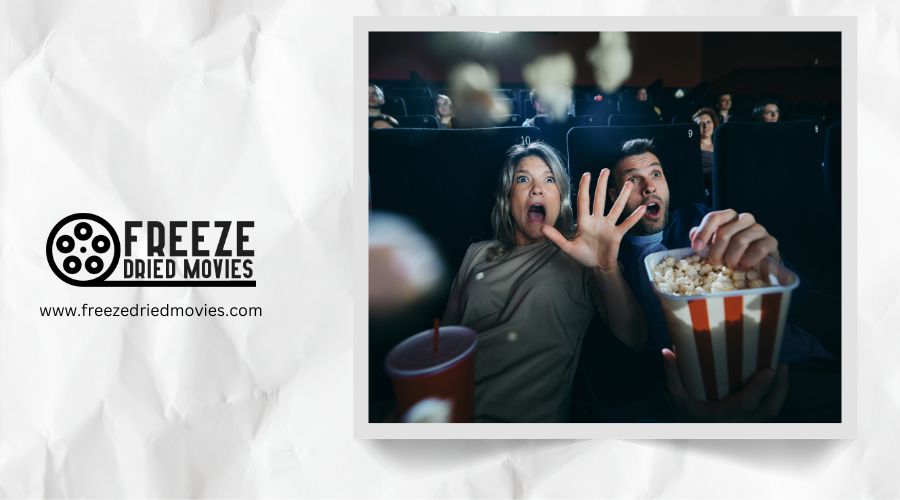
You enjoy horror movies because they trigger your brain's evolutionary fear responses in a safe environment. When watching scary films, you experience an adrenaline rush without any real danger, creating a pleasurable relief when the threat ends. Your personality traits—like sensation-seeking tendencies and empathy levels—affect how much you'll appreciate frightening content.
This psychological thrill can even build emotional resilience while strengthening social bonds when shared with others. The science behind fear's appeal goes much deeper than you might expect.
Key Takeaways
- Horror films trigger evolutionary fear responses while providing the safety of knowing the threat isn't real.
- People experience a pleasurable relief when the movie ends, converting negative emotions to positive ones.
- Individual differences like sensation-seeking tendencies and empathy levels determine horror enjoyment.
- Psychological frames of safety, control, and detachment help viewers manage their fear response.
- Watching horror creates social bonds through shared emotional experiences.
The Evolutionary Roots of Horror Fascination
Three fundamental survival mechanisms underpin our fascination with horror films. Your brain, specifically the amygdala, processes fear and anxiety while watching these movies just as it would during actual threats. This activation isn't accidental—it's deeply rooted in evolutionary psychology.
When you watch a horror film, you're essentially practicing emotional responses that would be valuable in genuine danger situations. Your ancestors who successfully recognized and responded to threats survived to pass on these instincts. Today, you can experience these primal reactions in a controlled environment without real risk.
The shift from fear to relief when the movie ends explains why you might actually enjoy the experience—your brain converts the negative emotions into positive ones once the perceived danger passes. The most effective horror movies maintain suspense and tension throughout the story, keeping your survival instincts constantly engaged.
Protective Frames: How People Enjoy What Should Be Terrifying
While horror movies trigger genuine fear responses, most viewers aren't actually traumatized by them—they're entertained. This paradox exists because you're experiencing terror through protective psychological frames.
The safety frame allows you to enjoy the thrill while knowing the monster can't actually harm you. Similarly, the control frame gives you confidence that you can manage the experience—you can always look away or press pause. For many, the detachment frame provides reassurance that what you're watching is just acting and special effects, not reality.
Your personality heavily influences your horror enjoyment. If you're high in sensation seeking traits, you'll likely find more pleasure in these frightening experiences, while those with higher empathy might struggle to distance themselves from characters' suffering. The jump scares in horror movies also trigger the release of adrenaline and endorphins that can provide health benefits when experienced in moderation.
The Science Behind Fear-Induced Pleasure
Although it seems paradoxical, your brain actually derives genuine pleasure from controlled fear experiences. When you watch horror films, your amygdala—the brain's fear center—activates, triggering physiological responses like shivering and increased heart rate. This initial fear response later transforms into enjoyment through what researchers call the excitation transfer theory: negative emotions during scary scenes convert to positive relief when the threat resolves.
Interestingly, horror fans typically demonstrate greater psychological resilience during stressful times. Your brain fundamentally "practices" fear in a safe environment, potentially building coping mechanisms for real-world anxiety. Gender differences exist too—women generally report more negative emotions from frightening films than men do.
This complex neurological dance between your amygdala and prefrontal cortex explains why the terrifying becomes thrilling. Many horror enthusiasts particularly enjoy the unexpected jump scare moments that evolved from early examples like "Cat People" to become staples in modern entertainment.
Individual Differences in Horror Enjoyment
Beyond the universal brain chemistry that enables fear-based pleasure, your personal psychological makeup substantially determines whether you'll reach for a horror film on movie night. If you're among the sensation seekers who crave novel experiences, you're more likely to enjoy being terrified by the latest psychological thriller.
Your empathy levels play an essential role too—highly empathetic people often find horror films more distressing than enjoyable. Your ability to cope with frightening content depends partly on your sense of control; viewers who feel secure in their environment typically enjoy scary movies more.
Economic factors also influence preferences. You're statistically more likely to enjoy horror if you live in a wealthier country, where the clear boundary between fiction and reality provides a safety buffer for processing fear. The shared experience of watching horror movies with friends or family can create deeper social bonds through collective fear responses.
The Economic Factors Influencing Horror Consumption
Your economic circumstances play into your horror entertainment habits more than you might realize. Research shows that viewers from countries with higher GDP per capita tend to consume horror content more frequently.
This isn't coincidental—greater financial resources provide you with a stronger sense of control when facing simulated dangers.
The horror genre thrives as a business model precisely because of this economic divide. As nations develop economically, their citizens increasingly seek "counterhedonic consumption"—entertainment that deliberately induces negative emotions.
Meanwhile, if you're from a less affluent region, you might find horror less appealing because you have fewer resources to create the psychological safety needed to enjoy being scared.
This economic pattern explains why horror films remain profitable investments despite often receiving poor critical reviews.
Horror Movies as Psychological Therapy
While economic factors shape who consumes horror media, the mental health benefits might explain why people keep coming back for more. Those spine-tingling films you enjoy could actually function as a form of exposure therapy, helping you develop valuable emotional and behavioral coping strategies for real-world anxieties.
Horror films aren't just thrills—they're mental training grounds for life's real fears.
Your psychological responses to horror aren't just about entertainment—they're preparing you for actual stressful situations. Studies have revealed that horror fans demonstrated greater resilience during the COVID-19 pandemic, suggesting these movies build psychological fortitude.
By simulating threatening experiences in a controlled environment, you're fundamentally practicing how to manage genuine fear.
Though more research is needed on horror movies as psychological therapy, evidence indicates they may help you become more emotionally equipped to face life's genuine terrors.
The Dark Side of Curiosity: Exploring Morbid Fascination
As human beings confront their own mortality, a distinct psychological phenomenon emerges—morbid curiosity. This fascination with death, violence, and the macabre isn't necessarily unhealthy; rather, it represents your mind's attempt to process difficult realities.
If you're drawn to horror movies, you might possess higher levels of morbid curiosity, allowing you to explore the dark side of humanity from a safe environment. Research shows you're likely experiencing reduced physiological responses to disturbing content—essentially, you've developed an emotional buffer.
What you're seeking isn't merely shock value. Horror provides you with excitement and a sense of mastery over threatening scenarios. Your attraction to these films satisfies a fundamental desire to understand life's darkest aspects while maintaining psychological distance from genuine danger.