What Horror Movies Are Based on True Stories?
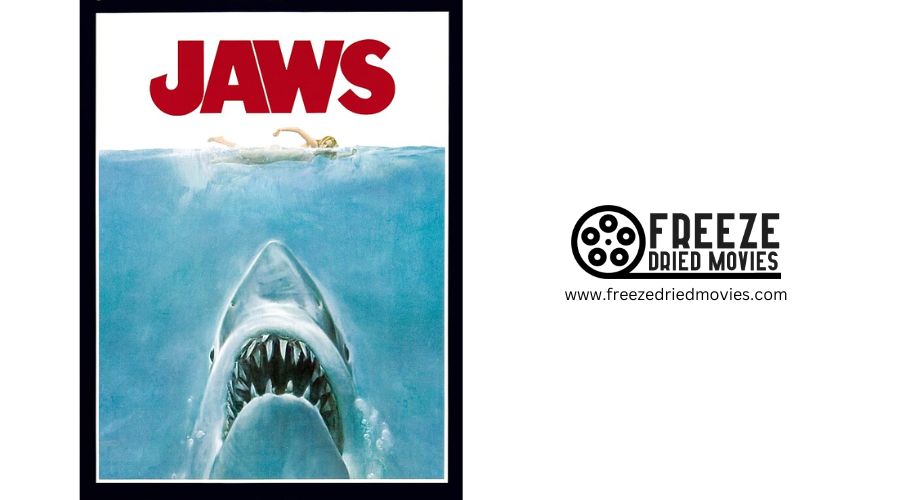
Many horror movies draw inspiration from real events. The Amityville Horror depicts the Lutz family's haunting, while The Conjuring series explores the Warrens' paranormal investigations. Fire in the Sky portrays Travis Walton's alleged alien abduction, and movies like Texas Chainsaw Massacre were influenced by Ed Gein's crimes. You'll find natural terrors too, like Jaws, based on actual shark attacks. The truth behind these films often proves more disturbing than fiction.
Key Takeaways
- "The Amityville Horror" depicts the Lutz family's alleged paranormal experiences in their haunted Long Island home.
- "The Exorcism of Emily Rose" is based on Anneliese Michel's tragic real-life exorcism case.
- "The Texas Chainsaw Massacre" drew inspiration from serial killer Ed Gein's horrific crimes.
- "Fire in the Sky" portrays Travis Walton's famous 1975 alien abduction claim.
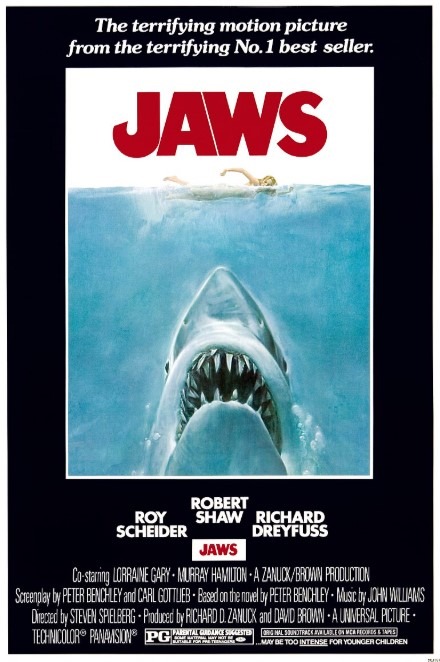
- "Jaws" was inspired by the 1916 New Jersey shark attacks that left four people dead.
The Paranormal Experience: Ghosts and Hauntings on Film
While many horror films rely on fictional monsters, the most chilling often draw from alleged real-life paranormal encounters. You've likely heard of The Amityville Horror, which depicts the Lutz family's terrifying experiences at 112 Ocean Avenue after the DeFeo murders.
The Conjuring universe stands firmly on the case files of paranormal investigators Ed and Lorraine Warren, whose decades of supernatural investigations provide rich source material. The Haunting in Connecticut explores the Snedeker family's ordeal living in a former mortuary with restless spirits.
Even Poltergeist, with its iconic scenes, was inspired by the Hermann family's alleged haunting on Long Island. Winchester brings to life the bizarre tale of Sarah Winchester's never-ending construction project—a house designed with spirits in mind.
Unlike The Stepford Wives, which transformed from Ira Levin's satirical thriller novel into horror-focused films with varying degrees of faithfulness to the source material.
Alien Encounters and Abductions That Inspired Horror
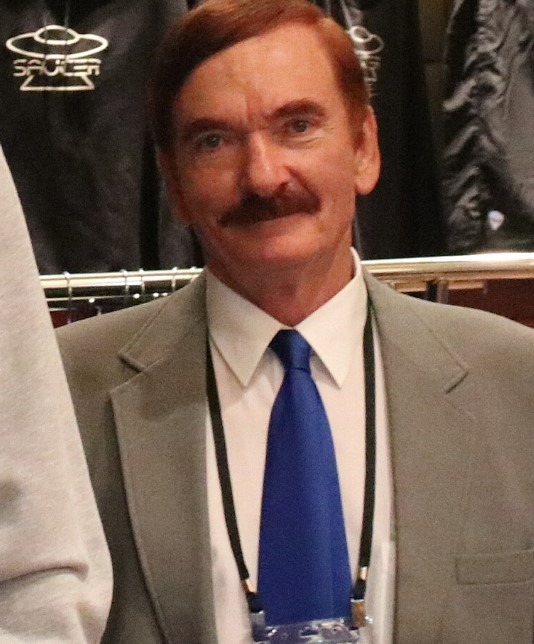
Several disturbing films about extraterrestrial encounters draw from documented claims of real-life alien abductions and UFO sightings. Remarkably, "Fire in the Sky" (1993) depicts Travis Walton's alleged 1975 alien abduction, when he disappeared for five days after encountering a UFO in Arizona.
Unlike supernatural tales like "The Amityville Horror," which centers on haunted houses and demonic possession, alien abduction narratives tap into fears of the unknown beyond our planet.
While cases like Anneliese Michel inspired possession films, Walton's experience remains one of the most famous alien encounter stories adapted for cinema. The paranormal activity portrayed in "Fire in the Sky" differs from earthbound hauntings by suggesting intelligent extraterrestrial beings actively studying humans—a particularly unsettling premise because Walton's case included multiple witnesses to the initial UFO encounter. Similar to Werner Herzog's preference for ecstatic truth over factual accuracy, many alien encounter films blend real testimonies with dramatic embellishments to create more compelling narratives.
When Serial Killers Become Movie Monsters
The transformation of real-life serial killers into cinematic monsters represents one of horror's most disturbing subgenres. You'll find chilling accounts of actual murderers reimagined for the screen, like Ed Gein, whose gruesome crimes inspired The Texas Chainsaw Massacre and its household items made from human remains.
Meanwhile, the unsolved mystery of the Zodiac Killer received meticulous treatment in David Fincher's 2007 procedural thriller.
- Biopics like Monster (2003) and Dahmer (2002) earned critical praise for their unflinching portrayals of notorious killers
- The Exorcism of Emily Rose drew from the true story of Anneliese Michel, who died during an actual exorcism in 1976
- Serial killer narratives often blur the line between true crime documentation and horrific entertainment
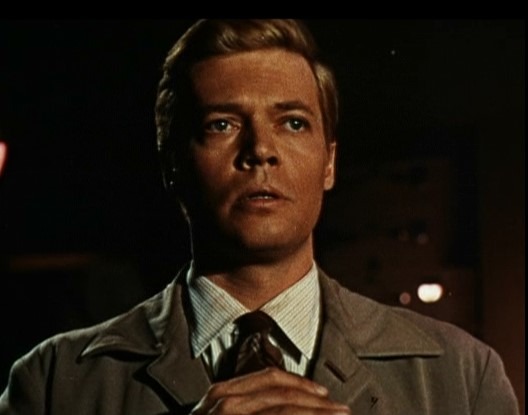
These films owe much to earlier works like Peeping Tom and Psycho, which pioneered killer's perspective shots that would become signature elements in future slasher films based on real-life criminals.
Demonic Possession and Exorcism in Cinema
Beyond real-life serial killers, true horror often lurks in spiritual domains where demonic forces clash with religious defenses. Several horror movies based on true paranormal encounters have terrified audiences while claiming authenticity in their spiritual battles.
The Conjuring franchise draws directly from Ed and Lorraine Warren's case files, documenting their investigations of the Amityville horror and Enfield poltergeist. Similarly, The Exorcism of Emily Rose portrays the tragic true crime case of Anneliese Michel, who died during an actual exorcism in 1976.
Other films mining spiritual terrors include The Rite, inspired by a Vatican-certified exorcist's experiences, The Possession, originating from a supposedly haunted "dybbuk box" sold on eBay, and Deliver Us From Evil, based on a New York cop's encounters with unexplainable phenomena.
Films like It's Alive (1974) used cult horror classics to mix terrifying premises with deep social commentary about parental fears and environmental concerns.
Natural Terrors: Animal Attacks on the Big Screen
While supernatural entities and human killers populate many horror films, nature itself has inspired some of cinema's most terrifying tales based on actual events. Movies like "Jaws" (1975) bring true horror to life, drawing from the 1916 New Jersey shark attacks that left beachgoers terrified.
Nature's wrath delivers more terrifying truths than any fictional monster, as real-life animal attacks become cinema's most haunting stories.
You'll find these films based on actual animal attacks particularly chilling because they remind us that real killers lurk in natural environments, from the Great Barrier Reef to America's national parks.
- "The Grey" (2011) depicts the true horror of wolf attacks that have claimed lives in Alaska's remote wilderness
- "Black Water" (2007) recreates a deadly 2003 crocodile attack in Australia's northern territory
- "Grizzly" (1976) draws from a tragic 1967 bear attack story that shocked Glacier National Park visitors
Shocking Crime-Based Horror That Really Happened
Many crime-based horror films draw their most disturbing elements from actual events, creating an unsettling viewing experience where you can't simply dismiss the terror as fiction. Zodiac (2007) meticulously chronicles the infamous serial killer who eluded capture while terrorizing San Francisco.
Monster (2003) portrays Aileen Wuornos's disturbing transformation into a murderer, while Dahmer (2002) explores the psychology behind one of America's most notorious killers.
The Exorcism of Emily Rose (2005) presents a fictionalized account of Anneliese Michel's tragic case, where priests were charged with negligent homicide. Meanwhile, Borderland (2007) reveals the horrifying reality of human sacrifice in a cult led by a serial killer.
All these films share DNA with serial killer Ed Gein, whose crimes based on real-life atrocities have inspired countless horror classics.
The Psychology Behind True-Story Horror Films
Why do true-story horror films chill us to the bone in ways purely fictional ones often can't? When you watch Jake Gyllenhaal in "Portrait of a Serial" killer, you're experiencing a psychological phenomenon where reality and fiction merge.
Much like scuba diving into the depths of human darkness, these films tap into our innate fascination with the macabre.
- They create authenticity that heightens emotional impact—when you know "this actually happened," fear becomes more visceral
- They satisfy our curiosity about real psychological motivations behind horrific acts
- They blur boundaries between fact and fiction, making you question what's real
Cult Activities and Ritualistic Murders in Horror
Horror films delving into cult activities and ritualistic murders tap into our primal fears of manipulation and ceremonial violence. Films like "The Sacrament" (2013) are directly based on actual events—in this case, the Jonestown massacre where over 900 cult members died in a mass murder-suicide.
"Borderland" (2007) draws from Mexican cult leader Adolfo Constanzo's horrific ritualistic human sacrifices, while "The Exorcism of Emily Rose" portrays the tragic case of a young German woman, Anneliese Michel, who died during an exorcism.
Unlike "Texas Chainsaw" and other fictional horrors, these films derive their terror from documented tragedies. Even "Compliance" (2012) shows how ordinary people can be manipulated into committing disturbing acts—no political cartoonist Robert Graysmith could imagine horrors more unsettling than these real-life events.
How Filmmakers Transform Real Events Into Nightmares
The transformation from historical event to silver screen nightmare requires filmmakers to walk a delicate line between truth and terror. When directors adapt true stories like the haunting of a farmhouse in Rhode Island or the cases of investigators Ed and Lorraine, they amplify reality's darkness with cinematic techniques.
You'll notice these adaptations employ several powerful strategies:
- Converting puzzles and coded messages from real crimes into narrative hooks that keep you invested
- Taking tragic realities (like victims who died from malnutrition) and framing them within supernatural contexts
- Transforming subtle, psychological horrors from books like "Things Cease to Appear" into visceral jump scares
This alchemical process turns documented events into experiences that terrify in ways reality alone cannot, creating a heightened emotional impact that resonates long after the credits roll.