The Transition From Silent Films to Talkies in the 1930S
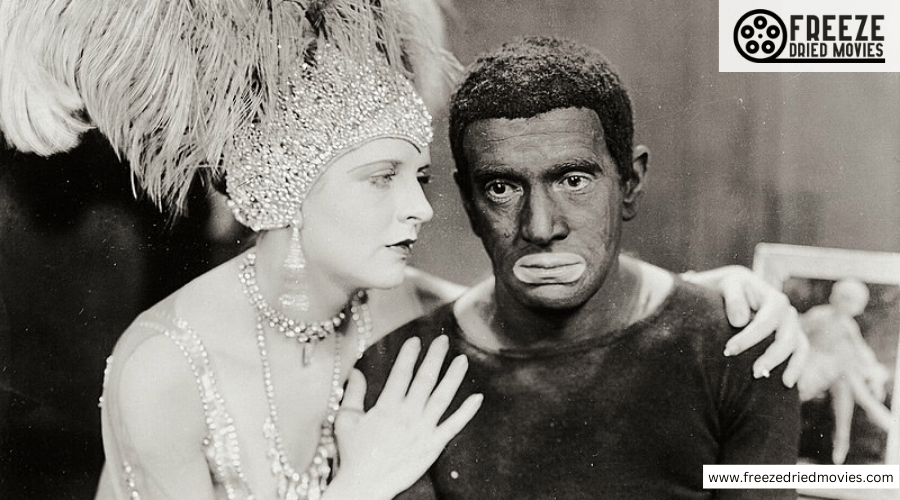
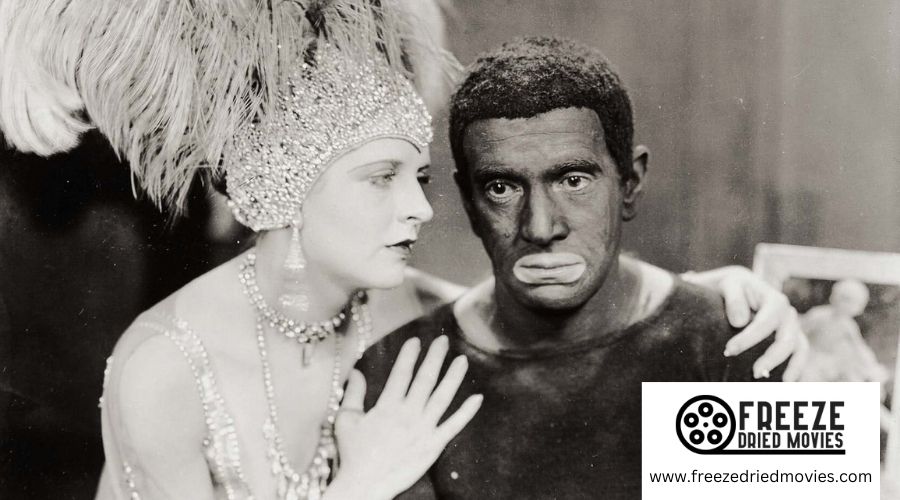
Imagine yourself in the late 1920s, witnessing a seismic shift in the cinematic landscape with the release of "The Jazz Singer." This milestone wasn't just about adding sound; it fundamentally altered the nature of storytelling. Silent film actors who had previously thrived often struggled to adapt, while new stars with compelling vocal abilities emerged. The technological transition posed significant challenges, forcing the industry to adapt swiftly. This transformation had far-reaching implications for global cinema, profoundly influencing audience reactions and shaping the future of Hollywood.
Evolution of Sound Cinema
The evolution of sound cinema revolutionized the film industry, beginning with the groundbreaking success of "The Jazz Singer" in 1927. This film was the first feature-length talkie to incorporate synchronized music and dialogue, marking a pivotal shift to sound in filmmaking. Its debut captivated audiences and set the stage for a seismic change in how films were produced and experienced.
By 1930, nearly 97% of American films were talkies, highlighting the rapid adoption of sound technology. Early sound films like "Lights of New York" (1928) demonstrated the industry's commitment to sound-driven narratives. Despite initial technical challenges, these early sound films laid the groundwork for future advancements.
Disney's 1928 animated short "Steamboat Willie" also played a significant role by introducing synchronized sound in animation, further popularizing the concept. These early efforts faced challenges such as suboptimal audio quality, but they were crucial in transitioning the industry from silent films to talkies.
The shift to sound was not merely a technological upgrade; it fundamentally altered storytelling in cinema. The era of silent films gave way to a new, dynamic form of entertainment that continues to evolve today.
Milestones in Sound Adoption

Milestones in Sound Adoption: A Rapid Evolution in Cinema
Building on the technological advancements discussed earlier, let's delve into the key milestones in the adoption of sound cinema. "The Jazz Singer," released in 1927, was not just a momentary success; it ignited an industry-wide revolution. This film became the first feature-length movie to feature synchronized music and dialogue, achieving unprecedented commercial success and marking the beginning of the transition from silent films to talking pictures. It demonstrated the immense potential of sound technology in the film industry.
By 1928, "Lights of New York" emerged as the first all-talking full-length feature film, showcasing the rapid acceptance of sound by the industry. The change was swift and sweeping. In 1927, only 2.3% of American films incorporated sound. However, by 1929, this figure skyrocketed to 71.8%, indicating a swift movement towards talkies. By 1930, an impressive 96.9% of American films were talking pictures, showcasing the near-complete dominance of sound cinema within just a few years.
Key milestones in sound adoption:
- Release of "The Jazz Singer" in 1927
- "Lights of New York" as the first all-talking film in 1928
- 71.8% of films featuring sound by 1929
- 96.9% of films being talkies by 1930
- Rapid adoption in the UK, slower in Japan
These milestones underscore the rapid and transformative impact of sound technology on the film industry, leading to a near-complete shift to talking pictures within a remarkably short period.
Global Adoption of Talkies
The U.S. rapidly adopted talkies, with nearly all American films featuring sound by 1930. Europe's major players like the UK, France, and Italy swiftly followed suit, incorporating sound technology within a few years. Japan, however, took longer, with the majority of its films adapting to sound only by 1940.
Rapid U.S. Adoption
By 1927, only 2.3% of American films included sound, but this figure skyrocketed to 71.8% by 1929, showcasing a meteoric rise in the adoption of talkies within the U.S. film industry. This rapid adoption of sound technology fundamentally transformed cinematic production, leaving silent films behind almost overnight. By 1930, a staggering 96.9% of American films were classified as talkies, highlighting just how quickly the industry embraced this new era.
The swift shift wasn't solely driven by technology; it also reflected a significant change in audience expectations and filmmaking practices. The American film industry quickly recognized the potential of talkies to create more engaging and captivating experiences for viewers.
Key factors driving this rapid adoption included:
- Audience Demand: Viewers quickly preferred talkies over silent films.
- Technological Advancements: Rapid improvements in sound technology made talkies feasible.
- Economic Incentives: Studios saw increased revenue from talkies.
- Cultural Impact: Talkies became a cultural phenomenon, driving further adoption.
- Industry Influence: Hollywood's leadership in global cinema pushed rapid adoption.
This period marked a crucial moment in cinema history, setting the stage for the future of filmmaking and storytelling.
European Transition Timeline
The rapid adoption of talkies in the U.S. set a precedent that quickly rippled across the Atlantic. Europe eagerly followed suit, with the UK leading the charge by adopting sound technology shortly after the U.S. By 1929, a significant percentage of films in the UK had transitioned from silent films to talkies. This swift shift was driven by the commercial success of American films, which demonstrated the lucrative potential of sound films.
In 1930, France and Italy also transitioned to sound technology, marking a decisive change in their film markets. The need to compete with the influx of American films prompted local studios to invest heavily in sound production. This period marked the beginning of a new phase in European cinema, effectively signaling the end of the silent film era.
| Year | Country | Percentage of Sound Films |
|---|---|---|
| 1927 | U.S. | 2.3% |
| 1929 | U.K. | Significant |
| 1930 | France | Swift Shift |
| 1930 | Italy | Swift Shift |
In contrast, Japan lagged behind, not achieving a majority of sound films until 1940. This stark difference underscores how Europe's rapid transition was influenced by the immediate commercial success and technological advancements seen in American films.
Japan's Slow Shift
Why did Japan take so long to adopt sound technology in cinema? The transition from silent films to talkies in Japan lagged behind other countries, with sound films only becoming the majority by 1940. Several factors contributed to this slow change.
- Technological limitations: Early Japanese sound films faced challenges with inadequate synchronized sound systems compared to Hollywood.
- Cautious industry approach: By 1929, only a small percentage of Japanese films included sound, reflecting the film industry's hesitance to fully embrace the new technology.
- Cultural preferences: Audiences and filmmakers were deeply attached to the traditions of silent cinema, where live narrators known as "benshi" played a significant role.
- Economic factors: The cost of upgrading equipment and theaters to accommodate sound technology was a significant barrier.
- Global contrast: While Japan was slow to shift to talkies, the United States and Europe rapidly adopted sound films in the late 1920s and early 1930s.
Despite the delay, the eventual integration of sound technology in Japan had a profound impact. It transformed storytelling methods and production styles, marking a significant evolution in the Japanese film industry. The slow adoption also highlighted the unique cultural and economic landscapes shaping Japan's cinematic history.
Silent to Sound Challenges
Shifting from silent films to talkies wasn't just a technological change; it transformed the entire filmmaking process and posed numerous challenges. Silent film actors, accustomed to expressive gestures, faced hurdles as their voices often didn't match their established personas, leading to audience disappointment and forcing many actors to adapt or leave the industry.
The early recording process created another set of challenges. Filmmakers had to construct soundproof sets because the equipment generated noise that restricted camera movement, stifling the dynamic cinematography characteristic of silent films.
| Challenge | Description | Impact |
|---|---|---|
| Silent to Sound | Shift from silent to sound films | Actors' voices didn't match personas |
| Early Recording | Noisy equipment | Limited camera movement |
| Sound Systems | Investment in new technology | Required significant financial outlay |
| Sound Technology | Hollow and tinny audio quality | Degraded cinematic experience |
| Production Demands | Increased number of talkies by 1930 | Urgency to adapt to new production standards |
Early sound technology often produced hollow and tinny audio quality, making films less engaging. Studios invested heavily in advanced sound systems to improve this, but the rapid increase in talkie production—96.9% of American films by 1930—demanded continuous adaptation. This shift fundamentally redefined filmmaking, requiring new skills and technologies.
Impact on Actors' Careers
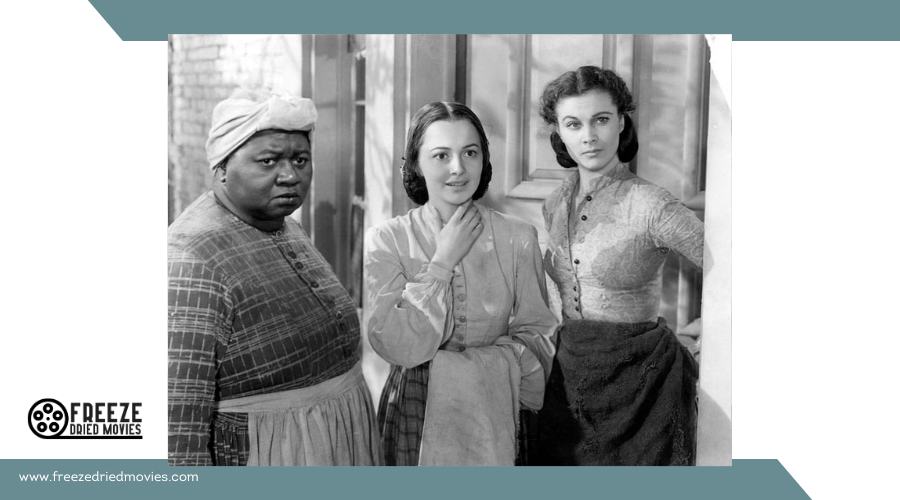
The transition to sound films significantly impacted many actors' careers. Silent film stars like Vilma Bánky and John Gilbert struggled due to voices that were not well-suited for sound films, leading to their decline. Conversely, new stars such as Joan Crawford and Greta Garbo flourished, captivating audiences with their distinct vocal talents.

Voice Mismatches Challenges
The transition from silent films to talkies presented significant challenges for many actors, primarily due to voice mismatches. During the silent film era, actors like John Gilbert captivated audiences with their expressive faces and dramatic gestures. However, the advent of talkies exposed vocal qualities that did not align with their established personas. Gilbert, for example, had a high-pitched voice that clashed with his image as a romantic leading man, which severely impacted his career.
Similarly, Vilma Bánky struggled due to her accent, which did not resonate well with audiences accustomed to the new sound technology. The shift to sound films was unkind to many silent film stars, causing their popularity to wane as they struggled to meet these new demands.
- Voice mismatches: Some actors' voices clashed with their established personas.
- Recording technology: Early sound recording amplified vocal flaws.
- John Gilbert: His high-pitched voice hindered his transition to talkies.
- Vilma Bánky: Her accent did not appeal to sound film audiences.
- Joan Crawford: Successfully adapted and thrived in the talkie era.
Despite these challenges, some stars like Joan Crawford and Greta Garbo thrived. They utilized their vocal talents to enhance their appeal and secure significant roles, demonstrating that adaptability was crucial in the evolving cinematic landscape.
New Stars Emerged
Adaptability became a critical asset as the film industry transitioned from silent films to talkies, allowing new stars to emerge and captivate audiences. Many silent film actors struggled with the shift because their voices did not match their established onscreen personas. This mismatch often led to a decline in their popularity. For example, silent film star John Gilbert faced career setbacks due to his voice, which negatively impacted the reception of his initial talkie films.
However, the change wasn't detrimental to everyone. Actors like Joan Crawford and Greta Garbo successfully adapted, leveraging their distinctive voices to enhance their appeal. Garbo's voice, in particular, captivated audiences and earned her an Academy Award nomination, solidifying her status as one of Hollywood's new stars.
The shift in audience preferences during the transition period resulted in the decline of many silent film stars. By the early 1930s, the vocal talents of emerging actors became a critical factor in their popularity. The film industry welcomed these new stars, who could captivate audiences with both their performances and their voices, marking a significant shift in Hollywood's landscape.
Technological Innovations
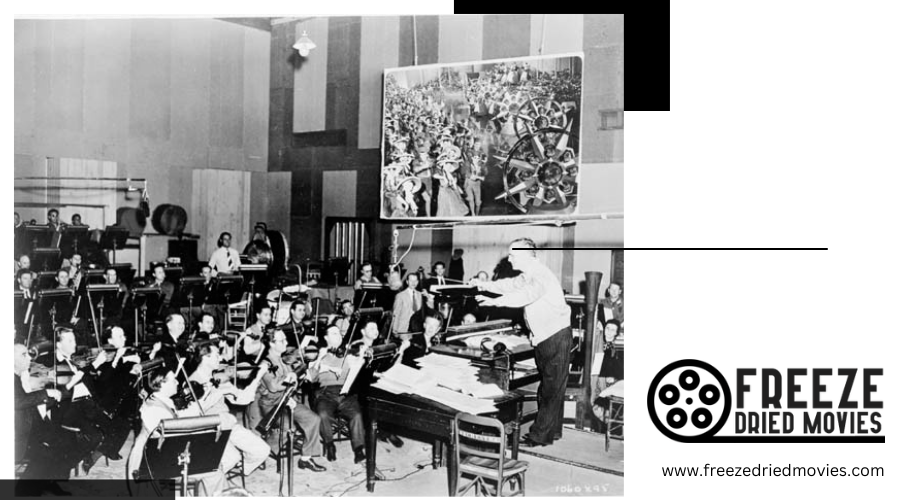
Imagine being in a theater in 1926 and witnessing the magic of synchronized sound and film for the first time. This groundbreaking moment was made possible by the Vitaphone sound system developed by Warner Brothers, marking a pivotal technological advancement in film history. The era of silent films was transitioning to talking pictures, thanks to early sound technology.
The journey to this milestone was not straightforward. Innovators like Lee de Forest played a crucial role with his Audion amplifier tube and Phonofilm system, despite initial skepticism and limited success. The real breakthrough arrived with sound-on-disc technology, exemplified by "The Jazz Singer," which seamlessly integrated music and dialogue, forever changing movie production and audience experiences.

However, this leap in technology brought its own set of challenges:
- Studios had to invest significantly in sound recording equipment.
- Filmmakers needed soundproof sets to accommodate the new technology.
- Early sound equipment was cumbersome and noisy.
- Camera movement became restricted, altering storytelling techniques.
- The industry faced a steep learning curve adapting to these innovations.
These technological advancements laid the foundation for the evolution of talking pictures, shaping the future of cinema in ways that continue to resonate today.
Audience Reception and Trends
Technological advancements revolutionized filmmaking, but audience reception significantly shaped the era of talkies. In the early sound era, your expectations as a viewer evolved dramatically. Suddenly, you weren't just watching silent actors; you were hearing their voices, adding depth to the storytelling. This shift led to a surge in talking pictures, with nearly 97% of American films being talkies by 1930.
Despite the economic hardships of the Great Depression, the need for cinematic escapism was undeniable. Around 85 million Americans flocked to theaters weekly, seeking comfort in the magic of sound films. However, the oversaturation of musicals during this time led to audience fatigue. Some theaters even advertised themselves as "Not a musical" to attract viewers, highlighting how crucial your reception was in shaping film trends.
The evolution of sound technology and narrative techniques didn't just change movies; it revitalized the entire industry. Improved audio experiences met your growing expectations, resulting in higher film quality and increased engagement. This period marked a significant shift, demonstrating how vital your preferences were in driving the rapid acceptance and development of talkies.