The Top 1930s Movie Franchises: Early Blockbuster Hits
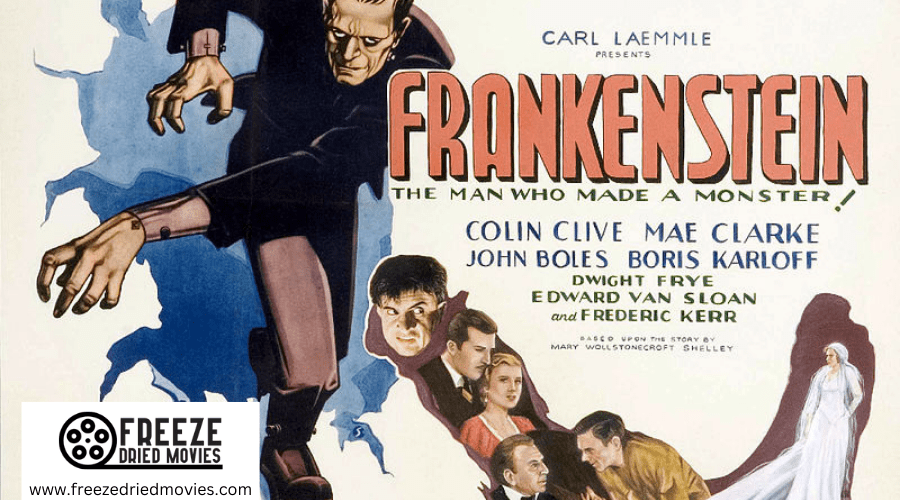
The 1930s set the stage for some of the earliest and most influential movie franchises. Films like "Frankenstein" and "The Thin Man" didn't just entertain; they introduced groundbreaking storytelling techniques that reflected the period's societal challenges, such as the Great Depression. These franchises captivated audiences with unforgettable characters and narratives, proving that even in tough times, cinema could be a powerful escape. But what made these films resonate so deeply, and how did they shape the future of Hollywood? Let's investigate the elements that made these early blockbusters timeless.
Highest Grossing Films of 1934
In 1934, the film industry witnessed a diverse array of high-earning movies that captivated audiences and marked a successful year in cinema. Leading the pack was "Bright Eyes," starring the endearing Shirley Temple. Her performance not only won hearts but also dominated the box office, making it the standout film of the year.
Warner Bros. significantly contributed to the year's success with hits like "Viva Villa!" and "The Charge of the Light Brigade." These films not only entertained but also secured top spots in box office earnings, showcasing Warner Bros.'s ability to produce engaging and successful content.
MGM also had a stellar year, with "Wife vs. Secretary" playing a crucial role in maintaining the studio's market dominance. Another MGM standout, "Romeo and Juliet," captivated moviegoers and earned its place among the highest grossing films of 1934.
United Artists made a significant impact with "Dodsworth," a film that garnered considerable attention and performed admirably at the box office. The variety of top-performing films in 1934 highlighted the diverse storytelling that resonated with audiences, making it a memorable year in cinematic history.
Financial Performance of Notable Films
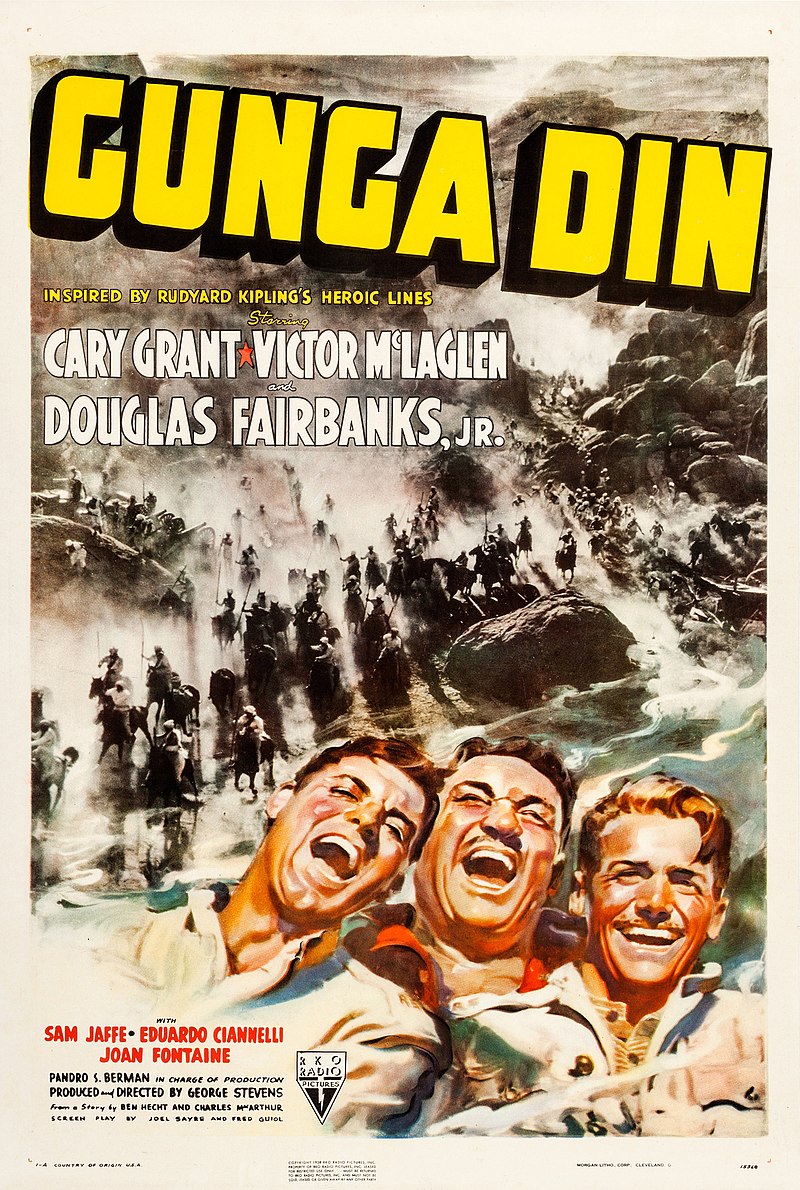
In examining the financial performance of notable films from the 1930s, several titles stand out for their impressive box office numbers. "Goodbye, Mr. Chips" grossed $6.75 million, marking a significant success for MGM. Meanwhile, "The Hunchback of Notre Dame" earned $3.25 million for RKO. Other major hits of the era, such as "Gunga Din," "Ninotchka," and "The Women," also achieved substantial earnings, highlighting the lucrative nature of the decade's film industry.
Major Box Office Hits
Exploring the major box office hits of the 1930s reveals some remarkable financial performances that defined the era. "Stanley and Livingstone" led the way with an impressive $8,000,000 gross, establishing 20th Century Fox as a powerhouse in the industry. This film, along with others, showcased the dynamic range and widespread appeal of 1930s cinema.
MGM's productions also made a significant impact. "Goodbye, Mr. Chips" grossed $6,750,000, marking it as one of the highest-grossing films of the decade. Meanwhile, "Another Thin Man" brought in $6,090,000, further solidifying MGM's dominance at the box office.
RKO's "The Hunchback of Notre Dame" earned $3,252,000, cementing its place among the major box office hits of the 1930s. Universal's "Destry Rides Again," a popular Western, reported earnings of $2,900,000, contributing to the trend of successful genre films during this period.
These financial performances highlight the diversity and profitability of 1930s cinema, with each studio contributing to a lively and competitive industry. The impressive earnings of these films underscore their lasting impact and the early development of blockbuster hits, paving the way for future cinematic successes.
Revenue Highlights 1930s Films
Examining the financial performance of notable films from the 1930s reveals several standout titles that achieved remarkable revenue figures. "Stanley and Livingstone" from 20th Century Fox grossed an astounding $8,000,000, making it one of the decade's blockbuster hits.
MGM's "Goodbye, Mr. Chips" followed closely with an impressive $6,750,000, cementing its place as one of the studio's top earners. This film not only captured audiences' hearts but also made significant strides in box office performance.
RKO also saw substantial success with "The Hunchback of Notre Dame," which grossed $3,252,000, and "Gunga Din," which earned $2,807,000. These figures underscored RKO's knack for creating films that resonated well with the public.
Additional hits from MGM included "Ninotchka," which garnered $2,279,000, and "The Women," which grossed $2,270,000. Both films showcased MGM's consistent ability to produce financially successful movies.
- "Stanley and Livingstone": $8,000,000
- "Goodbye, Mr. Chips": $6,750,000
- "The Hunchback of Notre Dame": $3,252,000
- "Gunga Din": $2,807,000
- "Ninotchka": $2,279,000
- "The Women": $2,270,000
Additional Successful Films
Success in the 1930s film industry wasn't confined to major blockbusters alone; several other movies also made their mark. "Stanley and Livingstone" from 20th Century Fox demonstrated substantial profitability, grossing $8,000,000 in 1934. Despite the challenges posed by the Great Depression, these films managed to captivate audiences and generate impressive revenues.
Another standout was "Goodbye, Mr. Chips," released by MGM, which earned a notable gross of $6,750,000. This film showcased the studio's dominance that year, proving that MGM could consistently deliver hits. Similarly, "Another Thin Man," another MGM release, performed exceptionally well at the box office, grossing $6,090,000. MGM's knack for producing engaging content clearly resonated with viewers.
Paramount's "Union Pacific" added to the list of successful films, earning $5,550,000. This production illustrated Paramount's ability to create compelling stories that drew in crowds, even during tough economic times. Finally, "Drums Along the Mohawk," also from 20th Century Fox, achieved considerable success, grossing $2,000,000. These films collectively demonstrate that the 1930s film industry was lively and resilient, even amidst the Great Depression.
Contributions of Key Studios

The cinematic success of the 1930s cannot be fully appreciated without recognizing the contributions of key studios. Warner Bros. led the charge with high-grossing films like "Viva Villa!" and "The Charge of the Light Brigade," enhancing the studio's financial success and cementing its reputation for producing some of the greatest films ever made.
MGM dominated the box office with hits like "Goodbye, Mr. Chips," which grossed an impressive $6,750,000. Their lineup showcased why MGM was considered a leading force in Hollywood, consistently delivering some of the most memorable films of the age.
RKO made a notable impact with "The Hunchback of Notre Dame," earning $3,252,000. This film exemplified the studio's ability to contribute significantly to the cinematic landscape of the 1930s.
20th Century Fox and Paramount also played crucial roles. "Stanley and Livingstone" (Fox) and "Union Pacific" (Paramount) both achieved remarkable earnings, further solidifying the decade as a transformative time for cinema.
Major Awards and Recognition
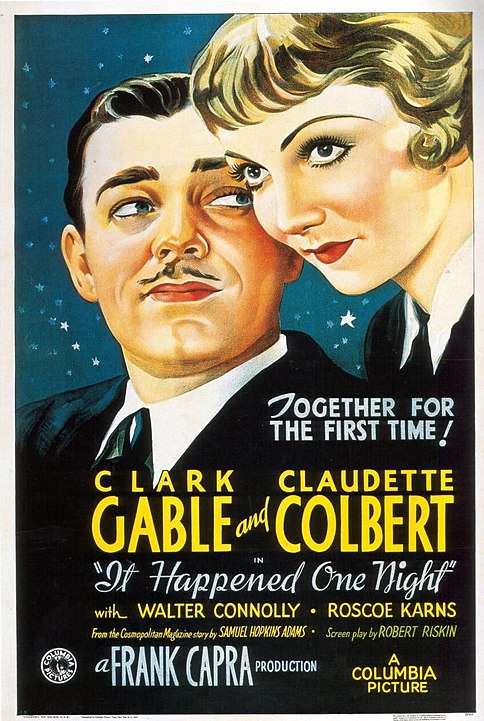
You can't discuss 1930s movie franchises without acknowledging their major awards and recognition. Films like *Gone with the Wind* and *It Happened One Night* set records at the Academy Awards, showcasing their monumental status in cinema. Even *The Wizard of Oz* and *Frankenstein* received critical acclaim, underscoring their lasting cultural impacts.
Academy Award Achievements
The 1930s were a golden era for cinema, marked by numerous films achieving prestigious Academy Awards and critical acclaim. "Gone with the Wind" stands out, winning 10 Oscars out of 13 nominations, including the coveted Best Picture award. This film not only dominated the awards scene but also set a high bar for future productions.
Another significant achievement came from "It Happened One Night," which swept the 1935 Oscars by winning five major awards: Best Picture, Best Director, Best Actor, Best Actress, and Best Adapted Screenplay. This film's success marked a groundbreaking moment in cinema history.
"Mr. Smith Goes to Washington" also made a notable impact, receiving 11 nominations and cementing its place as a classic in American cinema.
Other notable mentions include:
- "The Hunchback of Notre Dame," which earned a nomination for Best Score, highlighting its musical excellence.
- "The Thin Man," nominated for Best Adapted Screenplay in 1935, showcasing its strong dialogue and story adaptation.
These accolades underscore the high caliber of 1930s cinema.
Cultural Impact Analysis
Recognition at prestigious awards ceremonies during the 1930s underscored the era's significant cultural impact. Films like "Gone with the Wind" not only captivated audiences but also dominated the Academy Awards, winning 10 out of 13 nominations, including Best Picture. Its sweeping narrative and historical context cemented its place as a cultural milestone.
The profound cultural impact extended to other genres as well. "Frankenstein" received critical acclaim, setting the stage for future horror films and influencing countless directors. Its success demonstrated that genre films could achieve both commercial success and critical recognition.
Romantic comedies also had their moment with "It Happened One Night," which won five Academy Awards, including Best Picture. Its blend of humor and romance resonated with audiences, making it a timeless classic.
Other major titles like "The Wizard of Oz" and "Mr. Smith Goes to Washington" further showcased the era's cultural significance, receiving multiple nominations. The lasting legacy of these films highlights their influence on the cinematic landscape of the 1930s and beyond.
Cultural Impact of Films
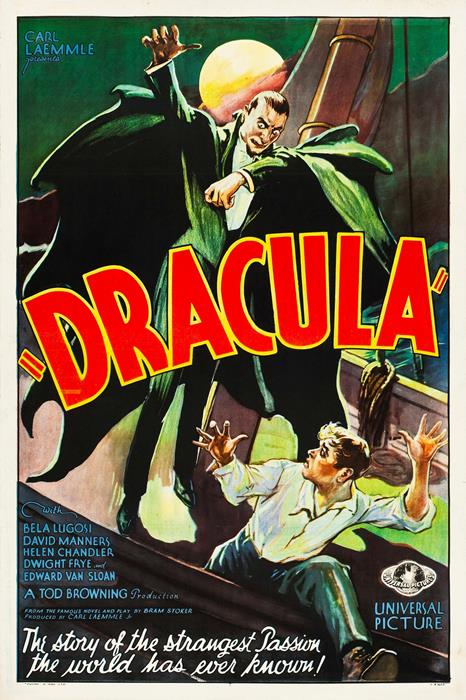
Despite the economic hardships of the 1930s, the film franchises of this era left an indelible mark on popular culture, shaping the landscape of film history. The Universal Horror series introduced legendary monsters like Dracula and Frankenstein, laying the foundation for the horror genre as we know it today. Their cultural impact is evident in countless remakes, adaptations, and the enduring fascination with these iconic characters.
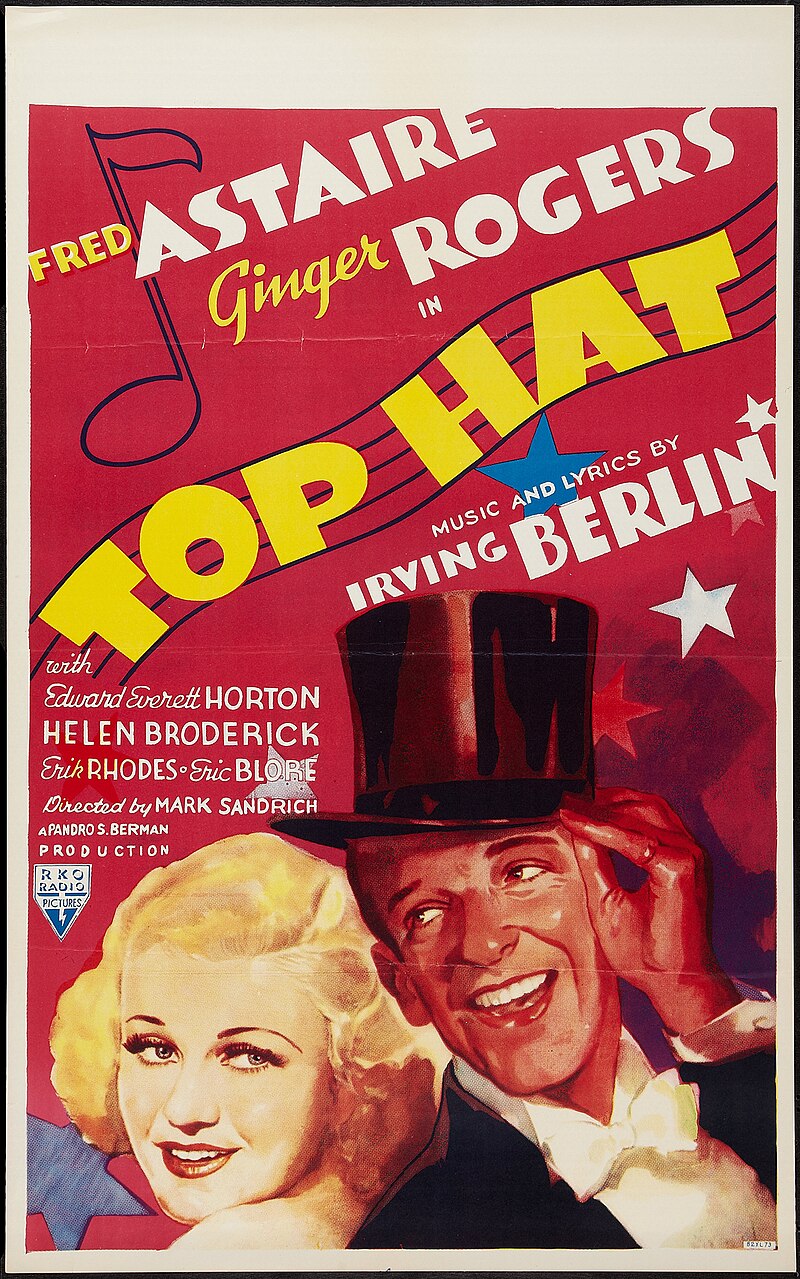
Musicals like *Top Hat* (1935) showcased the power of song and dance, making these elements crucial to Hollywood's appeal. The film's success helped solidify musicals as a beloved genre, influencing how music and choreography are integrated into storytelling.
Romantic comedies also saw significant development during this time. *It Happened One Night* (1934) not only won five Academy Awards but also set conventions that continue to define the genre. Its witty dialogue and charming romance have become a template for countless films that followed.
- Universal Horror series: Influenced the horror genre for decades.
- Top Hat: Demonstrated the lasting appeal of musicals.
- It Happened One Night: Established enduring romantic comedy conventions.
These franchises shaped film history, illustrating the profound cultural impact of 1930s cinema.
Cinematic Innovations
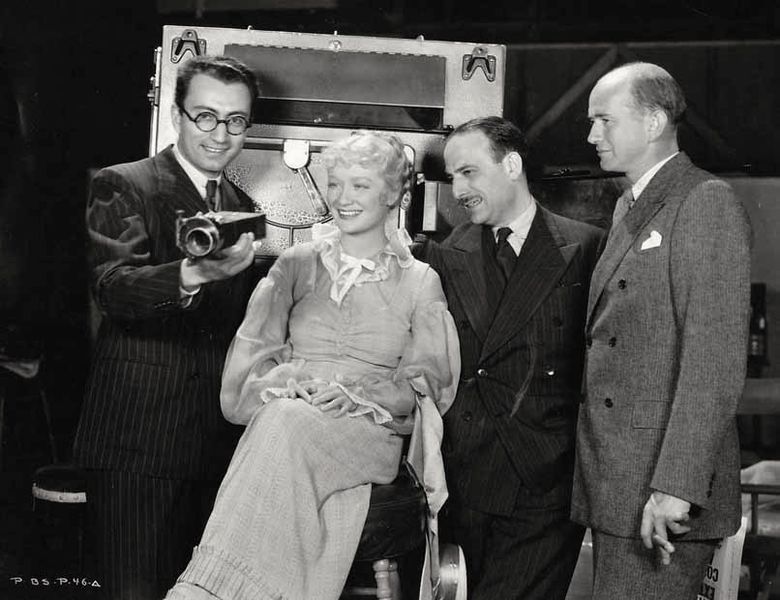
How did the 1930s transform cinema? The decade ushered in groundbreaking innovations that redefined the movie-going experience. One of the most significant changes was the rise of sound films, or "talkies," which replaced silent films, captivating audiences with synchronized dialogue and sound effects. This shift made movies more engaging and absorbing.
Technicolor advancements also played a crucial role. Films like "Becky Sharp" (1935) showcased the vibrant possibilities of three-color Technicolor, enhancing visual storytelling and setting a new standard for film aesthetics. Special effects techniques saw remarkable progress, particularly in the horror genre. "Frankenstein" (1931) amazed viewers with groundbreaking makeup artistry and visual effects, bringing its monster to life in an unprecedented way.
Elaborate set designs and cinematography further elevated films like "Gone with the Wind" (1939), which boasted high production values and stunning visuals. Moreover, the introduction of montage editing techniques, as seen in Alfred Hitchcock's "The 39 Steps" (1935), allowed for more dynamic storytelling and heightened suspense, influencing future filmmakers. These innovations collectively transformed cinema, leaving a lasting impact on the industry and audiences alike.
Themes and Storylines

When examining the top movie franchises of the 1930s, recurring themes emerge that reflect the era's interests and concerns. Love and ambition are central in series like the "Astaire-Rogers" musicals and the "Thin Man" films. These movies also provide social commentary, such as the moral dilemmas depicted in the "Universal Monsters" series and the conflict between civilization and nature in the "Tarzan" films.
Classic Film Themes
Why do classic film themes from the 1930s continue to captivate audiences today? The Golden Age of Hollywood produced movies that tackled timeless issues, making them relevant even decades later. Classic film themes such as creation and ethical dilemmas, love and loss, and societal tensions resonate deeply with viewers.
Consider Frankenstein. It investigates the theme of creation and the ethical implications of scientific ambition, reflecting the societal anxieties of the 1930s when rapid advancements in science and technology prompted questions about humanity's future.
Gone with the Wind deals with love, loss, and survival. Set against the Civil War backdrop, it embodies the struggles and resilience of its characters, making it a poignant tale of human endurance.
The Thin Man blends murder mystery with comedic romance, illustrating the dynamic between its witty couple. It also addresses social themes, showcasing the evolving societal norms of the time.
Classic film themes from the 1930s continue to captivate because they probe into:
- Ethical Dilemmas: Investigating the consequences of unchecked ambition.
- Human Resilience: Highlighting the strength to endure hardships.
- Societal Tensions: Reflecting the period's fears and uncertainties.
These timeless narratives ensure that these early blockbuster hits remain beloved classics.
Love and Ambition
In the rich tapestry of 1930s cinema, themes of love and ambition frequently intertwine to create compelling narratives that continue to resonate with audiences. Films like "Gone with the Wind" showcase Scarlett O'Hara's relentless pursuit of her desires, blending romantic entanglements with her ambitious drive against the Civil War's turmoil. Her unyielding spirit and complex love life captivate viewers, illustrating how personal ambition can both empower and complicate one's heart.
"Frankenstein" offers a darker take on ambition. Dr. Frankenstein's obsessive quest for creation highlights the perilous path of unchecked ambition. His moral dilemmas underscore the potential consequences of letting ambition override ethical considerations.
In "It Happened One Night," love unexpectedly blossoms between two characters from different worlds. This romantic comedy shows how ambition can lead to personal growth, with love emerging in the most surprising circumstances. The film's charm lies in its portrayal of how ambition can drive individuals toward transformative connections.
"Mr. Smith Goes to Washington" contrasts political ambition with idealistic love for one's country. The protagonist's struggle against corruption underscores the conflict between personal ambition and moral integrity. Together, these films paint a vivid picture of how love and ambition shape human experiences.
Social Commentary
The 1930s, a period marked by economic turmoil and social upheaval, saw films that directly addressed these harsh realities. Movies from this era frequently explored themes of social struggle and resilience, reflecting the hardships brought on by the Great Depression. "The Grapes of Wrath" (1940) poignantly depicted the plight of American families, offering a raw portrayal of their fight for survival.
Comedies like "My Man Godfrey" (1936) used humor to address class disparity and the effects of poverty. These films often included social commentary, making audiences laugh while also encouraging them to reflect on deeper societal issues.
"It Happened One Night" (1934) set the standard for romantic comedies while subtly critiquing social norms and gender roles through the dynamic between its lead characters.
The rise of the gangster genre, with films like "Public Enemy" (1931), highlighted societal anxieties about crime and moral ambiguity during a time of economic instability and prohibition.
These films did more than entertain; they held up a mirror to society, prompting audiences to reflect on their own world.
Historical Context
The 1930s marked Hollywood's Golden Age, characterized by the rise of the studio system and the enforcement of the Hays Code, which ensured that films adhered to family-friendly standards. This Production Code regulated film content, making narratives suitable for all audiences and leading to a surge in escapist fiction during the Great Depression.
The industry underwent a significant transformation with the transition from silent films to "talkies." The widespread adoption of sound technology fundamentally changed storytelling and audience experience. This innovation facilitated the creation of iconic genres and franchises, such as Universal Horror films like "Dracula" and "Frankenstein," which left a lasting legacy in the horror genre and set a template for future cinematic storytelling.
The 1930s also produced several iconic film stars, including Jean Harlow and Cary Grant, whose performances were crucial to the success of many films. Their charisma and talent set a high standard for future Hollywood actors and contributed to the enduring appeal of this era.
Audience Reception
Audience reception in the 1930s was characterized by enthusiastic and diverse viewership, driven by the transformative power of cinema during the Great Depression. Films provided much-needed escape, entertainment, and hope. "Gone with the Wind" stands out as a monumental hit, grossing over $198 million domestically when adjusted for inflation. Its themes of love and survival resonated deeply with audiences, cementing its place in cinematic history.
"It Happened One Night" also captured the hearts of viewers, grossing over $2 million and winning five Academy Awards, including Best Picture. The film's charm and humor were crucial to its widespread appeal and critical success.
- "Frankenstein" captivated audiences with groundbreaking special effects and exploration of complex themes, appealing to a diverse demographic.
- Comedies and mysteries like "The Thin Man" and "The 39 Steps" received positive feedback, underscoring the period's demand for engaging storytelling.
- Romantic epics and cutting-edge films reflected the varying tastes of the audience, showcasing the period's cinematic diversity.
In essence, the 1930s audience reception highlighted the transformative impact of cinema, providing a much-needed respite during challenging times.