The Role of Propaganda Films in 1930s Cinema
When considering 1930s cinema, the significant influence of propaganda films, notably in Nazi Germany, cannot be overlooked. These films transcended mere entertainment; they were meticulously crafted to shape public opinion and reinforce the regime's ideologies. Through stringent censorship and script approvals, the Nazi government ensured every film aligned with its objectives. Although only a portion of the films produced were explicit propaganda, their impact was substantial, promoting Aryan ideals and military strength. How did these controlled narratives transform not just the film industry but society as a whole? Let's explore this intricate interplay further.
Historical Context of 1930s Cinema
In the 1930s, cinema underwent a transformative phase with the advent of sound films, fundamentally changing how stories reached and resonated with audiences. This period also saw a significant shift in film production, particularly in Nazi Germany, where the regime utilized cinema for propaganda.
Under Joseph Goebbels' supervision, Nazi film policy aimed to control and manipulate public perception. The establishment of the Film Credit Bank in 1933 gave the regime financial control, ensuring film production aligned with state objectives. By 1942, over 1,062 films had been produced, compared to just 238 in 1932, showcasing the regime's growing influence.
Censorship laws, such as the Reich Cinema Law of 1934, required that scripts receive approval from Nazi advisors, ensuring films promoted the regime's nationalistic and ideological goals. Although overt political propaganda films comprised less than one-sixth of the 1,097 feature films produced from 1933 to 1945, the underlying themes often supported Nazi ideologies.
In 1930s cinema, the combination of sound technology and stringent film policies allowed Nazi Germany to use films as a powerful tool for propaganda, shaping public opinion and reinforcing the regime's narratives.
Film Production and Economics
During the 1930s and 1940s, the German cinema industry underwent significant changes driven by the regime's propaganda needs. In 1932, 238 films were produced, but this number skyrocketed to over 1,062 by 1942, reflecting the regime's commitment to leveraging cinema for cultural influence.
Financially, the industry saw gross receipts grow from 244.9 million RM in 1933 to 894.2 million RM by 1942, indicating the high popularity and economic viability of films during this period. However, this financial success came with rising production costs, which increased from 250,000 RM per film in 1933 to 1,380,000 RM per film by 1942.
To better control and centralize the film industry, the Ministry of Propaganda established UFA-Film GmbH (UFI) in 1942. UFI's profits were substantial, reaching 155 million RM in 1942 and 175 million RM in 1943, showcasing the regime's effective control and economic management.
| Year | Films Produced | Gross Receipts (RM) | Production Costs (RM) |
|---|---|---|---|
| 1932 | 238 | 176.4 million | N/A |
| 1933 | N/A | 244.9 million | 250,000 |
| 1942 | 1,062 | 894.2 million | 1,380,000 |
| 1943 | N/A | N/A | N/A |
This data highlights the regime's strategic use of cinema for propaganda and its economic implications on the German film industry.
Goals of Nazi Film Policy
Nazi film policy focused on creating a national cinema that entertained while subtly promoting government ideologies. Led by Joseph Goebbels, the regime aimed to manipulate public perception using cinema as a powerful propaganda tool. They prioritized escapism to boost public morale after the trauma of World War I. Here are three key elements of their strategy:
- Selective Propaganda: Out of 1,097 feature films produced from 1933 to 1945, only about one-sixth were overtly Nazi propaganda films. This selective approach ensured that audiences were entertained while being subtly indoctrinated.
- Educational Films: The regime significantly expanded educational film hire services, reaching 37 regional and over 12,000 city services by 1943. This effort aimed to embed Nazi ideologies in public education.
- Peak Production: By 1942, film production had peaked with over 1,062 films, showcasing the regime's commitment to using cinema to control public perception and reinforce nationalistic narratives.
Strict censorship ensured that all scripts received approval from Nazi film advisors, aligning them with nationalistic and Aryan ideals. Through strategic use of both entertainment and educational films, the Nazis effectively turned cinema into a tool for propaganda and societal control during World War II.

Censorship and Control Mechanisms
Censorship in 1930s cinema was not merely a policy but a strategic mechanism to control the narrative. The Reich Cinema Law of 1934 required all film scripts to receive approval from a Nazi film advisor, thereby enforcing strict censorship protocols. This enabled the regime to eliminate any content that could portray national weakness or promote democratic themes.
Joseph Goebbels, the Nazi propaganda minister, held significant influence over the film industry. Through the Film Credit Bank, established in 1933, the Nazis had financial control over which films were produced and distributed. Goebbels also monitored Hollywood scripts and productions to suppress dissenting narratives, ensuring that only pro-Nazi propaganda reached audiences.
The Reich Chamber of Film, established in 1934, centralized oversight of the film industry, enforcing regulations that aligned with Nazi ideology. This control extended internationally; despite exporting around 500 films to the U.S. between 1933 and 1942, international box office earnings declined due to stringent censorship measures.
Impact on Society and Filmmakers
Propaganda films in the 1930s significantly influenced public perception, glorifying Aryan ideals and military valor while demonizing perceived enemies, particularly under the Nazi regime. These films profoundly impacted societal attitudes towards Jews and other minorities.
Approximately one-sixth of Germany's 1,097 feature films produced between 1933 and 1945 prominently displayed the regime's political objectives and cultural narratives. There were three profound impacts:
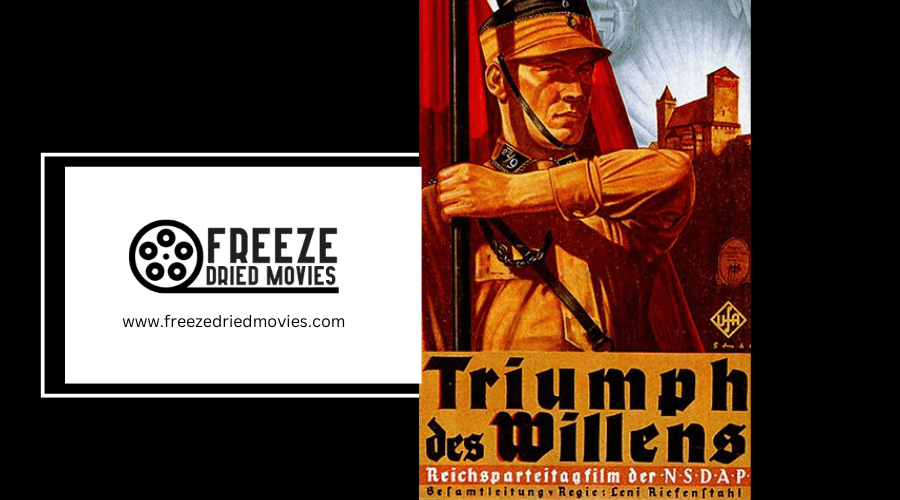
- Shaping Societal Attitudes: Films like "Triumph of the Will" portrayed Adolf Hitler as a formidable leader, reinforcing nationalistic fervor and ideological conformity.
- Influencing Filmmakers: The Reich Chamber of Film imposed strict regulations, compelling filmmakers to align with Nazi values or face severe consequences, thereby limiting creative freedom and stifling dissent.
- Career and Life Alterations: Many filmmakers and actors, particularly those targeted by the Holocaust, were forced to flee Germany or compromise their principles to survive.
The Nazi regime's propaganda films did more than entertain; they manipulated public opinion, fostering a culture of hate and fear. Filmmakers were co-opted into this machinery, either becoming instruments of the regime or victims of its ruthless policies. By glorifying Aryan ideals and vilifying enemies, these films solidified the regime's control over cultural narratives.