The Most Memorable Movie Quotes From 1930S Films
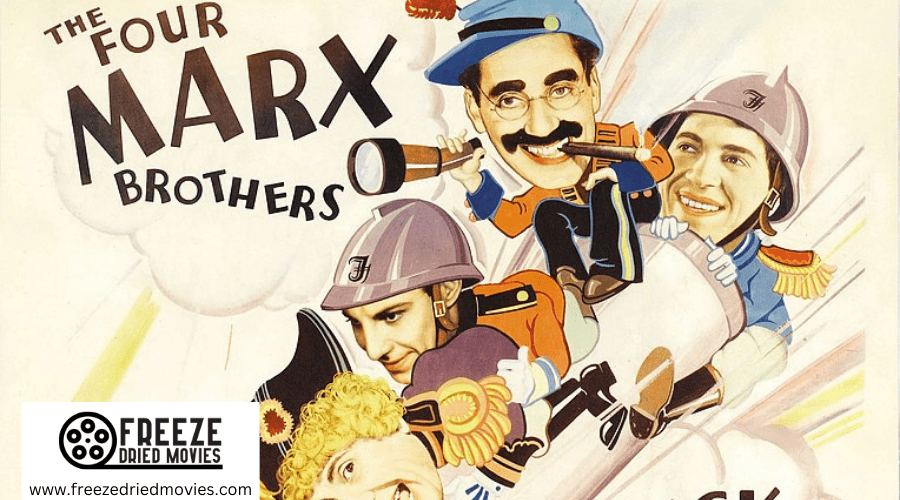
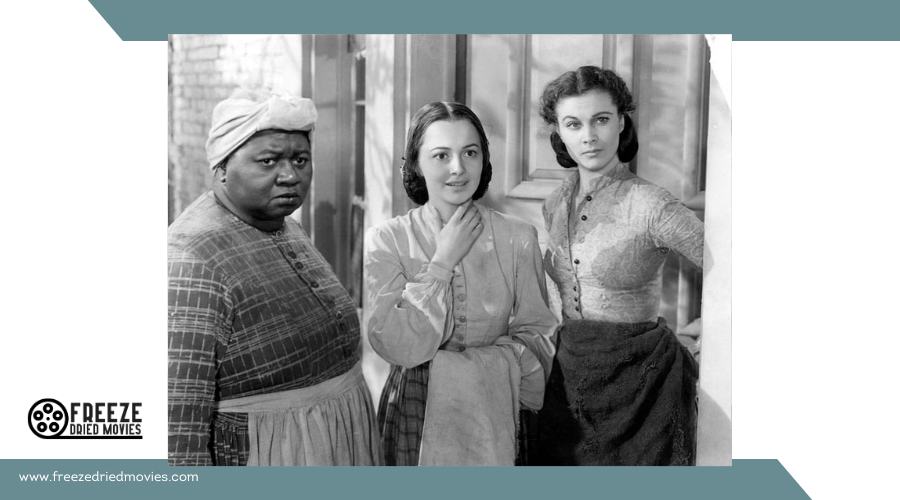
When you think about the 1930s, unforgettable movie quotes immediately come to mind. Iconic lines like "Frankly, my dear, I don't give a damn" from *Gone with the Wind* and "It's alive! It's alive!" from *Frankenstein* capture the era's essence. These quotes reflect the emotional depth and societal issues of the time, while Groucho Marx's sharp humor in *Duck Soup* adds a lighter touch. Beyond the well-known lines, deeper themes and hidden gems from 1930s cinema continue to influence modern storytelling.
The Golden Age of Dialogue
During the 1930s, film dialogue reached a new level of sophistication and resonance, marking what many consider the Golden Age of Dialogue. This era was characterized by clever, witty, and impactful writing that set a high standard for screenwriting. Iconic lines such as "Frankly, my dear, I don't give a damn" from *Gone with the Wind* and "You must have been vaccinated with a phonograph needle" from *Duck Soup* encapsulate the period's rich dialogue and cultural significance.
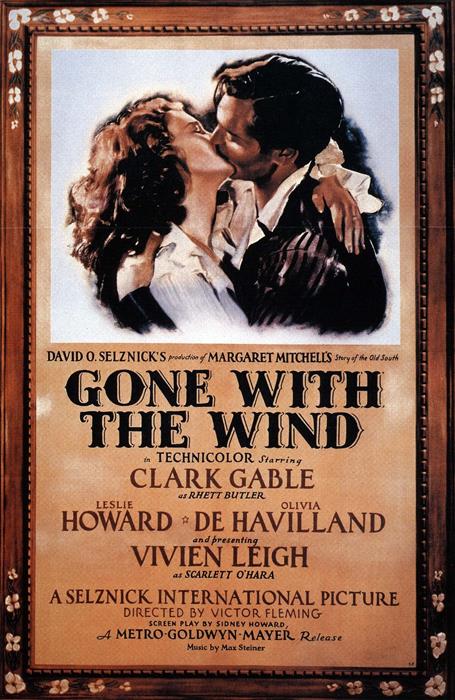
The advent of sound in films allowed for more nuanced expression, enabling characters to convey emotions and complex relationships through well-crafted lines. Screenwriters like Sidney Howard and George S. Kaufman skillfully crafted dialogue that mirrored societal values and human experiences during the Great Depression. Their writing not only entertained but also resonated deeply with audiences, reflecting the struggles and hopes of the time.
Many quotes from the 1930s have transcended their films, continuing to influence contemporary media. This lasting impact underscores the period's excellence in dialogue, making it a benchmark for modern storytelling.
Iconic Horror Movie Quotes
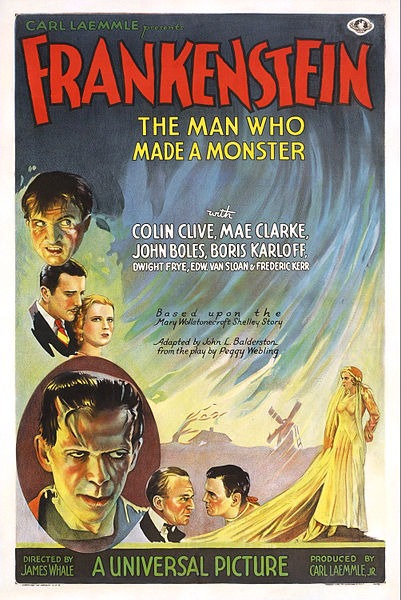
The horror cinema of the 1930s presented some of the most unforgettable quotes that still evoke chills today. One of the most iconic moments comes from *Frankenstein* (1931) with the electrifying exclamation, "It's alive! It's alive!" This line captures Dr. Frankenstein's mix of triumph and terror as he brings his creation to life, setting a chilling tone that defined the genre.
Equally memorable is *Dracula* (1931), where Bela Lugosi's portrayal of the titular vampire solidified his place in horror history. His introduction, "I am... Dracula. I bid you welcome," seamlessly blends charm and menace, making it an unforgettable moment in horror cinema. Another chilling line from the same film, "I never drink... wine," adds an eerie sophistication to Dracula's character, hinting at his dark, immortal nature.
*The Mummy* (1932) also left its mark with its own spine-tingling dialogue, further cementing the 1930s as a golden age for supernatural horror. These quotes have transcended their original films, becoming cultural touchstones that continue to resonate in contemporary discussions of horror cinema, proving the lasting impact of these early cinematic masterpieces.
Comedy and Wit in the 1930s
Shifting from the spine-chilling lines of 1930s horror, let's turn our attention to the era's lighter side, where comedy and wit reigned supreme. The 1930s truly marked a golden period for witty dialogue in film, with comedies like *Duck Soup* (1933) showcasing sharp humor and clever wordplay. Who could forget Groucho Marx's line, "You must have been vaccinated with a phonograph needle"?
Iconic comedic performances by actors such as the Marx Brothers and Mae West solidified the era's reputation for humor. Mae West's famous quip, "Goodness had nothing to do with it, dearie," in *Night After Night* (1932), still resonates with audiences today. The Marx Brothers mastered the use of absurdity and satire, particularly in *Animal Crackers* (1930). Groucho Marx delivered the memorable line, "One morning, I shot an elephant in my pajamas," combining absurdity with humor to great effect.
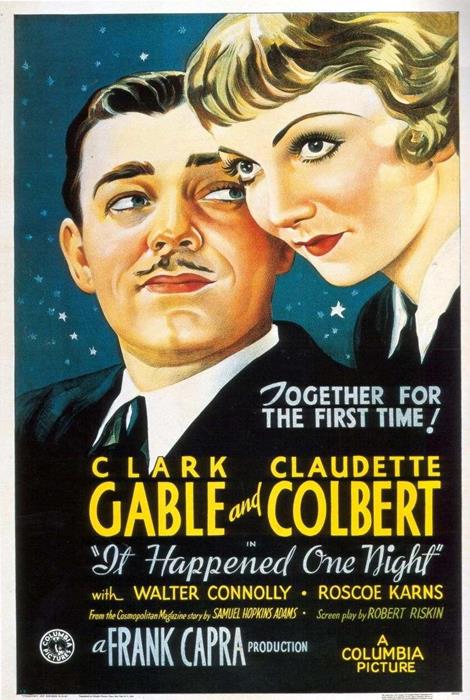
Comedies often reflected societal issues, using humor as a means of critique and escapism. *My Man Godfrey* (1936) exemplifies this with its examination of class dynamics through witty banter. The rise of screwball comedies introduced fast-paced dialogue, with *It Happened One Night* (1934) featuring quick exchanges that became a hallmark of the genre.
Themes of Morality and Redemption
Themes of morality and redemption were pivotal in 1930s cinema, often mirroring the societal struggles of the Great Depression. The film *Angels With Dirty Faces* vividly explores the contrast between good and evil, emphasizing moral dilemmas. James Cagney's character wrestles with personal choices and societal expectations, ultimately finding redemption through the unwavering love and loyalty of his childhood friends. This narrative illustrates the complex interplay between individual actions and societal pressures.
In *Boys Town*, the poignant quote, "No such thing as a bad boy," encapsulates the film's message of compassion and understanding towards juvenile delinquency. This film challenges societal norms by demonstrating that guidance and love can transform troubled youth into positive societal contributors. The narrative highlights that compassion and proper support can lead to redemption, even for those who seem lost.
Both films reflect the harsh realities of the time, resonating with audiences who faced their own moral conflicts and societal expectations. The 1930s cinema's focus on morality and redemption provided not just entertainment but also hope and inspiration, portraying that even in dire circumstances, compassion and understanding could pave the way for a better future.
War and Humanity Reflections
Reflecting on the impact of war and humanity's struggles, quotes like "I killed you. Forgive me, comrade." from *All Quiet on the Western Front* resonate profoundly. These narratives do not shy away from depicting the emotional toll on soldiers, questioning the very reasons for conflict. They employ powerful lines to remind us of the importance of empathy and the deep bonds formed amid adversity.
Impact of War
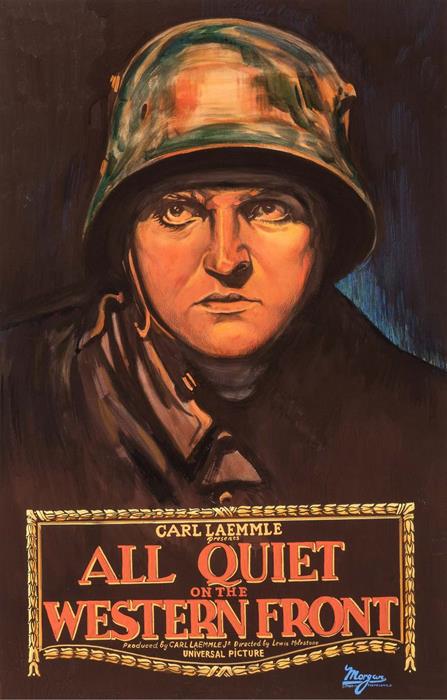
The 1930s' silver screen didn't shy away from exposing the grim realities of war, with films like *All Quiet on the Western Front* leading the charge. This powerful film vividly illustrated the devastating impact of war, focusing on the immense sacrifice and loss experienced by soldiers. Lines like "Why should they send us out to fight each other?" emphasized the absurdity of war and underscored the shared humanity among combatants. These poignant moments resonated deeply, fostering an anti-war sentiment among audiences.
During this period, cinema often depicted war as a catalyst for moral dilemmas, prompting viewers to question authority and the underlying motives of conflict. The portrayal of young soldiers grappling with the horrors of battle and the psychological toll it took on them highlighted the human cost of war. By critiquing nationalism and militarism, these films urged viewers to reflect on the futility of conflict.
As the decade progressed, the emotional weight of quotes from war-themed films contributed greatly to a growing skepticism about military engagement. The reflections on humanity and sacrifice presented in these films shaped public perception, making a lasting impact on societal attitudes towards war.
Humanity's Struggles Depicted
Amid the tumultuous backdrop of the 1930s, films not only entertained but also profoundly explored humanity's core struggles, particularly in the context of war. In *All Quiet on the Western Front*, the psychological toll on soldiers is vividly captured in the line, "Why should they send us out to fight each other?" This quote underscores the moral complexities of war and its impact on humanity.
These themes are also evident in *The Most Dangerous Game*, where the primal instincts of survival are examined through the stark line, "This world's divided into two kinds of people - the hunter and the hunted." Such films confront the harsh realities and ethical dilemmas faced by individuals in extreme situations.
In *Angels With Dirty Faces*, the struggles of youth amidst societal challenges are poignantly depicted, emphasizing camaraderie and the fight for redemption. Meanwhile, *Frankenstein* investigates humanity's capacity for destruction with the chilling exclamation, "It's alive! It's alive!" This line resonates with deep-seated fears about scientific hubris and moral boundaries.
Shaped by the Great Depression, the 1930s cinematic landscape reflected societal struggles, addressing themes of loss, resilience, and the quest for redemption, painting a complex picture of humanity's enduring spirit.
Memorable Romantic Lines
Romantic lines from 1930s films capture the era's intricate dance between passion and heartbreak, reflecting the complexities of love. Consider Rhett Butler's famous declaration in *Gone with the Wind*: "Frankly, my dear, I don't give a damn." This line encapsulates the tumultuous nature of romantic relationships during that period.
In *It Happened One Night* (1934), Clark Gable's character humorously states, "I'm going to show you what a man can do," blending charm and wit into romantic dialogue. Mae West's memorable line from *I'm No Angel* (1933) underscores the value of meaningful relationships: "Well, it's not the men in your life that counts. It's the life in your men."
Though *Casablanca* (1942) isn't from the 1930s, its line "You must remember this, a kiss is just a kiss," exemplifies the enduring nature of love amidst challenges. And in *The Wizard of Oz* (1939), Dorothy's line, "Toto, I've a feeling we're not in Kansas anymore," though not traditionally romantic, evokes a sense of longing and adventure.
| Film | Quote | Year |
|---|---|---|
| *Gone with the Wind* | "Frankly, my dear, I don't give a damn." | 1939 |
| *It Happened One Night* | "I'm going to show you what a man can do." | 1934 |
| *I'm No Angel* | "Well, it's not the men in your life that counts..." | 1933 |
| *Casablanca* | "You must remember this, a kiss is just a kiss." | 1942 |
| *The Wizard of Oz* | "Toto, I've a feeling we're not in Kansas anymore." | 1939 |
These quotes from classic films demonstrate the enduring nature of love and the complexity of human relationships, capturing the essence of their respective periods.
Quotes That Shaped Culture
How did 1930s film quotes become cultural touchstones? These quotes often encapsulated the era's themes, resonating deeply with audiences. Take "There's no place like home" from *The Wizard of Oz*. It wasn't just a line; it became a mantra for those seeking comfort and belonging in uncertain times. Likewise, "Frankly, my dear, I don't give a damn" from *Gone with the Wind* challenged societal norms about romance, marking the film as a pioneering work that dared to alter perceptions of relationships.
Comedic lines like "I shot an elephant in my pajamas" from *Animal Crackers* brought humor into homes, influencing comedic writing for generations. The line "It's alive! It's alive!" from *Frankenstein* became a cultural reference point, sparking discussions about creation and humanity. And "You must have been vaccinated with a phonograph needle" from *Duck Soup* showcased the clever wit of the era, shaping modern comedic dialogue.
These quotes didn't just entertain; they became part of our cultural lexicon. These lines had the power to evoke emotions, make us laugh, and even inspire societal change.
Legacy of 1930s Quotes
The resonance of 1930s film quotes extends far beyond their initial impact, cementing their place in cultural history. Iconic lines like "There's no place like home" from *The Wizard of Oz* continue to evoke powerful emotions and memories, encapsulating themes of love, identity, and social commentary reflective of the Great Depression era.
| Film Title | Memorable Quote | Cultural Impact |
|---|---|---|
| *Gone with the Wind* | "Frankly, my dear, I don't give a damn." | Symbolizes defiance and resilience |
| *The Wizard of Oz* | "There's no place like home." | Embodies the longing for stability |
| *Adventures of Sherlock Holmes* | "Elementary, my dear Watson." | Defines the archetype of the detective |
| *Duck Soup* | "I could dance with you till the cows come home." | Showcases the period's humor |
| *A Day at the Races* | "I've got a confession to make." | Highlights clever wit and comedic timing |
These quotes have transcended their original films, embedding themselves in the broader lexicon. Reserved to their respective creators, these lines continue to influence modern filmmakers and screenwriters. The clever wit in comedies like *Duck Soup* and *A Day at the Races* underscores the 1930s' unique blend of entertainment and social critique.