The Most Influential Film Studios of the 1930s
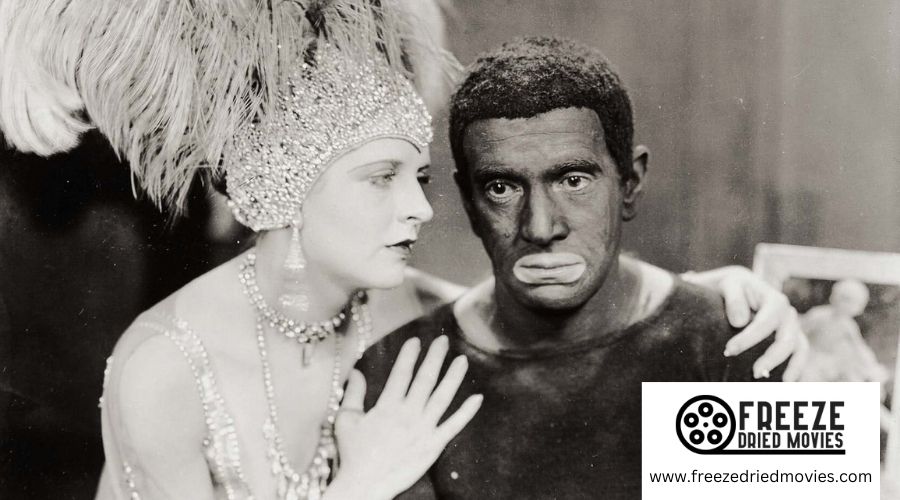
You can't discuss the 1930s in Hollywood without acknowledging the Big Five studios that dominated the period. Metro-Goldwyn-Mayer not only produced films but also created timeless classics like *The Wizard of Oz*, which still resonate today. Warner Bros. pioneered sound films with *The Jazz Singer*, the first significant "talkie." Paramount Pictures brought stars like Bing Crosby into the limelight, while Universal Pictures set the gold standard for horror with *Dracula*. How did these studios navigate the economic challenges of the Great Depression and shape cinematic history? Let's investigate further.
Rise of the Big Five
How did the Big Five film studios rise to dominate the Hollywood landscape in the 1930s? The answer lies in their innovative strategies and business models. The Big Five studios—MGM, Paramount Pictures, Warner Bros., 20th Century Fox, and RKO Radio—each carved out their own niche and controlled a significant share of box office revenues.
MGM emerged as the largest and most financially successful studio, thanks to its star system and ability to produce iconic films. Paramount Pictures, founded in 1912, played a key role by becoming the first fully vertically-integrated studio, meaning they controlled production, distribution, and exhibition. This allowed them to peak with profits of $18.4 million in 1930, though they faced financial challenges during the Great Depression.
Warner Bros. gained early recognition for their revolutionary sound films, starting with *The Jazz Singer* in 1927, and successfully adapted to producing popular gangster films during the economic downturn. 20th Century Fox, formed in 1934, focused on family-friendly musicals and identified stars like Shirley Temple, solidifying their industry status.
Together, these Big Five studios redefined Hollywood, setting the stage for decades of cinematic influence.
Metro-Goldwyn-Mayer (MGM)
In the 1930s, MGM epitomized Hollywood glamour and success. Known as "The Home of the Stars," MGM had over 60 major stars by 1934 and produced timeless classics like *The Wizard of Oz* and *Gone With the Wind*. Remarkably, even during the Great Depression, MGM remained financially strong, with profits never falling below $4.3 million, thanks to their lavish productions and innovative filmmaking.
Star System Development
Why did MGM excel during the 1930s? The answer lies in its innovative star system. As a leading Hollywood studio, MGM branded itself as "The Home of the Stars," boasting over 60 major stars under contract by 1934. Under the strategic leadership of Louis B. Mayer, MGM not only managed talent efficiently but also promoted a roster of stars that became synonymous with its brand.
The star system revolutionized MGM's financial success during the Great Depression. Audiences eagerly flocked to see their favorite stars, ensuring the studio remained profitable during this challenging period.
Here's why the star system at MGM was so effective:
- Over 60 major stars under contract by 1934, including Clark Gable and Judy Garland.
- Strategic talent management and promotion under Louis B. Mayer.
- Production of multiple films simultaneously, showcasing a diverse range of star talent and genres.
- Financial resilience during the Great Depression, driven by audience loyalty to MGM stars.
- Setting industry standards for talent management and marketing, influencing other Hollywood studios.
Iconic Film Productions
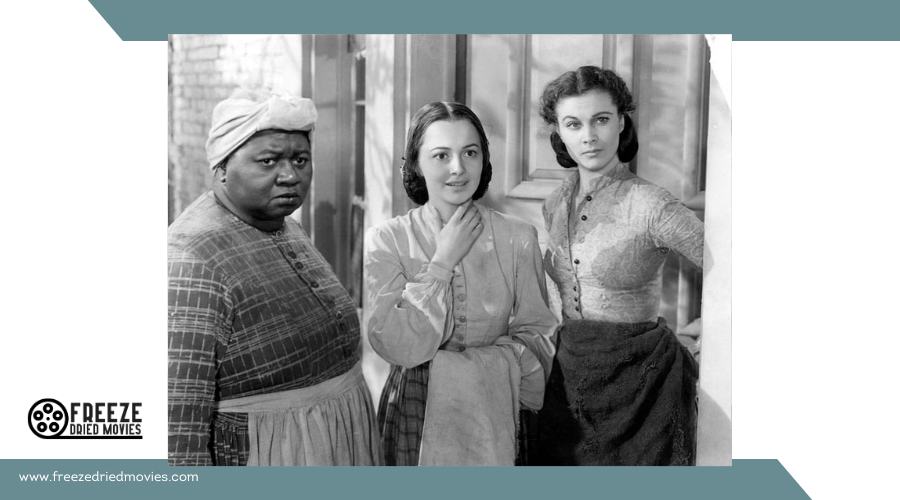
During the 1930s, MGM established its legacy with a series of iconic film productions, leveraging its star system to great effect. Known as "The Home of the Stars," MGM featured talents like Clark Gable and Judy Garland, turning them into household names. The studio's commitment to high-quality productions resulted in masterpieces such as *The Wizard of Oz* (1939) and *Gone With the Wind* (1939), both of which have left an indelible mark on American cinema.
MGM's success is also tied to its lavish musicals. Films like *The Merry Widow* (1934), directed by Ernst Lubitsch, exemplified MGM's ability to combine exceptional choreography with stellar performances. These musicals were visually stunning and resonated deeply with audiences, helping MGM thrive even during the Great Depression.
Under the leadership of Louis B. Mayer, MGM excelled at using audience feedback to fine-tune its films, ensuring each release met high expectations. This attentiveness to viewer preferences and the studio's varied output solidified MGM's reputation as a leading film studio of the period. The 1930s were a golden era for MGM, characterized by iconic productions that remain influential to this day.
Financial Success Statistics
MGM's financial success in the 1930s was unmatched, making it the largest and most prosperous film studio of the era. The studio's ability to maintain profitability throughout the Great Depression is a testament to its financial resilience. MGM's profits peaked at $15 million in 1930, even as the economic downturn gripped the nation. By 1933, profits had declined to $4.3 million, but the studio remained profitable when many others faltered.
Several factors contributed to MGM's financial strength:
- Producing 16-18 films simultaneously showcased MGM's robust production capabilities.
- Retaining over 60 major stars by 1934 enhanced its box office success and brand recognition.
- Creative filmmaking approaches, such as incorporating audience feedback, helped MGM fine-tune films for better performance.
- Financial strategies focused on star power and high-quality productions solidified MGM's status as "The Home of the Stars."
- Consistent profitability during economic downturns underlined MGM's effective business model.
These strategies allowed MGM to dominate the 1930s film industry, ensuring its place as the period's most financially successful production company. This highlights how strategic planning and creativity can lead to enduring success.
Warner Bros. Innovations
Warner Bros. made groundbreaking strides in the 1930s that reshaped the film industry. By introducing synchronized sound and dialogue with *The Jazz Singer* in 1927, Warner Bros. paved the way for the "talkie" era, transforming film production. They continued to innovate during the Great Depression, capitalizing on the public's need for escapism with popular gangster films and musicals like *Little Caesar* (1931) and *42nd Street* (1933). These films not only captivated audiences but also achieved significant box office success.
Key advancements include:
| Advancement | Year |
|---|---|
| *The Jazz Singer* | 1927 |
| *Little Caesar* | 1931 |
| *42nd Street* | 1933 |
| Vitaphone Technology | 1926 |
Warner Bros. was also ahead of its time with "Vitaphone" technology, which integrated music and sound effects, setting a new standard in cinematic audio. Their fast-paced production schedules and effective marketing strategies kept audiences engaged and theaters full. Films like *The Public Enemy* (1931) showcased their commitment to social relevance, addressing crime and morality issues that resonated with viewers. Through these advancements, Warner Bros. didn't just make movies; they transformed the way movies were made and experienced.
Paramount Pictures' Influence

Paramount Pictures in the 1930s was a powerhouse in Hollywood, boasting iconic stars like Mae West and Bing Crosby. The studio not only produced successful films but also influenced a variety of movie genres, from light comedies to dramatic productions. Paramount's dedication to quality and innovation set industry trends, shaping Hollywood's cinematic landscape during this era.
Iconic Hollywood Stars
Paramount Pictures' influence in the 1930s was unmistakable, with its roster of iconic Hollywood stars dazzling audiences and shaping the era's cinematic landscape. Paramount's prowess in promoting stars like Bing Crosby and Mae West turned them into household names. Crosby's warm baritone in musicals such as *Mississippi* (1935) and *Pennies From Heaven* (1936) not only enchanted viewers but also cemented his status as one of Paramount's top talents. Meanwhile, Mae West's suggestive comedies, particularly *She Done Him Wrong* (1933), showcased her unique ability to captivate audiences with her wit and charisma, making her the highest-paid woman in 1935.
- Bing Crosby's baritone: His musical talents were crucial to Paramount's success.
- Mae West's comedies: Her bold performances broke barriers and drew crowds.
- Lavish productions: Films featuring stars like Marlene Dietrich and Gary Cooper exemplified Paramount's sophistication.
- Star power: Paramount's strategic promotion of its stars helped define the cinematic epoch.
- Appealing narratives: The studio's knack for compelling stories solidified its industry leadership.
With such iconic stars under its banner, Paramount Pictures truly shaped the Golden Age of Hollywood, creating a legacy that continues to influence the industry today.
Diverse Movie Genres
Few studios could rival Paramount Pictures in the 1930s for the sheer variety of movie genres they produced. Paramount was instrumental in shaping the film industry by creating an impressive array of productions that spanned musicals, light comedies, and gripping dramas. Their commitment to excellence led to iconic films like *The Ten Commandments* (1923) and *It Happened One Night* (1934), showcasing their versatility.
One of Paramount's standout contributions was in the sphere of sophisticated comedies. With stars like Mae West, the studio brought to life daring performances and suggestive songs that captivated audiences. They also popularized romantic comedies, leveraging the charm of Bing Crosby and the musical talents of Dorothy Lamour to create box-office hits.
By adapting Broadway hits into films, Paramount bridged the gap between theater and cinema, enriching the diversity of 1930s cinematic offerings. This strategy not only improved the studio's production portfolio but also set a precedent for future film adaptations.
Here's a quick overview of Paramount's genre contributions:
| Genre | Notable Films |
|---|---|
| Musicals | *The Big Broadcast* (1932) |
| Light Comedies | *Duck Soup* (1933) |
| Dramas | *The Ten Commandments* (1923) |
| Romantic Comedies | *It Happened One Night* (1934) |
| Broadway Adaptations | *The Cat and the Fiddle* (1934) |
Universal Pictures' Horror Legacy

Universal Pictures' horror legacy is a testament to creativity and cultural impact. During the Great Depression, Universal captivated audiences with groundbreaking horror films, offering much-needed escapism. Movies such as *Dracula* (1931) and *Frankenstein* (1931) became genre cornerstones, establishing Universal as a horror powerhouse.
Key aspects of Universal's horror legacy include:
- *The Invisible Man* (1933) and *Bride of Frankenstein* (1935) featured cutting-edge special effects, setting new industry standards.
- Atmospheric cinematography and strong performances by actors like Boris Karloff and Bela Lugosi enhanced the quality of Universal's horror productions.
- These films not only entertained but also rescued Universal from financial peril during the Great Depression.
- Universal's horror films laid the groundwork for a shared cinematic universe, a concept that would later dominate Hollywood.
- Iconic monsters created by Universal have influenced popular culture and the horror genre for decades.
Through stylish storytelling and technical innovation, Universal Pictures' horror legacy remains a significant chapter in film history, demonstrating how imagination can thrive even in challenging times.
Impact of the Hays Code
The imposition of the Hays Code in 1930 marked a pivotal moment in Hollywood history, exerting a profound influence on the film industry. This set of guidelines aimed to regulate content by restricting depictions of violence, sexuality, and controversial topics, all to maintain moral standards amidst public pressure. Initially voluntary, the Hays Code became mandatory in 1934, significantly affecting the storytelling and character development of the era.
As a filmmaker in the 1930s, you would have faced considerable restrictions due to the Hays Code. To navigate these limitations, you would often rely on innuendo and subtext, resulting in creative workarounds to convey adult themes without explicit content. This necessity for subtlety and innovation greatly shaped the narrative structure and genres of 1930s films. Filmmakers had to push boundaries within the constraints, leading to a unique cinematic style defined by what wasn't shown rather than what was.
Despite its restrictions, the Hays Code's influence led to a period of ingenuity, where storytelling flourished under tight constraints. This era set the stage for future changes and the eventual decline of the Hays Code in the 1960s, ushering in a new wave of creative freedom.
Transition to Independent Cinema
Independent cinema began to flourish in the late 1940s, driven by the decline of Hollywood's Golden Age and the rise of television. As major studios faced challenges from the Paramount Decrees of 1948, which required them to divest their theater chains, independent production found its footing. This shift allowed filmmakers to explore diverse storytelling beyond the constraints of mainstream studios.
Several factors highlighted the impact of this change:
- The rise of independent theaters, which provided a platform for a broader range of films.
- The emergence of significant independent films and filmmakers who challenged traditional norms.
- Audiences' growing preference for unique and varied storytelling styles.
- The commercial success of films like Easy Rider (1969), which demonstrated the viability of non-studio productions.
This newfound freedom led to a thriving independent cinema movement. Independent films not only filled the gap left by major studios but also offered fresh narratives that resonated with a changing audience. The evolution of independent cinema marked a significant departure from the rigid studio system, paving the way for innovation and diverse film experiences.