The Influence of European Cinema on 1930s Hollywood
When considering Hollywood in the 1930s, one might overlook the significant impact of European cinema on its development. The arrival of German directors like Fritz Lang and Ernst Lubitsch introduced stylistic innovations that transformed American filmmaking. These directors brought Expressionism and sophisticated narratives, reshaping genres such as film noir and comedy. This exchange of ideas was not isolated; it was driven by economic instability and political upheaval in Europe. How did these elements combine to elevate Hollywood's artistic standards and diversify its cinematic offerings?
German Cinema's Early Impact
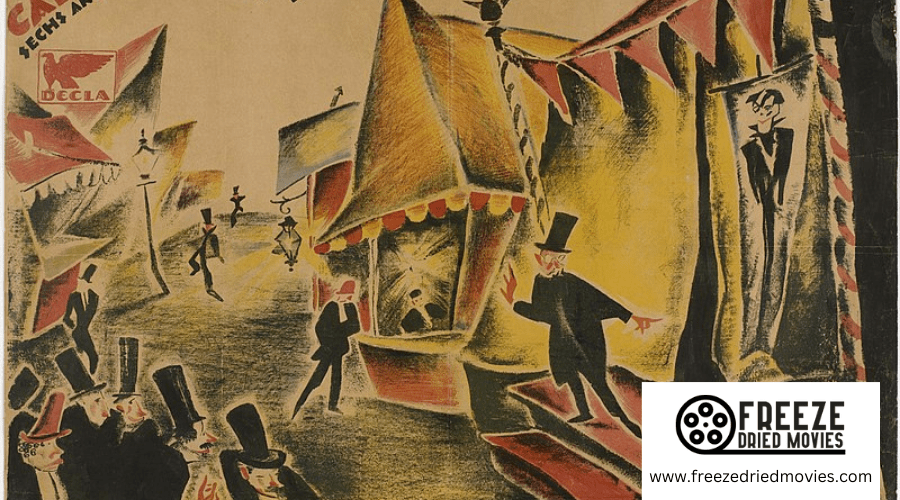
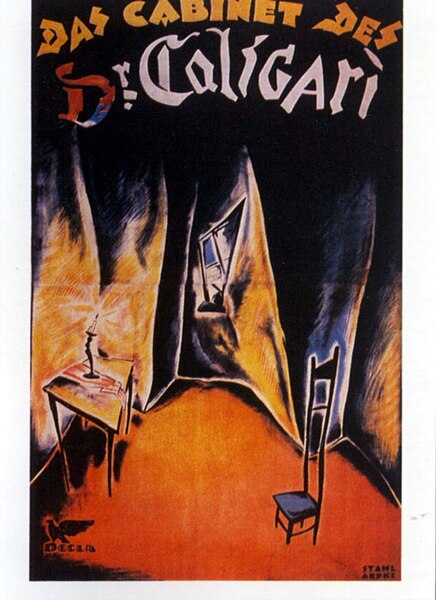
During the early 20th century, German cinema profoundly impacted Hollywood by introducing groundbreaking techniques that reshaped American filmmaking. Expressionist films like *The Cabinet of Dr. Caligari* showcased psychological depth and visual experimentation, captivating American filmmakers. Directors such as Fritz Lang and Ernst Lubitsch brought their unique styles to Hollywood, significantly influencing the industry's evolution.
Fritz Lang's *Metropolis* (1927) epitomized the grand scale and thematic intricacies that German cinema was known for. The film's social realism and futuristic vision provided a blueprint for American studios aiming for more sophisticated narratives. Lang's move to Hollywood infused American films with narrative depth and visual grandeur.
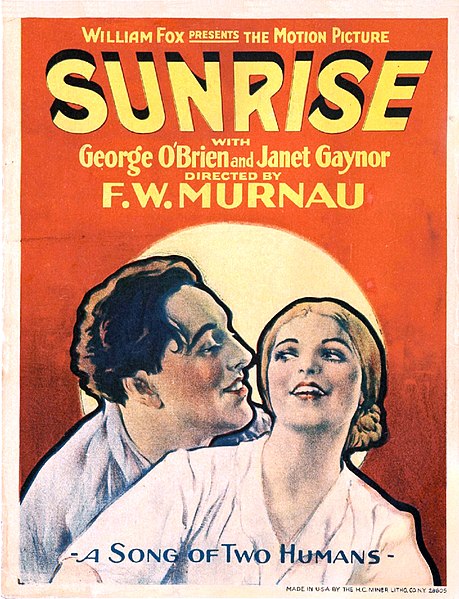
Ernst Lubitsch, renowned for his comedies, introduced Hollywood to refined storytelling techniques and character-driven plots, enriching the cinematic landscape. The unchained camera movement, popularized by F.W. Murnau in *Sunrise* (1927), allowed for more dynamic and visually engaging storytelling.
Financial struggles faced by UFA led American studios to provide loans in exchange for film placements, facilitating the migration of German talent to Hollywood. This exchange enriched Hollywood with creative techniques and profound thematic depth, leaving an indelible mark on American cinema.
American Cinematographer's Shift
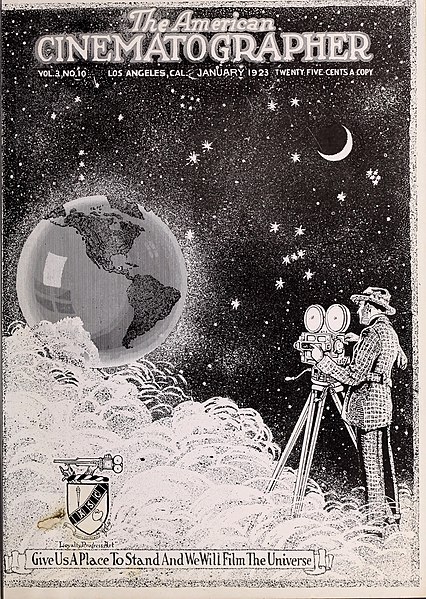
Initially skeptical, *American Cinematographer* shifted its stance as German filmmakers began to reshape Hollywood's landscape. Early issues expressed doubts about German films, fearing they might threaten American cinema. However, columns like "Jimmy the Assistant" soon recognized the artistic merit and innovative techniques of films such as *Madame DuBarry* and *The Cabinet of Dr. Caligari*.
Weimar filmmakers like F.W. Murnau introduced groundbreaking techniques, particularly the unchained camera technique in *Sunrise*. This dynamic approach caught the eye of *American Cinematographer*, leading to a gradual acceptance of these advancements in Hollywood films. The publication began highlighting the valuable contributions of German directors and cinematographers to the evolving landscape of American cinema.
By the late 1920s, the influence of European cinematic styles had become undeniable, leading to a significant shift in *American Cinematographer's* coverage. The once skeptical publication now celebrated the artistic and technical advancements brought by German films, acknowledging their significant role in elevating Hollywood's creative standards.
Here's a snapshot of the shift:
| Year | Perspective | Significant Films |
|---|---|---|
| 1919 | Skeptical | *Madame DuBarry* |
| 1920 | Skeptical | *The Cabinet of Dr. Caligari* |
| 1927 | Appreciative | *Sunrise* |
| Late 1920s | Accepting European influences | Diverse |
| 1930s | Celebratory | Numerous Hollywood films |
This shift marked a turning point, seamlessly blending European influences into the fabric of American cinema.
Key Filmmakers and Innovations
Several key German filmmakers left an indelible mark on 1930s Hollywood, transforming its narrative and visual landscapes. Figures like Ernst Lubitsch and F.W. Murnau brought a wealth of creative techniques. Lubitsch, known for his sophisticated comedies, and Murnau, who introduced the unchained camera in *Sunrise* (1927), notably influenced Hollywood's artistic sensibilities. Their impact is evident in the dynamic cinematography that became a hallmark of American films by the late 1920s.
Karl Freund's groundbreaking work in *The Last Laugh* (1924) showcased dynamic camera movements that soon permeated Hollywood's visual style. The arrival of émigré directors like Fritz Lang and Billy Wilder further deepened this influence. Lang's emphasis on psychological complexity and innovative visuals was instrumental in shaping the film noir genre. His film *M* (1931) blends German Expressionism with a gripping narrative, leaving a lasting impact on American thrillers.
The collaboration between Hollywood studios and these European talents resulted in a fusion of cultural sensibilities. This blend enriched Hollywood's narrative depth and technical sophistication, forever altering its cinematic landscape.
Economic and Industry Dynamics
During the late 1920s, economic instability in Germany profoundly impacted its film industry, reshaping international dynamics. The bankruptcy of UFA, Germany's leading film studio, led it to seek financial assistance from Hollywood studios like MGM and Paramount. These American studios provided loans in exchange for guaranteed film placements, shifting the balance of power towards American cinema.
As production costs in Germany increased, German cinemas increasingly favored American films, reinforcing Hollywood's dominance. This economic shift also precipitated a significant cultural exchange, as filmmakers and actors from Europe, fleeing the rise of the Nazi regime, sought refuge in Hollywood. This migration brought innovative cinematic techniques and storytelling styles developed during the Weimar period to the United States.
Hollywood benefited immensely from this infusion of artistic talent and innovation. Directors like Ernst Lubitsch and cinematographers like Karl Freund introduced techniques that revolutionized film production. By the mid-1930s, American cinema had successfully integrated these European elements, setting a new standard that combined artistic depth with mass appeal. This transformation highlighted the substantial impact of the German film industry on Hollywood, despite the economic turmoil of the era.
Political Changes and Legacy
As the Nazi regime rose to power in Germany, a wave of talented filmmakers and actors emigrated to Hollywood, bringing with them groundbreaking techniques and storytelling styles that would reshape American cinema in the 1930s. This emigration included luminaries like Billy Wilder and Fritz Lang, whose German roots infused Hollywood with a fresh influence. These filmmakers introduced elements of Expressionism, such as chiaroscuro lighting and psychological depth, which quickly became staples in genres like the thriller and film noir.
The political changes in Europe during the 1930s didn't just alter the landscape of cinema but also the themes that Hollywood examined. Films began reflecting narratives of exile, identity, and resistance against totalitarianism, as evidenced by classics like *Casablanca* (1942). The influx of European émigrés also contributed to a decline in censorship, pushing for more complex storylines and diverse representation.
The legacy of this time is profound. The impact of these German filmmakers can still be seen in the sophisticated visual techniques and psychological themes prevalent in modern cinema. Their influence helped shape a period of Hollywood that was richer, more daring, and ultimately more reflective of the complex world around it.