The Impact of Technicolor on 1930s Cinema
Technicolor revolutionized 1930s cinema, transforming visual storytelling by introducing vibrant color to the screen. The transition from monochrome to vivid hues made scenes more compelling and emotionally resonant. Films like "Becky Sharp" and "The Wizard of Oz" captivated audiences with their bold use of color, influencing set design and fashion. But how did Technicolor reshape filmmaking and leave a lasting cultural impact? The journey of this technological marvel is as fascinating as the films it brought to life.
Evolution of Technicolor
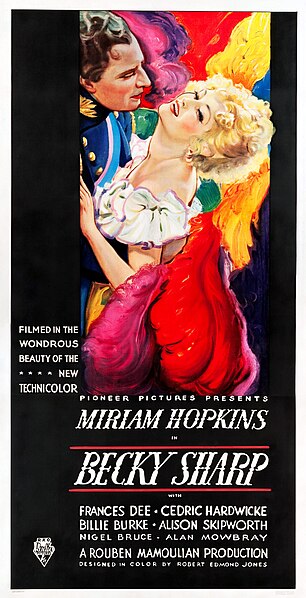
In the 1930s, Technicolor's three-color process revolutionized cinema by introducing vibrant and realistic color images to the screen. This groundbreaking technology marked a significant advancement in the film industry, enabling filmmakers to create vivid visuals that captivated audiences. The three-color process, initially showcased in the 1935 film "Becky Sharp," transitioned the industry from the constraints of black-and-white filmmaking to a new era of color.
Prior to Technicolor, early color processes were often rudimentary and produced unsatisfactory results. Technicolor's innovation lay in its three-strip process, which used prisms to separate colors into red, blue, and green. These individual color components were then combined to form a full-color image, resulting in a richer and more dynamic visual experience.
The precision and consistency achieved through Technicolor's dye transfer printing method set a new industry standard. By ensuring color fidelity and enhancing visual storytelling, Technicolor's advancements provided filmmakers with the tools to evoke stronger emotional responses from audiences. This leap in color technology not only elevated the aesthetic quality of films but also established a lasting legacy in the film industry, making color movies a fundamental aspect of cinematic history.
Technicolor in Hollywood
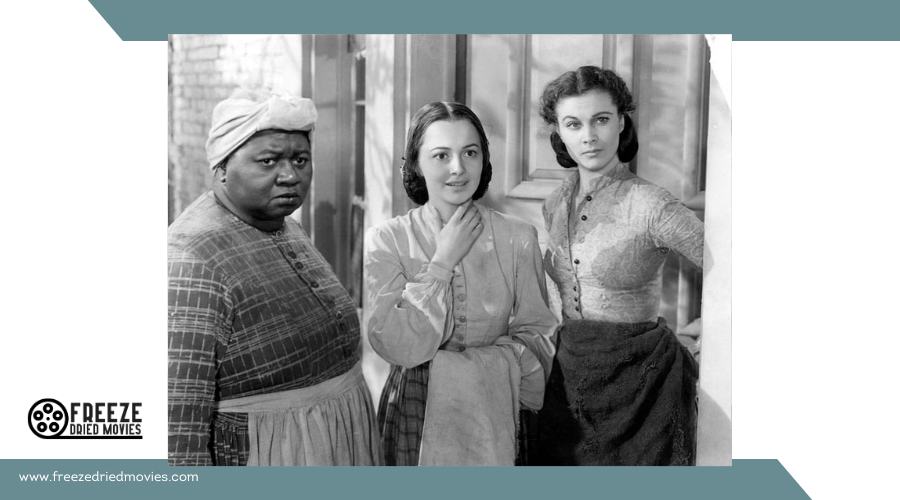
Technicolor's three-color process didn't just revolutionize cinema; it also made a significant impact in Hollywood, transforming the visual landscape of American filmmaking. When "Becky Sharp" premiered in 1935, it marked a groundbreaking shift from the black-and-white films that had long dominated the industry. Technicolor films like "The Wizard of Oz" and "Gone with the Wind" demonstrated the technology's ability to create vibrant and realistic color images, adding depth and emotional resonance to storytelling.
In Hollywood, this transition to color didn't just enhance aesthetics; it redefined narrative construction. The Technicolor No. IV process, utilizing a three-strip technique, allowed filmmakers to explore new visual dimensions, resulting in unforgettable cinematic moments. The emotional impact of scenes was amplified through carefully selected color palettes, making films more engaging and memorable.
Filmmaking Innovations
The introduction of Technicolor's three-color process in the 1930s revolutionized cinema by significantly expanding its visual capabilities. This technological leap initiated a wave of filmmaking innovation, compelling filmmakers to revise their approaches to cinematography and lighting. This era, often termed the Golden Age of Hollywood, was distinguished by several key advancements:
- Cinematography Techniques: Filmmakers refined their techniques to enhance the vividness of Technicolor, meticulously balancing light and shadow to achieve optimal visual effects.
- Set and Costume Design: There was a notable increase in creativity in set and costume design, as filmmakers utilized the Technicolor process to produce visually striking and hyper-realistic scenes.
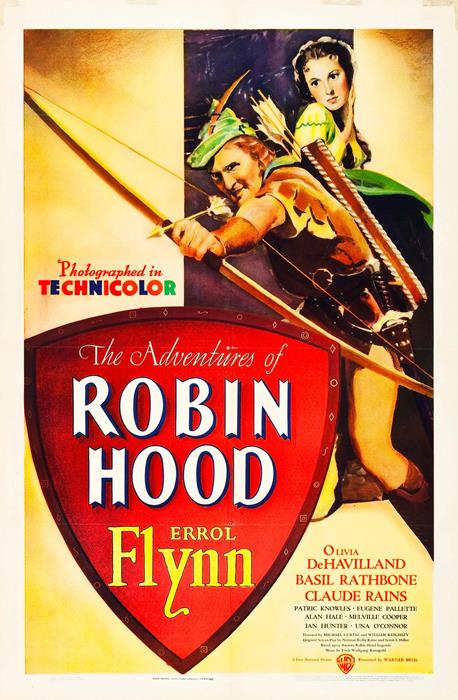
- Narrative Use of Color: Color emerged as a vital narrative element, with directors leveraging it to express emotions and themes, exemplified by films like *The Adventures of Robin Hood* (1938).
- Cultural Influence: The success of Technicolor films led to cultural shifts, influencing fashion and design trends that mirrored the vibrant palettes featured in these movies.
These innovations not only established new standards for visual storytelling but also had a profound and lasting impact on the cultural landscape of the time.
Emotional Resonance
Technicolor enhanced the emotional resonance of 1930s films by strategically using color. Filmmakers employed specific hues to symbolize emotions and plot developments, fostering a deeper connection to the characters. This technique, exemplified in classics like *The Wizard of Oz*, revolutionized visual storytelling by aligning colors with emotional tones, enriching the cinematic experience.
Color-Driven Narrative Techniques
How did Technicolor revolutionize storytelling in the 1930s? By introducing a vibrant color palette, Technicolor enabled filmmakers to evoke specific emotions through their films. Research from the period indicated that certain colors could amplify emotional resonance: red and yellow elevated feelings of joy and excitement, while blue and gray were associated with tragedy and melancholy. This wasn't merely about making movies visually appealing; it was about using color symbolism to deepen the narrative.
Consider the following visual techniques that demonstrate this:
- Color Transitions: In *The Wizard of Oz*, the shift from sepia to vibrant color symbolizes Dorothy's journey from the mundane to the magical.
- Enhanced Drama: Directors used vivid colors to mark crucial moments, intensifying the emotions of those scenes.
- Character Development: Color changes throughout a film could reflect a character's emotional evolution, guiding the audience through their inner journey.
- Emotional Impact: Films like *Gone with the Wind* used lush Technicolor to reinforce the grandeur and intensity of key scenes.
Symbolism Through Color
In 1930s cinema, the advent of Technicolor revolutionized storytelling by enabling the use of color as a powerful narrative tool. Filmmakers didn't merely use colors for visual appeal; they employed them to convey deeper meanings and evoke specific emotions. Research from the period revealed that colors like gray, blue, and purple were associated with tragedy, while yellow, orange, and red were linked to comedy. This color-emotion connection was vital in shaping narratives.
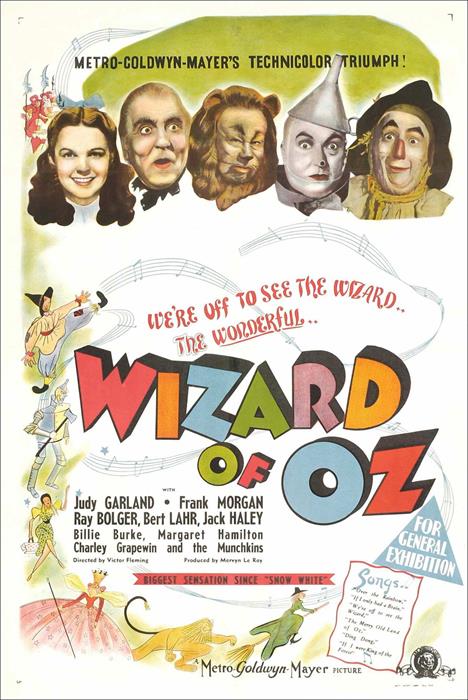
For instance, *The Wizard of Oz* exemplifies this technique brilliantly. The transition from sepia tones to vibrant Technicolor as Dorothy enters Oz symbolizes her shift from a mundane reality to a fantastical world. This change isn't just visual; it's a narrative device that enhances emotional engagement. Red, in particular, is used effectively in dramatic scenes to highlight character motivations and deepen the emotional connection to the story.
Robert Edmond Jones explored how Technicolor's vivid palette could elevate dramatic storytelling. Through intentional color symbolism, 1930s filmmakers crafted richer, more emotionally resonant narratives that captivated audiences, thereby enhancing the cinematic experience.
Emotional Color Palettes
Emotional color palettes in 1930s cinema were not merely about aesthetics; they were meticulously designed to evoke specific feelings and enhance audience engagement. Research from that era demonstrated a connection between colors and emotional responses: gray, blue, and purple conveyed tragedy, while yellow, orange, and red signaled comedy, highlighting the psychological impact of color in storytelling. Technicolor films like *The Wizard of Oz* expertly utilized these palettes to create lasting emotional resonance.
Consider how red, known for its dramatic effect, heightened emotional engagement and intensified the narrative's impact when used strategically:
- Tragic Scenes: Gray, blue, and purple invoked somber emotions, ideal for sorrowful moments.
- Comedic Moments: Yellow, orange, and red brought warmth and joy, enhancing comedic elements.
- Dramatic Climax: Red, in particular, added intensity, making dramatic scenes unforgettable.
- Nostalgia and Memory: Lively Technicolor palettes evoked nostalgia and idealized memories, forming a deep emotional connection.
Robert Edmond Jones emphasized that color's role in cinema transcended mere aesthetics, serving as a crucial narrative device. Technicolor's vibrant hues not only pleased the eye but also shaped audience perception and emotional experience, making each scene more poignant and memorable.
Cultural Influence
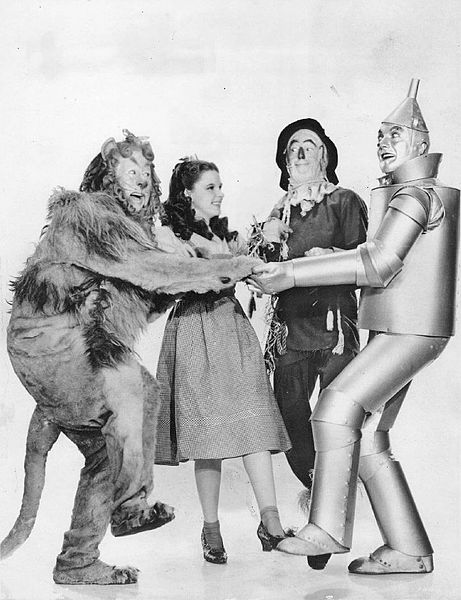
You'll see how Technicolor didn't just change movies; it changed everyday life, too. The vibrant colors on screen influenced fashion trends, with people eager to emulate the bold styles they saw in films like *The Wizard of Oz*. Artists and designers worldwide also took inspiration, incorporating Technicolor's unique palettes into their work, making the 1930s a decade of vivid cultural transformation.
Shaping Popular Fashion Trends
Technicolor films like *The Wizard of Oz* and *Gone with the Wind* not only mesmerized audiences with their pioneering use of color but also revolutionized the fashion trends of the late 1930s. The vivid hues showcased on the silver screen set new fashion standards, with bold and bright clothing styles becoming highly sought after. The emotional impact of these Technicolor films made viewers eager to emulate the glamour and vibrancy they saw on-screen in their own wardrobes.
Imagine strolling down a bustling 1930s street and encountering:
- Rich red dresses inspired by Scarlett O'Hara's iconic gown in *Gone with the Wind*.
- Emerald green accessories reflecting the lush landscapes of *The Wizard of Oz*.
- Brightly colored hats resembling the whimsical hues worn by Dorothy.
- Elaborate costumes echoing the intricate designs showcased in these films.
Fashion magazines quickly took notice, featuring spreads influenced by Technicolor films, which directly shaped popular clothing styles and accessories. This cinematic use of color transcended the screen, permeating daily life and boosting sales for designers and retailers. The rich color palettes of Technicolor movies became emblematic of the era's fashion, significantly impacting how people dressed and expressed themselves during the Great Depression.
Inspiring Artistic Movements Globally
Technicolor's revolutionary transformation of 1930s cinema transcended Hollywood, igniting a global artistic movement that embraced color like never before. Iconic Technicolor films such as *The Wizard of Oz* and *Gone with the Wind* set new benchmarks for visual storytelling with their vibrant palettes. Filmmakers worldwide recognized the potential of color to enhance emotional depth and eagerly incorporated these techniques to enrich their narratives.
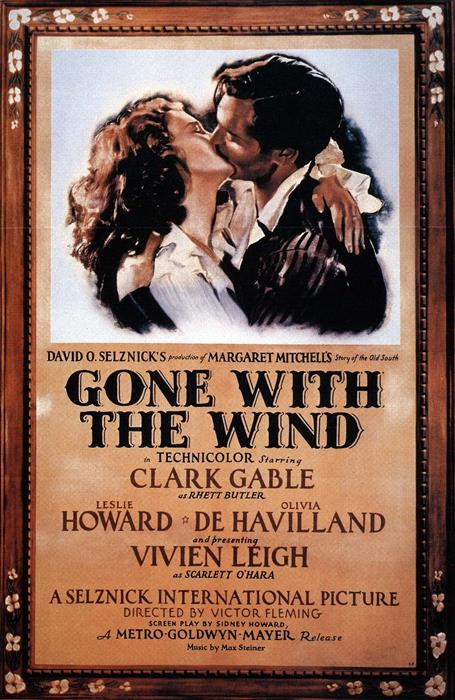
In Europe and Asia, directors delved deeply into the use of color, inspired by Technicolor's success. The rich, saturated tones became a universal language that transcended cultural boundaries, inspiring diverse cinematic aesthetics. This embrace of color extended beyond film, captivating fashion designers and artists, and catalyzing broader cultural movements that emphasized bold, experimental uses of color.
Technicolor's influence also permeated future artistic movements. For instance, Pop Art and Color Field painting heavily relied on the emotional power and vividness of Technicolor's palettes. By integrating these elements, artists conveyed deeper meanings and evoked stronger emotions. In essence, Technicolor didn't just revolutionize cinema; it transformed the use of color across various creative disciplines.
Lasting Legacy
The revolutionary impact of the three-color Technicolor process in the 1930s continues to influence the modern cinematic landscape. Technicolor's innovation produced films with colors so vivid and lifelike that they fundamentally transformed the era of cinema. Iconic movies like *The Wizard of Oz* and *Gone with the Wind* are not merely films; they are emotional experiences that set new standards for visual storytelling.
Technicolor's legacy extends beyond film, influencing various aspects of culture and technology:
- Fashion Design: The bold colors seen in Technicolor films inspired fashion trends.
- Popular Culture: The vibrant palettes mirrored societal emotions of the time.
- Filmmaking Techniques: Future filmmakers continue to draw inspiration from this vivid technology.
- Film Restoration: Classic Technicolor films are meticulously restored, reflecting their enduring influence.
Technicolor's impact is evident in contemporary cinema, where filmmakers strive to evoke similar emotional resonance and visual splendor. The advancements in color technology from the 1930s laid the groundwork for today's cinematic artistry. Despite technological evolution, the aesthetic and emotional power of Technicolor remains a guiding star in the world of film.