The Glamour of 1930s Hollywood: Fashion, Style, and Cinema
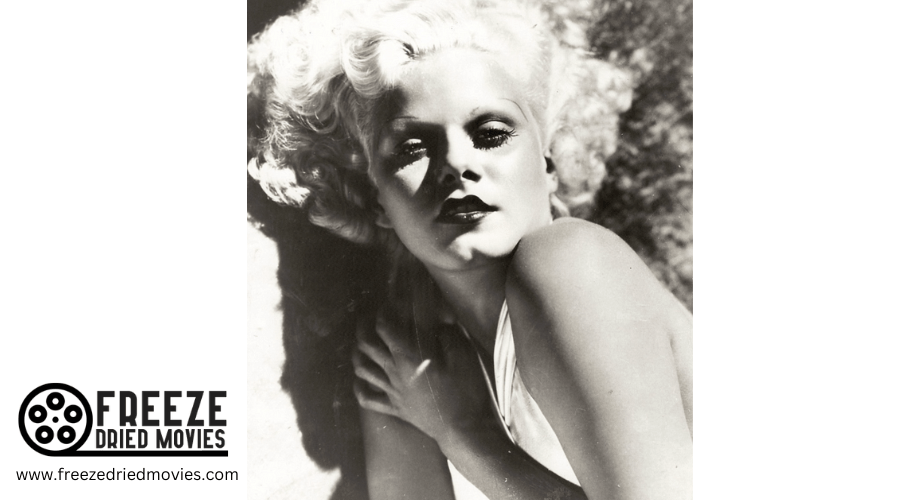
The glamour of 1930s Hollywood is synonymous with elegance and sophistication. Icons like Jean Harlow and Joan Crawford set fashion trends that captivated the public. Luxurious fabrics, floor-length gowns, and bias cuts enhanced women's silhouettes, transforming fashion. Costume designers such as Gilbert Adrian and Edith Head blurred the lines between high fashion and everyday wear. How did these iconic elements influence both cinema and fashion? Let's explore the nuances that made this era unforgettable.
Overview of 1930s Glamour
The 1930s glamour aesthetic extended beyond mere fashion; it was a testament to elegance and sophistication during Hollywood's Golden Age. This era was characterized by luxurious fabrics, floor-length evening gowns, and intricate details such as embroidery, fur, and jewels. Iconic stars like Jean Harlow, Carole Lombard, and Joan Crawford set the tone, embodying sophisticated silhouettes and bold designs that defined the decade.
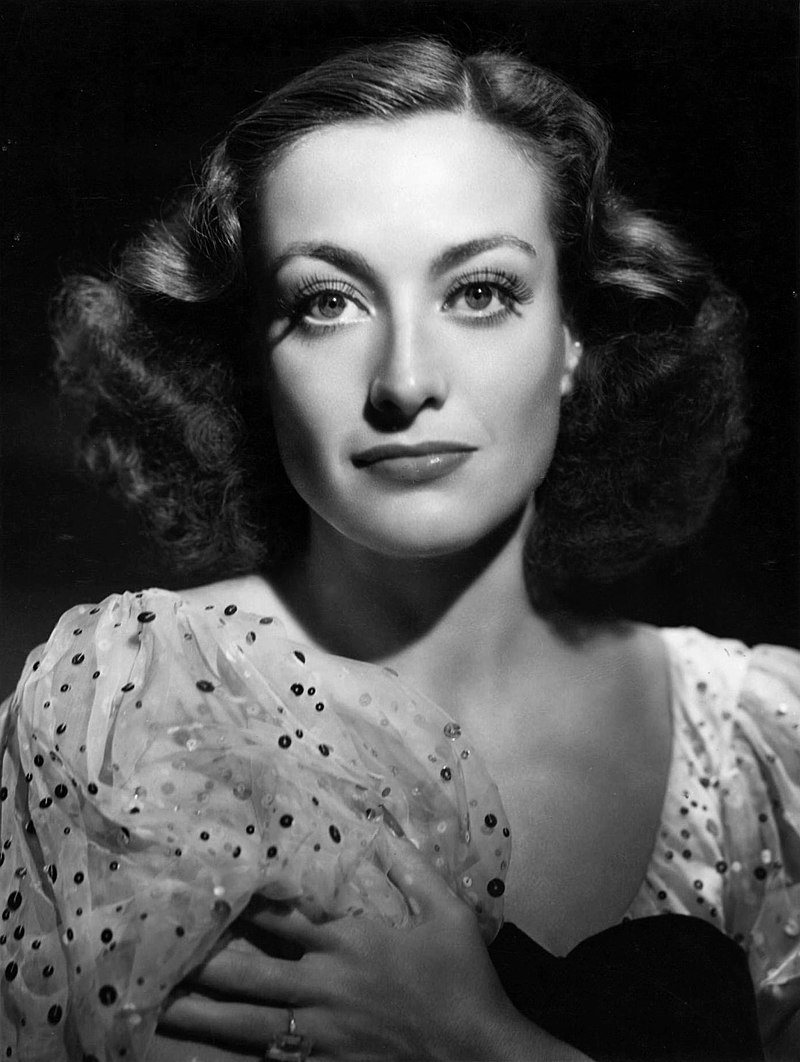
A revolutionary innovation of the period was the bias cut, pioneered by designer Madeleine Vionnet. This technique transformed evening gown designs by allowing for greater fluidity and body-conscious draping, creating a look synonymous with 1930s fashion. The bias cut gave gowns a natural flow, emphasizing the wearer's figure in a modest yet alluring manner.
Costume designers like Gilbert Adrian and Travis Banton were instrumental in shaping the decade's fashion trends. Their iconic designs often blurred the lines between underwear and outerwear, marking a departure from the boyish styles of the 1920s. Embracing more feminine silhouettes with natural waistlines and strong shoulder pads, their work underscored the period's focus on timeless elegance and sophistication.
Evolution of Fashion Trends
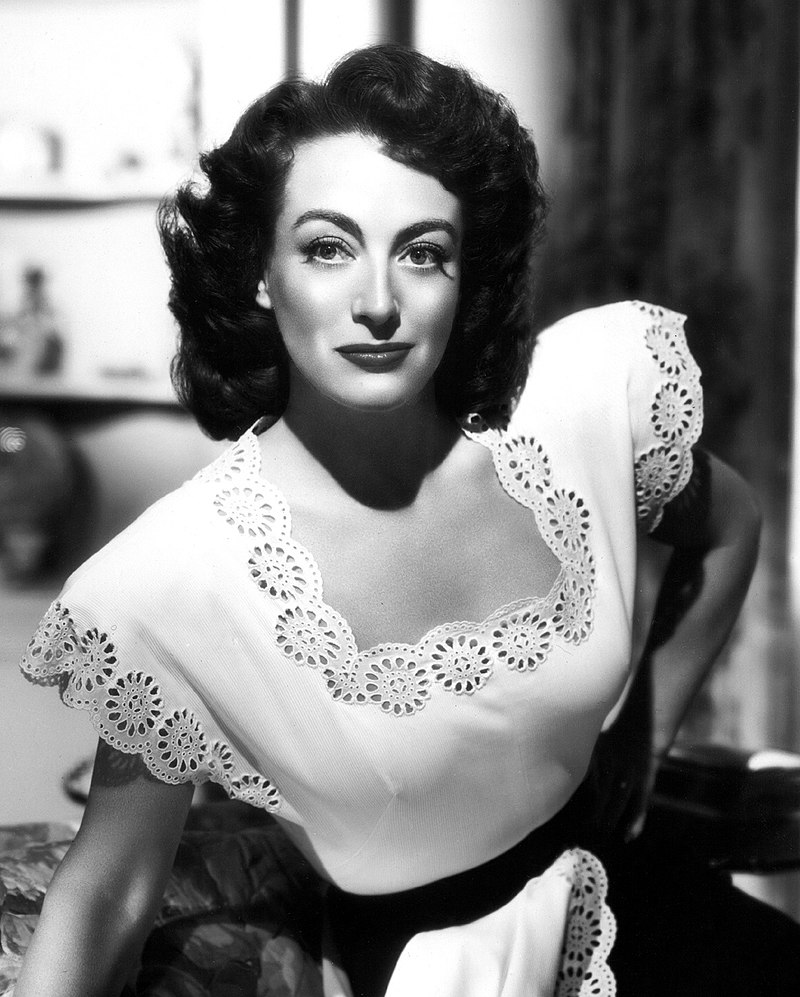
Throughout the 1930s, fashion underwent a significant transformation, shifting from the carefree flapper styles of the Roaring Twenties to more conservative silhouettes. Skirts lengthened, waistlines returned to their natural position, and femininity became the central focus. Hollywood played a crucial role in shaping these trends, with stars like Jean Harlow and Joan Crawford donning glamorous evening gowns that epitomized the period's opulent aesthetic.
Designer Madeleine Vionnet introduced the bias cut, revolutionizing evening wear by allowing fluid draping that elegantly hugged the body. This technique became a hallmark of 1930s fashion, especially in Hollywood, where costume designers like Adrian and Travis Banton embraced it. Their designs often featured daring décolletage and form-fitting silhouettes, captivating audiences and blurring the lines between underwear and outerwear.
Everyday fashion in the 1930s was more practical yet retained an air of femininity. Dresses with modest necklines and hem lengths below the knee reflected the conservative societal norms of the time. The influence of Hollywood's glamorous costumes ensured that even daywear maintained a touch of cinematic elegance.
Iconic Fashion Designers
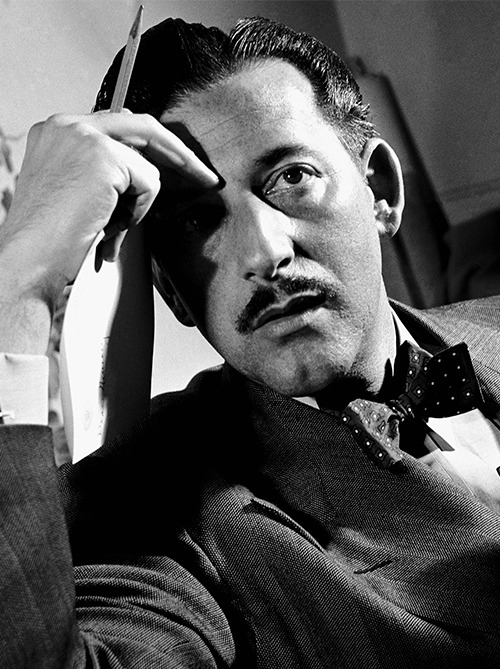
You're about to delve into the minds behind the iconic styles of 1930s Hollywood. Coco Chanel, Elsa Schiaparelli, Gilbert Adrian, Edith Head, and Travis Banton revolutionized fashion with their innovative designs and distinctive trademarks. These designers were the architects of Hollywood's glamour, shaping the looks of screen legends and setting enduring trends that defined an era.
Influential Design Innovators
Influential designers of the 1930s, including Coco Chanel, Elsa Schiaparelli, Gilbert Adrian, Edith Head, and Madeleine Vionnet, revolutionized Hollywood glamour. Coco Chanel redefined women's fashion with her elegant, comfortable designs, such as the iconic little black dress, which aligned perfectly with the sophistication of the era. Elsa Schiaparelli's innovative knitwear and surrealist designs, often in collaboration with Salvador Dalí, blurred the lines between art and clothing, making her pieces highly sought after by movie stars.
Gilbert Adrian, a leading costume designer for MGM, popularized shoulder pads and luxurious fabrics in Hollywood costumes, greatly influencing the glamorous aesthetic of the time and defining the look of numerous films. Edith Head, a prolific costume designer, created iconic looks for over 1,000 films, shaping public perception of style through her collaborations with stars like Audrey Hepburn. Lastly, Madeleine Vionnet introduced the bias cut, allowing for fluid draping and body-conscious silhouettes that epitomized the elegance and sophistication of women's evening wear during the decade.
Signature Fashion Elements
The fashion landscape of the 1930s was profoundly influenced by key designers who introduced signature elements that defined the period's style. Coco Chanel and Elsa Schiaparelli were trailblazers, setting trends with their bold and feminine designs. Chanel's sleek, elegant lines and Schiaparelli's playful, surrealist touches brought a fresh, daring look to women's fashion, emphasizing elegance and fluidity.
Gilbert Adrian, renowned for his work at MGM, transformed evening gowns with glamorous styles featuring shoulder pads and luxurious fabrics like silk and velvet. His designs became synonymous with Hollywood glamour, influencing red-carpet fashion for years to come. Madeline Vionnet's introduction of the bias cut was another game-changer. This technique allowed for fluid draping and body-conscious silhouettes, creating styles that highlighted the natural waistline and gave evening wear a sophisticated appeal.
Edith Head, with her impeccable costume designs for over 1,000 films, also played an essential role in defining star fashion. Her work often blurred the lines between everyday and high fashion, making Hollywood's glamorous looks both accessible and aspirational. These designers' innovations left an indelible mark on 1930s fashion, shaping the period's iconic style.
Hollywood's Style Architects
Hollywood's style architects of the 1930s were true visionaries who shaped the glamour and elegance that defined the period. Gilbert Adrian, a pivotal figure, popularized the use of evening gowns and shoulder pads, setting trends that influenced star styles both on and off the screen. His groundbreaking costume designs became synonymous with Hollywood sophistication.
Edith Head, another iconic designer, left an indelible mark by creating timeless looks for over 1,000 films. Her ability to blend character requirements with high fashion greatly impacted both cinematic and mainstream fashion trends. Head's work ensured that the stars radiated elegance and style, cementing her status as a Hollywood legend.
Coco Chanel introduced practical yet elegant clothing, focusing on more feminine silhouettes with natural waistlines and luxurious fabrics. Her influence brought a sense of refined simplicity to 1930s fashion, balancing practicality with undeniable glamour.
These designers' contributions were essential in crafting the visual allure of 1930s Hollywood. Their legacy lives on, continuing to inspire fashion enthusiasts and designers alike.
- Gilbert Adrian: Innovator of evening gowns and shoulder pads.
- Edith Head: Created timeless looks for countless films.
- Coco Chanel: Introduced practical elegance with feminine silhouettes.
Glamour Icons of the 1930s
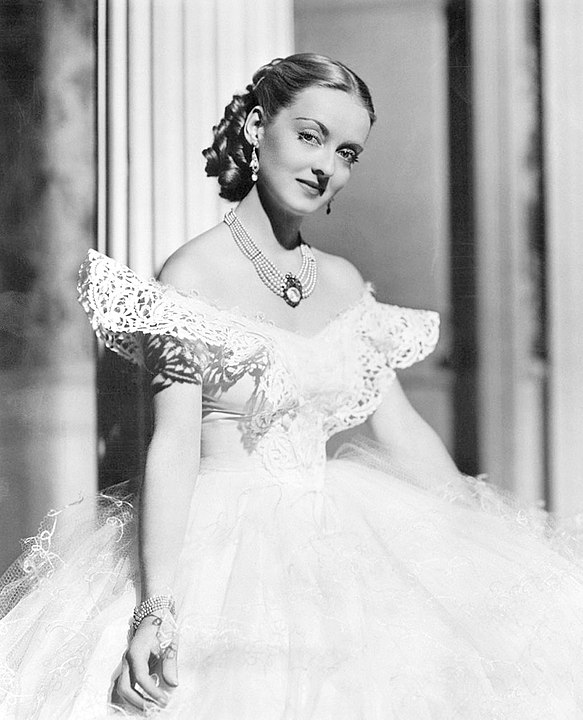
Among the most enchanting figures of 1930s Hollywood, Jean Harlow, Joan Crawford, Myrna Loy, Greta Garbo, and Bette Davis stood out as epitomes of glamour. Jean Harlow, often called the "Platinum Blonde," captivated audiences with her draped evening gowns and bold persona, setting the tone for fashion and film. Joan Crawford, known for her strong shoulder silhouettes and elegant gowns designed by Adrian, defined Hollywood's glamorous aesthetic and set trends that would influence fashion for decades.
Bette Davis embraced luxurious fabrics and intricate designs, symbolizing the sophistication of 1930s Hollywood with her daring and elegant style choices. Myrna Loy gained popularity for her roles in romantic comedies and showcased her sophisticated fashion sense, highlighting the evolving feminine styles of the decade.
Greta Garbo, with her mysterious allure and taste for luxury, embodied the era's elegance. The groundbreaking bias cut in dresses by designers like Madeleine Vionnet allowed for fluid draping, highlighting women's curves and defining 1930s glamour.
Everyday Fashion Styles
Everyday fashion in the 1930s embraced a blend of practicality and femininity. Dresses were designed to accentuate the waist and typically fell below the knee, featuring modest necklines and feminine patterns like floral or geometric designs. Lightweight fabrics such as cotton and silk ensured comfort while maintaining a refined look, striking a balance between elegance and everyday wearability.
Tailored suits became a staple for women, bringing a sense of sophistication to daily attire. These suits often showcased strong shoulder silhouettes and structured designs, echoing the period's Hollywood glamour. The bias cut was another popular innovation, allowing for fluid draping that enhanced the feminine silhouette and offered a modern twist on traditional styles.
Accessories were crucial in completing an outfit, adding an extra layer of sophistication and class. Wide-brimmed hats and gloves were essential components, often worn in social settings and serving as symbols of elegance.
- Modest Necklines and Feminine Patterns: Dresses featured modest necklines and floral or geometric patterns.
- Tailored Suits: Structured designs with strong shoulders.
- Wide-Brimmed Hats and Gloves: Essential accessories for a sophisticated look.
This combination of elements captured the spirit of 1930s everyday fashion, seamlessly blending practicality with a touch of glamour.
Cinema's Influence on Fashion
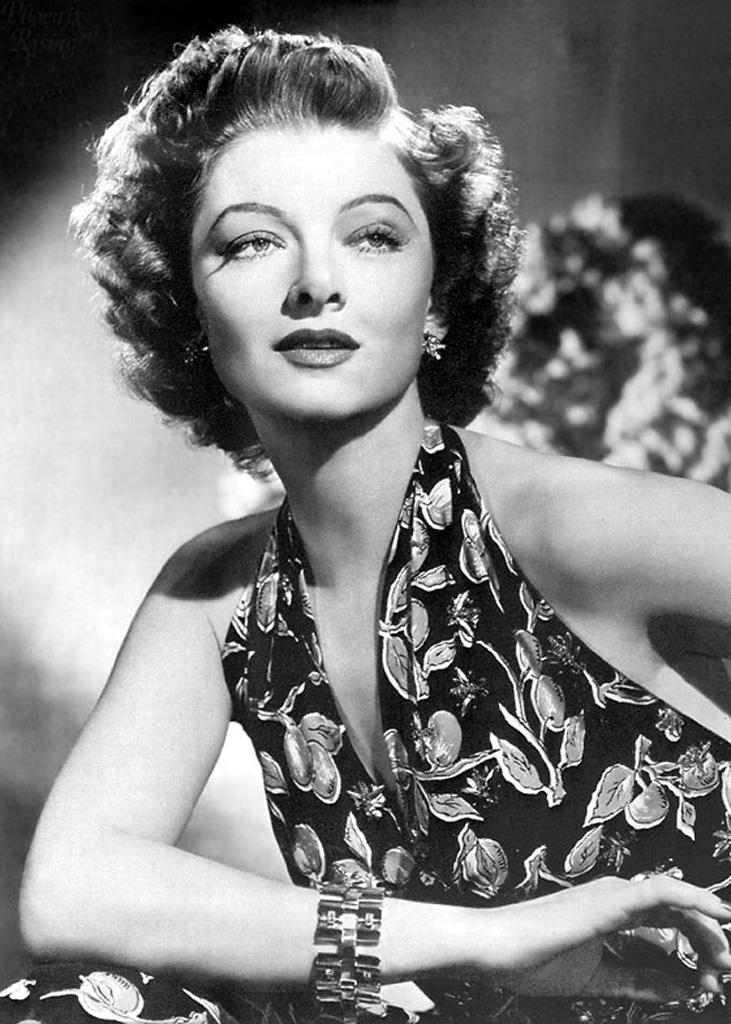
When considering 1930s Hollywood, it's evident that stars like Jean Harlow and their iconic film wardrobes set fashion trends that everyone aspired to emulate. With glamorous red carpet looks and bold costume choices, Hollywood's fashion trailblazers influenced everything from everyday attire to haute couture. These cinematic styles transcended the screen, shaping fashion and beauty standards for years.
Hollywood's Fashion Trendsetters
In the 1930s, Hollywood's fashion trendsetters had a significant impact on public style, with icons like Jean Harlow setting high standards with her glamorous evening gowns and platinum blonde hair. Costume designers such as Adrian and Travis Banton played pivotal roles, creating designs that blurred the lines between underwear and outerwear, making glamorous evening gowns a fashion staple.
The bias cut, introduced by designers like Madeline Vionnet, revolutionized dressmaking by allowing for fluid silhouettes that accentuated the female form. This technique became a hallmark of 1930s fashion. Actresses such as Joan Crawford and Myrna Loy popularized strong shoulder silhouettes and tailored suits, emphasizing sophisticated and elegant femininity—a stark contrast to the flapper styles of the 1920s.
Hollywood's influence extended beyond the screen, impacting everyday fashion and retail markets. The designs worn by these stars often led to mass-produced versions, enabling the public to emulate their favorite celebrities' looks.
- Jean Harlow: Icon of glamour with draped evening gowns
- Bias cut dresses: Revolutionized by Madeline Vionnet
- Strong shoulder silhouettes: Popularized by Joan Crawford and Myrna Loy
Iconic Film Wardrobe Choices
Hollywood films of the 1930s drew audiences into a world of elegance and sophistication, showcasing wardrobes that left a lasting mark on fashion. Designers like Adrian and Travis Banton created unforgettable costumes that blurred the lines between underwear and outerwear, featuring daring decolletage and body-conscious silhouettes. These choices helped define the glamorous aesthetic of the period.
Jean Harlow's signature draped evening gowns, often made of slinky silk and cut on the bias, epitomized this glamorous aesthetic. Her looks influenced fashion trends both on and off the screen, setting a high bar for elegance and sophistication. In films like "Dinner at Eight," designers used luxurious fabrics and intricate embellishments to create eye-catching looks, cementing characters' statuses as fashion icons.
The structured silhouette, popularized by Joan Crawford with the introduction of shoulder pads, became a hallmark of 1930s glamour. These bold fashion choices not only defined the characters but also inspired everyday fashion. Iconic films of the period served as fashion showcases, with stars' costumes influencing retail trends and consumer styles, ensuring that the impact of these glamorous wardrobes would be felt for decades.
Red Carpet Inspirations
Hollywood's golden age of the 1930s not only illuminated the silver screen but also revolutionized red carpet fashion. The era's red carpet styles were deeply influenced by the glamorous evening gowns and sophisticated looks of stars like Jean Harlow and Joan Crawford. These icons popularized floor-length dresses made from luxurious fabrics such as silk and satin, setting a high standard for elegance and sophistication.
Costume designers like Gilbert Adrian and Travis Banton were instrumental in shaping these trends. They created iconic outfits that seamlessly blended casual and formal elements, influencing women's fashion for decades. The introduction of the bias cut by designers like Madeline Vionnet allowed gowns to drape fluidly over the body, enhancing the feminine silhouette and becoming a hallmark of 1930s red-carpet fashion.
Accessories were essential for completing the look. Hollywood stars coordinated their outfits with:
- Gloves
- Hats
- Statement jewelry
These elements were crucial for achieving a polished and sophisticated appearance. The cinematic portrayal of glamour on screen directly influenced public perception, leading audiences to emulate the styles of their favorite stars and sparking Hollywood-inspired fashion trends in everyday life.
Signature Fashion Elements
Glamorous evening gowns from the 1930s epitomize the era's signature fashion elements, characterized by luxurious fabrics like silk and innovative bias cuts that enhanced fluid movement. These gowns celebrated a woman's natural curves and fluid silhouettes. Renowned costume designers such as Adrian and Travis Banton set the decade's style, popularizing bold features like shoulder pads and daring necklines.
Iconic stars like Jean Harlow and Joan Crawford embraced these glamorous silhouettes, emphasizing the natural waistline. Their sophisticated looks defined the period, making the bold elements they wore signature parts of 1930s fashion. Accessories played a crucial role, too, with red lips, curls, and statement jewelry such as diamond earrings and long pendants being essential to achieving Old Hollywood glamour.
Everyday wear in the 1930s also reflected this elegance, though more conservatively. Dresses often featured feminine patterns and modest necklines, with hemlines falling below the knee. This shift towards conservative yet elegant silhouettes ensured that the fashion of the 1930s remained timeless, enchanting, and influential even today.