The Evolution of Special Effects in 1930s Cinema
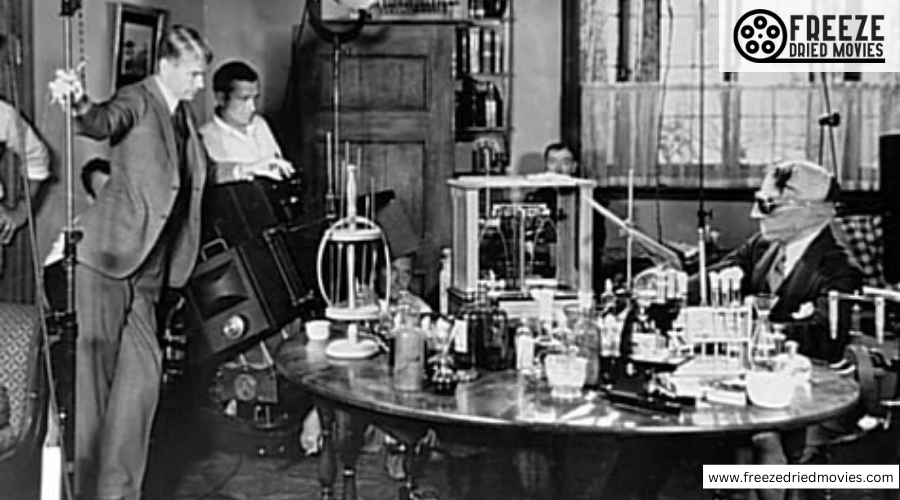
Imagine you're in the 1930s, witnessing the dawn of cinema's golden era, where special effects are beginning to transform the industry. Filmmakers are experimenting with mechanical and optical techniques, creating unprecedented visual experiences. Innovations like the Schüfftan process and rear projection paved the way for iconic films such as "The Invisible Man" and "The Wizard of Oz." These early methods set the stage for modern filmmaking, but how did they shape the cultural landscape of the time?
Definition and Categories
In the 1930s, special effects were a crucial blend of mechanical and optical techniques that revolutionized cinematic storytelling. During this era, special effects departments in major studios became indispensable, specializing in mechanical effects such as practical props and miniatures, as well as optical effects like rear projection and matte paintings. These innovations were essential for creating engaging and visually captivating worlds that drew audiences into the narrative.
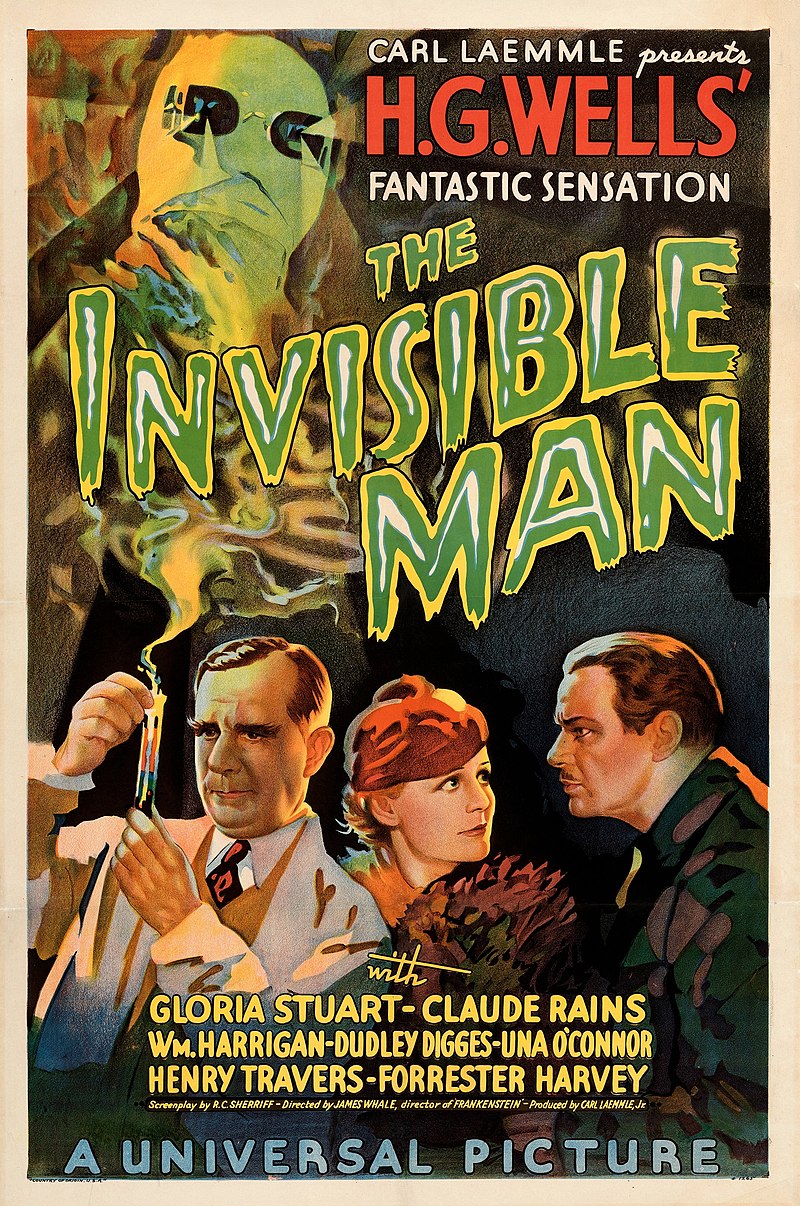
Mechanical effects included intricate miniatures and practical props, adding realism and dynamism to scenes. Notable films like "The Invisible Man" (1933) and "The Wizard of Oz" (1939) employed groundbreaking techniques, setting new standards for cinematic illusion. Optical effects, such as rear projection, allowed filmmakers to project backgrounds behind actors, reducing the need for expensive on-location shoots. Matte paintings were used to create expansive, detailed backgrounds that were otherwise impossible to film.
Recognizing the significant advancements in this field, the Academy Awards introduced the Best Achievement in Special Effects category in 1939. This acknowledgment highlighted the essential role of special effects in enhancing the visual appeal and narrative depth of films, solidifying their importance in the cinematic arts.
Historical Context
The 1930s marked a transformative period for cinema, where major studios began exclusively producing sound films, significantly enhancing the cinematic experience. This decade also saw the practical implementation of rear projection technology, enabling filmmakers to display dynamic backgrounds behind actors. This innovation created more engaging settings and enriched the storytelling experience.
Notable films such as "The Invisible Man" (1933) showcased groundbreaking special effects, demonstrating the creativity and technical proficiency of the era's special effects technicians. The establishment of dedicated special effects stages at studios like Universal facilitated these advancements, promoting better collaboration among film departments and resulting in more sophisticated and cohesive visual imagery.
The importance of special effects in cinema was further recognized with the introduction of the Best Achievement in Special Effects category at the 1939 Academy Awards. This acknowledgment highlighted the artistry involved in special effects and underscored their role in enhancing storytelling. The technological advancements of the 1930s laid a crucial foundation for the evolution of cinematic effects, which continue to evolve today.
Mechanical Effects
Mechanical effects in the 1930s revolutionized filmmaking, allowing directors to bring their visions to life with unprecedented realism. A prime example is "The Invisible Man" (1933), where innovative techniques like wires and pulleys created the illusion of invisibility. These effects went beyond mere invisibility; specialized floors with sequentially opened holes simulated realistic footprints in snow, adding depth to the visual storytelling.
In "Jack Ahoy" (1934), filmmakers used advanced physical effects to stage indoor sea battles, demonstrating the versatility of mechanical effects in creating complex scenes within studio settings. The importance of these techniques was so significant that Universal Studios established dedicated special effects stages during this era, highlighting their critical role in cinematic storytelling.
The impact of mechanical effects was further recognized in 1939 when the Academy Awards introduced the Best Achievement in Special Effects category. This acknowledgment underscored the essential role these effects played in enhancing the narrative power of films. Whether through invisibility tricks or staged battles, mechanical effects in the 1930s added a new dimension to cinema, captivating audiences and paving the way for future innovations.
Optical Techniques
Optical techniques in the 1930s revolutionized filmmaking by introducing sophisticated methods to create captivating visual effects and enhance storytelling. These advancements enabled filmmakers to push the boundaries of what was visually possible on screen.
One notable advancement was rear projection, a technique where pre-filmed backgrounds were projected behind actors. This added depth and context to scenes, making them more immersive.
The Schüfftan process was another transformative development. It involved using mirrors to combine live-action footage with miniatures or painted backgrounds, allowing for seamless integration of different visual elements. This technique was famously used in "The Invisible Man" (1933), producing believable and engaging scenes.
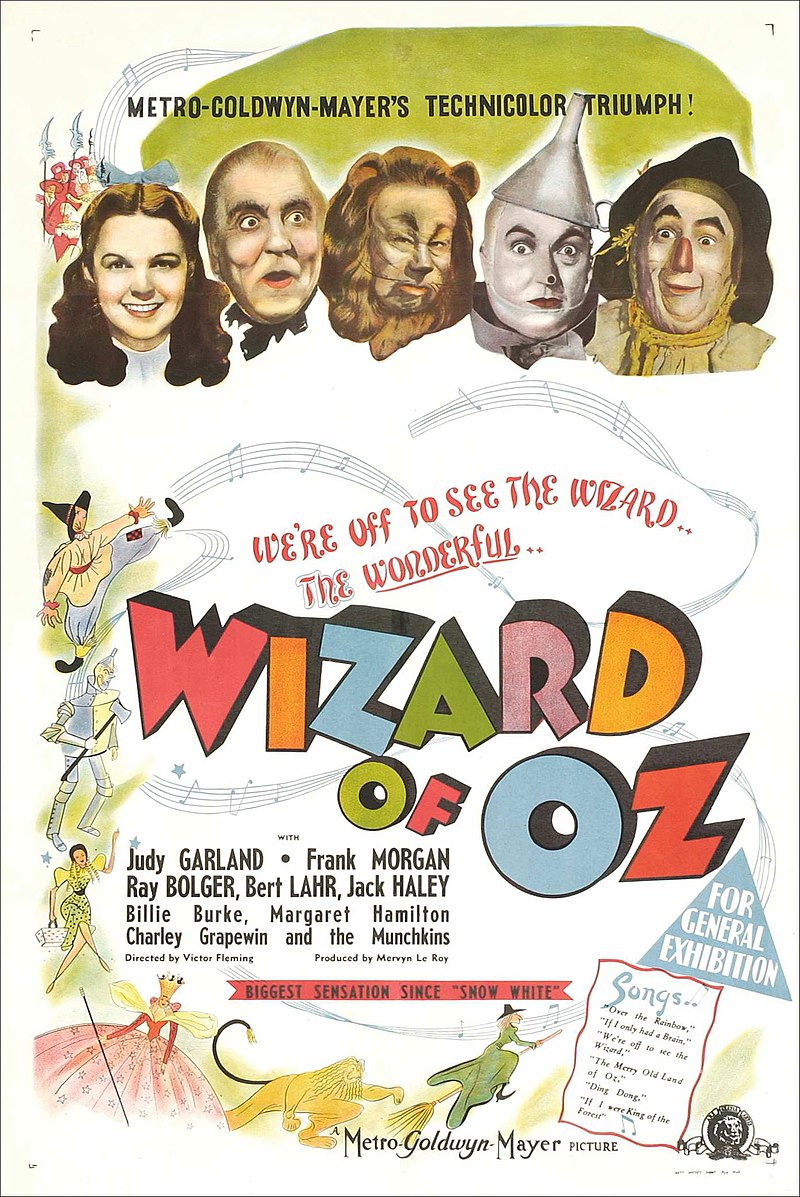
Matte paintings also became crucial during this era, as they allowed filmmakers to depict vast and intricate environments without constructing elaborate sets. For instance, "The Wizard of Oz" (1939) utilized matte paintings to blend painted backgrounds with live-action footage seamlessly, creating a cohesive and expansive world.
| Technique | Example Film | Description |
|---|---|---|
| Rear Projection | Various | Projecting pre-filmed backgrounds behind actors to enhance scene depth |
| Schüfftan Process | The Invisible Man (1933) | Using mirrors to combine live-action with painted backgrounds seamlessly |
| Matte Paintings | The Wizard of Oz (1939) | Crafting expansive environments by blending painted elements with live-action |
Additionally, the development of optical printers in the 1930s allowed for precise image layering, significantly transforming visual effects. Techniques such as double exposure and compositing became more sophisticated, laying the groundwork for future innovations in special effects and making the 1930s a pivotal decade in the history of cinema.
Notable Innovations
The 1930s were a transformative period for the film industry, marked by pioneering special effects that revolutionized cinematic storytelling. One of the most significant innovations was rear projection technology, which allowed filmmakers to project backgrounds behind actors, adding depth and realism to scenes. This technique was a game-changer, making storytelling more engaging and visually compelling.
Mechanical effects also played a crucial role during this era. A prime example is "The Invisible Man" (1933), which utilized intricate systems and wires to create captivating interactive effects that astonished audiences. These mechanical effects showcased the ingenuity and technical prowess of the time.
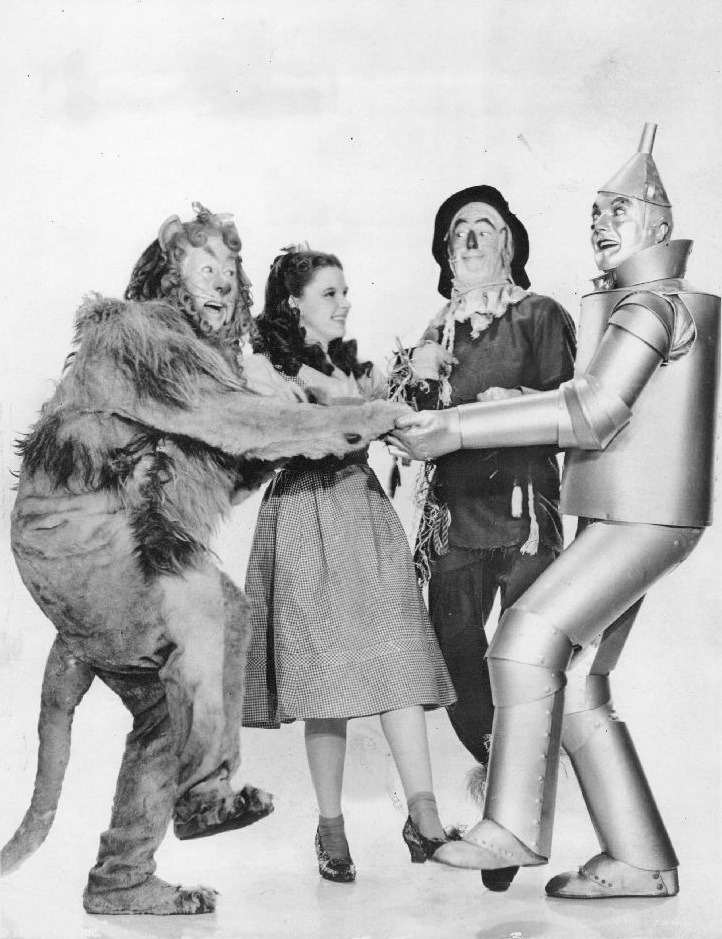
"The Wizard of Oz" (1939) featured another remarkable innovation with its tornado scene. Special effects technicians used a funnel-shaped bag to simulate the tornado, demonstrating their creativity and resourcefulness.
- Rear projection technology
- Mechanical effects in "The Invisible Man"
- Tornado simulation in "The Wizard of Oz"
Universal Studios contributed significantly by establishing dedicated special effects stages, fostering collaboration and innovation. Recognizing these advancements, the 1939 Academy Awards introduced the Best Achievement in Special Effects category, underscoring the importance of special effects in enhancing cinematic storytelling.
Iconic Films
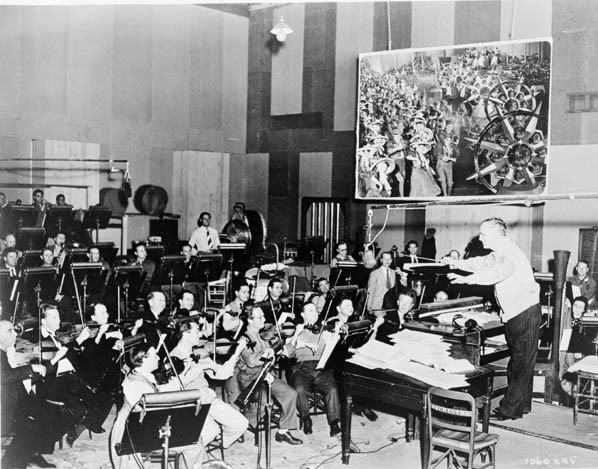
When discussing iconic films of the 1930s, "The Invisible Man" is noteworthy for its pioneering special effects that convincingly depicted invisibility. "The Wizard of Oz" captivated audiences with its innovative use of a funnel-shaped bag to simulate a tornado. Rear projection techniques further transported viewers to exotic locales, underscoring the essential role of special effects in the cinematic magic of the era.
Innovative Mechanical Effects
The 1930s marked a transformative period in cinema, particularly through the innovative use of mechanical effects in iconic films. "The Invisible Man" (1933) mesmerized audiences with pioneering techniques, employing specially designed devices to convincingly render a character invisible. These cutting-edge mechanical effects captivated viewers and set a new standard for practical effects in filmmaking.
In "Jack Ahoy" (1934), filmmakers staged impressive indoor sea battles using mechanical systems and wires. This showcased the versatility and creativity of practical effects, even in confined settings. The ingenuity didn't stop there; "The Wizard of Oz" (1939) featured a realistic tornado effect created using a funnel-shaped bag, demonstrating how mechanical effects could enhance visual storytelling.
During this period, major studios like Universal established dedicated special effects stages. These specialized environments allowed for extensive experimentation and refinement of mechanical effects, leading to more sophisticated and believable illusions.
The 1939 Academy Awards introduced the Best Achievement in Special Effects category, highlighting the importance and originality of mechanical effects in cinema.
- "The Invisible Man" (1933): Groundbreaking invisibility techniques.
- "Jack Ahoy" (1934): Indoor sea battles with mechanical systems.
- "The Wizard of Oz" (1939): Realistic tornado effect.
Rear Projection Techniques
Rear projection techniques revolutionized filmmaking in the 1930s by allowing filmmakers to project dynamic backgrounds behind actors during live-action scenes. This innovation significantly enhanced visual storytelling, adding depth and liveliness to cinematic experiences. Rear projection technology enabled iconic films like "The Wizard of Oz" (1939) to create its magical atmosphere. The vibrant scenes in Oz, for example, were achieved by projecting fantastical backgrounds, immersing both actors and audiences in a vivid, otherworldly setting.
Another classic, "The Invisible Man" (1933), demonstrated a groundbreaking use of rear projection. By blending practical effects with precisely integrated background imagery, the film convincingly portrayed the ghostly presence of its titular character. This seamless integration was revolutionary at the time and set a high standard for special effects.
In "Jack Ahoy" (1934), rear projection was effectively utilized in indoor sea battle scenes. The dynamic backgrounds brought motion and excitement to otherwise static studio shots, showcasing the technique's versatility.
The successful use of rear projection technology in these films influenced Hollywood's approach to scene composition, paving the way for more sophisticated background integration in future productions.
Cultural Impact
How did the special effects of the 1930s shape cultural perceptions and artistic endeavors? Special effects in film during this era had a profound cultural impact, pushing filmmakers to explore groundbreaking techniques and innovations. Films like "The Wizard of Oz" and "The Invisible Man" set new standards, captivating audiences with their visual storytelling.
The introduction of the Best Achievement in Special Effects category at the 1939 Academy Awards underscored the cultural significance of these advancements. It wasn't just about making movies visually stunning; it was about transforming how stories were told. These innovations encouraged filmmakers worldwide to push boundaries and experiment with new creative possibilities.
Consider these crucial points:
- Iconic Techniques: Films utilized groundbreaking special effects that redefined audience expectations.
- Award Recognition: The Best Achievement in Special Effects category at the 1939 Academy Awards highlighted their importance.
- Global Influence: The cultural impact extended beyond Hollywood, inspiring artists and filmmakers globally.
The advancements of the 1930s laid a foundation for future visual storytelling techniques. The cultural impact of these special effects was immense, changing not only how films were made but also how they were perceived and appreciated.