The Evolution of Romance in 1930s Cinema
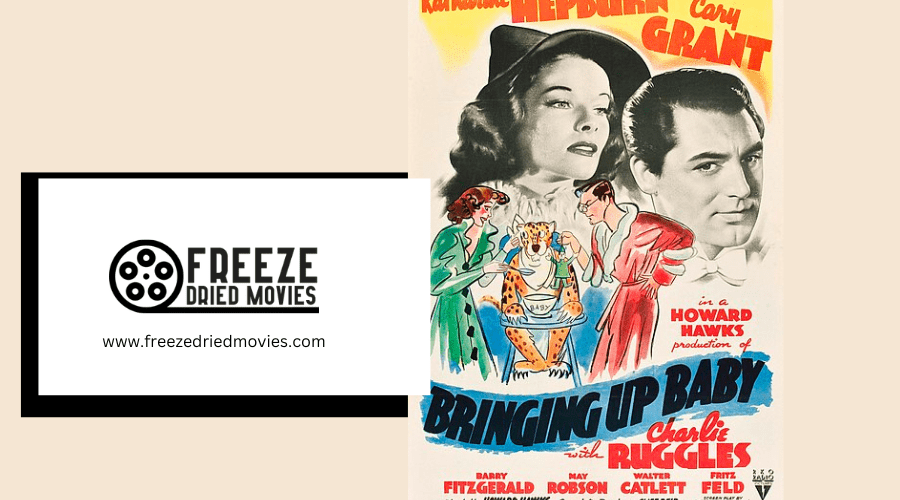
When considering romance in 1930s cinema, one enters an era where sound revolutionized storytelling and gave romance a new dimension. Films like *It Happened One Night* and *Bringing Up Baby* did more than entertain; they redefined romantic narratives with sharp dialogue and palpable chemistry. This period was not merely about providing escapism during difficult times but also about challenging societal norms, particularly through strong female characters. How did these films influence modern romantic storytelling and societal views on love? The cultural and technological shifts of this crucial decade offer much to explore.
Historical Context of 1930s Cinema
The transition from silent films to "talkies" in the 1930s revolutionized cinema, introducing more complex narratives and richer dialogues that enhanced the portrayal of romance on screen. This era wasn't just about sound; it brought characters and their interactions to life. Romantic comedies thrived, featuring witty banter and intricate plots. Films like "It Happened One Night" (1934) set new standards, making audiences laugh and swoon alike.
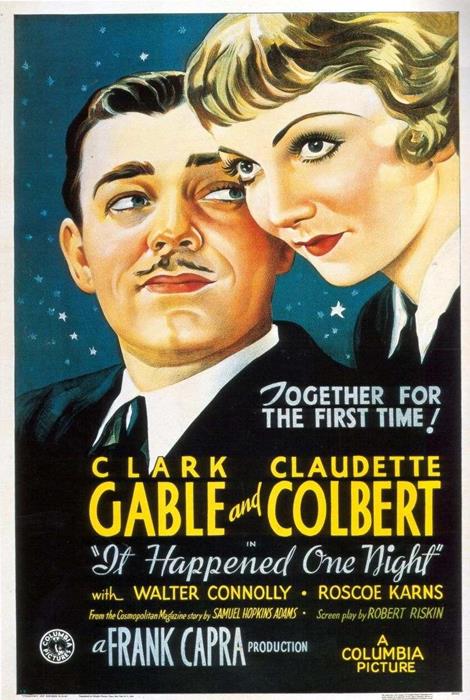
During the Great Depression, people sought escapism, and romance films provided just that. These movies offered humor and light-heartedness, helping to distract from economic hardships. The socio-economic context of the time significantly influenced the stories being told. Audiences yearned to see love triumph over adversity, and Hollywood delivered.
Iconic partnerships emerged, such as Cary Grant and Katharine Hepburn, whose on-screen chemistry set the standard for romantic dynamics. Their collaborations demonstrated the power of a good pairing in driving a story forward. Moreover, the 1930s saw the rise of strong female leads in romantic comedies, challenging traditional gender roles and paving the way for future representations of women in cinema.
Early Romantic Films
In the context of early cinema, romantic films quickly became a beloved genre, captivating audiences with their exploration of love and relationships. One of the earliest examples, *The Kiss* (1896), marked the inception of romance in film, even though it lasted only 20 seconds. This brief yet significant film showcased the potential of cinema to depict romantic themes, paving the way for more elaborate storytelling.
The 1930s brought an evolution in the genre, with the introduction of sound allowing for more complex and engaging romantic dialogues. This period saw the rise of romantic comedy, blending witty dialogue with comedic elements. *It Happened One Night* (1934) is a prime example, becoming a template for future romantic comedies with its clever script and charming narrative.
Star chemistry became essential, exemplified by iconic partnerships like Greta Garbo and John Gilbert in *Flesh and the Devil* (1926). Their on-screen connection underscored the importance of actor dynamics in romantic storytelling. The decade also introduced screwball comedies like *Bringing Up Baby* (1938), characterized by zany plots and sharp wit, reflecting changing societal norms around love and relationships.
Iconic Romantic Comedies
The 1930s are often hailed as a golden era for romantic comedies, producing a slew of iconic films that left a lasting imprint on the genre. *It Happened One Night* (1934) set the bar high with its witty dialogue and undeniable chemistry between Claudette Colbert and Clark Gable. This film not only entertained but also established many conventions that would define romantic comedies for years to come.
Another standout from this era is *Bringing Up Baby* (1938), showcasing the screwball comedy style. With Katharine Hepburn and Cary Grant leading the charge, the film's zany plot and slapstick humor made it an enduring classic. Their comedic timing and on-screen charisma elevated the film to iconic status.
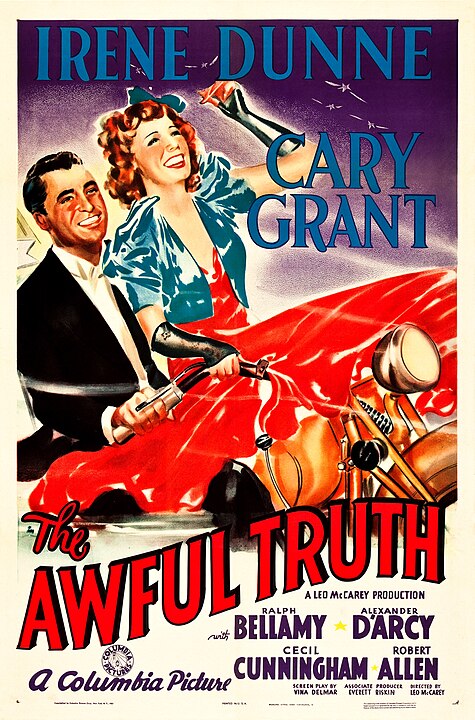
*The Awful Truth* (1937), starring Cary Grant and Irene Dunne, further solidified the genre's popularity. The movie's exploration of love and misunderstandings, paired with sharp dialogue, struck a chord with audiences.
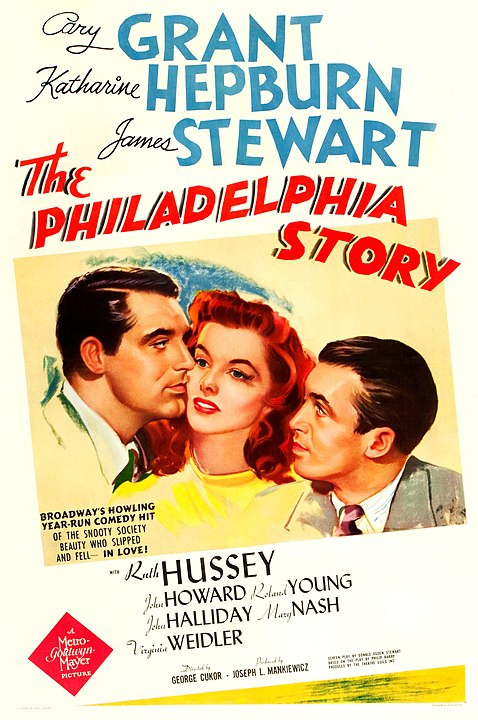
*The Philadelphia Story* (1940) blended romance with social commentary, highlighting the complexities of love and class through stellar performances by Hepburn, Grant, and James Stewart. These films not only shaped the genre but also mirrored and influenced societal attitudes towards relationships and gender roles.
Influential Directors and Actors
Several directors and actors profoundly shaped the landscape of romantic cinema in the 1930s. Frank Capra led the charge with *It Happened One Night* (1934), a romantic comedy that won five Academy Awards and became a benchmark for the genre. Capra's ability to craft heartfelt, engaging narratives made his films unforgettable.
Howard Hawks brought screwball comedies to life, with *Bringing Up Baby* (1938) standing out. The romantic, comedic chemistry between Cary Grant and Katharine Hepburn in this film set a high bar for on-screen pairings. Hawks' work demonstrated that romantic tension could be both hilarious and deeply engaging.
Ernst Lubitsch's sophisticated touch in films like *Ninotchka* (1939) and *The Shop Around the Corner* (1940) influenced later romantic narratives. His knack for blending humor with romantic tension made his films timeless classics.
Actors also played a significant role. Claudette Colbert's performance in *It Happened One Night* and Bette Davis in *Dark Victory* (1939) showcased the emotional depth of love. Iconic couples like Greta Garbo and John Gilbert epitomized epic romances, proving that star power was vital in shaping the genre's storytelling.
Cultural Impact and Legacy
The influential directors and actors of the 1930s significantly shaped both the films of their era and the broader cultural landscape. Romantic comedies emerged as a dominant genre, providing much-needed escapism during the Great Depression. Films like "It Happened One Night" (1934) set new standards for witty dialogue and the chemistry between leads, captivating audiences with their charm and humor.
Katharine Hepburn was a trailblazer, challenging traditional gender roles with her strong, independent characters. Her performances in "Bringing Up Baby" (1938) and "The Philadelphia Story" (1940) introduced complex romantic narratives that blended humor with social commentary. These films not only entertained but also influenced audience expectations and future filmmaking.
The legacy of 1930s romantic cinema is evident in contemporary films, with many modern romantic comedies drawing on the archetypes and tropes established during this period. This era also contributed to the establishment of Hollywood's star system, with actors like Clark Gable, Cary Grant, and Katharine Hepburn becoming icons of charm and romance.
| Film Title | Year | Notable Actor |
|---|---|---|
| It Happened One Night | 1934 | Clark Gable |
| Bringing Up Baby | 1938 | Katharine Hepburn |
| The Philadelphia Story | 1940 | Cary Grant |
These films and stars profoundly impacted how romance was portrayed and perceived in cinema.
Technological Advancements
Technological advancements in the 1930s revolutionized romantic cinema. The advent of sound enabled more nuanced dialogues, and Technicolor brought vibrant visuals, enhancing the appeal of love stories. Close-ups and creative lighting techniques captured actors' chemistry, while sophisticated editing improved narrative flow, particularly in romantic comedies.
Sound Revolution's Impact
When synchronized sound burst onto the scene in the late 1920s, it didn't just change cinema—it transformed how romance was portrayed on screen. Filmmakers could now incorporate romantic dialogues and emotional expressions in ways that silent films never could. The initial fully synchronized sound feature film, "The Jazz Singer" (1927), set the stage for this shift, allowing dialogue to drive romantic narratives.
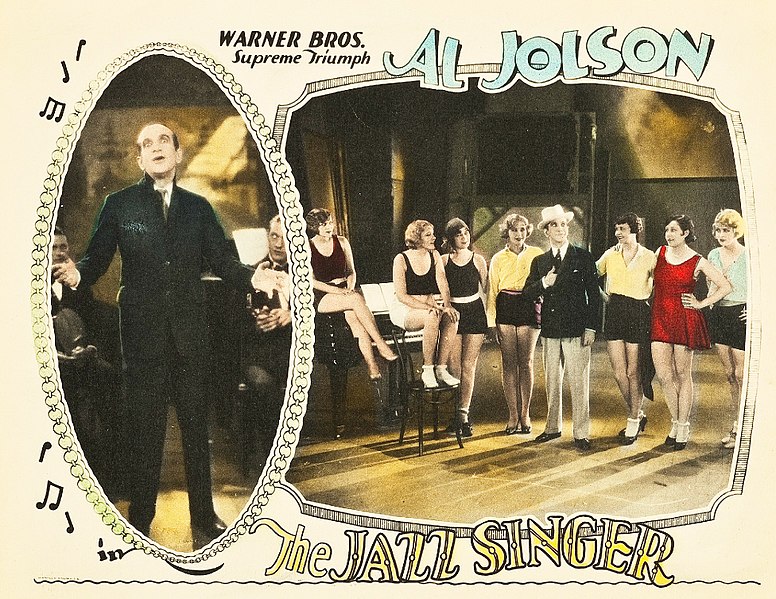
By the 1930s, movies like "It Happened One Night" (1934) showcased sharp, witty banter, becoming a hallmark of romantic comedies. This witty dialogue didn't just entertain; it built characters and relationships in a way that visual cues alone couldn't. The ability to hear characters' voices and intonations added depth and nuance to their interactions.
Furthermore, the sound revolution enabled filmmakers to explore complex romantic themes and emotions, as seen in melodramas like "Dark Victory" (1939). Here, dialogue was essential for conveying internal struggles and deepening the audience's emotional engagement. Additionally, incorporating music and soundtracks enhanced the emotional resonance of romantic scenes, making love stories more impactful and memorable.
To summarize, the sound revolution's impact on 1930s romance in cinema included:
- Enhanced romantic dialogues
- Greater emotional expressions
- Incorporation of music and soundtracks
Cinematic Techniques Evolution
As synchronized sound redefined romance in the 1930s, technological advancements reshaped the cinematic landscape, particularly for romantic films. Directors began utilizing close-ups and dramatic lighting to capture the subtleties of actors' performances, enhancing the emotional bond between characters. The introduction of Technicolor in films like "Becky Sharp" (1935) added vibrant visual elements, enriching the romantic atmosphere with more expressive scenes.
Portable cameras revolutionized filming styles, encouraging dynamic movements and spontaneity. This innovation was especially evident in the screwball comedies of the era, where romantic sequences became more fluid and engaging, capturing the whimsical essence of newfound love.
Editing techniques also advanced significantly. Rapid cuts and montages introduced a new rhythm to storytelling, enhancing comedic timing and pacing in romantic films. This evolution allowed for a more compelling narrative flow, keeping audiences enthralled.
Here's a snapshot of these advancements:
| Technique | Impact on Romantic Films |
|---|---|
| Close-ups | Enhanced emotional connection |
| Dramatic lighting | Emphasized performance nuances |
| Technicolor | Added vibrant, emotional depth to scenes |
| Portable cameras | Enabled dynamic, spontaneous filmmaking |
These innovations collectively transformed the portrayal of romance on screen, establishing the 1930s as a pivotal period for romantic cinema.
Visual Storytelling Innovations
The 1930s marked a revolutionary period for visual storytelling in romantic cinema, driven by groundbreaking technological advancements. The introduction of sound in the late 1920s added depth to love stories through romantic dialogues, making the audience feel the emotions of the characters as if they were part of their world. Filmmakers embraced this new dimension, utilizing creative camera techniques and lighting to highlight physical gestures and facial expressions, crucial in conveying romance.
These advancements transformed films through:
- Sound and Dialogue: Directors like Frank Capra used witty banter in films such as *It Happened One Night* (1934), creating engaging romantic narratives that relied on more than just visual cues.
- Color Film: Emerging in the late 1930s, color film brought a new layer to visual storytelling. *Gone with the Wind* (1939) used color palettes to symbolize emotions, making romantic scenes visually stunning and emotionally resonant.
- Montage Editing: This technique allowed filmmakers to juxtapose romantic moments with other narrative elements, adding complexity to love stories by weaving multiple layers of emotion and action.
These visual storytelling advancements not only enhanced the romantic genre but also set the stage for future cinematic achievements.