The End of Neorealism and the Rise of Italian Auteur Cinema

You'll find that Italian Neorealism's raw social commentary gave way to more personal artistic expression in the 1950s. Directors like Fellini and Antonioni moved beyond documentary-style filmmaking to uncover sophisticated studio techniques and stylized storytelling. This shift reflected Italy's changing post-war identity and growing commercial pressures. While the stark realism faded, the movement's influence sparked a new wave of auteur cinema that would revolutionize global filmmaking in ways you've yet to experience.
The Birth and Cultural Context of Italian Neorealism
The aftermath of World War II sparked a revolutionary movement in Italian cinema known as neorealism. You'll find its roots in the dramatic shifts in Italian culture following Benito Mussolini's fall and the crumbling of his fascist regime. Film critics writing for Cinema magazine championed this new approach to counter the artificial "white telephone" films that had dominated post-war Italian cinema.
What makes neorealist film distinct is its raw, authentic portrayal of contemporary life. With the Cinecittà studios damaged by war, filmmakers took to the streets, casting non-professional actors and shooting on location. They drew inspiration from earlier works like Jean Renoir's Toni and Alessandro Blasetti's 1860, which had pioneered a more humanistic approach. This revolutionary style would go on to influence global cinema movements, from France to Brazil and India.
Under the guidance of Cesare Zavattini's principles, filmmakers redefined storytelling by focusing on the everyday struggles and resilience of ordinary Italians.
Defining Elements and Aesthetic Principles
While traditional Italian cinema relied heavily on polished studio productions, neorealist filmmakers adopted a radically different aesthetic that would alter post-war cinema. You'll notice how Italian neorealism welcomed location shooting and natural lighting to capture social reality in its rawest form.
Directors chose non-professional actors over established stars, creating authentic performances that reflected the working class experience. The movement's visual style was purposefully unadorned, favoring long takes and deep focus to immerse you in the characters' daily struggles.
You'll find that children often take center stage as moral observers of post-war hardship. This documentary-like approach, blending scripted scenes with improvised moments, stood in stark contrast to the melodramatic style of 1930s Italian films, establishing a new cinematic language that influenced generations of filmmakers.
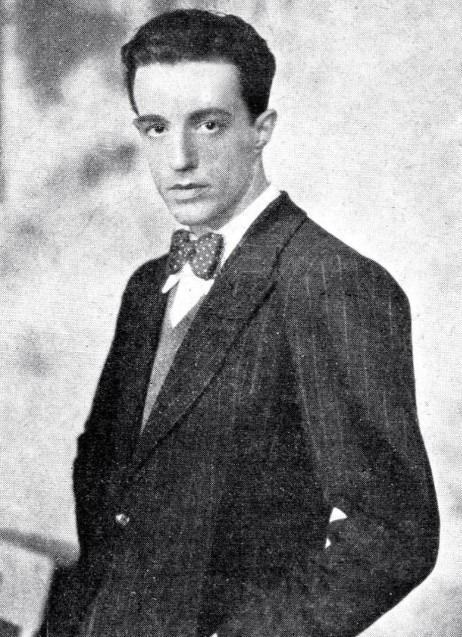
Cesare Zavattini and De Sica pioneered this groundbreaking movement by crafting its foundational principles of authenticity and social consciousness.
Key Filmmakers and Their Breakthrough Works
As Italian cinema evolved beyond its neorealist roots, several visionary directors emerged with breakthrough works that redefined the country's film language.
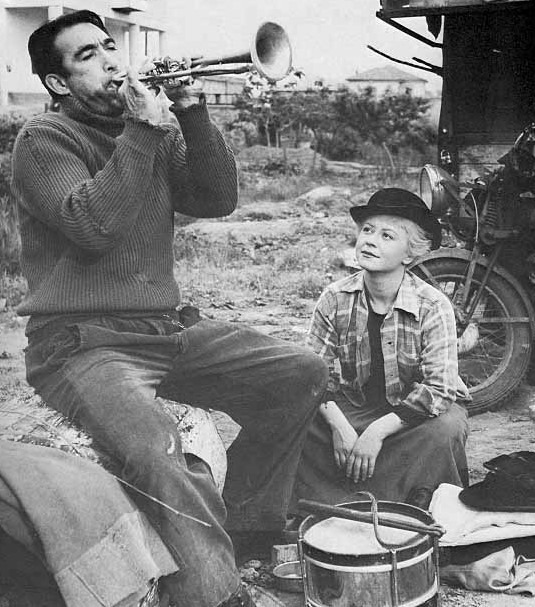
You'll find Fellini's "La Strada" marking a pivotal shift from Neorealist conventions to a more personal style, while Antonioni's "L'Avventura" introduced a bold modernist approach that challenged traditional storytelling.
Italian filmmakers like Pasolini brought fresh viewpoints, with "Accattone" merging street-level realism with poetic elements. Rosi's "Salvatore Giuliano" demonstrated how documentary techniques could illuminate complex social issues, and Bertolucci's "Before the Revolution" showcased the New Italian Cinema's ability to blend political consciousness with psychological depth.
These breakthrough films established their creators as true auteurs who'd shape the future of Italian cinema beyond its neorealist foundations.
This innovative approach to storytelling paralleled Japanese masters like Kurosawa, whose unreliable narrators technique in Rashomon revolutionized how complex narratives could unfold on screen.
Social and Political Implications in Post-War Italy
During post-war Italy's dramatic metamorphosis, shifting cultural attitudes and market pressures sparked a gradual move away from neorealism's stark social commentary. You'll notice how Italian culture began prioritizing a more optimistic national image, distancing itself from its fascist past while adapting to Hollywood's growing influence.
The working class narratives that defined neorealism gave way to more commercially viable storytelling. Italian cinema's transformation reflected deeper changes in the country's post-war period psyche. Filmmakers intentionally avoided addressing Italy's alliance with Germany. The industry sought to balance artistic expression with market demands. Social and political commentary evolved from direct criticism to more nuanced auteur approaches.
This alteration wasn't just about changing artistic styles - it represented Italy's broader desire to reinvent itself while maintaining its cultural identity in an increasingly globalized film market.
The Transition From Neorealism to Auteur Cinema
Beneath the surface of Italy's post-war cinema, a deep change took shape as filmmakers abandoned neorealism's stark social commentary in favor of more personal, experimental narratives.
You'll find this shift most evident in the early 1950s, when Italian Neorealist films began losing ground to more commercially viable storytelling approaches.
Directors like Fellini and Antonioni probed Italian auteur cinema by moving beyond the documentary-style realism of their predecessors. While neorealist films had focused on societal hardships, these new Italian films explored psychological realms and existential themes.
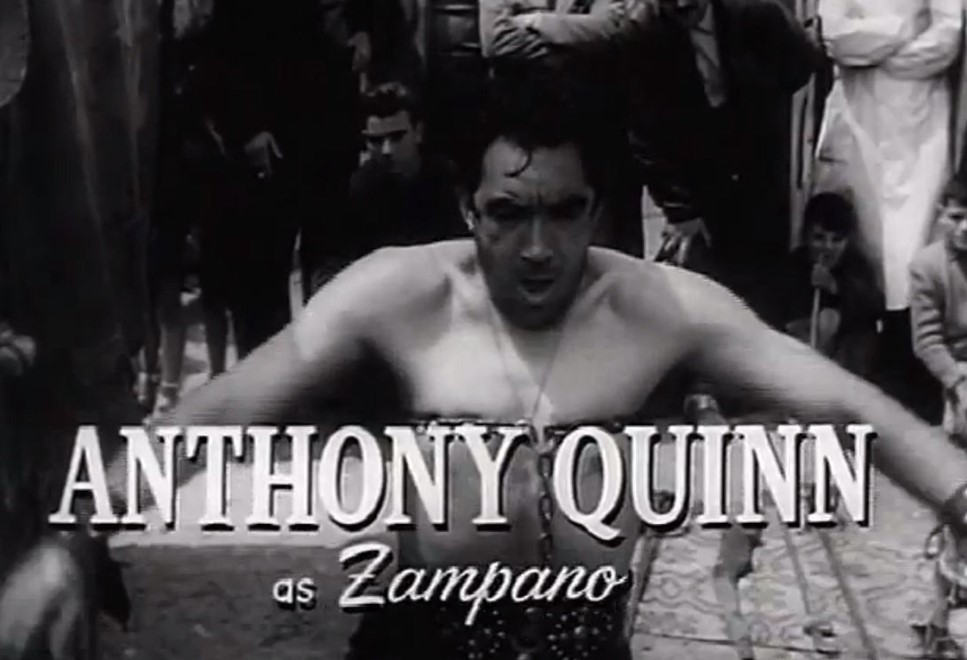
You can see this evolution in Fellini's La Strada and Antonioni's Red Desert, where the raw aesthetics of neorealism merged with deeply personal visions. This metamorphosis wasn't just artistic - it reflected Hollywood's growing influence on Italian cinema, pushing filmmakers toward more mainstream appeal.
Global Impact and Critical Reception
Italian auteur cinema's evolution from neorealism sparked a global cultural revolution that reshaped filmmaking worldwide. After World War II, masterworks like "Bicycle Thieves" introduced international audiences to Italy's raw, authentic storytelling.
You'll find neorealism's influence across landmark movements, from the French New Wave to Brazilian Cinema Novo.
- Neorealist films dominated major Film Festival circuits, earning critical acclaim and prestigious awards
- Italian film directors challenged Hollywood's polished narratives with gritty realism
- The movement's impact extended beyond Europe, inspiring filmmakers in Asia and Latin America
- Neorealism's decline in the 1950s didn't diminish its lasting influence on world cinema
- Contemporary Italian directors continue exploring neorealism's legacy, as shown in the documentary "We Weren't Only Bicycle Thieves"
Despite its relatively brief period, neorealism recast global cinema and established Italy as a powerhouse of artistic filmmaking.
Technical Innovations and Production Methods
As neorealism's influence waned in the early 1950s, a bold wave of technical innovation altered Italy's film milieu. While earlier works like Viscontis Ossessione had welcomed raw documentary aesthetics, you'll see a new kind of filmmaking emerging in the later films of directors like Fellini and Antonioni. They've moved beyond the stark simplicity of Neorealist Cinema: an Aesthetic, adopting sophisticated studio techniques and artificial lighting.
They've moved beyond the stark simplicity of Neorealist Cinema: an Aesthetic, adopting sophisticated studio techniques and artificial lighting. You'll notice how these auteurs began to film in the light of creative freedom, utilizing advanced camera work, elaborate set designs, and strategic editing techniques. Better access to equipment and funding allowed them to break from neorealism's constraints. This shift transformed Italian cinema from its documentary-style roots into a more stylized, technically refined art form that emphasized directorial vision and creative experimentation.
Artistic Cross-Pollination With Literature and Photography
Throughout the postwar period, you'll find rich artistic exchanges between neorealist cinema and other cultural mediums. You can see how writers like Cesare Zavattini brought literary sensibilities to film screenplays, while photographers Henri Cartier-Bresson and Giuseppe Cavalli captured the raw essence of postwar Italy that defined the movement's aesthetic. The influence of Mario Sironi's realist paintings echoed with filmmakers' use of natural lighting and location shooting.
Literary collaborations enhanced screenplay authenticity and depth. Documentary-style photography shaped visual storytelling techniques. Verismo literature provided thematic foundations for neorealist narratives. Realist painting techniques influenced cinematography choices. Photo essays documented social conditions that inspired filmmakers.
These cross-medium influences created a distinctive cultural moment where cinema became a powerful vehicle for artistic and social expression in postwar Italy.
Legacy and Modern Italian Cinema
Many film historians mark the early 1950s as a pivotal turning point when Italian cinema evolved from strict neorealism into a more experimental and personal art form. You'll find that directors like Fellini and Antonioni led this transformation, with works that pushed beyond social realism into more introspective and stylistically innovative territories.
While you can trace neorealism's influence through the works of Pasolini and Olmi, who maintained its commitment to social critique, you'll notice how the movement's legacy continues to shape contemporary Italian cinema. Today's filmmakers like Garrone draw inspiration from neorealism's aesthetic principles while addressing modern social issues. This ongoing dialogue between past and present demonstrates how neorealism's DNA remains deeply embedded in Italian cinema, even as directors investigate new artistic territories and tackle contemporary themes.
Related posts