The Best Film Adaptations of 1930s Literature
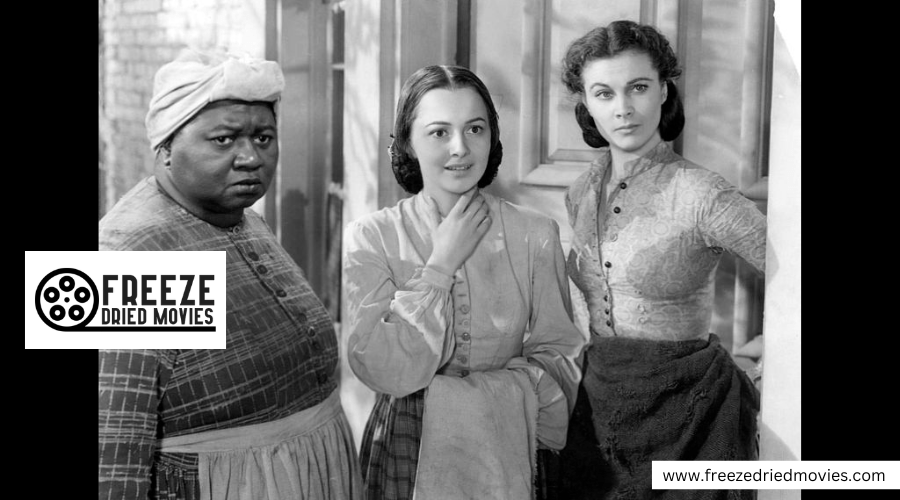
When considering the best film adaptations of 1930s literature, masterpieces like "Gone with the Wind" and "The Maltese Falcon" often come to mind. These films captivated audiences not only with their grand storytelling but also sparked debates about the fidelity of adaptations to their source material. Beyond these well-known titles, lesser-discussed gems such as "Wuthering Heights" and "Frankenstein" also pushed the boundaries of visual artistry and narrative depth. The techniques these filmmakers employed to bring classic novels to life, and their influence on future adaptations, are worth exploring.
Overview of 1930s Film Adaptations
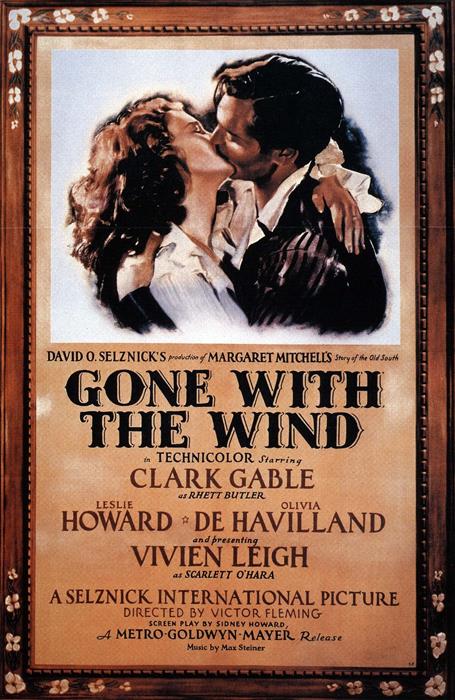
The 1930s marked a vibrant period for film adaptations of classic literature, with a surge in cinematic renditions that captivated both audiences and critics. Notable works such as "Gone with the Wind" (1939) and "The Maltese Falcon" (1931) achieved significant critical and commercial success. Directors like William Wyler and Alfred Hitchcock emerged, bringing unique interpretations to classic Gothic novels like "Wuthering Heights" (1939) and "Rebecca" (1940).
These adaptations often modified original narratives to align with cinematic styles and audience preferences. For example, "A Tale of Two Cities" (1935) focused on themes of identity and class struggle, diverging somewhat from Charles Dickens' original plot. This decade's film adaptations not only introduced classic literature to new audiences but also sparked debates about fidelity to the source material. Such discussions significantly contributed to the cultural discourse surrounding literature and film.
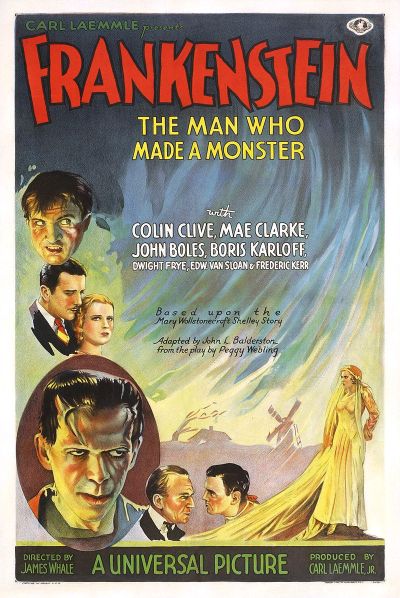
Iconic performances, such as Boris Karloff in "Frankenstein" (1931) and Clark Gable in "Gone with the Wind," solidified these adaptations' places in cinematic history. These performances also influenced future film interpretations of literary works, ensuring that these classic stories continued to resonate with audiences for generations.
Iconic Films and Their Ratings
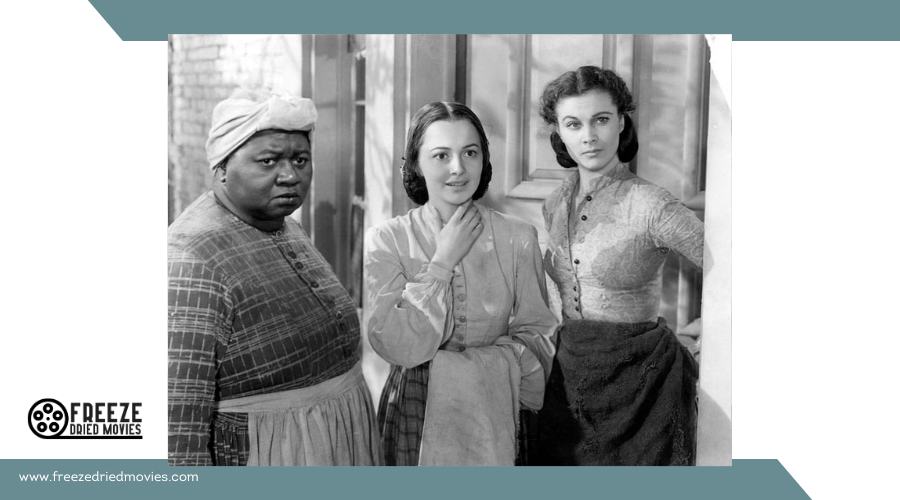
Among the iconic film adaptations of 1930s literature, "Gone with the Wind" (1939) stands out with a remarkable average rating of 4.31, reflecting its widespread acclaim and impact. This adaptation of Margaret Mitchell's novel has garnered over 1.2 million votes, making it one of the highest-rated films of the decade.
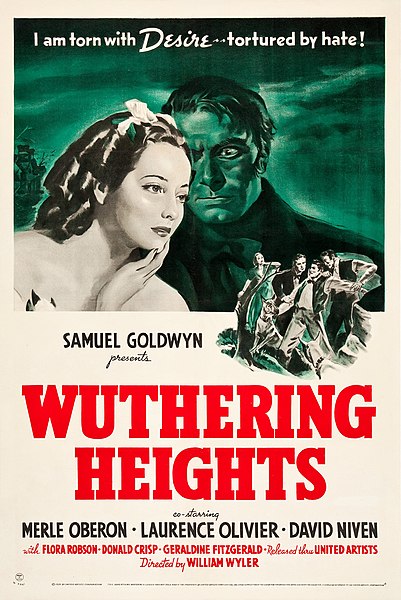
In addition to "Gone with the Wind," several other adaptations from the 1930s have also left a lasting impression. "The Maltese Falcon" (1941), based on Dashiell Hammett's work, has an average rating of 4.00 and is a cornerstone of film noir. Emily Brontë's "Wuthering Heights" (1939), directed by William Wyler, holds a rating of 3.89, offering a romantic take on the Gothic classic. Meanwhile, the 1931 adaptation of Mary Shelley's "Frankenstein" received a solid rating of 4.00, thanks in part to Boris Karloff's unforgettable portrayal of the Creature. Finally, "A Tale of Two Cities" (1935), adapted from Charles Dickens' novel, has an average rating of 3.87, effectively capturing the essence of the French Revolution and its themes.
Here's a quick snapshot of these iconic films and their ratings:
| Film | Year | Average Rating |
|---|---|---|
| Gone with the Wind | 1939 | 4.31 |
| The Maltese Falcon | 1941 | 4.00 |
| Wuthering Heights | 1939 | 3.89 |
| Frankenstein | 1931 | 4.00 |
| A Tale of Two Cities | 1935 | 3.87 |
Audience and Critical Reception
Examining the audience and critical reception of film adaptations of 1930s literature reveals the significant roles of viewer nostalgia and box office performance. "Gone with the Wind," for example, captivated audiences with its grand storytelling and achieved immense box office success, reflecting the era's fascination with cinematic epics. Conversely, adaptations like "Wuthering Heights" ignited debates over creative liberties, highlighting the occasional clash between critical opinions and audience expectations.
Viewer Nostalgia Influence
Nostalgia plays a vital role in shaping the reception of 1930s film adaptations, drawing audiences into familiar worlds that evoke cherished memories. Viewer nostalgia greatly influences how audiences receive these films, often creating a sentimental attachment to the material. When watching adaptations like "Gone with the Wind" (1939), audiences are not just seeing a well-crafted film; they are being transported back to the world of the beloved novel, triggering fond memories of their initial reading.
Critics also aren't immune to nostalgia. They often praise adaptations for their ability to bring cherished literary worlds to life. "The Good Earth" (1937) and "Wuthering Heights" (1939) are prime examples where nostalgia amplifies engagement. Prior knowledge of the source material enhances the viewing experience, making these films resonate deeply.
Nostalgia can evoke strong emotions, sometimes polarizing opinions. While some celebrate adaptations for their faithfulness, others critique deviations from beloved narratives, as seen with "A Tale of Two Cities" (1935).
| Film | Year | Nostalgia Effect |
|---|---|---|
| "Gone with the Wind" | 1939 | Widespread acclaim |
| "The Good Earth" | 1937 | Heightened engagement |
| "A Tale of Two Cities" | 1935 | Polarized opinions |
Viewer nostalgia undeniably shapes how audiences experience these timeless film adaptations.
Box Office Impact
Box Office Impact
Film adaptations of 1930s literature often achieved remarkable box office success, captivating audiences and critics alike. "Gone with the Wind" (1939) stands out, grossing over $400 million worldwide and becoming one of the highest-grossing films of all time when adjusted for inflation. This classic film's box office impact cemented its place in cinematic history and demonstrated how literature could be transformed into blockbuster success.
Other adaptations, such as "The Good Earth" (1937), also made significant waves. With an average audience rating of 4.00 and two Academy Awards, its critical and commercial success underscored the film's impact. The box office returns for "The Good Earth" highlighted its resonance with audiences, showcasing the universal appeal of well-executed literary adaptations.
"A Tale of Two Cities" (1935) further illustrates this trend. Despite receiving mixed reviews, it earned an Academy Award nomination for Best Picture. Its box office performance demonstrated the enduring interest in Dickens' exploration of identity and class struggle, themes that captivated audiences.
Films like "Wuthering Heights" (1939) and "Frankenstein" (1931) solidified their status as classics through strong commercial returns and critical discussions. These adaptations didn't just succeed at the box office; they sparked renewed interest in their original texts, enhancing book sales and readership.
Prominent Authors and Their Works
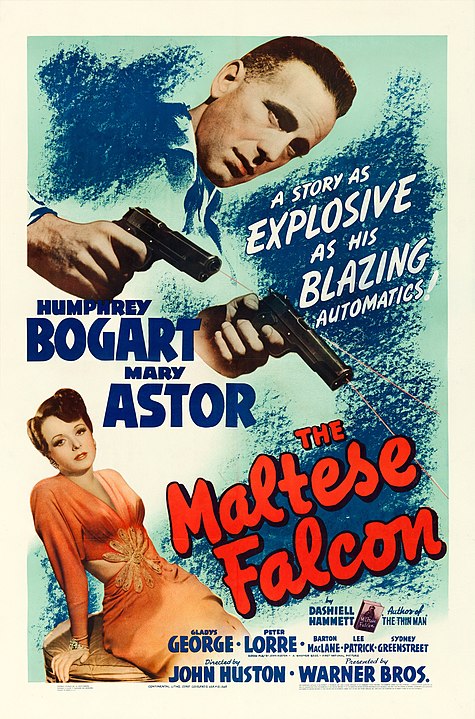
Several authors from the 1930s have had a lasting impact on both literature and film. Dashiell Hammett's *The Maltese Falcon* (1930) is a seminal work in hardboiled crime fiction, which significantly influenced the film noir genre. The 1941 film adaptation, starring Humphrey Bogart as detective Sam Spade, remains iconic for its dark, gritty storytelling.
Pearl S. Buck's *The Good Earth* (1931) poignantly portrays the lives of Chinese farmers. Winning the Pulitzer Prize, it was adapted into a successful 1937 film, bringing global attention to Chinese culture and rural challenges.
Margaret Mitchell's *Gone with the Wind* (1936), another Pulitzer Prize winner, was adapted into a blockbuster film in 1939. Despite its controversial portrayal of history, the film's epic scale made it one of the highest-grossing films ever.
John Steinbeck's *The Grapes of Wrath* (1939) captures the hardships of the Great Depression and was adapted into an acclaimed 1940 film. Zora Neale Hurston's *Their Eyes Were Watching God* (1937) explores female identity and autonomy, inspiring numerous adaptations.
These works continue to influence both literature and cinema, showcasing the enduring power of storytelling.
Key Performances and Stars
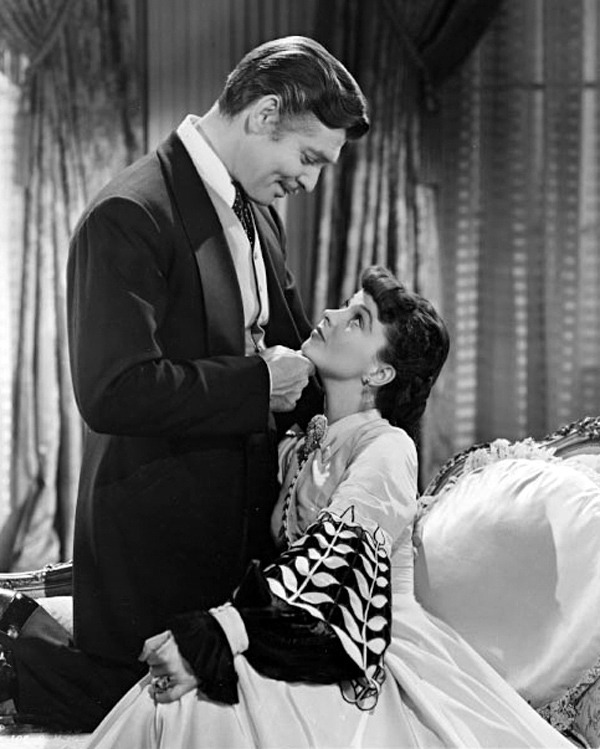
When discussing film adaptations of 1930s literature, it's impossible to overlook the iconic performances that brought these stories to life. Clark Gable's portrayal of Rhett Butler in *Gone with the Wind* and Laurence Olivier's role as Heathcliff in *Wuthering Heights* are prime examples. These performances, along with those by Boris Karloff and Greta Garbo, delivered unforgettable portrayals that defined their careers and captivated audiences.
Iconic Actor Highlights
Stepping into the limelight of 1930s cinema, several actors delivered performances that left an indelible mark on film history. Among these, the pairing of Merle Oberon and Laurence Olivier in the 1939 adaptation of Wuthering Heights stands out. Their portrayal of Catherine and Heathcliff brought Emily Brontë's tumultuous romance to life, capturing the hearts of audiences with their intense and compelling performances.
Other standout performances from this period include:
- Boris Karloff: His portrayal of the Creature in the 1931 adaptation of Frankenstein set the standard for horror cinema, making him a legendary figure and influencing the genre for decades.
- Clark Gable: In Gone with the Wind (1939), Gable's role as Rhett Butler earned him an Academy Award nomination, solidifying his position as a leading man in Hollywood.
- Charles Laughton: His role as Quasimodo in The Hunchback of Notre Dame (1939) showcased his emotional depth and garnered critical acclaim.
- Greta Garbo: Her leading role in A Farewell to Arms (1932) highlighted her talent for embodying complex characters, cementing her status as a major star of the period.
These actors not only captivated audiences but also set high standards for future film adaptations.
Memorable Star Performances
While the iconic actor highlights of the 1930s set the stage for unforgettable performances, it's their memorable portrayals that truly resonate with audiences. Boris Karloff's haunting depiction of the Creature in Frankenstein (1931) not only redefined horror cinema but also cemented his legacy as a genre legend. His performance brought a depth and pathos to the role that elevated the film beyond mere fright.
Clark Gable's charismatic turn as Rhett Butler in Gone with the Wind (1939) captivated viewers and solidified his standing as Hollywood's ultimate leading man. His dynamic chemistry with Vivien Leigh made the film a timeless classic.
Merle Oberon and Laurence Olivier's performances in Wuthering Heights (1939) transformed Emily Brontë's Gothic novel into a sweeping romantic drama. Their intense portrayals of Catherine and Heathcliff infused the film with emotional complexity.
Greta Garbo's role in A Farewell to Arms (1932) showcased her unparalleled ability to convey deep emotion, earning her critical acclaim and furthering her reputation as a major star.
Lastly, Humphrey Bogart's gritty portrayal of Sam Spade in The Maltese Falcon (1941) set the standard for film noir, establishing him as a key figure in this genre.
Cultural and Historical Impact
Film adaptations of 1930s literature had a profound cultural and historical impact, significantly shaping public consciousness. These films didn't just entertain; they influenced societal views and discussions. Adaptations like *The Good Earth* (1937) mirrored and molded cultural attitudes towards race and class during a period marked by economic hardship and social change. By bringing these literary works to the screen, filmmakers offered audiences a visual representation that often sparked critical conversations about the source material's themes.

Consider these points to understand the broader impact:
- Increased Readership: Films such as *Gone with the Wind* (1939) and *The Maltese Falcon* (1931) greatly enhanced the popularity of their literary counterparts.
- Public Discourse: Cinematic interpretations led to debates about how faithfully these films adhered to their original texts, influencing both audience perceptions and scholarly critique.
- Social Commentary: Adaptations like *The Good Earth* played a role in shaping societal views on race and class, reflecting the complexities of the times.
- Box Office Success: The commercial triumphs of these films validated the literary works and set a blueprint for future adaptations.
These adaptations left a lasting legacy, embedding themselves in the cultural fabric and continuing to influence both literature and cinema.
Techniques and Innovations in Adaptation
Adaptations of 1930s literature introduced innovations that forever changed cinematic storytelling. The introduction of sound in films allowed dialogue and music to enrich narratives, as famously seen in "Gone with the Wind" (1939). This innovation brought characters to life, giving them depth that silent films couldn't achieve.
In "A Tale of Two Cities" (1935), filmmakers condensed complex narratives to fit runtime constraints while maintaining critical themes of identity and class struggle. This adaptation exemplified how one can stay true to the source material's essence while making necessary plot alterations.
Technicolor was another groundbreaking technique. "Becky Sharp" (1935) was the first feature-length film shot entirely in this vibrant format, transforming visual storytelling and setting a new standard for future films.
| Film | Innovation |
|---|---|
| Gone with the Wind | Sound, Dialogue, Music |
| A Tale of Two Cities | Narrative Condensation |
| Becky Sharp | Technicolor |
| Wuthering Heights | Genre Shift |
| Frankenstein | Modernization |
Gothic elements in "Wuthering Heights" (1939) shifted from horror to romance, illustrating how genre influences literary interpretation. Meanwhile, "Frankenstein" (1931) took creative liberties to modernize themes, exploring contemporary anxieties about technology and morality. These adaptations highlight the period's inventive spirit, proving that the 1930s were a golden era for literary film adaptations.