The Best 1930s Detective Films: Mystery and Intrigue on Screen
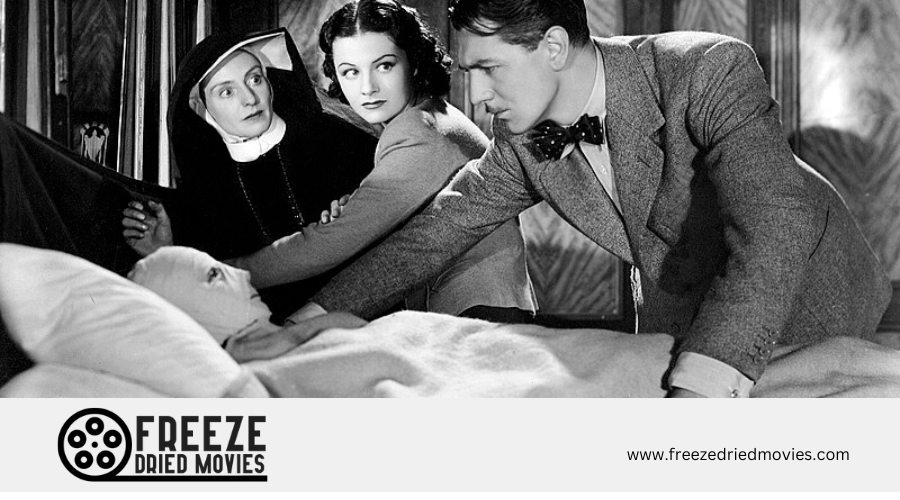
When discussing the best detective films of the 1930s, one must highlight Alfred Hitchcock's "The Lady Vanishes" and "The 39 Steps," as well as W.S. Van Dyke's "The Thin Man." These movies captivated audiences with their clever storylines and sophisticated cinematography, and introduced iconic characters like Nick Charles. But what makes these films truly timeless, and how have they influenced modern mysteries? Let's examine the key elements that set these classics apart and continue to shape the genre today.
The Lady Vanishes
"The Lady Vanishes," released in 1938, is a riveting mystery thriller directed by Alfred Hitchcock. The film follows a young woman's desperate search for a missing acquaintance on a train. Margaret Lockwood stars as Iris Henderson, the determined protagonist, who teams up with Michael Redgrave's character, Gilbert, to uncover a web of deceit and suspicion among the passengers, all of whom deny ever seeing the missing woman.
Hitchcock's genius shines through in this film, blending tension, humor, and romance seamlessly. The strong chemistry between Lockwood and Redgrave keeps the narrative engaging. The film's groundbreaking storytelling techniques and ability to maintain suspense make it a standout in the mystery genre.
"The Lady Vanishes" is more than just a film; it's a masterclass in Hitchcock's impactful filmmaking style. Celebrated for its clever plot twists and intricate character dynamics, it has greatly influenced later murder mysteries. This classic remains a beloved gem, often referenced when discussing the best of 1930s cinema.
The Adventures of Sherlock Holmes
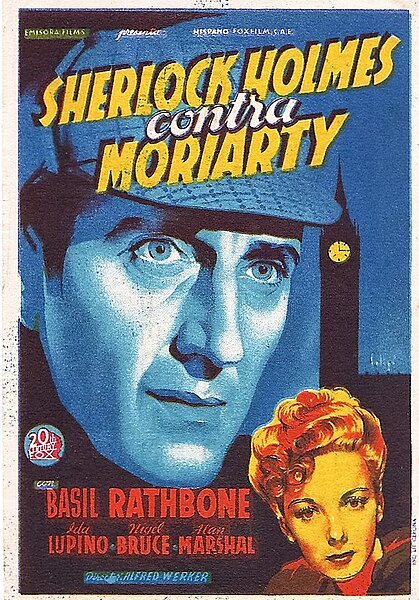
Often regarded as one of the finest adaptations of Arthur Conan Doyle's work, "The Adventures of Sherlock Holmes" (1939) captures the essence of the legendary detective with remarkable fidelity. Directed by Alfred L. Werker, the film stars Basil Rathbone as Sherlock Holmes and Nigel Bruce as Dr. Watson. This dynamic duo brings to life a compelling plot where Holmes confronts his arch-nemesis, Professor Moriarty, in a deadly game of wits and murder.
Moriarty's scheme to steal the Crown Jewels adds layers of intrigue and tension, keeping viewers on the edge of their seats. Rathbone's portrayal of Sherlock Holmes is often considered definitive, blending intelligence, sharp wit, and a touch of eccentricity. The film's clever dialogue and period-accurate settings transport audiences to the foggy streets of Victorian London, immersing them in its suspenseful atmosphere.
"The Adventures of Sherlock Holmes" is celebrated not just for its strong performances but also for its contribution to the legacy of Conan Doyle's character. The film helped revive interest in Sherlock Holmes, influencing both film and popular culture. This classic remains a must-watch for any mystery and detective genre enthusiast.
The Thin Man
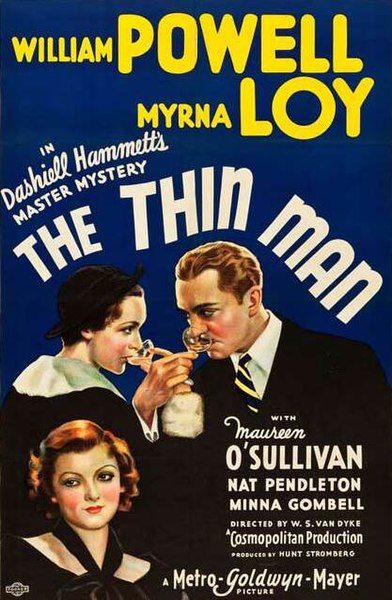
How does a detective film manage to be both thrilling and hilariously entertaining? "The Thin Man" (1934) accomplishes this by masterfully blending crime-solving with screwball comedy. Based on Dashiell Hammett's novel, the film introduces us to detective Nick Charles, played by William Powell, and his witty wife Nora, portrayed by Myrna Loy. The pair's chemistry is electric, making their banter as engaging as the mystery they are solving.
Directed by W.S. Van Dyke, "The Thin Man" isn't just about solving a murder; it's also about enjoying the sharp, witty dialogue that keeps you laughing while you're on the edge of your seat. The film set a high bar for future detective stories, thanks to its unique combination of humor and suspense. The stylish cinematography and sophisticated portrayal of the wealthy couple add to its appeal, making it more than just a mystery—it's a glimpse into the glamorous 1930s lifestyle.
"The Thin Man" remains a classic in the mystery genre, thanks to its themes of love and partnership. It's no surprise it spawned a series of successful sequels, cementing its legacy.
The 39 Steps
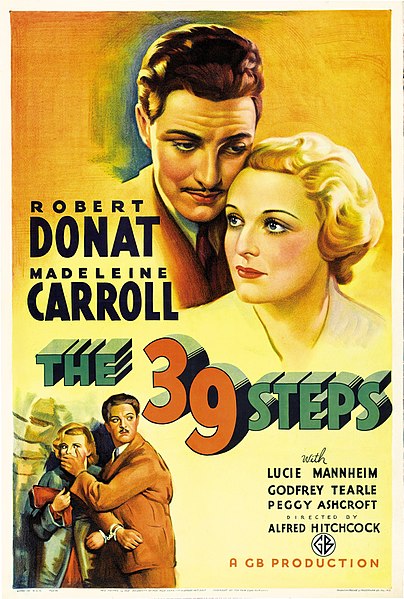
Alfred Hitchcock's "The 39 Steps" (1935) elevates suspense to remarkable levels, drawing viewers into the intriguing story of Richard Hannay, portrayed by Robert Donat. After witnessing a murder in London, Hannay becomes entangled in a complex web of conspiracy, mistaken identity, and espionage. This film exemplifies the suspense genre, showcasing Hitchcock's masterful ability to blend tension, humor, and adventure.
"The 39 Steps" is notable for several key reasons:
- Innovative Cinematography: The use of rapid editing and suspenseful chase sequences was groundbreaking at the time, setting a new benchmark for thriller films.
- Engaging Plot: Although it diverges from John Buchan's original novel, the film's compelling narrative keeps viewers captivated as Hannay strives to prove his innocence.
- Influence on Cinema: Its themes of mistaken identity and espionage have inspired numerous films, solidifying its status as a timeless classic.
Star of Midnight
Transitioning from the suspenseful world of Hitchcock's "The 39 Steps," you find yourself immersed in the intricately charming narrative of "Star of Midnight." Directed by Stephen Roberts and released in 1935, this film captivates audiences with its seamless blend of comedy, romance, and suspense. At its core, "Star of Midnight" follows Clay Dalzell, a lawyer portrayed by William Powell, who delves into the mysterious disappearance of a famous actress. The plot thickens with a gripping murder case that keeps viewers guessing until the very end.
The film's snappy narrative and engaging performances stand out, particularly the chemistry between Powell and his co-stars. Their interactions, filled with clever dialogue, infuse humor that lightens the suspense. The visual style of "Star of Midnight" captures the essence of 1930s detective films, with its elegant settings and period-appropriate costumes enhancing the story's allure.
"Star of Midnight" epitomizes the period's distinctive style of crime-solving, where humor and wit are integral to the mystery. This film remains a hallmark of the nostalgic appeal and unique storytelling that define classic mystery cinema from the 1930s.
Iconic Characters and Series
Discussing 1930s detective films necessitates mentioning their iconic characters and series. Basil Rathbone's Sherlock Holmes and William Powell and Myrna Loy's Nick and Nora Charles captivated audiences with their wit and intellect. Whether it was a gentleman thief like Arsene Lupin or the action-driven Richard Hannay, each character contributed uniquely to the genre.
Beloved Detective Protagonists
In the realm of 1930s detective films, iconic characters like Sherlock Holmes, Nick Charles, and Charlie Chan captivated audiences with their unique styles and compelling narratives. These beloved detective protagonists became cultural icons, each contributing distinctively to the mystery genre.
- Sherlock Holmes: Basil Rathbone's portrayal of Sherlock Holmes in films such as "The Adventures of Sherlock Holmes" (1939) left an indelible mark on cinema. Rathbone's sharp intellect and precise demeanor brought Arthur Conan Doyle's legendary detective to life, establishing a definitive Holmes that resonated with audiences.
- Nick Charles: William Powell's role as Nick Charles in "The Thin Man" (1934) blended crime-solving with screwball comedy. Powell's effortless charm and chemistry with co-star Myrna Loy made the film a hit, turning Nick Charles into a beloved figure who solved crimes with wit and sophistication.
- Charlie Chan: The wisdom and unique methods of Charlie Chan, created by Earl Derr Biggers, earned him a cherished place in the genre. Films like "Charlie Chan in London" (1934) showcased his cleverness and calm demeanor, making Chan a staple of 1930s detective cinema.
These characters not only entertained but also set the stage for future detective stories on screen.
Notable Character Adaptations
Beloved detective protagonists like Sherlock Holmes and Nick Charles defined the genre, but notable character adaptations further enriched 1930s detective films. Basil Rathbone's portrayal of Sherlock Holmes in "The Adventures of Sherlock Holmes" (1939) set a gold standard for literary detective adaptations. His sharp intellect and keen observation skills made the Sherlock Holmes series a staple for mystery enthusiasts.
"The Thin Man" (1934) introduced audiences to the delightful detective duo Nick and Nora Charles, brought to life by William Powell and Myrna Loy. Their charming chemistry and witty exchanges captured hearts, leading to a highly successful series of sequels.
Alfred Hitchcock's "The 39 Steps" (1935) featured Richard Hannay, an action-oriented detective blending espionage and adventure, influencing future detective portrayals. Meanwhile, Arsene Lupin, the suave criminal mastermind, added a sophisticated twist to the genre, showcasing the allure of anti-heroes.
Lastly, Charlie Chan, a culturally significant Chinese-American sleuth created by Earl Derr Biggers, solved crimes with wisdom and a calm demeanor, becoming a beloved character in a series of films throughout the decade.
Here's a quick look at these iconic characters:
| Character | Notable Film |
|---|---|
| Sherlock Holmes | The Adventures of Sherlock Holmes (1939) |
| Nick and Nora Charles | The Thin Man (1934) |
| Richard Hannay | The 39 Steps (1935) |
| Arsene Lupin | Multiple adaptations |
These adaptations not only defined the period but also left a lasting impact on the detective film genre.
Availability and Restoration
Finding many 1930s detective films in modern formats can be challenging, often requiring reliance on public domain sites like YouTube and Archive.org. Restoration efforts are hampered by poor print conditions and high costs, but distributors like Warner Archive are actively working to address these issues. Passionate collectors and film enthusiasts also play a crucial role in preserving these classic mysteries for future generations.
Limited Modern Formats
Fans of 1930s detective films often face frustration due to the limited availability of these classics in modern formats such as Blu-ray and DVD. Despite their rich narratives of mystery and intrigue, obtaining high-quality copies can be challenging. Restoration efforts are hampered by issues like deteriorated prints and high costs, preventing many of these gems from being released in updated formats.
While you might find some detective films from this era on platforms like YouTube and Archive.org, the quality varies significantly. Fortunately, distributors like Warner Archive have begun to restore and release select series, including the RKO Saint and Falcon films. However, many titles still await proper preservation and release.
Key points to consider:
- Limited Availability: Few 1930s detective films are available on Blu-ray or DVD, limiting access for contemporary audiences.
- Restoration Obstacles: Deteriorated prints and high costs pose significant challenges to restoration efforts.
- Alternative Access: Public domain platforms occasionally offer these films, though the quality can be inconsistent.
Community advocacy remains essential in highlighting the importance of preserving these classic films to ensure their legacy endures for future generations.
Restoration Challenges
The limited availability of 1930s detective films in modern formats makes the restoration of these classics particularly challenging. Many vintage films suffer from poor print conditions, complicating restoration efforts and adding to the already high costs. These financial constraints often limit the number of 1930s detective films that can be preserved and made accessible to contemporary audiences.
Restoration Challenges | Community Advocacy
------------------------|-------------------
Poor print conditions | Emphasizing the importance of preserving classic works
High restoration costs | Advocating for increased funding and resources
Limited modern formats | Urging broader availability and accessibility
Successful releases | Celebrating achievements by distributors like Warner Archive
Many classic detective films from the 1930s remain obscure or accessible only through public domain platforms, posing a challenge for cinephiles interested in this influential period. Community advocacy plays a crucial role in underscoring the need for improved preservation strategies. By lobbying for more resources and funding, advocates aim to restore and release these significant films. Despite the restoration challenges, some distributors, like Warner Archive, have successfully released select 1930s detective films, providing a glimpse into this fascinating genre.
Community Efforts
In the quest to preserve and restore 1930s detective films, community efforts are crucial. Many of these classic films are still not available in modern formats. Platforms like YouTube and Archive.org offer some public domain resources, but these films often suffer from poor print conditions and high restoration costs, making Blu-ray or DVD releases challenging.
Community advocacy plays a critical role in addressing these issues. By raising awareness about the cultural significance of these films, you can help push for better preservation and release strategies. Here are three ways community efforts are making a difference:
- Support for Notable Distributors: Distributors like Warner Archive have released select classic series such as the RKO Saint and Falcon films, but many more remain in need of restoration. Your support can encourage these distributors to invest in additional releases.
- Film Festivals and Retrospectives: These events increasingly showcase classic 1930s detective films, promoting their legacy and encouraging new generations to appreciate their historical importance.
- Crowdfunding and Donations: Many restoration projects rely on community funding. Your contributions can directly impact the availability of these timeless classics.
Community Engagement
Dive into the vibrant world of classic film enthusiasts, where community forums provide a dynamic space for sharing insights, reviews, and personal favorites of 1930s detective films. These threads are buzzing with high engagement as members delve into discussions about character portrayals, casting choices, and the cultural context of mystery films from that era.
Icons like Sherlock Holmes and Nick Charles often take center stage in these conversations. Members highlight their impact on the genre and discuss their relevance in modern cinema. You might even find a thread dedicated to Alfred Hitchcock's early works—if you have a favorite, be sure to share it!
The community also thrives on sharing rare finds and recommending lesser-known gems. Enthusiasts actively contribute to restoration efforts, making classic detective films more accessible to new audiences.
Here's a snapshot of what you might find:
| Topic | Popular Discussions | Community Favorites |
|---|---|---|
| Character Portrayals | In-depth analysis of Sherlock Holmes | Nick Charles |
| Casting Choices | Debates on the best actors for each role | William Powell |
| Cultural Context | Impact of 1930s societal norms | Influence on modern cinema |
| Rare Finds & Recommendations | Hidden gems and restoration efforts | Lesser-known detective films |
Your participation helps preserve the legacy of 1930s detective films, fostering connections and shared experiences among fans.
Lasting Legacy
Lasting Legacy of 1930s Detective Films
The 1930s detective films laid a crucial foundation for the modern mystery genre, shaping narrative techniques and character archetypes that continue to captivate audiences today. These films introduced iconic characters such as Sherlock Holmes and Nick Charles, whose wit, charm, and moral compass set the standard for future detectives. Their characteristics have left a lasting legacy, influencing countless adaptations and new creations in cinema.
The influence of these films can be seen in several ways:
- Character Archetypes: The Adventures of Sherlock Holmes popularized the brilliant but quirky detective, a template echoed in modern series like "Sherlock" and "Elementary".
- Narrative Techniques: Films like "The Thin Man" blended suspense with humor, creating a formula that remains a favorite in contemporary mystery stories.
- Psychological Depth: The complex plots and moral questions introduced in the 1930s paved the way for film noir and contemporary thrillers.
Many 1930s detective films have been preserved and restored, sparking renewed interest through screenings and festivals. These classics not only entertain but also remind us of their significant role in shaping the mystery genre's evolution. Their legacy endures, engaging new generations of viewers.