Love, Liberation, and Change: How 1960s Cinema Portrayed Romance
You'll find that 1960s cinema radically uncovered how romance appeared on screen. Films shifted away from the polished Hollywood formulas of the 1950s, embracing raw emotions and challenging social norms. Directors tackled taboo subjects like interracial relationships, sexual liberation, and women's independence. Through natural lighting, handheld cameras, and improvised dialogue, love stories became more authentic and complex. Uncover how this revolutionary decade forever changed the way we see romance on film.
The Evolution of Gender Roles in 1960s Romance Films
While the 1950s established rigid romantic archetypes in cinema, the 1960s saw these traditional gender roles both reinforced and subtly challenged on the silver screen. In romantic comedies and dramas of this era, you'll notice how male characters often dominated the narrative through grand gestures and decision-making, while female characters typically responded to these advances within socially acceptable boundaries.
The romantic panorama of 1960s films reflected broader cultural expectations, where men initiated courtship and women maintained prescribed feminine ideals. Yet, as you watch these films today, you'll see how they've shaped our understanding of love and partnership. While many modern viewers might find these portrayals limiting, they offer beneficial observations into how society's power dynamics influenced everything from casual dating to marriage proposals. This shift from the formal courtship rituals of 1950s cinema, where chivalrous gestures and structured dating were paramount, marked a gradual evolution in how romance was portrayed on screen.
Breaking Taboos: Love and Social Revolution on Screen
As the cultural revolution of the 1960s gained momentum, cinema began challenging long-held taboos about romance and sexuality. You'll notice how filmmakers abandoned the classic "love at first sight" narratives in favor of more complex relationships between men and women. The French New Wave particularly influenced this shift, bringing raw emotions and unconventional storytelling to the screen.
Interracial relationships moved from being taboo to becoming powerful statements of social change. Sexual liberation themes replaced traditional courtship narratives. Directors investigated divorce and infidelity with newfound frankness. Films began depicting premarital relationships without moral judgment.
These bold changes reflected society's evolving attitudes toward love and personal freedom. You'll find that 1960s cinema didn't just document the sexual revolution - it actively participated in reshaping how we view romance and relationships. Directors like Truffaut and Godard revolutionized storytelling through their gritty, unfiltered portrayals of modern relationships.
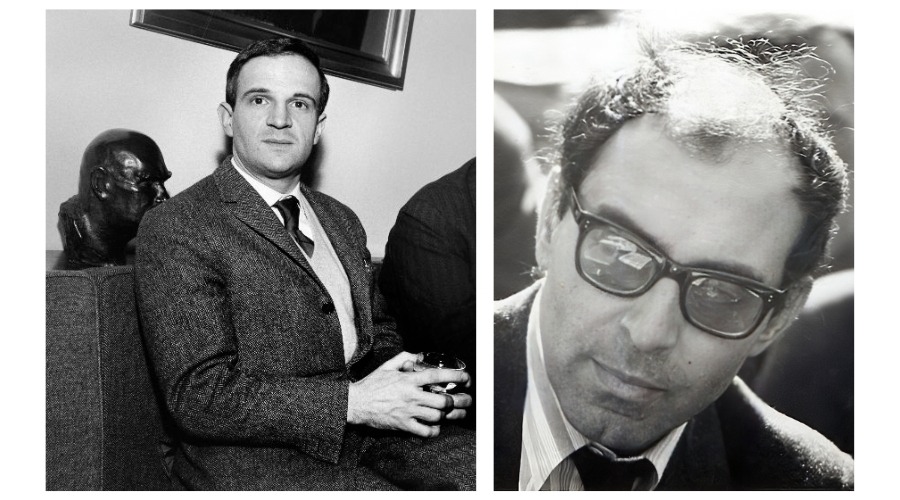
Jean-Luc Godard at Berkeley, 1968
From Hollywood Glamour to Raw Reality: Changing Romance Narratives
The shift from polished Hollywood romance to gritty realism marked a defining change in 1960s cinema. You'll notice how films moved away from the glamorous romantic comedies of Hollywood's golden age, replacing them with raw, emotionally complex narratives that reflected society's changing values.
Films like "Hiroshima mon amour" challenged your expectations of love stories by interweaving personal relationships with broader social and political themes. You're no longer watching perfect couples meeting cute and falling in love - instead, you're witnessing complicated relationships, failed marriages, and authentic human connections.
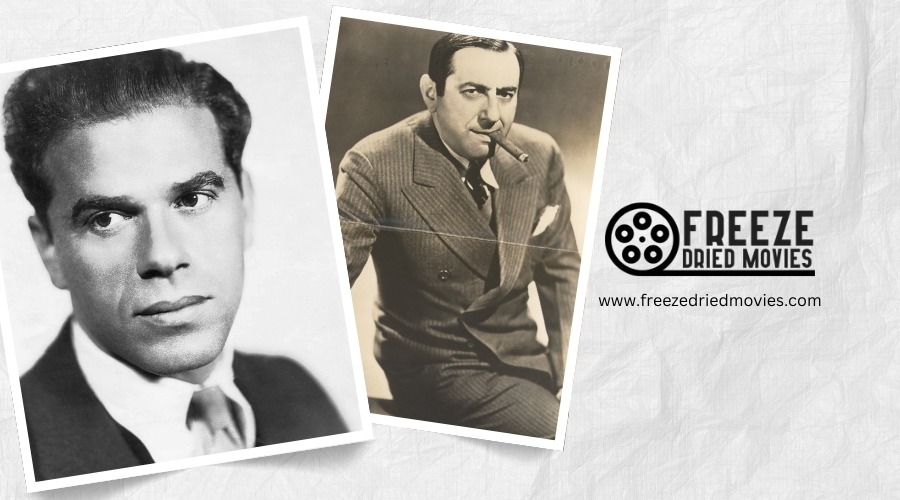
The polished aesthetics gave way to handheld cameras and natural lighting, while scripted declarations of love transitioned into improvised, realistic dialogue. Romance in 1960s films began showing you love's messy, imperfect nature rather than its fairy-tale ideals. This stark departure from the 1930s era of sophisticated romantic comedies, popularized by directors like Ernst Lubitsch and Frank Capra, reflected broader cultural shifts in how audiences viewed relationships.
Cultural Shifts and Their Impact on Cinema Love Stories
Social movements of the 1960s fundamentally reshaped how cinema portrayed love and relationships. You'll notice how films moved away from the idealized romance of the silent era and traditional romantic musical formats toward more complex narratives that reflected real-world tensions.
The sexual revolution challenged old Hollywood's sanitized depictions of love and marriage. Civil rights activism inspired interracial romance storylines that were previously taboo. Women's liberation influenced female characters to seek fulfillment beyond finding a Valentine's Day sweetheart. The anti-war movement brought political consciousness into love stories.
These cultural shifts altered romance in cinema from simple boy-meets-girl formulas into multi-layered explorations of relationships amid social change. You can see this evolution clearly when comparing pre-1960s romantic films with those that emerged during this groundbreaking decade.
The Rise of Independent Films and New Romance Perspectives
This shift coincided with broader cultural changes, as television and photography began replacing traditional magazine romance stories.
Independent filmmakers seized this opportunity to plunge into unconventional relationships and challenge gender norms, clearing the path for more diverse and realistic portrayals of love on screen.