How Did 1940s Westerns Portray Native Americans?
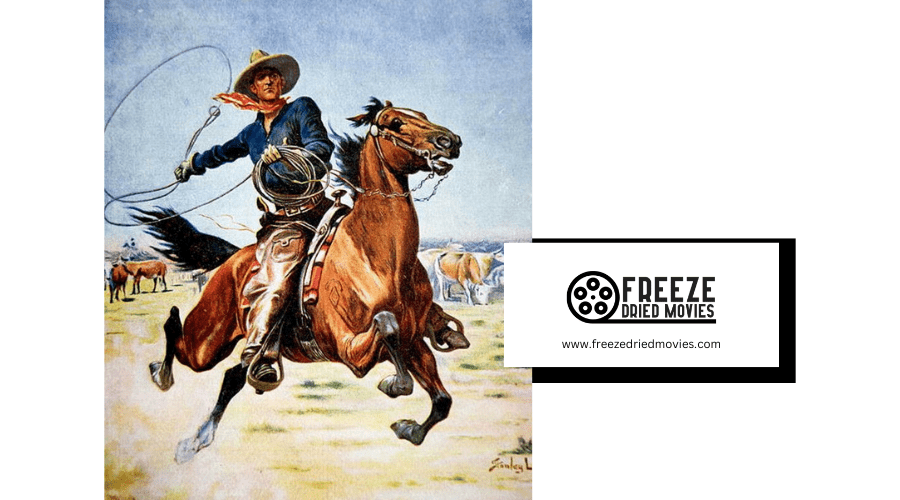
In the 1940s, Western films predominantly depicted Native Americans as antagonists, portraying them as aggressive and simplistic, which reduced their depiction to mere stereotypes. These characters often lacked depth and were portrayed by non-Native actors, further distorting their representation and reinforcing harmful stereotypes.
Such portrayals contributed to perpetuating outdated and prejudiced views of Native Americans as primitive. Understanding the impact of these representations is crucial in recognizing the need for change in Hollywood's portrayal of Native American communities.
Historical Context
In the 1940s, Western films commonly portrayed Native Americans primarily as antagonists, a reflection of the racial prejudices prevalent during that era. This depiction wasn't merely a result of creative choices but also mirrored broader societal views of Native Americans at the time. The post-war context of America, emphasizing unity and identity, paradoxically supported these simplistic and adversarial portrayals in Westerns. Native Americans were typically cast in negative roles, reinforcing the stereotype of the 'savage' in opposition to the 'heroic' white settlers.
The cultural backdrop of the 1940s included a significant lack of recognition and understanding of Native American cultures and histories, leading Hollywood to perpetuate existing stereotypes rather than challenge them. These portrayals significantly shaped public perception, contributing to a longstanding misrepresentation of Native American societies. Far from being neutral, these representations on film were a deliberate choice, which simplified the complex societies of Native Americans into antagonists within the narrative of the American West. This not only affected the portrayal of Native Americans in media but also influenced general public perceptions, often overlooking the rich diversity of Native American cultures.
Character Archetypes
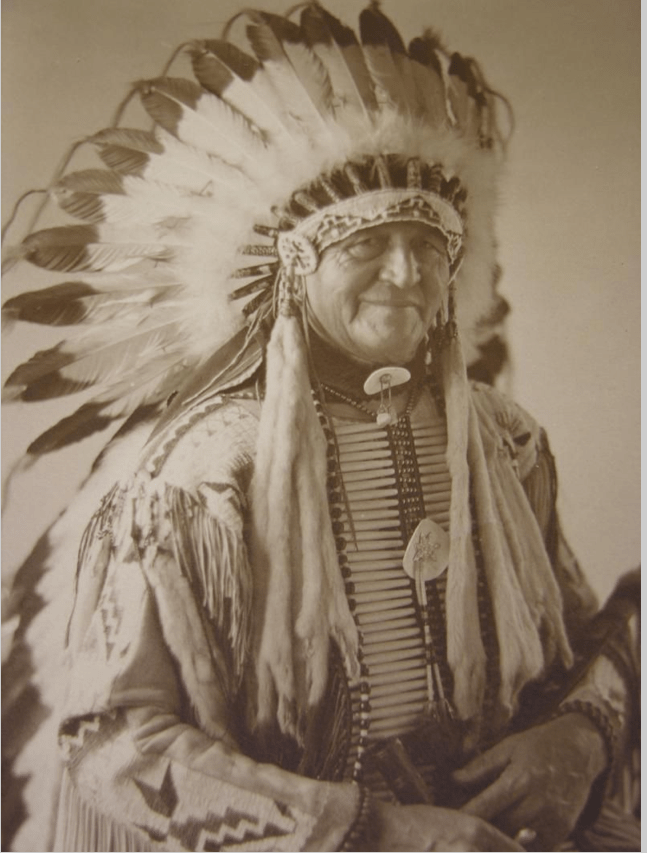
Character archetypes in 1940s Western films often portrayed Native Americans simplistically as aggressive adversaries, lacking nuanced character development. This portrayal not only reflected but also perpetuated colonialist ideologies, presenting Native Americans as obstacles to the virtuous, predominantly white protagonists who were depicted as conquering the 'wild' frontier.
These one-dimensional villain roles denied Native Americans complexity and humanity, aligning with the era's discriminatory attitudes by marginalizing their cultures in the narrative of American expansion. Such depictions in Hollywood served to reinforce stereotypes rather than provide accurate or respectful representations of Native American communities.
Cultural Misrepresentation
1940s Western films often misrepresented Native Americans. Films predominantly portrayed them as barbaric adversaries and reinforced harmful stereotypes. These films usually cast Native Americans as antagonists, which perpetuated the 'Hollywood Indian' stereotype of inherent violence and opposition to progress. Such portrayals depicted them mainly as hindrances to the heroic endeavors of white settlers, thereby justifying expansionist agendas.
The representation of Native Americans in these movies was largely shaped without the involvement of Native American filmmakers, leading to a lack of authentic cultural representation. This absence of genuine insight and respect for the varied cultures and histories of Native American peoples meant that the films continued to propagate simplified and monolithic images of Native Americans as the 'savage' other.
As a result, these stereotypes have had long-lasting impacts, contributing to widespread misconceptions that overlook the individuality and humanity of Native American communities. The prevalence of these one-dimensional characters in 1940s Westerns not only misrepresented Native American cultures but also dehumanized them, facilitating the acceptance and perpetuation of these stereotypes in society.
Impact on Public Perception
Westerns from the 1940s have significantly influenced public perception of Native Americans, often perpetuating harmful and inaccurate stereotypes. These films typically portrayed Native Americans as uncivilized, serving merely as hurdles for heroic settlers and cowboys in the narrative of conquering the Wild West. However, the reality was much different.
Such representations did more than entertain; they helped shape societal views by consistently presenting Native Americans as the primitive 'other.' This portrayal contributed to a simplified and enduring image, deeply embedding biases and misconceptions within the cultural consciousness. These stereotypes not only marginalized Native Americans but also supported the narrative justifying their oppression and the seizure of their lands.
Reflecting on these portrayals is essential to understanding how 1940s Westerns have contributed to the continued dehumanization and marginalization of Native Americans. Recognizing the impact of these media portrayals is crucial for addressing the persistent effects on contemporary perceptions of indigenous peoples.
Casting Practices
During the 1940s, Western films frequently employed non-Native actors for Native American roles, perpetuating stereotypes through culturally insensitive portrayals. These films often featured white actors adorned with feathers and face paint, while real Native American actors were seldom given opportunities to depict their own cultures authentically. This practice not only marginalized indigenous talent but also propagated a simplistic and often negative image of Native peoples in societal views.
Such casting choices reflected the broader cultural biases of the time. In these films, Native American characters were typically portrayed as impediments to the heroic quests of white protagonists, reinforcing false narratives of Indigenous peoples as adversaries to progress. The exclusion of Native Americans from having creative input in these films ensured that their portrayals weren't only unauthentic but also simplistic, reducing rich and diverse cultures to stereotypes.
The misrepresentations in 1940s Westerns significantly skewed public perceptions and contributed to ongoing misunderstanding and prejudice against Native American communities, some of which are still in place. This highlights the critical impact of media in shaping societal attitudes and underscores the need for authentic and respectful representation in media productions.
Film Analysis Examples
Let's explore how 1940s Western films portrayed Native Americans.
- Stereotypical Villains: Many 1940s Westerns depicted Native Americans primarily as adversaries, portraying them as hostile to the morally upright white settlers. This portrayal reinforced a narrative of white superiority and justified the harsh treatment and displacement of Native American communities.
- Exaggerated Customs: These films frequently misrepresented Native American customs, portraying them as primitive and foreign. This portrayal served to emphasize the perceived need for civilization by the dominant society, perpetuating the stereotype of the 'noble savage.'
- White Actors in Native Roles: The frequent casting of non-Native actors in Native American roles compromised the authenticity of these portrayals and denied Native actors opportunities to present their cultures accurately and nuancedly.
- Justification of Colonization: By consistently depicting Native Americans as barriers to Manifest Destiny, 1940s Westerns endorsed the colonization of Native lands. This portrayal supported the narrative of conquest and domination under the guise of progress and civilization.
Influence of Propaganda
The depiction of Native Americans in 1940s Western films often served as propaganda, perpetuating damaging stereotypes and supporting colonial narratives. These films commonly portrayed Native Americans as aggressive, primitive antagonists in conflict with virtuous white settlers, framing colonization as a civilizing mission in supposedly untamed territories.
Such portrayals in cinema were more than mere entertainment; they functioned as influential tools in shaping public perceptions and attitudes toward Native Americans. By consistently presenting them as simplistic, barbaric characters, these films played a significant role in their dehumanization. This portrayal facilitated the social acceptance of the displacement and mistreatment of indigenous peoples, misleadingly promoted as a necessary step for progress.
Moreover, these cinematic representations reinforced the notion of Native Americans as impediments to American growth, effectively marginalizing them and obscuring the diversity and richness of their cultures. It's apparent that these depictions weren't merely reflections of the era but were deliberately crafted components of a broader agenda that favored colonial expansion and obscured the authentic narratives of Native peoples.
Response From Native Communities
While 1940s Western films often depicted Native Americans as savage antagonists, the Native communities actively contested these harmful stereotypes. They recognized the significant impact these portrayals had on their image and took decisive action to challenge and change the narrative.
- Public Protests: Native communities organized and participated in protests to express their dissatisfaction and demand more accurate cultural representation in films.
- Media Outreach: Native leaders utilized media platforms, writing articles and giving interviews to highlight the detrimental effects of such stereotypes and to educate the broader public about the true diversity and richness of Native American cultures.
- Lobbying Filmmakers: They directly engaged with film studios and filmmakers, advocating for a shift in how their cultures were portrayed and suggesting collaboration with Native consultants for authenticity.
- Cultural Education: They established educational programs and workshops aimed at both their own communities and the wider public, providing insights into their authentic history and culture and thereby correcting the misconceptions propagated by mainstream media.
Through these efforts, Native communities diligently worked to counteract the pervasive stereotypes emanating from 1940s Westerns, striving to accurately represent their culture and history in the media.
Evolution Over Decades

Over the decades, the depiction of Native Americans in Hollywood Westerns has evolved significantly, mirroring broader societal shifts in attitudes and understanding. Initially, during the 1940s, these films predominantly portrayed Native Americans as antagonists, aligning with the Manifest Destiny narrative. This concept rationalized the displacement and marginalization of Native American communities by portraying them as impediments to the progress of white settlers. Such portrayals weren't only stereotypical but also portrayed Native Americans as primitive and violent, thus distorting public perception.
As cinematic history progressed, the representation of Native Americans in Westerns remained limited and often one-dimensional. They were frequently depicted solely as ruthless aggressors, lacking the nuanced character development given to white characters. This portrayal reinforced the narrative of heroic white settlers conquering the wild frontier, a recurrent theme in many 1940s Westerns.
Recognizing these historical portrayals is crucial for understanding how they've shaped perceptions and treatment of Native American communities. This awareness allows for a deeper appreciation of the layers within Hollywood's historical narratives and their real-world impacts on attitudes toward Native Americans. This evolution in representation reflects a growing recognition of the need for more accurate and respectful portrayals in cinema.
Legacy and Reevaluation
Understanding the historical depictions of Native Americans in 1940s Western films is crucial for reassessing their societal impact. These films not only remain as cultural artifacts but also continue to influence contemporary views of Native Americans. Embedded within these portrayals are stereotypes that have perpetuated negative perceptions and biases, which are now being critically reexamined.
The influence of these portrayals includes:
- Perpetuation of Stereotypes: Films depicting Native Americans primarily as antagonists reinforced harmful stereotypes, affecting societal attitudes and contributing to ongoing prejudice against Native American communities.
- Cultural Impact: These skewed representations shaped public perceptions, influencing how Native Americans were interacted with and regarded in various societal domains, including legal and political spheres.
- Reevaluation Efforts: There is an increasing initiative to critically analyze and address these historical inaccuracies, aiming for more truthful and respectful representations of Native Americans in the media.
- Educational Reform: Efforts to rectify these misrepresentations extend to educational reforms, promoting curricula that accurately reflect the history, culture, and contributions of Native American peoples.
Reflecting on these points helps us understand the lasting effects of historical portrayals and emphasizes the importance of taking steps toward a more inclusive and accurately represented future.
Conclusion
1940s Western films often misrepresented Native Americans, casting them in stereotypical roles that influenced public perception negatively. These portrayals typically involved non-Native actors, leading to cultural inaccuracies and sidelining the perspectives of Native communities.
Over time, however, there's been a shift towards more accurate and respectful representations in cinema. It's crucial to acknowledge this historical misrepresentation, challenge the outdated stereotypes, and support films that provide a truthful depiction of Native American history and culture.