How 1930s Cinema Reflected Social and Political Changes
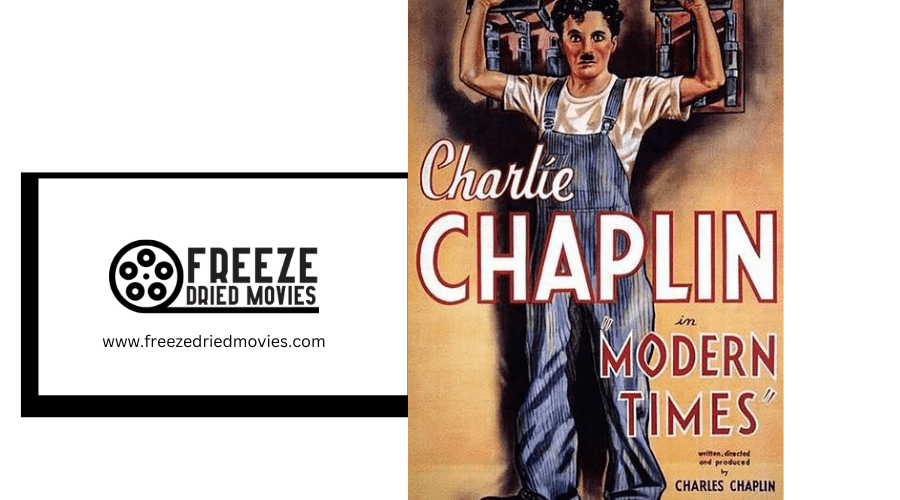
Cinema in the 1930s vividly mirrored the period's social and political upheavals. Filmmakers often portrayed the dire economic conditions of the Great Depression, focusing on the resilience and struggles of the working class. With the advent of talkies, directors could incorporate direct political commentary, as seen in Charlie Chaplin's *Modern Times*, which critiques both industrialization and capitalism. Mobile cinema vans even took political messaging on the road, underscoring the influence of films in shaping public opinion. This transformative decade also captured other societal shifts, such as the rise of fascism in Europe and the changing roles of women, reflecting the broader anxieties and hopes of the era.
The Rise of Talkies
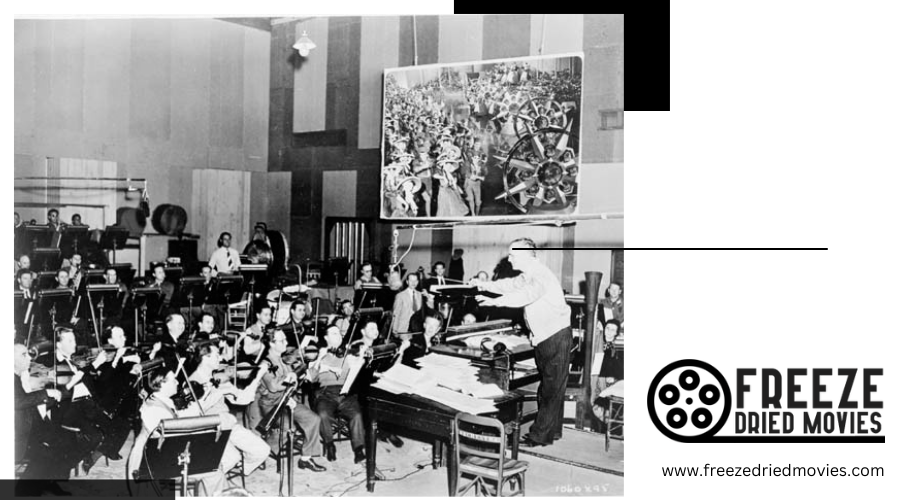
With the advent of talkies in the late 1920s, the entertainment industry underwent a monumental shift that rendered silent films almost obsolete. Hollywood was electrified by the introduction of sound, and by 1929, an impressive 90% of films produced by major studios utilized this groundbreaking technology. This seismic change in film production not only transformed the movies themselves but also altered how audiences engaged with them.
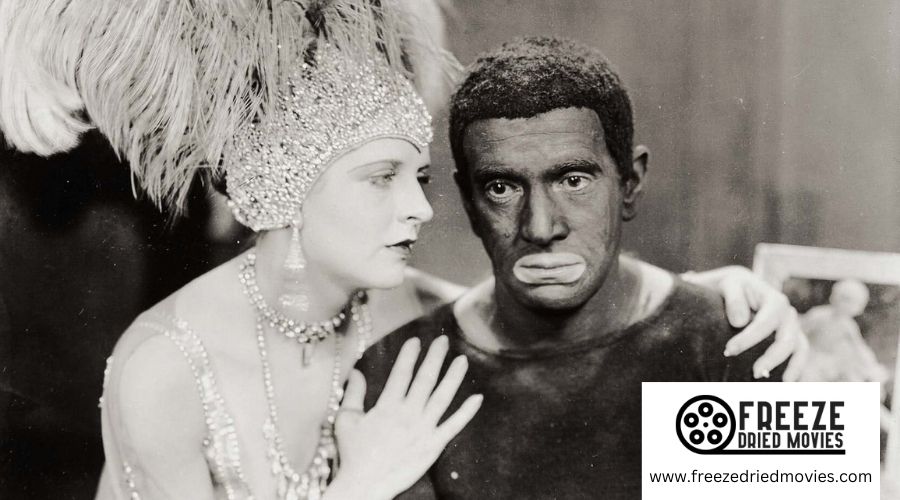
The introduction of synchronized sound technology, epitomized by Warner Brothers' Vitaphone system in "The Jazz Singer" (1927), revolutionized storytelling. Dialogue, music, and sound effects could now enhance the cinematic experience, attracting larger audiences and boosting box office revenues. Silent films, once the pinnacle of Hollywood, quickly became relics of a bygone era.

As talkies took over, many silent film theaters closed, replaced by luxurious movie palaces designed to showcase these new sound films. This shift in film exhibition mirrored broader changes in American society. However, as talkies became the dominant form of entertainment, concerns about their impact on behavior and morality grew. Discussions about censorship became prominent, highlighting the evolving relationship between film and societal norms.
Depiction of Economic Hardship
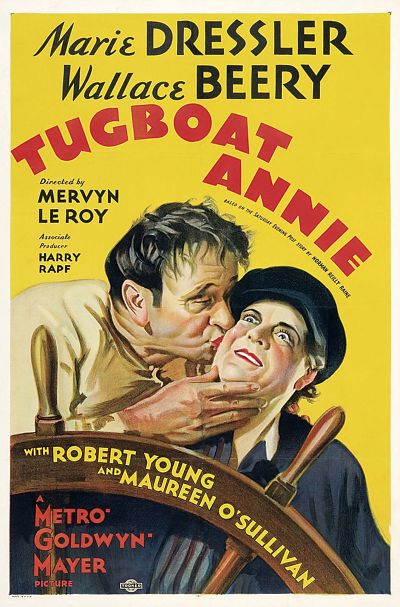
While talkies transformed Hollywood and captivated audiences, the economic backdrop of the 1930s added complexity to cinema. Films of this era often depicted the struggles of economic hardship, mirroring the realities of the Great Depression. Notable titles like "Tugboat Annie" (1933) and "The Call of the Wild" (1935) showcased the resilience of working-class characters grappling with unemployment and poverty. These narratives resonated with a mass audience facing similar challenges, providing both an escape and a reflection of their lives.
Hollywood studios, leveraging vertical integration, reduced production costs and lowered ticket prices, making films more accessible during these tough times. This accessibility helped the film industry thrive despite the economic downturn. The rise of the "social problem" film genre highlighted pressing issues such as labor rights and economic disparity, aligning with the era's social and political activism.
Documentaries like "Believe It or Not" (1932) further illustrated the economic struggles of various communities, raising awareness and empathy among viewers. By addressing economic hardship, 1930s cinema not only entertained but also engaged audiences in a dialogue about their collective struggles and resilience.
Influence of Political Ideologies
The 1930s saw political ideologies dramatically shape cinema, reflecting and responding to the turbulence of the time. American films began to tackle pressing social and cultural issues, including labor rights and economic hardship, driven by the impact of the Great Depression. Political ideologies permeated Hollywood movies, highlighting the struggles of the working class and promoting social justice.
The Popular Front movement markedly influenced Hollywood, leading to the production of films that championed anti-fascism and collective struggle. Filmmakers and actors became politically engaged, using their craft to address the discontent of the time. The election of Franklin D. Roosevelt in 1932 further spurred political activism within the film industry, infusing narratives with themes of hope and resilience.
Charlie Chaplin's *Modern Times* is a prime example, critiquing industrialization and capitalism while illustrating the plight of the working class. The film's satirical take on mechanization and economic inequality resonated with audiences facing similar struggles. Meanwhile, political parties used mobile cinema vans for propaganda, further demonstrating how film became a tool to shape public opinion and voter engagement during the 1930s' turbulent socio-political landscape.
Social Commentary in Film
In the 1930s, films emerged as powerful vehicles for social commentary, reflecting the economic struggles and uncertainties of the Great Depression. Cinema of this era tackled pressing social issues, spotlighting themes of hardship and resilience. The advent of talkies enabled filmmakers to incorporate political messages and social critiques directly into their scripts. A notable example is Charlie Chaplin's *Modern Times* (1936), which poignantly addressed the dehumanizing effects of industrialization and economic despair.
Political films gained traction, with competing mobile cinema vans from Conservative and Labour parties showcasing the recognition of cinema as a tool for political propaganda and public engagement. These films did more than entertain; they influenced public sentiment and provided a platform for discussing societal concerns.
The influence of Hollywood films sparked critiques about their impact on British national identity, leading to calls for increased production of British films to reflect local culture and counteract American dominance. The League of Nations Child Welfare Committee's 1928 report highlighted societal concerns over the moral implications of cinema, especially on children, underscoring the medium's significant role in shaping public consciousness during the 1930s.
Impact on Public Opinion
Amid the transformative landscape of the 1930s, talkies revolutionized public entertainment, shifting social gatherings from live performances to grand movie palaces. This shift significantly impacted public opinion, as movies became a powerful medium for shaping societal views, particularly through political and gangster films. Concerns over the influence of these films on behavior and morality, especially for children, were highlighted by the League of Nations Child Welfare Committee report in 1928. Parents and community leaders feared that depictions of violence and crime in gangster films could corrupt youth and negatively influence societal values.
Political parties soon recognized the potential of film production to sway public opinion. In Britain, competing mobile cinema vans distributed political films to influence electoral outcomes, demonstrating the medium's persuasive power. Additionally, the 1930s saw calls for increased production of British films to combat American cultural dominance. A 1932 memorandum expressed concerns about the Americanization of British film culture and its impact on national identity. This period underscored how movies could shape not just entertainment trends, but also political landscapes and national consciousness, reflecting and influencing the public's viewpoints.