How 1930s Cinema Captured the Spirit of the Times
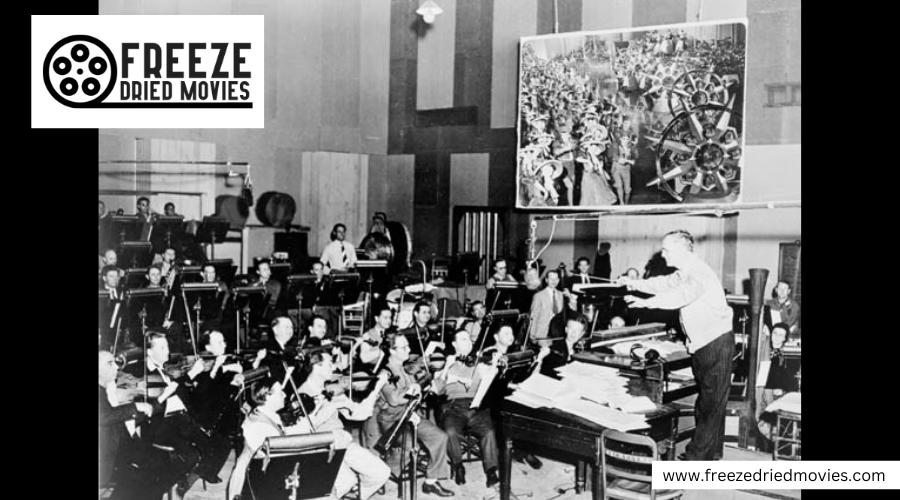
When reflecting on 1930s cinema, it's impossible to overlook how it captured the essence of an era defined by the Great Depression. Films were more than mere entertainment; they offered hope and a temporary reprieve from everyday hardships. With the advent of sound and the rise of musicals, audiences experienced a distinctive blend of joy and resilience on the silver screen. Movies like *The Wizard of Oz* and *Gone With the Wind* didn't just entertain—they reflected societal challenges and fostered a sense of unity. Want to delve deeper into how this cinematic magic thrived despite economic turmoil? Let's explore further.
Evolution of Entertainment Media
Embracing new technologies, the 1930s marked a significant shift in entertainment media. The entertainment industry evolved rapidly, fueled by innovations that transformed both cinema and radio. The introduction of sound in movies, which began with *The Jazz Singer* in 1927, changed Hollywood dramatically. By the late 1920s, sound films had become prevalent, diversifying into genres like mysteries, comedies, and melodramas that captivated audiences.
During the Great Depression, the need for escapism was palpable, and Hollywood stepped up to provide it. The film industry flourished, with 80 million Americans attending movies weekly. Hollywood became the epicenter of the entertainment industry, offering a break from daily hardships through the silver screen.
Simultaneously, radio emerged as a powerful medium. Initially developed for navigation and military purposes, it quickly found its way into homes, with radio shows becoming a staple. By the end of the decade, 90% of households owned a radio, highlighting the medium's widespread appeal.
The 1930s were a transformative time where both cinema and radio grew exponentially, offering comfort and entertainment to a nation in need. The entertainment industry's innovations during this period left an indelible mark on American culture.
The Great Depression's Influence
During the Great Depression, cinema emerged as a beacon of hope and unity. Musical films provided a joyous escape, while realistic storylines addressed social issues directly. Choreography in these films often symbolized collective strength, resonating with audiences who faced daily hardships.
Escapism Through Musical Films
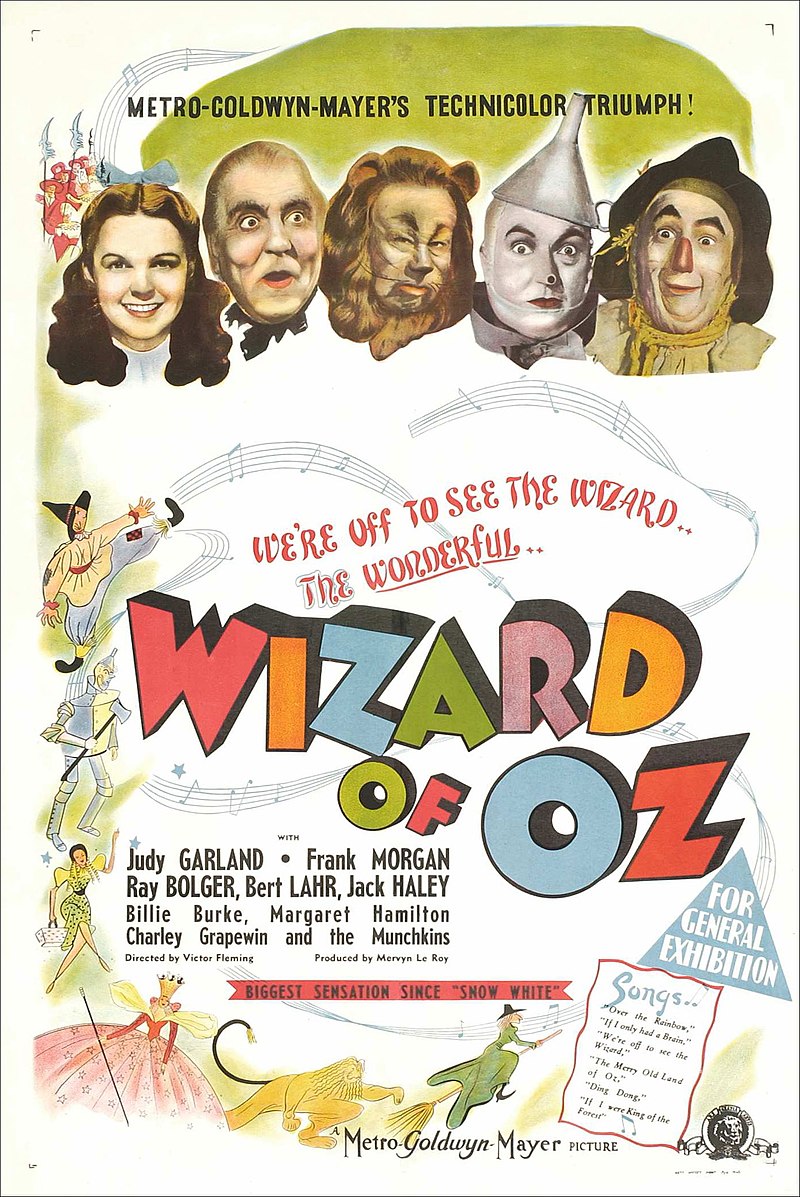
The 1930s saw a surge in the popularity of musical films, providing much-needed escapism for audiences grappling with the harsh realities of the Great Depression. As people faced economic struggles, the lively song-and-dance numbers in films like *The Wizard of Oz* (1939) and *Snow White and the Seven Dwarfs* (1937) offered a temporary respite. These musical films allowed audiences to forget their daily hardships and immerse themselves in a world of uplifting performances and lighthearted entertainment.
Iconic dance partners Fred Astaire and Ginger Rogers, starring in films such as *Flying Down to Rio* (1933), captivated viewers with their dynamic choreography and romantic escapades. Their on-screen chemistry and dazzling routines further solidified the genre's appeal, making it a beacon of hope during tough times. Musical numbers like "We're in the Money" celebrated premature victories over Depression-era hardships, enhancing morale and promoting a sense of optimism.
These films often featured themes of wealth, romance, and good times, reinforcing the notion of an idealized world where dreams could come true. For many, these stories resonated deeply, offering relief and a glimmer of hope amidst the struggles.
Social Themes in Storytelling
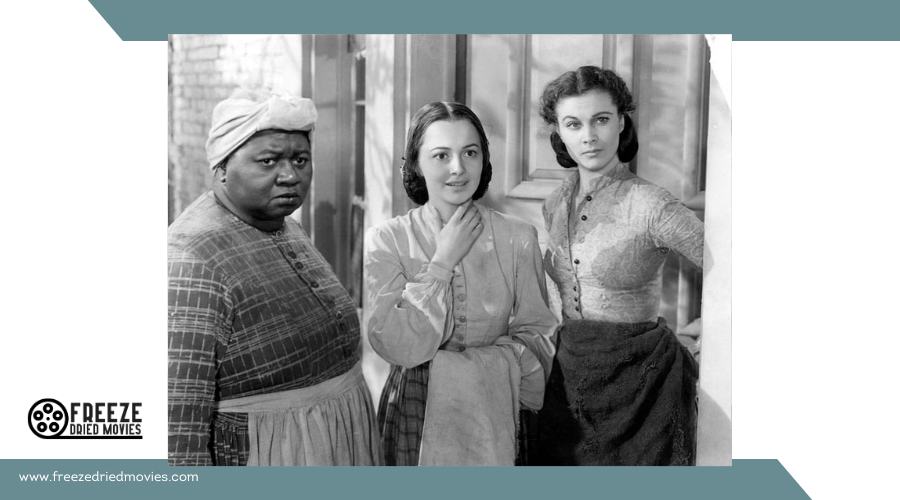
Filmmakers in the 1930s addressed the harsh realities brought on by the Great Depression, shifting towards realism in storytelling. They reflected the economic hardships and struggles that people faced, with social themes exploring issues like poverty, unemployment, and the quest for individual success. Movies such as *Gone With the Wind* (1939) tackled these topics head-on, resonating deeply with audiences who experienced similar challenges.
However, not all films were grounded in reality. Escapist films like *The Wizard of Oz* (1939) offered a much-needed distraction, providing uplifting narratives and happy endings. These movies reinforced American ideals of hope and perseverance, showing characters overcoming adversity despite societal challenges.
To create vivid imagery:
- Dusty streets and breadlines, capturing the struggle of daily life.
- Lavish ballrooms and grandiose mansions, contrasting poverty with opulence.
- Heartfelt musical numbers, offering a brief respite from reality.
- Characters' triumphant smiles, symbolizing hope and resilience.
Through these narratives, audiences experienced the period's complexities—both the harsh realities and the dreams of a better tomorrow. Social themes in 1930s cinema painted a multifaceted picture of the times, blending stark realism with the magic of escapist films.
Choreography and Collective Unity
The exuberance and unity often depicted in 1930s cinema found expression through intricate choreography, reflecting society's yearning for solidarity during the Great Depression. Elaborate dance numbers became metaphors for social cohesion, visually representing collective unity in challenging times. The energetic rhythms of jazz and swing music mirrored the resilience and togetherness people needed while facing economic hardships.
Fred Astaire and Ginger Rogers, for instance, weren't just entertainers; their dance routines celebrated harmony and connection. Their fluid movements and synchronized steps symbolized how society could come together, even in adversity. Busby Berkeley furthered this concept with his groundbreaking choreography, featuring synchronized movements that highlighted collective effort and optimism.
Cultural Representation in Film
1930s cinema, often reflecting the dreams and struggles of its period, offered a complex tapestry of cultural representation. These films encapsulated the essence of American culture during the Great Depression, with California frequently depicted as a promised land. This portrayal captured the hopes of displaced individuals and aspiring artists flocking to Hollywood, emphasizing themes of perseverance and courage that deeply resonated with audiences facing economic hardships.
Hollywood's marketing strategies played into this cultural narrative, using talent scout rumors and the mystique of the West to attract public interest. Popular songs from films like the *Gold Digger* series reinforced themes of escapism, offering audiences a brief respite from their struggles.
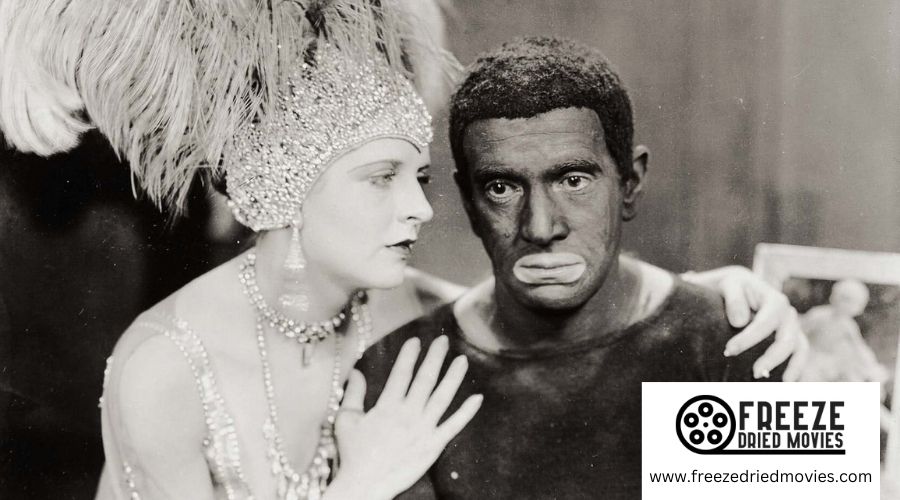
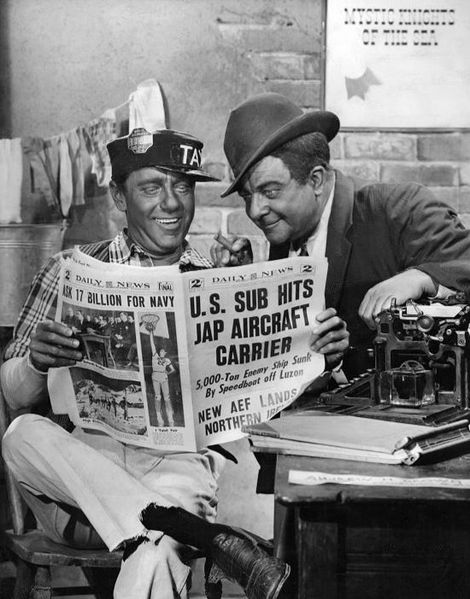
However, 1930s cinema also had its flaws, such as controversial portrayals in shows like *Amos 'n' Andy*, which highlighted societal tensions and racial stereotypes. These elements prompted necessary discussions about cultural representation, revealing both the aspirational and problematic aspects of American culture at the time.
Radio's Parallel Role
When examining the impact of 1930s cinema, it's essential to also consider radio's significant role in American households. Iconic programs like *Little Orphan Annie* and *The Lone Ranger* provided entertainment and moral lessons to millions, while Roosevelt's Fireside Chats offered comfort and guidance during the Great Depression. With radio sales soaring, it became a crucial source of both entertainment and information, shaping the era alongside Hollywood's silver screen.
Impact on American Households
In the 1930s, radio became a cornerstone of American household entertainment, much like cinema lifted spirits during the Great Depression. Just as movie theaters provided a communal escape, radios turned home entertainment into a shared experience. By the end of the decade, 90% of Americans owned a radio, making it an integral part of daily life. Families gathered around their radios, much like they would in a movie theater, finding comfort in stories that offered both escapism and moral lessons.
- Families huddled together, listening to "Little Orphan Annie."
- The comforting voice of Franklin D. Roosevelt during his Fireside Chats.
- Laughter from live comedy shows filling the living room.
- The thrilling adventures of "The Lone Ranger" capturing everyone's imagination.
The psychological impact of radio was profound. Roosevelt's Fireside Chats, for instance, provided reassurance and a sense of connection, easing the anxieties of economic hardship. Radio programming, ranging from live performances to comedy shows, complemented cinema's offerings, providing uplifting content that helped American households endure tough times. With radios in nearly every home, families experienced moments of joy and distraction, much like the communal experience of movie theaters.
Iconic Radio Programs
In the 1930s, radio programs became a lifeline for many American households, offering both escape and education through the airwaves. By the end of the decade, 90% of households owned a radio, making radio programming as vital as cinema for entertainment and information. Amid the Great Depression, shows like *Little Orphan Annie*, *Flash Gordon*, and *The Lone Ranger* captivated audiences with stories of empathy and courage, providing much-needed uplifting narratives.
Radio wasn't just about storytelling; it also brought live performances and comedy shows into living rooms, offering moments of joy and distraction that eased the daily stress of financial hardship and unemployment. Like films, radio programming played a significant role in shaping public sentiment and enhancing community morale.
The cultural impact of radio during this time can't be overstated. It wasn't just about listening; it was about feeling connected and reassured. As people tuned in, the world outside their door seemed a little less intimidating, and the shared experience of these iconic programs helped knit communities together, making tough times more bearable.
Presidential Fireside Chats
Franklin D. Roosevelt's Fireside Chats began in 1933, using the power of radio to bring his reassuring voice directly into American homes. During the Great Depression, these informal broadcasts reached about 60 million listeners, providing comfort and connection.
- Warmth of a radio glow in a dimly lit room
- Families gathered around the radio, attentive to every word
- Roosevelt's calm, conversational tone breaking the silence
- A sense of unity as millions tuned in together
Roosevelt's Fireside Chats addressed critical issues such as the banking crisis and New Deal programs. By speaking in a relatable, conversational manner, he made complex policies accessible and engaging, making listeners feel involved in the national conversation. This approach built trust and reinforced confidence in government actions during a time of widespread economic hardship.
The Fireside Chats not only informed but also provided comfort, akin to the escapism offered by 1930s cinema. Roosevelt's innovative use of radio established it as a key medium for both information and solace, paralleling cinema's role in capturing the spirit of the era.
Hollywood's Major Studios
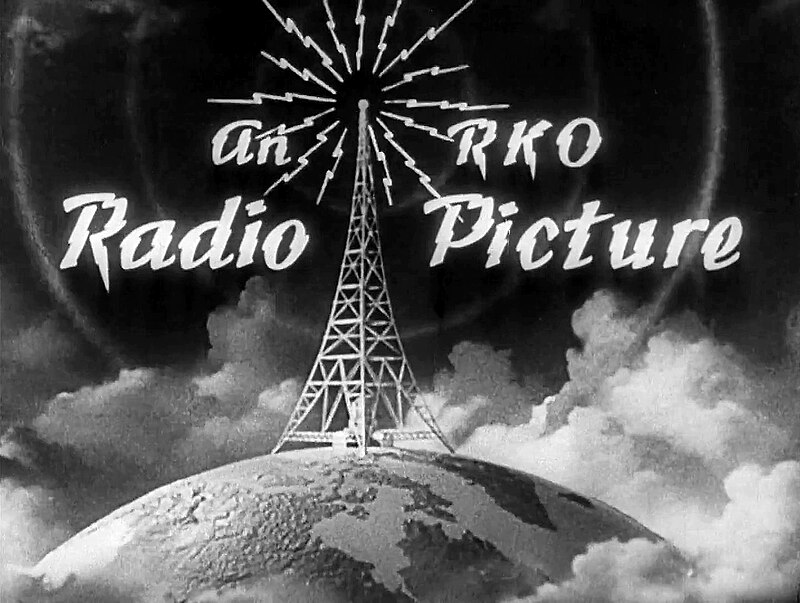
Amidst the glitz and glamor of the 1930s, Hollywood's major studios—MGM, RKO, 20th Century Fox, Warner Bros., and Paramount Pictures—dominated the cinematic landscape. Each studio brought its unique flair to the screen, enchanting audiences and shaping American culture.
Warner Bros. made history by introducing sound in *The Jazz Singer* (1927), a groundbreaking achievement that set the stage for the talkies of the 1930s. They further cemented their legacy with gritty gangster films that resonated with the struggles of the Great Depression, featuring stars like Humphrey Bogart.
MGM, under Louis B. Mayer, was a powerhouse, churning out 16-18 films simultaneously and creating a star system featuring icons such as Clark Gable and Judy Garland. Paramount Pictures excelled in Broadway adaptations and genre diversification, boasting a rich roster of stars.
These studios controlled everything from production to distribution through vertical integration, creating a seamless operation. However, their dominance faced a significant challenge with the United States v. Paramount Pictures antitrust case in 1948, which aimed to dismantle their monopolistic practices.
Innovations in Filmmaking
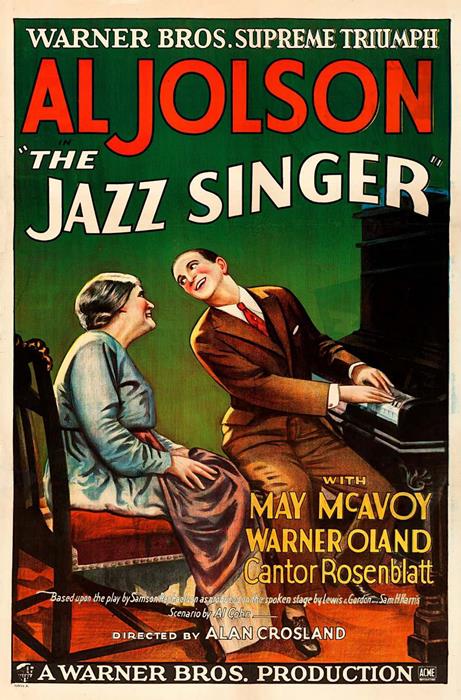
In the 1930s, the film industry was revolutionized by the introduction of sound, epitomized by *The Jazz Singer* in 1927, which brought stories to life in unprecedented ways. Technological advancements such as Technicolor and enhanced cinematography techniques resulted in visually captivating and engaging experiences. These innovations, coupled with the creative storytelling prompted by the implementation of the Hays Code, marked this period as a groundbreaking era for filmmaking.
Transition to Sound Films
The Revolution of Sound Films
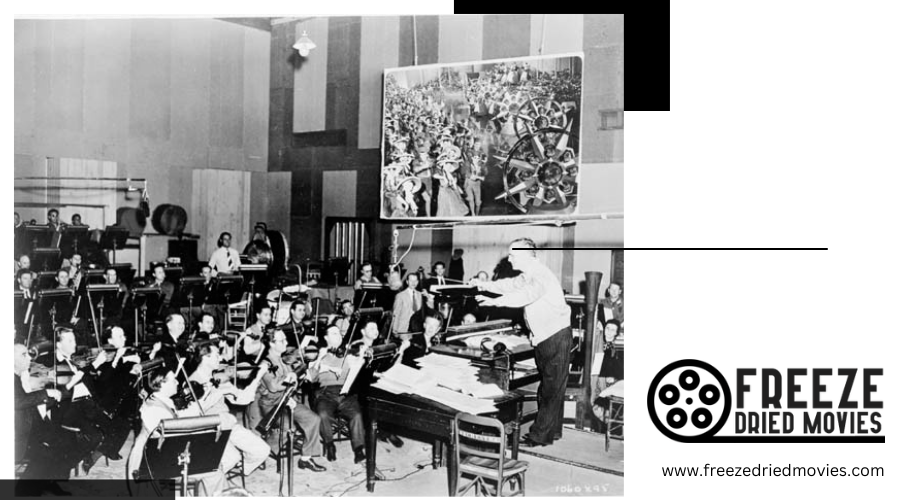
When *The Jazz Singer* debuted in 1927, it didn't just introduce synchronized dialogue; it revolutionized the entire film industry. The advent of sound films, or "talkies," marked a transformative era. By 1929, sound technology had proliferated rapidly, with over 90% of films incorporating sound by the early 1930s. This shift allowed filmmakers to enhance storytelling through dialogue, music, and sound effects, creating a more immersive experience for audiences.
Imagine the Following Scenes:
- A lively New York street: The clamor of car horns and the chatter of pedestrians bring the city to life.
- A romantic dinner: Soft background music and whispered sweet nothings draw you into the character's emotions.
- An action-packed chase: The roar of engines and the crunch of footsteps heighten the suspense.
- A theatrical musical number: The harmonious blend of song and dance dazzles your senses.
The rise of talkies significantly influenced popular genres, with musicals becoming particularly beloved during the 1930s. Films like *42nd Street* (1933) and *Gold Diggers of 1933* became iconic. Innovations in sound technology, including microphone techniques and sound mixing, led to the establishment of major sound studios, permanently altering Hollywood's production processes.
Technological Advancements in Cinematography
The 1930s witnessed a significant surge in technological advancements in cinematography, fundamentally reshaping the landscape of filmmaking. One of the most groundbreaking changes was the advent of synchronized sound, heralded by *The Jazz Singer* (1927). This innovation added depth to storytelling through dialogue and music, enhancing audience engagement with the characters.
Technological progress did not stop there. Advances in camera equipment and film stock facilitated more dynamic cinematography, enabling directors to create visually stunning scenes. The decade also marked the rise of Technicolor, with films like *Becky Sharp* (1935) impressing viewers with vibrant color palettes, adding a new dimension to visual storytelling.
Editing techniques evolved significantly, with innovations such as cross-cutting and montage becoming more prevalent. These methods allowed filmmakers to weave complex narratives and evoke stronger emotional responses from audiences. Additionally, special effects like matte painting and rear projection enabled the creation of fantastical worlds, enhancing the escapist allure of 1930s cinema.
These technological advancements collectively transformed the film industry, setting new standards and capturing the spirit of the times through innovation and creativity.
The Hays Code Era
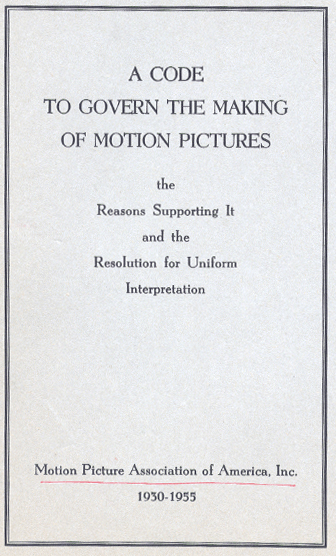
Imagine stepping into a 1930s movie theater, where the silver screen offers an escape within the confines of strict moral guidelines. The Hays Code, established in 1930, aimed to maintain moral standards in films by restricting depictions of violence, sexuality, and controversial topics. This code significantly influenced storytelling, ensuring that films mirrored the prevailing American values of the time.
Under the vigilant supervision of the Breen Office, filmmakers had to adhere to these rigid guidelines, shaping their narratives to avoid any content deemed offensive or inappropriate. The result? Films often emphasized themes of unity, patriotism, and family values, which were especially crucial during the economic hardships of the Great Depression.
When you watch a 1930s film, you notice:
- Chaste romances where kisses linger but don't overstep boundaries.
- Heroes and villains are clearly delineated, with good always triumphing.
- Patriotic scenes celebrating American ideals and resilience.
- Family dinners showcasing unity and moral strength.
These elements weren't merely artistic choices but a reflection of the time's enforced moral compass. The decline of the Hays Code in the 1960s later allowed for greater artistic freedom, but films from this period remain a window into the values and spirit of 1930s American life.
Government and Media
In the broader context of 1930s American life, there was a significant interplay between the government and the media. During the Great Depression, the U.S. government, through initiatives like the Works Progress Administration (WPA), actively supported the arts to provide distraction and uplift the public. Federal programs commissioned artists and backed various cultural initiatives, bolstering industries like film and radio.
The film industry adapted by implementing strategies such as reduced ticket prices and promotional events to draw audiences. This government support was crucial, as popular films of the era often conveyed themes of hope and resilience, aligning with the government's efforts to boost morale and promote American values.
Radio emerged as a primary source of news and entertainment, with President Franklin D. Roosevelt's Fireside Chats serving as a key example of media's psychological impact. These broadcasts provided comfort and information directly to American homes, illustrating the powerful collaboration between government support and media engagement. This synergy helped shape public sentiment and the cultural landscape during a challenging period in American history.
Escapism in Cinema
During the 1930s, movies provided a crucial escape for millions of Americans facing the economic hardships of the Great Depression. With an average of 80 million weekly moviegoers, films served as sanctuaries from financial despair. Iconic escapist films of the era, such as *The Wizard of Oz* (1939) and *Snow White and the Seven Dwarfs* (1937), transported audiences to fantastical realms far removed from their everyday struggles.
Imagine sinking into a plush theater seat, the world outside fading away as:
- *Dorothy steps into the Technicolor land of Oz.*
- *Snow White sings with woodland creatures in her enchanted forest.*
- *Fred Astaire and Ginger Rogers glide effortlessly across a ballroom floor.*
- *Musical numbers in *Stand Up and Cheer!* uplift spirits with each cheerful note.*
These films didn't just provide distraction; they offered hope and comfort. Comedies and romantic musicals starring beloved icons like Fred Astaire and Ginger Rogers emphasized joy amid adversity. Hollywood was marketed as a beacon of glamour and success, portraying it as a land of opportunity. During the Great Depression, cinema's escapism wasn't merely entertainment; it was a lifeline.
Legacy of 1930s Cinema
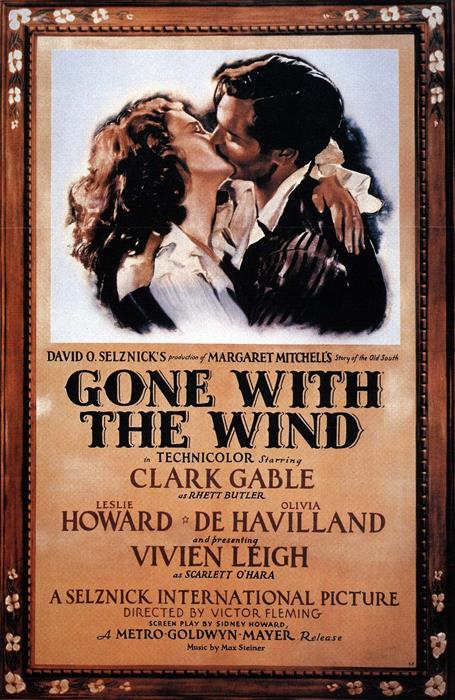
The legacy of 1930s cinema endures, profoundly shaping the film industry and cultural landscape. During the Great Depression, the movie business offered a vital escape for 80 million Americans weekly, highlighting its role in providing psychological relief. Films like *Gone With the Wind* and *The Wizard of Oz* became cultural landmarks, echoing themes of hope and perseverance that resonated with audiences facing economic hardship.
The Golden Age of Hollywood introduced iconic stars such as Clark Gable and Judy Garland, whose charisma and talent defined the era's glamour. Their performances not only entertained but also shaped public perceptions of success and aspiration, leaving a lasting impact on the collective consciousness.
Moreover, the establishment of the Hays Code in 1930 imposed moral standards on film content, influencing the narratives and values depicted on screen. This regulation significantly shaped the cinematic stories of the time, reflecting societal norms and expectations.