Horse Chases & Gunfights: Practical Effects That Define the Genre
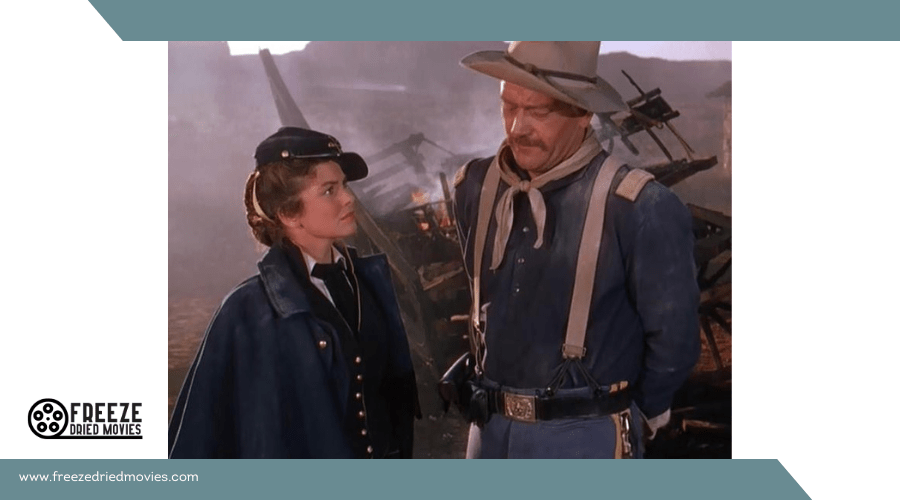
When you watch a classic Western, you're witnessing practical magic. The thundering hooves of horses kicking up dust clouds, the dramatic fall of outlaws as squibs burst with theatrical blood—these aren't just scenes, they're craftsmanship. Behind every iconic gunfight stands a team of stunt coordinators, pyrotechnicians, and fearless performers who risked their necks long before digital safety nets existed. The techniques they pioneered didn't just define a genre; they shaped how action cinema tells its stories to this day.
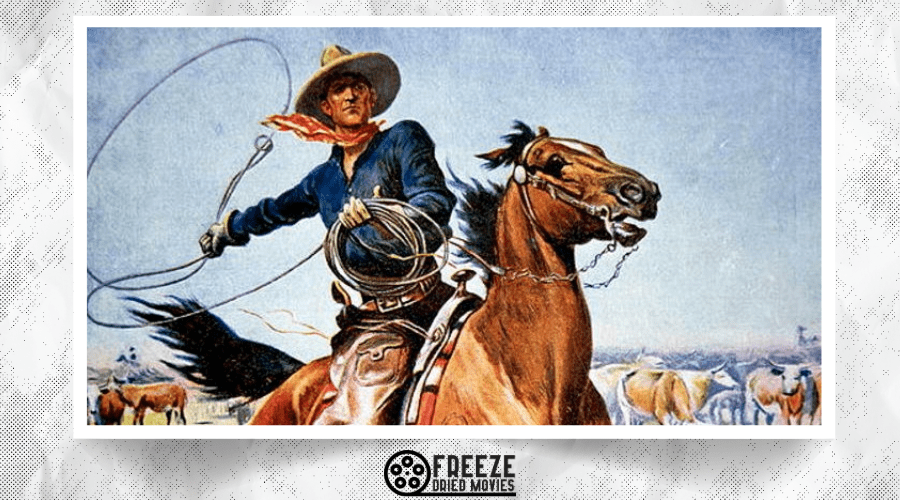
The Equestrian Ballet: Choreographing Western Horse Sequences
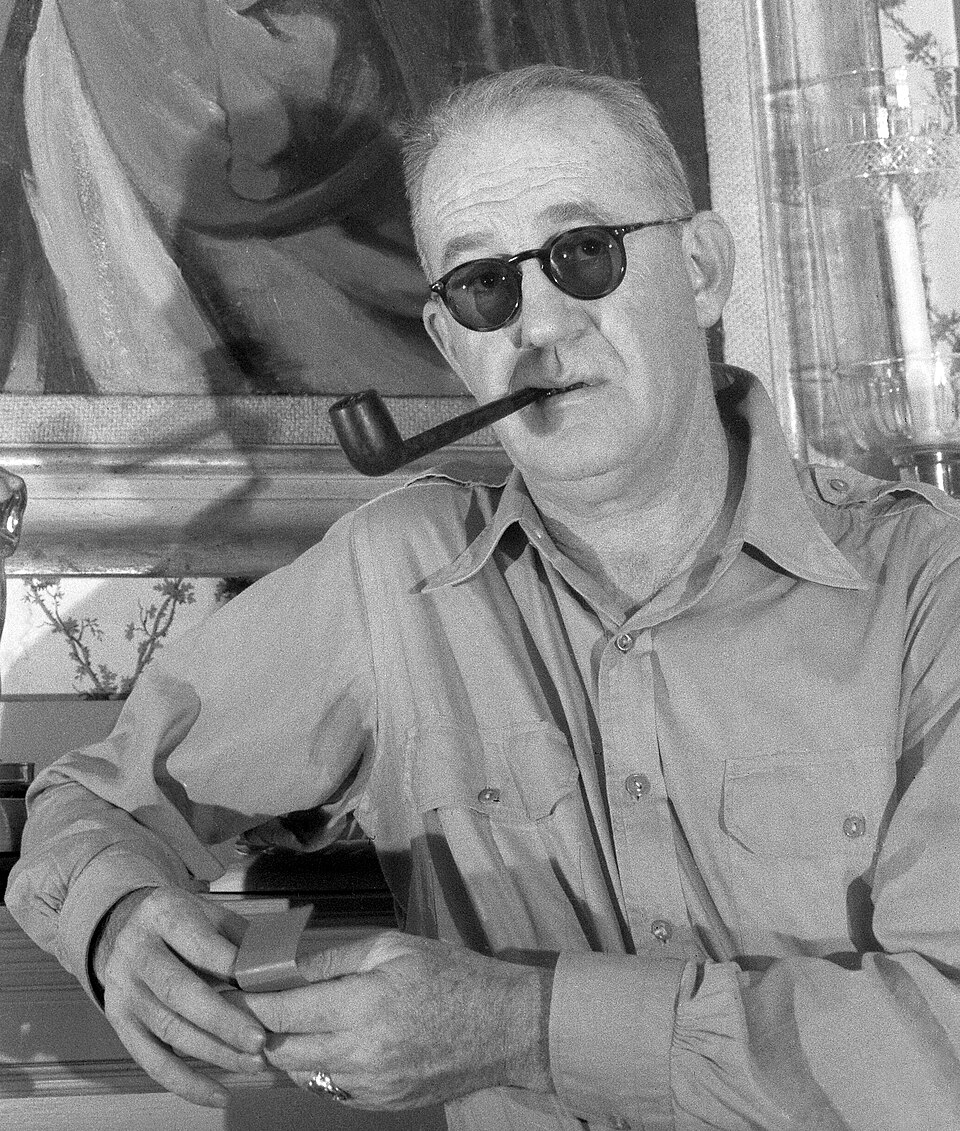
Invariably, the most thrilling moments in classic Westerns emerge from the thundering hooves and dramatic charges of expertly choreographed horse sequences. Behind these dynamic action sequences stood teams of seasoned wranglers and trainers who orchestrated every gallop and leap with precision.
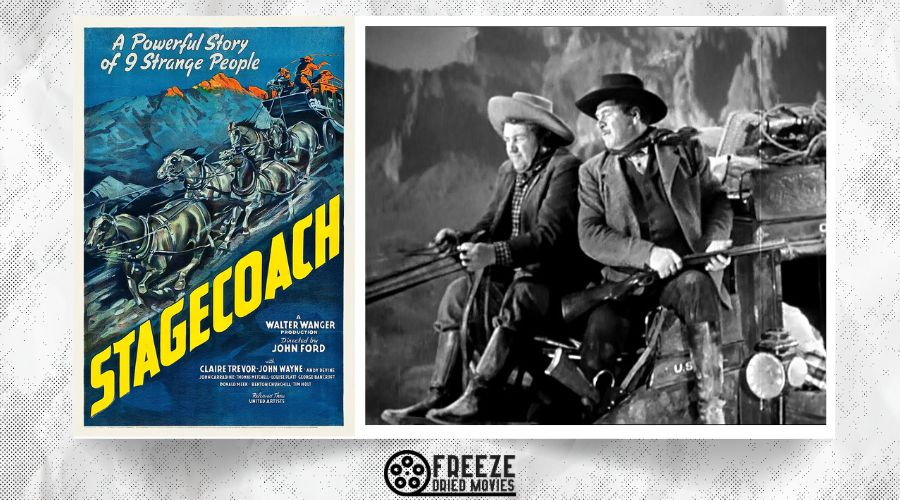
Directors like John Ford mastered the art of letting horses move through statically framed shots, creating natural tension that advanced character arcs while showcasing equestrian prowess. You'll notice how these filmmakers employed multiple camera angles and careful editing to transform meticulously blocked stunts into apparent chaos and danger.
What appears as wild frontier action on screen was actually an elegant ballet requiring extensive coordination. This horsemanship choreography became a defining element of the Western genre, transforming simple chases into the iconic set pieces that still captivate audiences today. This artistic approach reaches its pinnacle in films like "She Wore a Yellow Ribbon," where Oscar-winning cinematography captures the majestic power and grace of cavalry horses against stunning natural landscapes.
Blood and Dust: Practical Gunfight Techniques in Classic Westerns
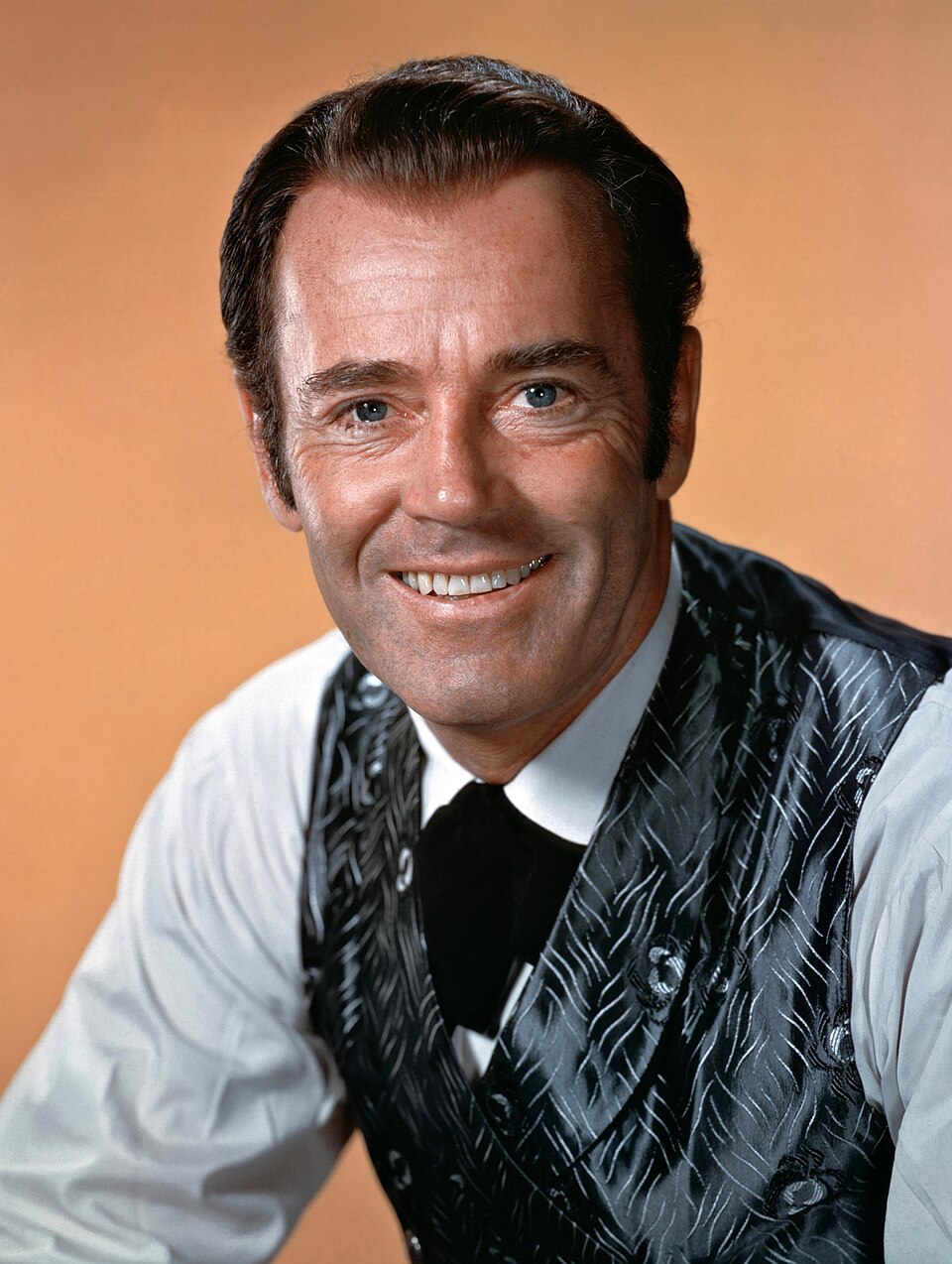
While thundering hooves provided rhythm to Westerns, it was the crack of gunfire that delivered their punctuation. In classic American Western film, directors crafted gunfights through meticulous practical effects.
You've seen John Wayne fall dramatically after a squib explosion created the illusion of a bullet impact, his performance enhanced by cinematographers using low angles and tight framing to amplify tension. The action wasn't just visual—sound designers layered the distinctive click of revolvers and explosive gunshots to create an immersive experience. Actors performed their own stunts, following precise choreography to guarantee both safety and authenticity.
What made these sequences truly legendary was the atmosphere: clouds of dust kicked up by boots and falling bodies, creating that iconic haze through which silhouettes emerged. These practical techniques defined the genre's visceral appeal long before digital effects existed. Even Henry Fonda's collaboration with John Ford pioneered the use of wide-angle shots that revolutionized how audiences experienced the vastness of the American West during these intense gunfight sequences.
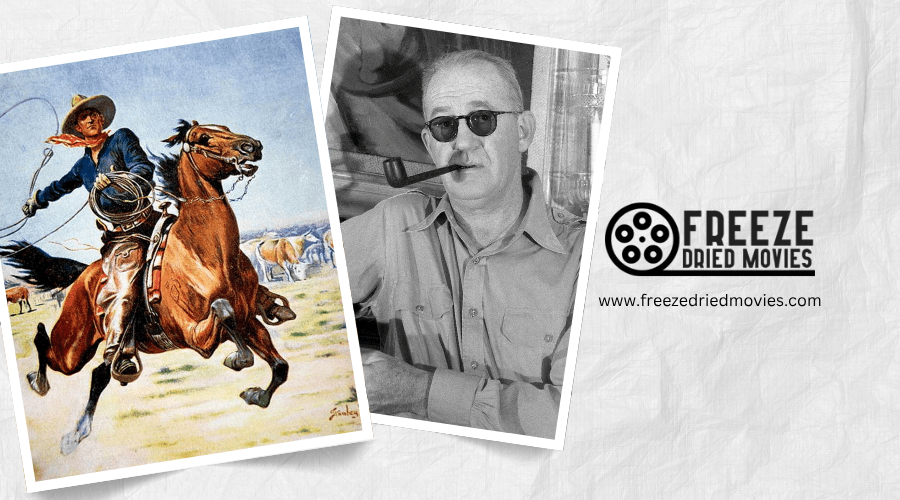
John Ford's Vision: Capturing Action Through Deliberate Camera Placement
John Ford's approach to action stands apart from the frenetic style that dominated later Western filmmaking. Always looking to capture authentic emotion, he typically shot only one take per scene, believing spontaneity couldn't be replicated in subsequent attempts.
Ford's masterful blocking transformed even simple action sequences into visual poetry. His minimalist sound design and carefully planned camera placement worked together to elevate the genre beyond mere spectacle. When you watch a Ford Western, you're witnessing action through the eyes of cinema's most deliberate visual storyteller.
You'll notice Ford's genius in his static camera technique—letting characters create motion within a deliberately composed frame rather than relying on camera movement. This disciplined approach to film production allowed him to edit in-camera, maintaining precise control over pacing while achieving remarkably low shooting ratios compared to contemporaries like Hitchcock. His innovative use of deep focus cinematography created immersive scenes where foreground and background elements remained equally sharp, adding depth to his visual narratives.
The Stuntmen Legacy: Unsung Heroes Behind Western Action
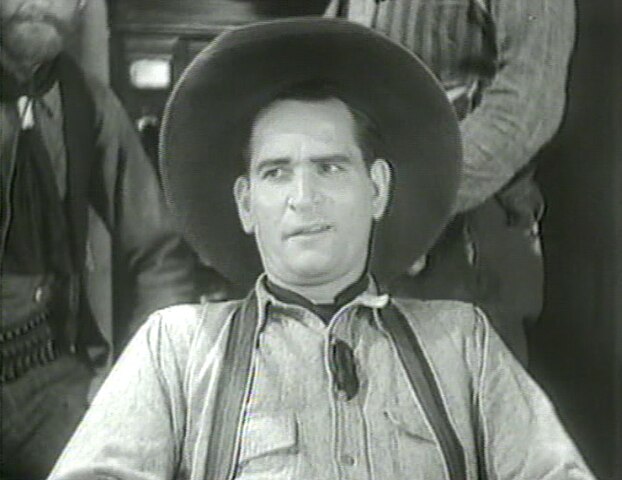
Behind every iconic Western showdown stands an army of fearless stuntmen whose daring feats brought authenticity to the genre's most thrilling moments. These unsung heroes—often former rodeo stars and ranchers—brought real-world skills to Sam Peckinpah's violent masterpieces like "The Wild Bunch," executing life-threatening falls and horse stunts that defined the Western aesthetic.
Yakima Canutt's revolutionary techniques influenced generations of performers, including those who doubled for Clint Eastwood in his gritty Westerns. You're watching Chuck Roberson and Fred Kennedy in those action scenes—not John Wayne. Their dangerous equestrian maneuvers and high-speed chases in classics like "The Magnificent Seven" required split-second timing and extraordinary courage.
The raw, visceral impact of films like "Butch Cassidy and the Sundance Kid" came from practical stunts performed by these remarkable athletes who risked everything for cinematic immortality.
Blank Firing and Squibs: Creating Realistic Gunplay Before CGI
Long before digital wizardry transformed filmmaking, Western gunfights captivated audiences through ingenious practical effects that delivered heart-stopping realism.
You've witnessed the magic that predates Spielberg's CGI mastery. Directors achieved authentic gunfights using blank firing weapons that provided genuine recoil and muzzle flash—a technique later refined by Scorsese in his crime epics. Prop masters, with Hitchcock-like precision, synchronized these blanks with hidden squibs that exploded on cue, creating the illusion of bullet impacts when actors were "shot."
This dangerous choreography demanded meticulous planning that would impress even a perfectionist like David Fincher. Every blank fired and squib detonated required careful timing to maintain both safety and authenticity. These practical techniques created the visceral intensity that defined classic Westerns, establishing a foundation of realism that modern digital effects still endeavor to match.
The Evolution of Western Action From Silent Era to Spaghetti Westerns
Western action set pieces evolved dramatically over film history, transforming from the simplistic chase sequences of silent cinema into the operatic gunfights that would define the genre. During the silent film era, directors relied heavily on stunt performers to create basic yet thrilling sequences that captivated audiences in first place.
John Ford revolutionized these set pieces by introducing sophisticated camera work and editing techniques that heightened tension. Sergio Leone's spaghetti westerns brought suspenseful, drawn-out gunfights backed by Morricone's iconic scores that resonated around the world. Clint Eastwood later refined the approach, using restraint to make gunfights serve as dramatic punctuation rather than extended spectacle.
This evolution shows how practical effects and innovative direction transformed western action from simple chases into genre-defining moments of cinematic artistry.
Modern Western Filmmakers Reviving Practical Effect Traditions
As digital effects began dominating Hollywood in the early 2000s, a counter-movement emerged from filmmakers deeply invested in Western authenticity. Directors like the Coen Brothers and Tarantino have championed practical effects, bringing back the raw power that defined classic Westerns.
You'll see this dedication in "The Ballad of Buster Scruggs," where the Coens orchestrated on-location horse chases that capture a visceral energy impossible to replicate digitally. Similarly, Tarantino's "The Hateful Eight" showcases meticulously choreographed gunfights with actors performing their own stunt work.
This revival extends to filmmakers like David Mackenzie, whose "Hell or High Water" employs traditional squibs and on-set action sequences. By embracing these time-honored techniques, modern Western directors pay homage to the genre's roots while creating authentic experiences that resonate with today's audiences.
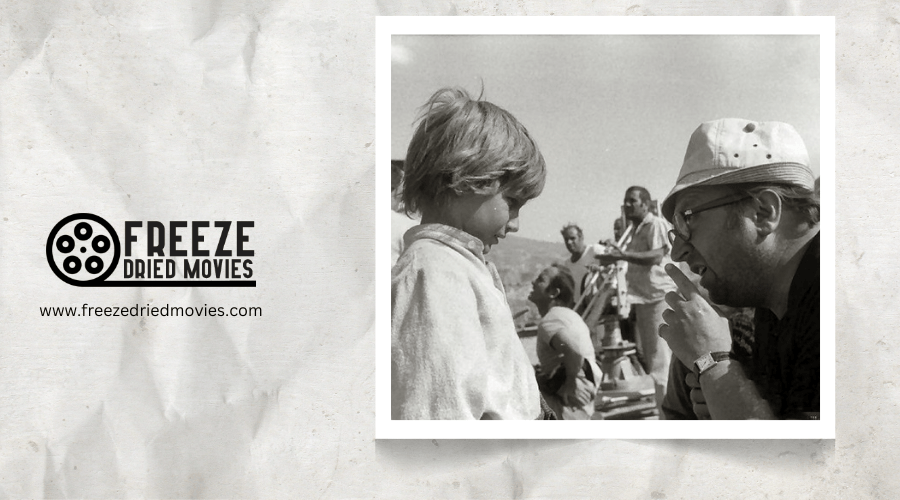
aphrodite-in-nyc from new york city, Gone Girl Premiere at the 52nd New York Film Festival P1070639 (15370774845), CC BY 2.0
Related posts