Hollywood Censorship and the Hays Code in the 1930s
Imagine you're a filmmaker in the 1930s, navigating the strict confines of the Hays Code, which dictates what you can and can't show on screen. Born from societal pressures and scandals, this Code restricts portrayals of sex, violence, and even strong female characters. How do you tell compelling stories under such scrutiny? Many directors resort to clever innuendo and subtle subversion, pushing the boundaries of what's considered acceptable. But what sparked this stringent censorship, and how did it shape the films that defined an era? Your exploration into the intricacies of Hollywood's golden age of censorship awaits.
Early Hollywood Evolution
Early Hollywood filmmakers were not hesitant to explore new storytelling frontiers, often challenging societal norms and preconceptions through their narratives. The 1920s marked a period of bold films that examined themes of power and autonomy for women, reflecting a significant shift in cultural attitudes. This era of creative freedom allowed the film industry to experiment with daring storylines that questioned traditional moral standards and societal conventions.
However, the introduction of the Hays Code in 1930 marked a significant turning point. Established to regulate on-screen content and enforce strict moral standards, the Hays Code profoundly impacted the creative direction of filmmakers. This censorship aimed to address rising concerns about Hollywood's influence on public morality, particularly after high-profile scandals such as the murder of William Desmond Taylor.
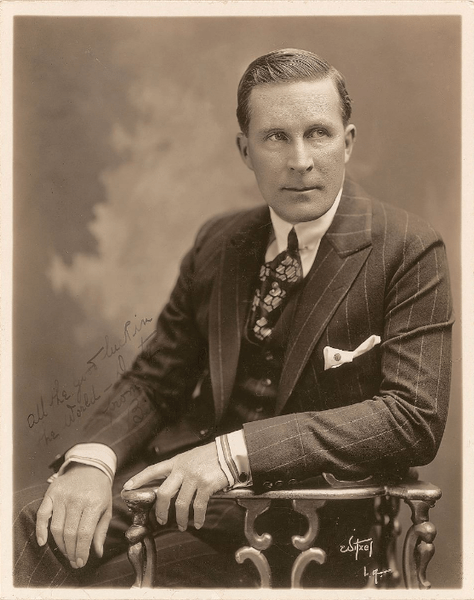
Despite these restrictions, early talkies managed to include progressive stories that defied conventional gender roles before the mid-1930s. Filmmakers cleverly navigated the Hays Code, finding ways to subtly challenge societal norms within the constraints of censorship. The tension between creative freedom and moral oversight defined early Hollywood's evolution, setting the stage for future changes in the film industry.
Scandals and the Great Depression
The backdrop of high-profile scandals and the economic turmoil of the Great Depression further complicated Hollywood's already tense relationship with censorship. Scandals like the death of actress Olive Thomas and the murder of director William Desmond Taylor in the 1920s amplified the public's demand for moral standards within the film industry. As the Wall Street Crash of 1929 pushed the nation into the Great Depression, societal values shifted towards conservatism, increasing calls for censorship laws to regulate Hollywood's content.
During the Great Depression, films often examined themes of sex, violence, and class struggle, reflecting the harsh realities and frustrations of the time. Movies like *Baby Face*, *Scarface*, and *Freaks* tested the boundaries of acceptable content, challenging traditional values. This period saw the enforcement of the Hays Code, a set of moral guidelines designed to rehabilitate Hollywood's image amidst public disapproval and economic hardship.
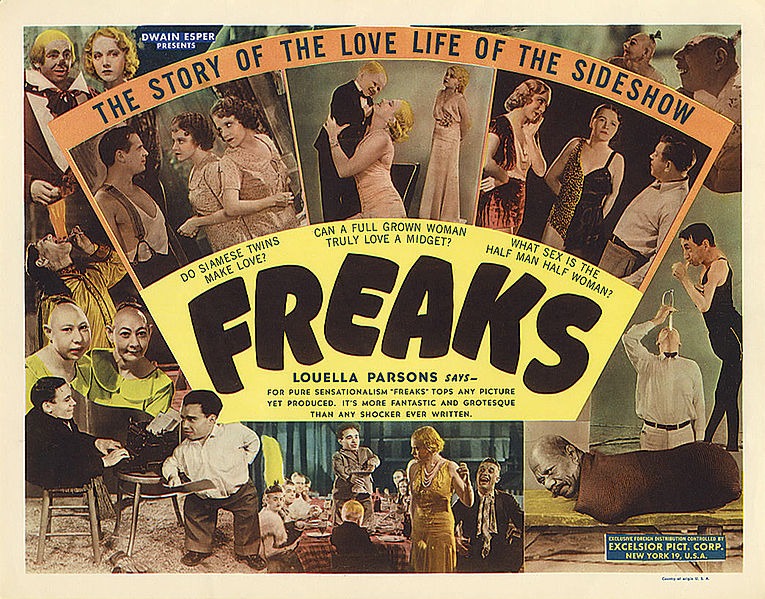
Filmmakers grappled with the need to address controversial topics while adhering to the restrictive environment created by the Hays Code. The combination of scandals and economic challenges forced Hollywood to navigate a complex landscape of censorship and moral scrutiny, ultimately shaping the nature of American cinema.
Hays Code Overview
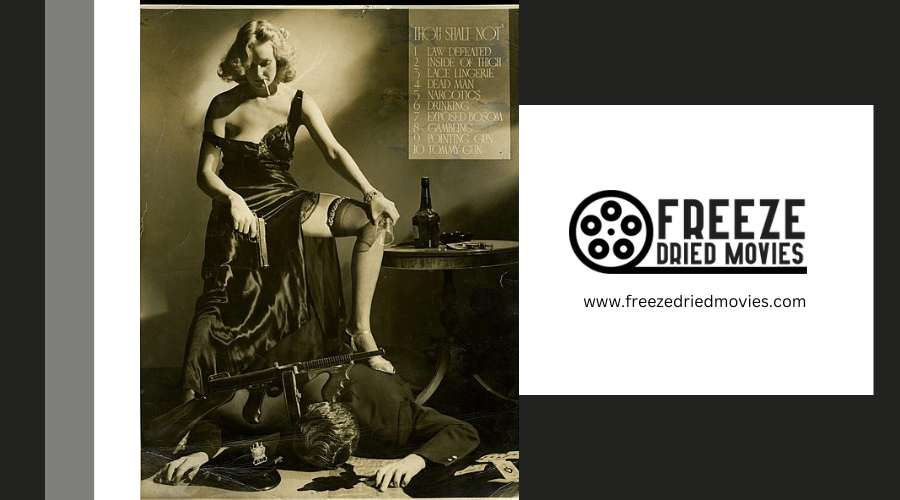
Imagine a film industry where every scene, every line of dialogue, and every character's action had to pass through a rigorous moral filter. This was the reality under the Hays Code, officially known as the Motion Picture Production Code, established in 1930 and strictly enforced from 1934 to 1968. The Hays Code dictated what was deemed acceptable in films, aiming to uphold moral standards.
Joseph I. Breen, appointed in 1934, played a crucial role in the enforcement of the code. Under his guidance, Hollywood studios had to guarantee their films adhered to a stringent set of rules. The Code prohibited profanity, suggestive nudity, graphic violence, and any portrayal of crime or immorality that could lower audience morals. Married couples had to be shown in separate beds, and any depiction of sexual relations outside of marriage had to be portrayed negatively.
This film censorship drastically altered scripts and character portrayals, shaping Hollywood storytelling for over three decades. The Hays Code mirrored the societal values of the period, embedding its moral standards deeply into the fabric of American cinema. As a result, the enforcement of the code substantially influenced the creative and artistic expression in Hollywood.
Filmmaker Resistance
Filmmaker resistance against the Hays Code sparked a creative rebellion that redefined storytelling boundaries. Despite strict censorship, filmmakers like Dorothy Arzner resisted by producing feminist films such as "The Wild Party" and "Dance, Girl, Dance." This was not just about defying rules; it was about challenging societal norms and pushing progressive themes in a constrained period.
- Dorothy Arzner's feminist films: "The Wild Party" and "Dance, Girl, Dance"
- Progressive themes in early talkies: Addressed social issues before mid-1930s
- Joseph Breen's 1934 appointment: Intensified Hays Code enforcement
- Use of innuendo and double entendres: Subversive storytelling techniques
- Pushback against limited representation: Challenging industry assumptions
Filmmakers navigated the restrictive Hays Code by incorporating innuendo and double entendres, creating layered storytelling that critiqued societal norms. The early talkies reflected a fleeting period of creative freedom before Joseph Breen's 1934 appointment, which marked a crackdown on cinematic expression. By challenging the industry's narrow assumptions about their audience, these filmmakers paved the way for a more inclusive and diverse cinematic landscape. Understanding this period's creative resistance offers insight into how filmmakers fought censorship and reshaped Hollywood.
Gender Representation
During the 1930s, Hollywood's Hays Code imposed strict guidelines that often relegated women to traditional roles, stifling portrayals of empowerment and independence. This film censorship meant that gender representation was heavily skewed towards depicting women as virtuous and submissive. Complex portrayals of female characters, which included flaws and strengths, were often muted or eliminated.
Despite these constraints, filmmakers like Dorothy Arzner challenged the Hays Code by creating feminist narratives. Her films, such as "The Wild Party" and "Dance, Girl, Dance," pushed against these conservative values and offered glimpses of female empowerment. These narratives stood in stark contrast to the sanitized depictions that dominated the period.
The Code's influence was partly due to the industry's assumption that audiences were primarily white, straight males. This led to a marginalization of diverse female experiences and stories, perpetuating societal norms that limited women's roles both on and off the screen. However, some pre-Code films from the early 1930s managed to showcase strong female characters who challenged these norms. These films left a lasting legacy, influencing future representations of gender in cinema despite the restrictive environment of the time.
Cultural Shifts
Examining the cultural shifts of the 1930s reveals the significant impact of the Hays Code on Hollywood's storytelling and gender roles. Filmmakers were challenged to conform to conservative standards while depicting evolving societal views, particularly concerning women's roles. By the late 1950s, these restrictions began to relax, mirroring broader changes in societal norms and creative expression.
Impact on Storytelling
The Hays Code, implemented in 1934, fundamentally transformed Hollywood storytelling by imposing restrictions on the depiction of sex, violence, and morality. Filmmakers responded with inventive techniques to navigate these limitations, often using subtext and implicit messages to explore controversial themes. This era saw:
- Clever dialogue and suggestive glances to imply romantic or sexual tension without violating the Code.
- Characters embodying strict moral standards, reflecting societal expectations and avoiding moral ambiguity.
- Reinforcement of traditional gender roles, with female characters rarely stepping outside the bounds of virtue or desirability.
- Script changes in films like Casablanca, illustrating the Hays Code's direct influence on narrative direction.
The gradual decline of the Hays Code in the late 1950s paved the way for more daring and diverse storytelling, marking a crucial shift in Hollywood.
Gender Role Transformations
Hollywood's storytelling took a conservative turn under the Hays Code, impacting not just plotlines but also gender roles. Female characters, once depicted as sexually liberated and empowered, were now constrained by strict moral standards. The Hays Code mandated that women be virtuous and traditional, reinforcing outdated gender roles.
| Theme | Pre-Code Period | Hays Code Period |
|---|---|---|
| Female Characters | Empowered, Independent | Virtuous, Traditional |
| Sexual Liberation | Openly Depicted | Restricted, Demonized |
| Storytelling | Creative, Progressive | Conservative, Restrictive |
| Representation | Diverse, Complex | Simplified, Morally Conforming |
Filmmakers like Dorothy Arzner pushed back, crafting feminist narratives in "The Wild Party" and "Dance, Girl, Dance." Despite the conservative climate, Arzner's films challenged societal norms. However, the industry, assuming its audience favored white, straight males, relegated female characters to supportive or morally flawed roles to align with the Code's guidelines.
The portrayal of married couples in separate beds and the moralization of extramarital affairs were clear indicators of this storytelling transformation. These cultural shifts limited female agency in Hollywood, deeply affecting how women were represented in films for decades. The Hays Code's influence on gender roles undeniably shaped the trajectory of Hollywood cinema.
Decline of the Hays Code
By the late 1950s, the Hays Code's influence on Hollywood was waning. Enforcement had weakened considerably due to competition from television and the influx of provocative foreign films. The decline became inevitable as court interventions, including landmark U.S. Supreme Court rulings, began to erode the Code's authority. Films now gained constitutional protection under the First Amendment, leading to a significant shift in public acceptance of controversial content.
- Hollywood scandals: High-profile incidents undermined public trust in the industry's self-regulation.
- Independent cinema: Films like *Some Like It Hot* and *Psycho* tackled adult themes, pushing against the Code's boundaries.
- Emerging creative freedom: Directors and writers began to explore topics previously prohibited.
- Rating system based on age: By 1968, the Hays Code was replaced with a more flexible rating system reflecting the changing cultural landscape.
- Court rulings: Legal decisions reinforced the idea that films deserved First Amendment protection.
The cultural landscape shifted, leading to greater creative freedom. By 1968, the Hays Code was replaced by a rating system based on age, marking the end of a period of strict censorship and the beginning of a new, more liberated phase in Hollywood's history.
Notable Films Impact
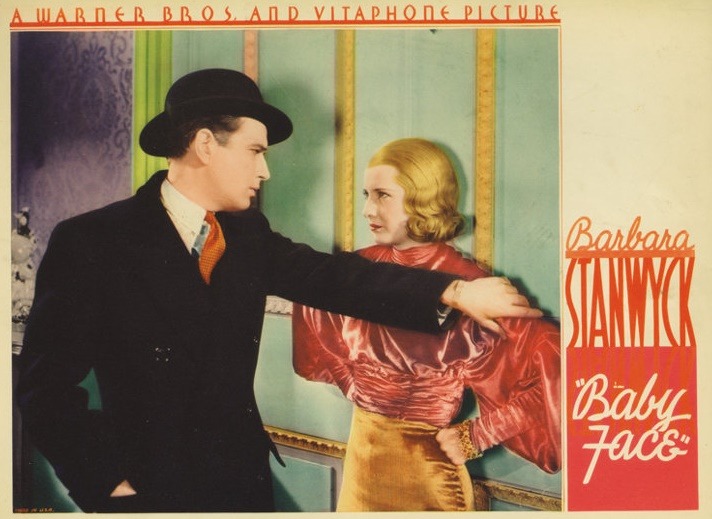
Iconic pre-Code films like *Baby Face* and *Scarface* challenged Hollywood censorship, reflecting societal tensions of the time. When the Hays Code was enforced, filmmakers creatively navigated restrictions, resulting in subtle yet notable changes in movies like *Casablanca*. This era marked a cultural shift, with films such as *Some Like It Hot* and *Psycho* pushing against censorship and paving the way for more mature themes in cinema.
Iconic Pre-Code Films
Iconic pre-Code films from the early 1930s, like *Baby Face* (1933), *Scarface* (1932), and *Freaks* (1932), pushed the boundaries of cinematic storytelling by embracing controversial themes such as sexuality, violence, and class struggles. *Baby Face* depicted a young woman's rise to power through her sexual relationships, challenging societal norms around female empowerment. *Scarface* shocked audiences with its graphic violence and realistic portrayal of organized crime, while *Freaks* offered an empathetic yet unsettling depiction of circus performers with physical differences.
These films exemplified a period of artistic freedom in Hollywood that was soon restricted by the Hays Code, a set of self-imposed censorship guidelines that began strict enforcement in 1934. This code significantly curtailed the exploration of themes like sexuality and violence, which these pre-Code films had boldly addressed. The backlash from audiences and authorities demanding stricter regulations led to the implementation of the Hays Code, marking the end of this brief yet impactful era in Hollywood history.
- *Baby Face*: Female empowerment through sexuality
- *Scarface*: Graphic violence and organized crime
- *Freaks*: Empathetic portrayal of physical differences
- Transition from artistic freedom to Hays Code censorship
- Audience and authority backlash leading to stricter regulations
These films remain a testament to a fleeting but significant period in Hollywood's cinematic history.
Censorship's Creative Workarounds
As the era of pre-Code films ended, Hollywood contended with the restrictions imposed by the Hays Code. However, filmmakers were not deterred. They employed creative methods such as innuendo, visual metaphors, and subtext to imply themes of sex and violence without explicit depiction. For instance, *Casablanca* underwent script revisions to remove explicit references to adultery and sexual extortion, exemplifying how studios adapted narratives to comply with the Code while preserving dramatic tension.
Dorothy Arzner's feminist films, such as *Dance, Girl, Dance*, skillfully embedded strong female narratives within the Code's guidelines, allowing for progressive storytelling that subtly challenged societal norms. By the 1950s, films like *Psycho* began to further test the limits, incorporating more explicit themes of violence and sexuality. This shift reflected changing audience acceptance and a gradual weakening of the Code's influence.
Notable films like *Baby Doll* and *The Bad Seed* faced backlash for their controversial content but also underscored a trend toward bolder narratives. Despite censorship, filmmakers consistently found inventive ways to express complex themes and push the boundaries of cinematic storytelling.
Cultural Shifts Illustrated
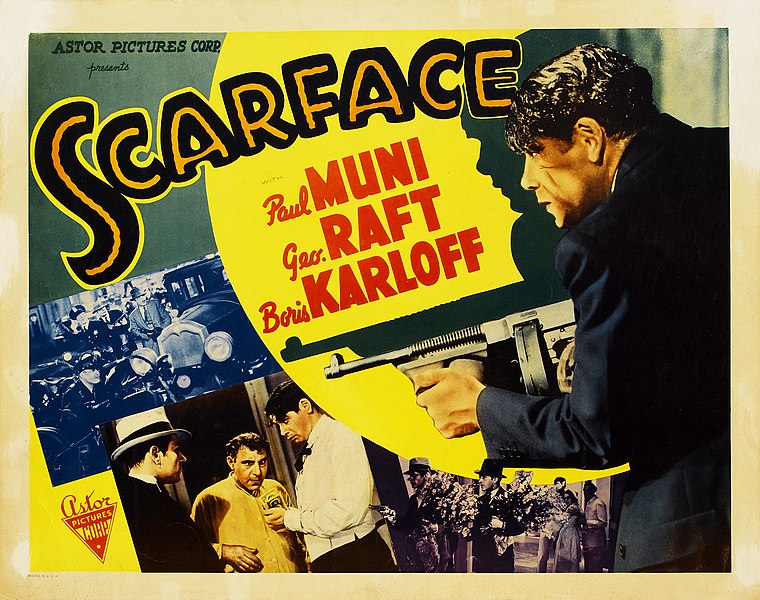
Several notable films illustrate the cultural shifts during the enforcement and eventual decline of the Hays Code. Pre-Code classics like *Baby Face* and *Scarface* openly depicted sex, violence, and class struggle, mirroring the societal tensions of the Great Depression. These films set the stage for Hollywood's battles with film censorship and moral standards.
- *Baby Face* and *Scarface* challenged early censorship with raw portrayals of adult themes.
- *Casablanca* had to remove explicit references to adultery to meet Hays Code requirements.
- *The Bad Seed* and *Baby Doll* pushed boundaries, reflecting evolving public perceptions.
- *Some Like It Hot* and *Psycho* marked the decline of strict Hays Code enforcement.
- Filmmakers creatively circumvented restrictions, implying forbidden elements.
As the Hays Code tightened its grip, movies like *Casablanca* had to omit direct references to adultery, showcasing how moral standards were enforced. Later films like *The Bad Seed* and *Baby Doll* faced backlash but were crucial in illustrating cultural shifts toward accepting controversial themes.
Production Code Enforcement
The establishment of the Production Code Administration (PCA) on June 13, 1934, marked a significant shift in Hollywood's film content regulation. Led by Joseph I. Breen, the PCA rigorously enforced the Hays Code, requiring film producers to obtain PCA approval before release. Endorsed by the Motion Picture Association, the PCA wielded substantial influence, resulting in extensive censorship.
Under Breen's oversight, scripts were scrutinized, changes were mandated, and productions were closely monitored to ensure adherence to guidelines prohibiting nudity, suggestive dances, and explicit crime depictions. This led to a more sanitized cinematic landscape.
| Aspect | Details |
|---|---|
| Date Established | June 13, 1934 |
| Head of PCA | Joseph I. Breen |
| Key Guidelines | Banned nudity, suggestive dances, explicit crime depictions |
Initially unchallenged, the PCA's power began to decline by the late 1950s due to television competition and changing societal norms. Compliance diminished by 1968, leading to the Hays Code's eventual abandonment.
Legacy and Cultural Significance
By the late 1950s, the influence of the Production Code Administration (PCA) waned, marking the end of a stringent era of self-regulation in Hollywood. The Hays Code, enforced from 1934 to 1968, had a profound impact on American cinema, dictating the moral tone of films and shaping the portrayal of characters and narratives to align with conservative values. Reflecting on its legacy, several key points emerge:
- The Hays Code led filmmakers to develop creative storytelling techniques to circumvent restrictions.
- The Pre-Code period (1930-1934) is celebrated for its bold and progressive themes, which contrasted sharply with the subsequent era of censorship.
- The decline of the Hays Code allowed for more diverse and explicit content in films, aligning with changing societal norms.
- The Code's influence sparked debates about the balance between creative freedom and moral responsibility.
- Its cultural significance continues to prompt discussions about the impact of censorship on artistic expression.
Despite its restrictive nature, the Hays Code inadvertently fostered a unique period of artistic expression, especially during the Pre-Code era, now revered for its progressive storytelling. As the Code's grip loosened in the late 1950s, filmmakers enjoyed greater creative freedom, reflecting the evolving societal landscape. The cultural significance of the Hays Code endures, highlighting the intricate relationship between film censorship, moral standards, and artistic expression.