Films That Capture Texas Landscapes and Outdoor Settings
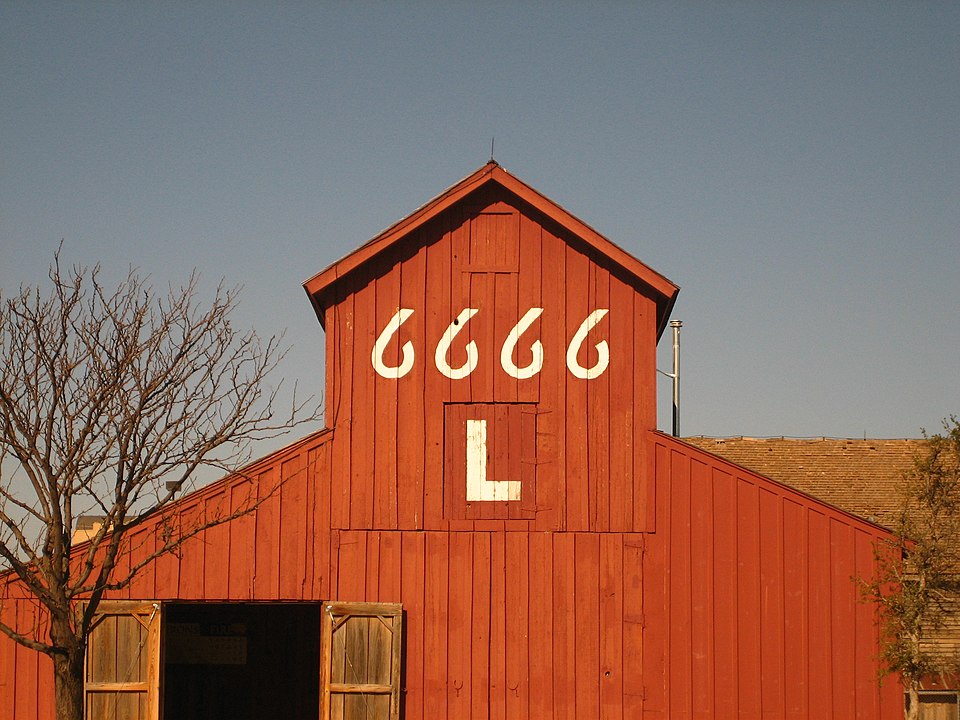
Image: Billy Hathorn, Red barn at National Ranching Heritage Center, Lubbock, TX IMG 0054, CC BY-SA 2.5
Texas has long served as a powerful backdrop for film and television, offering diverse landscapes that range from desert plains and rugged canyons to coastal regions and rolling Hill Country. While the Panhandle provides dramatic open spaces, filmmakers also rely on locations across the state to create visually compelling scenes that feel authentic and expansive. From classic Westerns to modern dramas, Texas landscapes continue to shape storytelling by adding scale, texture, and atmosphere that are difficult to replicate on studio sets.
Why Directors Choose Texas Landscapes for Filming
Filmmakers are drawn to Texas for its natural lighting, wide horizons, and geographic variety. The state offers long stretches of unobstructed land, allowing directors to capture sweeping shots without visual interference. Natural light—especially during sunrise and sunset—creates a warm tone often referred to as “golden hour,” which enhances outdoor scenes without heavy reliance on artificial lighting. While productions still use professional equipment, these conditions help achieve a more natural and cinematic look. Additionally, Texas provides a range of environments within a single state, making it easier to film multiple settings without relocating production.
Notable Films That Showcase Texas Landscapes
View this post on Instagram
Several films have used Texas locations to create memorable outdoor visuals:
- Hud (1963) – Filmed in the Texas Panhandle near Claude, showcasing ranch life and open plains
- No Country for Old Men (2007) – Shot in West Texas, featuring stark desert landscapes and isolated highways
- Giant (1956) – Filmed in Marfa, highlighting vast ranch land and West Texas scenery
- The Last Picture Show (1971) – Set and filmed in Archer City, capturing small-town North Texas life
- Paris, Texas (1984) – Known for its portrayal of remote desert environments and wide-open spaces
These films reflect how Texas landscapes contribute directly to tone, mood, and storytelling.
Recent TV and Streaming Productions Filmed in Texas
View this post on Instagram
Texas continues to attract modern productions across television and streaming platforms.
- Yellowstone (select scenes) – Filming tied to Texas ranches, including the 6666 Ranch
- 1883 (Paramount+) – Filmed in North Texas and the Fort Worth area, showcasing frontier landscapes
- Friday Night Lights (NBC) – Filmed in Austin, highlighting both urban and rural Texas settings
- Walker (The CW) – A reboot filmed in Austin, using Central Texas locations
These productions highlight how Texas remains relevant in contemporary storytelling, offering both historic and modern visual appeal.
Texas Film Locations You Can Visit Today
Many Texas filming locations remain accessible, allowing visitors to explore places seen on screen.
- Marfa (West Texas) – Known for Giant and its minimalist desert scenery
- Archer City (North Texas) – Preserved as the setting for The Last Picture Show
- Palo Duro Canyon (Panhandle) – One of the largest canyons in the U.S., frequently used for scenic filming
- Austin and Central Texas – A growing hub for film and television production
These destinations combine film history with real-world travel experiences, making them appealing for both movie fans and outdoor enthusiasts.
DFW Filming Locations and Productions
While much of Texas film history highlights West Texas landscapes, the Dallas–Fort Worth area has also played a role in film and television. Dallas itself gained international attention through the long-running TV series Dallas (1978–1991), with filming at Southfork Ranch in Parker, now a popular visitor attraction. In Fort Worth, the historic Stockyards National Historic District has been used in Western-themed productions and commercials, thanks to its preserved architecture and authentic setting. Modern productions occasionally use DFW for urban backdrops, suburban neighborhoods, and commercial shoots, making it a quieter but still active part of Texas’s film landscape.
How Texas Landscapes Create Visual Contrast
Texas geography allows filmmakers to create strong visual contrasts within a single region. Open plains provide a sense of freedom or isolation, while canyons and rocky terrain introduce depth and tension. Directors often use these differences to enhance storytelling, shifting between wide, open shots and more confined environments. This natural contrast helps create emotional impact, making landscapes an essential part of the visual narrative.
The Landscape as a Storytelling Element
In many films, Texas landscapes function as more than just scenery—they become part of the story itself. Wide, empty spaces can emphasize isolation or conflict, while long horizons highlight the scale of a character’s journey. Directors often use these settings to reinforce themes such as loneliness, resilience, or independence. This approach turns the environment into an active element that shapes how stories unfold.
Small-Town Texas and Authentic Filming Locations
Texas is also known for its small towns and historic architecture, which provide realistic settings that require minimal alteration for filming. Places like Smithville (featured in Hope Floats) and Bastrop County have preserved their original buildings, making them attractive to filmmakers seeking authenticity. These communities often participate in the Texas Film Friendly program, which supports productions and promotes local filming locations. Visiting these towns offers a glimpse into both Texas culture and its cinematic history.
Why Texas Skies and Open Spaces Stand Out
One of the most distinctive features of Texas landscapes is the expansive sky. In regions like the Panhandle and West Texas, the lack of dense tree cover allows for uninterrupted views of the horizon. This creates a visual depth that enhances wide-angle shots and emphasizes scale. While modern technology can simulate these effects, the natural clarity and distance found in Texas remain difficult to reproduce artificially.
Conclusion
Texas landscapes continue to play a major role in film by offering authentic settings, dramatic visuals, and natural lighting that elevate storytelling. From the deserts of West Texas to the plains of the Panhandle and the historic towns of North Texas, these environments provide more than just a backdrop—they help define the story itself. Whether you're exploring filming locations or simply appreciating the scenery, Texas offers a unique connection between cinema and the natural world.