Exploring 1930s Sci-Fi Films: Early Visions of the Future
Exploring 1930s sci-fi films reveals a fascinating glimpse into early cinematic visions of the future. Movies like "Frankenstein" and "Things to Come" not only entertained but also reflected the era's hopes and fears regarding scientific progress and societal change. Directors employed groundbreaking special effects to create worlds that were both terrifying and wondrous. By examining the ethical dilemmas and innovative storytelling of this decade, one can appreciate how these early films laid the foundation for the modern sci-fi genre. So, what exactly made these films so influential?
Overview of 1930s Sci-Fi Films
The 1930s marked a transformative period for science fiction films, igniting the imaginations of audiences with innovative narratives and pioneering special effects. During this decade, sci-fi movies began to reflect societal anxieties and futuristic visions. Films like "Deluge" (1933) and "Things to Come" (1936) provided glimpses into potential technological advancements and their societal impacts.
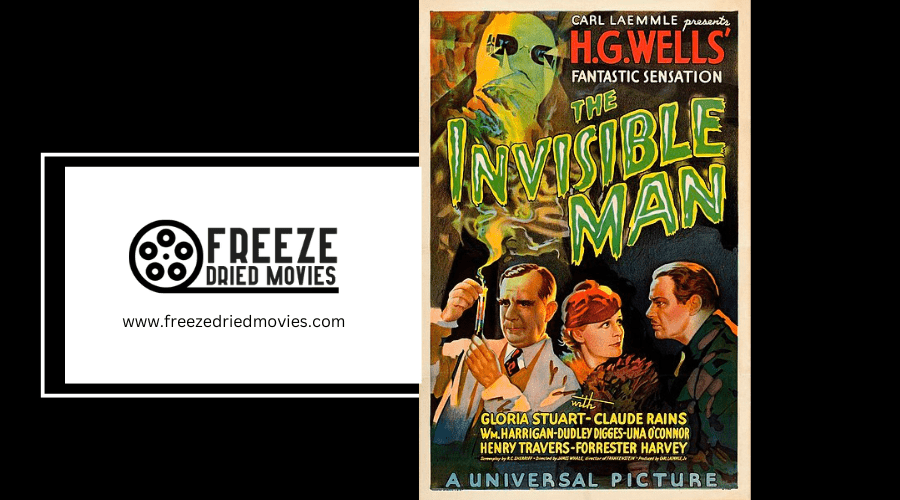
Adaptations of literary works significantly influenced this era. "Frankenstein" (1931) and "The Invisible Man" (1933) explored themes of morality and the consequences of unchecked scientific progress, laying the groundwork for the genre. These films adeptly combined horror elements, enhancing the tension and intrigue for viewers.
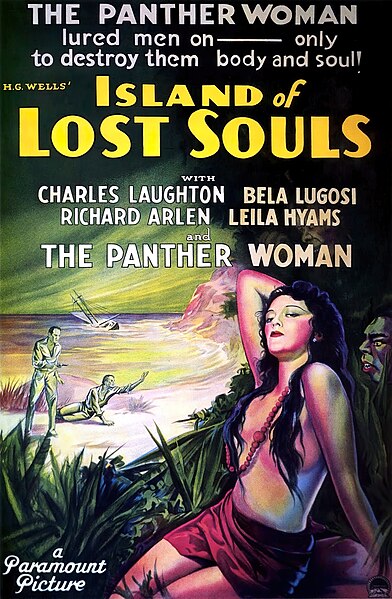
The advent of sound films revolutionized storytelling, allowing for more complex narratives and emotional depth in sci-fi. Movies like "Island of Lost Souls" (1932) and "Doctor X" (1932) showcased this by blending sci-fi with horror and fantasy, creating an eerie atmosphere and dramatic moments that captivated audiences.
Innovations in Special Effects
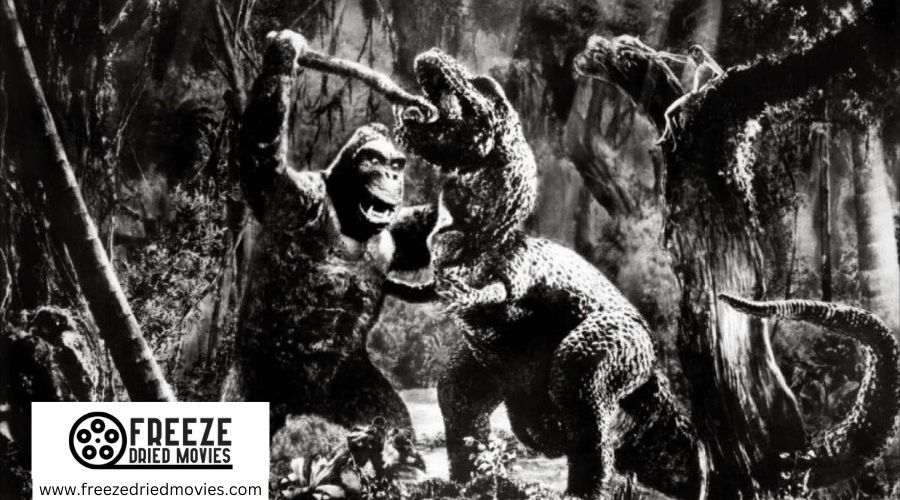
The 1930s saw pioneering special effects that redefined the sci-fi genre, captivating audiences with unprecedented visual marvels. "King Kong" (1933) utilized groundbreaking stop-motion animation to bring the colossal ape to life, setting a new standard for cinematic realism and astonishing viewers. This era wasn't solely about giant creatures; "The Invisible Man" (1933) introduced revolutionary optical effects to create the illusion of invisibility, captivating audiences with seamless visual trickery achieved through practical effects and clever camera work.
"Island of Lost Souls" (1932) pushed boundaries with sophisticated makeup and animatronics to depict hybrid creatures, reflecting the period's fascination with moral dilemmas in science fiction. Concurrently, "Things to Come" (1936) employed miniatures and intricate set designs to visualize futuristic architecture, vividly depicting a technologically advanced society.
Sound design also played a crucial role in enhancing the impact of visual effects. In "Frankenstein" (1931), sound and music amplified the film's emotional depth and atmosphere. These advancements in the 1930s left an indelible mark on cinematic history, showcasing the era's innovative spirit and technological prowess.
Key Themes and Motifs
1930s sci-fi films often explore themes of post-apocalyptic survival, as seen in *Things to Come* and *Deluge*. They question the ethical boundaries of science, with *Frankenstein* and *Island of Lost Souls* examining the morality of unchecked experimentation. Additionally, these films investigate gender dynamics, frequently portraying women as vulnerable in the face of societal collapse and scientific hubris.
Post-Apocalyptic Survival Struggles
In *Deluge* (1933), post-apocalyptic survival is vividly portrayed through the harrowing experiences of Martin, who struggles with isolation and resource scarcity following the destruction of New York City. The film delves into the brutality of human relationships in a collapsed society, illustrating how survival instincts can lead to intense moral conflict and shifting gender dynamics. As Martin interacts with Claire and later uncovers his family, the narrative thrusts viewers into a world where men often become hunters, leading to desperate and morally ambiguous decisions regarding the treatment of women.
The ongoing struggle for power and the tension between individual desires and communal responsibilities underscore the complexity of human relationships when societal norms collapse. This struggle reflects the societal fears of the 1930s, a period marked by economic turmoil and uncertainty. Through Martin's journey, the film offers a raw depiction of humanity's fight for survival, mirroring contemporary anxieties about disaster and chaos. The gritty realism of *Deluge* captures the essence of post-apocalyptic themes, making it a compelling exploration of survival struggles and human resilience.
Ethical Scientific Boundaries
Shifting from the raw struggles of post-apocalyptic survival, the sci-fi films of the 1930s also grapple with the ethical boundaries of scientific exploration. *Island of Lost Souls* critiques the moral implications of Dr. Moreau's experiments, where his creation of hybrid creatures embodies the ethical quandaries of playing God. This film reflects societal anxieties about the consequences of unchecked scientific advancement.
In *Frankenstein (1931)*, Victor Frankenstein faces profound moral dilemmas as he grapples with the responsibilities and repercussions of creating life. His story is a poignant exploration of the consequences of creation, revealing the dark side of technological progress.
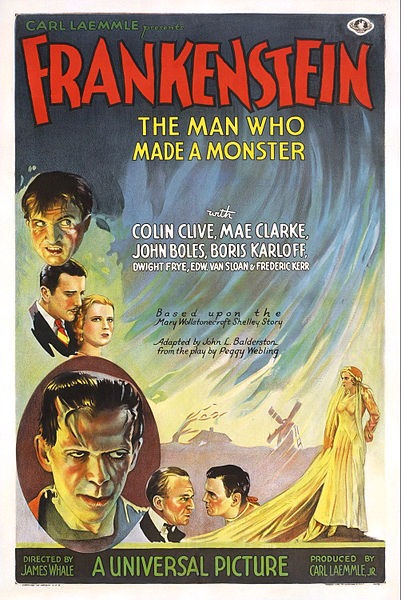
*The Invisible Man (1933)* underscores these themes by portraying a protagonist whose ambition leads to moral decline. His descent into isolation and madness serves as a stark warning about the dangers of unchecked scientific advancement and the ethical quandaries it can release.
Gender Dynamics Explored
During the 1930s, sci-fi films often depicted female characters in perilous situations, reflecting societal fears and reinforcing traditional gender roles. In "Deluge," female characters are hunted for survival in a post-apocalyptic narrative, underscoring their vulnerability and dependence on male characters. This portrayal aligns with the period's societal expectations, where women were often seen as needing protection and guidance from men.
In "Island of Lost Souls," gender dynamics are starkly evident in the treatment of female hybrid creatures, highlighting themes of power and control. These hybrids, created by a man playing God, are subject to the whims and dominance of male characters, showcasing the imbalance of power.
The character of Claire in "Deluge" further illustrates the gender dynamics of the era. Despite being a capable swimmer and survivor, she becomes a pawn in the struggle between male characters, emphasizing her role within traditional gender norms.
Films like "Frankenstein" and "The Invisible Man" explore moral dilemmas that intersect with gender themes. These stories examine human nature's duality and the impact of societal expectations on women, revealing the complexities and constraints placed on female characters in 1930s sci-fi cinema.
Notable Directors and Studios
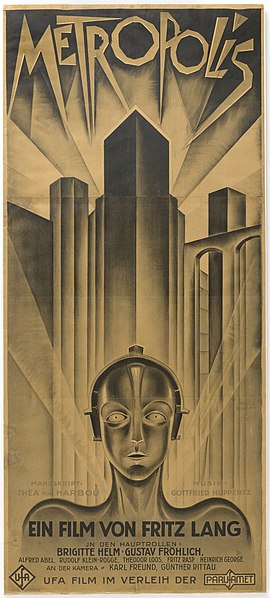
The 1930s ushered in a wave of creativity and innovation in sci-fi cinema, driven by influential directors and pioneering studios. Fritz Lang, renowned for *Metropolis* (1927), continued to set high standards for science fiction with his visually compelling storytelling. Universal Studios emerged as a powerhouse, producing iconic horror sci-fi films like *Frankenstein* (1931) and *The Invisible Man* (1933). These movies not only terrified audiences but also captivated them with groundbreaking special effects and enduring narratives.
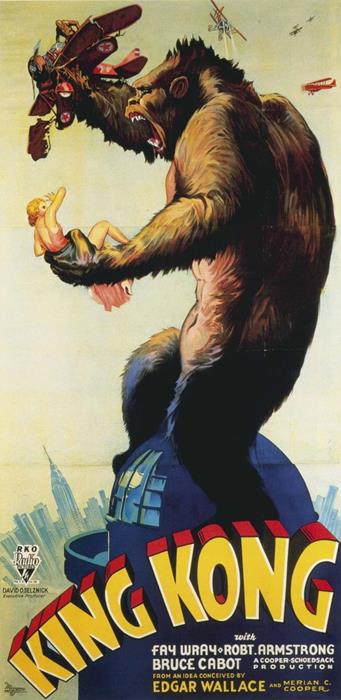
Merian C. Cooper and Ernest B. Schoedsack directed *King Kong* (1933), a film that masterfully blended adventure and horror. Their innovative use of special effects brought the giant ape to life in a way that left audiences in awe, setting a new benchmark for cinematic spectacle. RKO Pictures also made a significant impact with *Things to Come* (1936), adapted from H.G. Wells' writings. This film depicted futuristic themes and ambitious special effects, influencing the sci-fi genre's vision of the future.
Although Fox Film Corporation's *Just Imagine* (1930) didn't achieve commercial success, it remains a remarkable attempt at a sci-fi musical, showcasing futuristic technologies and contributing to the decade's creative explorations.
Influence of Literature
While notable directors and studios played a vital role in shaping 1930s sci-fi cinema, the influence of literature is equally important. Literary giants like H.G. Wells and Jules Verne provided foundational narratives for early films. Adaptations of Wells' novels, such as The Invisible Man (1933) and Island of Lost Souls (1932), allowed filmmakers to explore complex themes, including identity and ethical dilemmas in scientific experimentation.
Key points highlighting this literary influence include:
- Frankenstein (1931) showcased the moral implications of scientific advancements, reflecting societal anxieties.
- Things to Come (1936), based on Wells' writings, envisioned a utopian future while critiquing human conflict.
- Early sci-fi films often combined fantasy and horror, creating a rich tapestry of narrative possibilities.
- These films engaged with technological themes and ethical questions that still resonate today.
- Literary adaptations laid the groundwork for future sci-fi narratives, establishing a tradition of examining scientific and ethical dilemmas.
The influence of literature in 1930s sci-fi cinema was essential in shaping the genre, embedding complex themes and societal anxieties that continue to captivate audiences.
Cultural and Historical Context
Sci-fi films of the 1930s were more than mere entertainment; they reflected the cultural and historical anxieties of their era. Amid the Great Depression, societal fears were mirrored in science fiction. Early films like "Frankenstein" (1931) and "The Invisible Man" (1933) combined horror with sci-fi, exploring themes of monstrosity and unchecked ambition. These narratives mirrored a society grappling with rapid technological advances and ethical dilemmas.
Watching these films, you'll see how they capture a world teetering between awe and fear of progress. Filmmakers used special effects to visualize technological anxieties, as seen in "Deluge" (1933), which showcased impressive special effects and highlighted advancements in filmmaking. Dystopian themes in "Things to Come" (1936) reflected concerns about global conflict and the uncertain future, projecting a world on the brink of war.
These early films not only pioneered the sci-fi genre but also offered audiences a way to confront and comprehend their turbulent world.
Iconic Films of the Decade
Explore the world of 1930s sci-fi cinema, where iconic films not only entertained but also shaped the future of the genre. "Frankenstein" (1931), with Boris Karloff's unforgettable portrayal of the monster, brought Mary Shelley's tale of creation and ethical dilemmas to vivid life. "The Invisible Man" (1933) amazed audiences with its groundbreaking special effects, using H.G. Wells' story to delve into themes of ambition and isolation.
- Frankenstein (1931): Ethical dilemmas and creation.
- The Invisible Man (1933): Special effects and isolation.
- King Kong (1933): Stop-motion animation and giant monsters.
- Things to Come (1936): Technology, war, and human conflict.
- Flash Gordon (1936): Space opera and imaginative storytelling.
"King Kong" (1933) is celebrated for its pioneering special effects and stop-motion animation, significantly influencing the giant monster genre and becoming a cultural icon. "Things to Come" (1936), based on H.G. Wells' visions, depicted a future shaped by technology and war, notable for its ambitious special effects and insightful commentary on human conflict. "Flash Gordon" (1936), the first American space opera film serial adapted from the popular comic strip, captivated audiences with its campy fun and imaginative storytelling. These films not only entertained but also pushed the boundaries of what science fiction could achieve.
Visual and Narrative Techniques
As we explore the techniques that brought iconic films of the 1930s to life, it's evident that visual and narrative innovations significantly shaped sci-fi cinema. Groundbreaking visual effects, such as the stop-motion animation in King Kong (1933), captivated audiences with its lifelike portrayal of giant monsters. Miniatures and practical effects created detailed futuristic environments, exemplified by Things to Come (1936) with its expansive cityscapes and advanced technology.
Cinematography played a crucial role as well. Films like Island of Lost Souls (1932) utilized atmospheric lighting and creative camera angles to evoke dread and enhance the narrative's emotional impact. Black-and-white film was not a limitation but a tool directors used masterfully to craft engaging worlds.
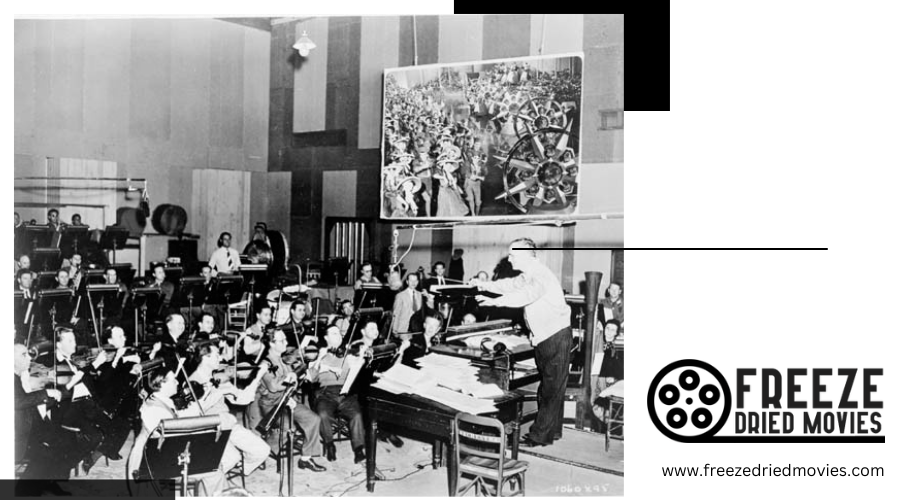
Sound design was equally important. Scores by composers like Max Steiner heightened tension and atmosphere, particularly in films like The Invisible Man (1933). The blending of genres led to unique narrative structures, integrating horror elements into sci-fi. Frankenstein (1931) is a prime example, combining monster films with sci-fi themes to explore complex characters and moral dilemmas. These techniques collectively defined the era's sci-fi cinema.
Legacy and Impact on Genre
Throughout the 1930s, groundbreaking sci-fi films didn't just entertain; they laid the groundwork for future genre innovations. By blending science fiction and horror, these movies created a unique narrative style that echoed through decades of cinema. Iconic characters from *Frankenstein* (1931) and *King Kong* (1933) set a standard for storytelling and character development in the genre.
- The 1930s sci-fi films set a precedent for combining horror and science fiction.
- Special effects innovations in *The Invisible Man* (1933) and *King Kong* (1933) influenced visual storytelling.
- Films like *Island of Lost Souls* (1932) explored human experimentation and ethical dilemmas.
- *Deluge* (1933) introduced post-apocalyptic narratives reflecting societal fears.
- Iconic characters from the 1930s continue to inspire modern sci-fi and horror narratives.
Movies from this time also tackled themes of scientific ethics, with *Island of Lost Souls* (1932) exploring the dark side of human experimentation. *Deluge* (1933) depicted a post-apocalyptic world that resonated with societal fears, a theme still prevalent in present-day sci-fi. The special effects in these films, especially *King Kong*, set new standards, making them a cornerstone for visual storytelling. By laying these foundations, 1930s sci-fi films have left an indelible mark on the genre and continue to inspire filmmakers today.
Rediscovered and Restored Classics
Exploring the rediscovered and restored sci-fi classics of the 1930s reveals invaluable gems like "Deluge," which resurfaced in 1981 and again in 2016. Alongside other iconic films such as "Frankenstein" and "The Invisible Man," these restorations highlight their pioneering special effects and storytelling. These efforts enable contemporary audiences to appreciate early cinematic visions of the future and the societal themes of that era.
Rediscovery of "Deluge"
Amid the vast array of 1930s sci-fi films, "Deluge" stands out not only for its pioneering special effects but also for its compelling journey of rediscovery. Released in 1933 and based on S. Fowler Wright's 1928 novel, this Pre-Code Hollywood gem was thought lost until it resurfaced in 1981 and again in 2016. The studio behind its impressive special effects was the same that produced "King Kong."
"Deluge" depicts a post-apocalyptic New York City ravaged by earthquakes and tsunamis, focusing on themes of survival and the intricacies of human relationships in a shattered society. Its rediscovery has reignited interest in early science fiction cinema and its cultural significance, reflecting the societal fears and aspirations of the 1930s.
Key Points:
- Special Effects: Comparable to "King Kong."
- Rediscovery: Found in 1981 and 2016.
- Pre-Code Hollywood: Grittier and more complex themes.
- Narrative Focus: Survival and human relationships in a post-apocalyptic setting.
- Cultural Impact: Reflects 1930s societal concerns and hopes.
"Deluge" is now available on DVD/Blu-ray and YouTube, offering contemporary audiences a window into early sci-fi storytelling and visions of the future.
Restoration of Lost Films
The rediscovery of "Deluge" underscores a broader trend in cinema: the restoration of lost films. The journey of many 1930s sci-fi films, like "Deluge," from being considered lost to being rediscovered in 1981 and 2016, is crucial for preserving early cinematic history. These restorations, often involving both English and Italian versions, provide a deeper understanding of their cultural impact and narrative themes.
Restoring lost films has revitalized interest in early science fiction. By examining these classics, we gain insights into the societal fears and aspirations of the 1930s, reflected through their innovative special effects and storytelling. Technological advancements have enabled the release of these restored classics on DVD/Blu-ray and platforms like YouTube, making them accessible to new audiences.
Rediscovered films like "Deluge" are more than just relics; they are windows into the past, showcasing the pioneering techniques that influenced modern sci-fi. Restoration projects highlight the significance of these films, ensuring they continue to inspire and educate future generations about the evolution of cinema.