Collaborative Funding Strategies Behind Iconic Western Films

You've likely noticed how modern Western films showcase impressive period authenticity and sweeping landscapes—elements that don't come cheap. Behind these cinematic achievements lies a complex web of financial collaborations that few viewers ever consider. When you watch films like "The Revenant" or "True Grit," you're witnessing the results of studio-independent partnerships, international co-productions, and innovative equity models. These funding strategies don't just make Westerns possible; they fundamentally shape what appears on screen.
Collaborative Funding Strategies Behind Iconic Western Films
Through personal financial commitment and industry reputation, Kevin Costner staked $50 million of his own money to bring Horizon: An American Saga to life. His proven track record in visual storytelling, established through works like Dances With Wolves, helped secure additional financing for this ambitious American Western.
The multi-part structure presented unique funding challenges, requiring substantial upfront investment without guaranteed returns. Despite Costner's dedication to authentic Western genre tropes and stunning visuals, Chapter 1 struggled at the box office, resulting in the cancellation of Chapter 2's theatrical release.
This outcome highlights the inherent risks in collaborative funding for epic Westerns, where even established filmmakers face uncertainty. Investor confidence can quickly erode when critical reception divides and box office performance falters, regardless of a project's visual ambition. Similar financial gambles were taken by studios backing John Wayne's collaborations with director John Ford, which ultimately enhanced his reputation as an iconic Western film star.
Studio-Independent Partnerships: The New Frontier for Western Financing
As traditional studios increasingly shy away from funding risky genre films, innovative studio-independent partnerships have emerged as the lifeline for ambitious Western projects like Horizon: An American Saga. This multi-chapter epic required a $50 million budget for just its first installment, highlighting the substantial financial risk modern Western filmmakers face.
These new funding models typically include:
- Private investor consortiums pooling resources outside studio constraints
- International co-production deals that spread financial risk across multiple parties
- Direct fan engagement through crowdfunding platforms
- Hybrid distribution strategies balancing theatrical releases with streaming opportunities
These approaches echo successful precedents like Dances with Wolves and Open Range, proving that character-driven Westerns can achieve commercial viability when backed by creative financing structures. Modern financiers are particularly drawn to Western projects that showcase expansive landscapes which symbolized abundance and opportunity in post-war American society.
Equity Investment Models in Historical Epic Productions
While traditional studio financing has waned for Western epics, equity investment models have emerged as the financial backbone for ambitious historical productions like Horizon: An American Saga. You'll find these models particularly critical when filmmakers like Costner seek to fund multi-part narratives requiring substantial budgets—$50 million for just the first chapter of Horizon.
Investors must carefully evaluate potential returns against the considerable risks. When initial installments underperform critically or commercially, securing funding for subsequent chapters becomes increasingly challenging. Even premieres at prestigious film festivals can't guarantee investor confidence if box office results disappoint.
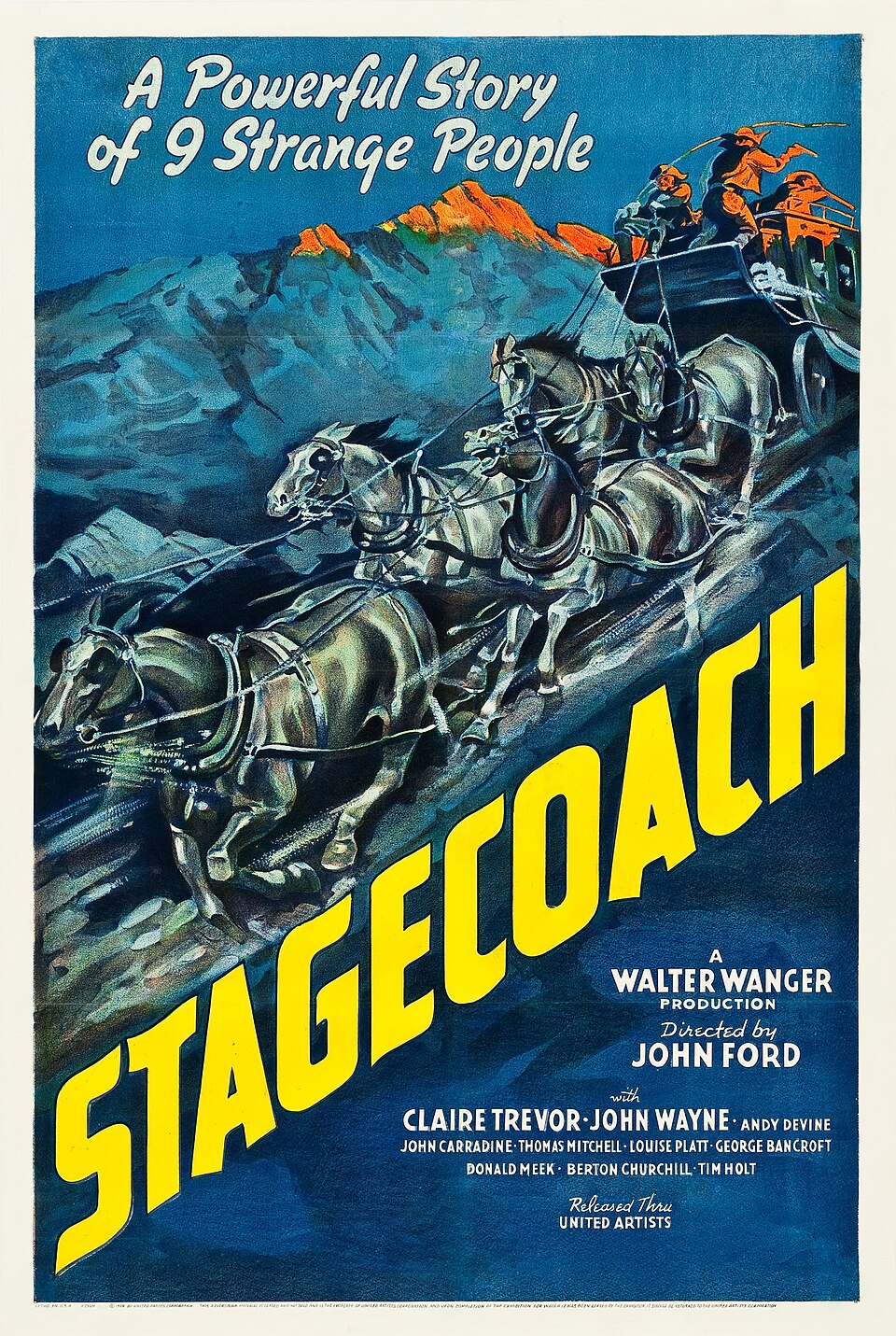
The approach allows visionaries to revitalize classic Western storytelling while traversing the delicate balance between creative authenticity and financial pragmatism—essential when accurately depicting historical eras requires substantial resources. This funding model draws inspiration from groundbreaking 1930s films like Stagecoach (1939) that transformed the Western genre with their character-driven narratives and complex storytelling despite modest production budgets.
Tax Incentives and Location-Based Funding Opportunities
Because authentic Western landscapes serve as characters in themselves, savvy producers leverage geographic-specific financial advantages to fund their cinematic visions. You'll find that securing government partnerships dramatically impacts your production budget while creating economic stimulus for filming locations.
Consider these essential funding pathways:
- State film rebates that return 20-40% of qualified expenditures after production wraps
- Municipal grants tied to local hiring requirements, pumping dollars into regional economies
- Public-private partnerships with tourism boards seeking box office exposure
- Combined incentive packages that stack federal, state, and local benefits
When you strategically select locations based on their financial incentives, you're not just creating authentic scenery—you're building a fiscal foundation that can transform marginal box office projections into profitable ventures.
International Co-Production Arrangements for Western Films
Beyond domestic financial incentives, shrewd Western filmmakers increasingly look across borders to secure extensive funding packages. You'll find that Hollywood studios regularly partner with international financiers to distribute risk while expanding market reach. These strategic alliances have taken a lead role in revitalizing the Western genre for global audiences.
When you examine successful Western epics, you'll notice the fingerprints of Canadian, Australian, and European funding. These international partnerships don't just provide capital—they contribute authentic cultural perspectives and technical expertise that enhance storytelling. Film crews, post-production facilities, and creative talent from partner countries often bring fresh approaches to traditional Western narratives.
Private Investor Coalitions in Period-Piece Cinema
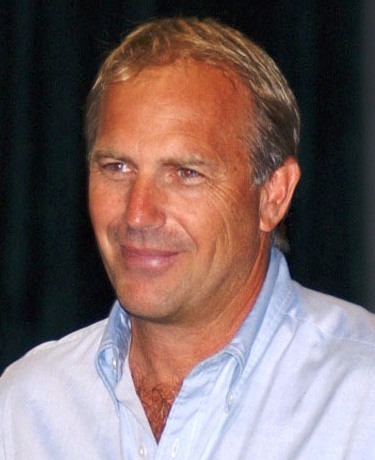
Three distinct private investor coalitions have emerged as pivotal forces behind modern Western epics, reshaping how these ambitious period films get made. When Kevin Costner sought $50 million for "Horizon: An American Saga," these coalitions evaluated the project's viability against its historical scope and frontier authenticity.
Content financing approaches for today's Westerns reflect unique challenges:
- Risk distribution across multiple stakeholders to mitigate the substantial upfront costs
- Valuation of director pedigree, with Costner's "Dances With Wolves" legacy attracting investors
- Multi-chapter financing structures that adjust based on initial performance metrics
- International appeal assessment to guarantee revenue streams beyond domestic box office
The cancellation of "Horizon: Chapter 2's" theatrical release demonstrates how these coalitions continuously recalibrate their investment strategies based on audience reception and financial realities.
Crowd-Funding and Fan-Supported Western Projects

More details
Director and cast at the 2014 Cannes Film Festival
While traditional studio financing has dominated Western filmmaking for decades, crowd-funding platforms have emerged as revolutionary forces reshaping the genre's financial landscape. Films like "The Homesman" secured over $100,000 through Kickstarter, allowing filmmakers to maintain creative control while realizing their artistic vision.
These successes demonstrate how Western enthusiasts can effectively bypass traditional studio gatekeepers, ensuring that projects with authentic vision reach audiences despite lacking conventional backing.
You'll find fan-driven narratives increasingly funded through passionate communities, as evidenced by "The Sisters Brothers," which raised over $200,000 on Indiegogo in 2017. This grassroots approach has even revived classic franchises, with the 2018 sequel to "Bone Tomahawk" securing $250,000 through dedicated supporters.
Product Placement and Brand Integration in Historical Narratives
Although period-authentic Western films appear to provide limited opportunities for modern advertising, savvy filmmakers have discovered innovative ways to integrate brands into historical narratives without compromising authenticity. You'll find that strategic partnerships with prestigious brands can greatly offset the substantial production costs of epic Westerns while maintaining audience immersion.
- Authentic integration - Carefully selected products that align with the historical period enhance rather than detract from storytelling
- Revenue generation - Partnerships with brands seeking association with acclaimed filmmakers create substantial funding streams
- Collaborative development - Production teams work alongside marketing professionals to seamlessly blend branded elements
- Historical balancing act - Successful films maintain the delicate balance between financial necessities and creative integrity
Related posts