A Tribute to 1930s Comedy Duos: Laughter From the Golden Age
When you think about the Golden Age of comedy, it's impossible not to picture the legendary duos who turned laughter into an art form during the 1930s. Pairs like Laurel and Hardy, The Marx Brothers, and Abbott and Costello mastered the blend of slapstick, clever wordplay, and social satire that defined the era. What made their humor so timeless, and how did they influence the comedians who followed? These questions are explored as we delve into the enduring legacy of these iconic figures and their significant contributions to the world of comedy.
Laurel and Hardy
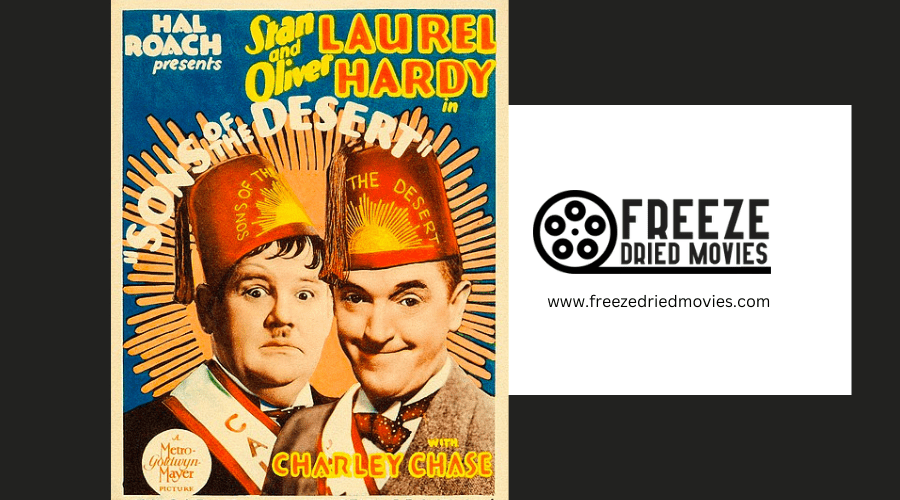
Step into the world of Laurel and Hardy, one of the most iconic comedy duos of the early 20th century. Stan Laurel's childlike innocence contrasted perfectly with Oliver Hardy's pompous demeanor, creating a unique comedic chemistry that has left a lasting legacy. They starred in over 100 films together, including timeless classics like "Sons of the Desert" (1933) and "Way Out West" (1937). Their work showcased a brilliant blend of slapstick humor and clever dialogue, transforming simple scenarios into elaborate comedic setups that led to hilariously chaotic situations.
Laurel and Hardy's physical comedy and impeccable timing made them masters of their craft. Their popularity extended beyond the United States, making them global icons with films translated into multiple languages, winning hearts worldwide. This widespread appeal made them pioneers in bringing laughter to diverse audiences, transcending cultural barriers.
Their influence is profound, inspiring countless comedians and filmmakers. As you explore their filmography, you'll see why they remain a beloved part of cinematic history, celebrated for their timeless humor and unparalleled contribution to the world of comedy.
The Marx Brothers
After enjoying the timeless antics of Laurel and Hardy, it's time to appreciate another legendary comedy group from the 1930s: The Marx Brothers. Consisting of Groucho, Harpo, Chico, and sometimes Zeppo, the Marx Brothers transformed comedy with their unique blend of slapstick, wordplay, and social satire. Each brother brought a distinct personality to the screen: Groucho with his quick wit and trademark mustache, Harpo with his silent antics and harp playing, and Chico with his faux Italian accent and piano skills.
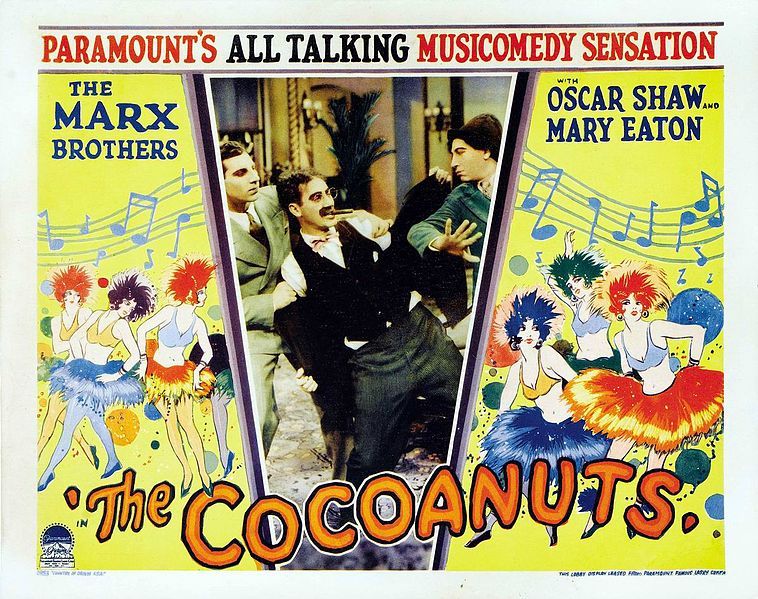
Their 1933 film "Duck Soup" is often hailed as one of the greatest comedies of all time, showcasing their anarchic humor and sharp political commentary. From the moment they shifted from stage to film with "The Cocoanuts" in 1929, the Marx Brothers captivated audiences with their boundless energy and clever gags. Their success in Hollywood didn't just entertain; it also set a new standard for comedic excellence.
The Marx Brothers' impact on comedy is immeasurable. They have inspired countless comedians and left an enduring legacy in film and comedy, influencing the genre's development throughout the 20th century. Their work remains a testament to the power of laughter and innovation in entertainment.
Abbott and Costello
Rising to prominence in the late 1930s, Abbott and Costello became a household name with their unique blend of verbal wit and physical humor. Comprised of straight man Bud Abbott and comedian Lou Costello, their chemistry was undeniable. Their iconic routine "Who's on First?" remains one of the most famous comedy sketches in history, showcasing their impeccable timing and wordplay. This routine alone epitomizes the cleverness seen in verbal comedy, distinguishing them from the physical antics of contemporaries like Buster Keaton.
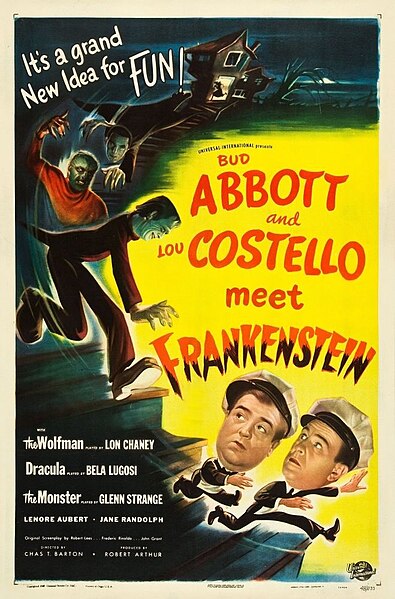
Throughout the 1940s and 1950s, they starred in numerous successful films such as "Buck Privates" (1941) and "Abbott and Costello Meet Frankenstein" (1948), solidifying their status in Hollywood. Their films were not just box office hits; they became cultural touchstones, influencing future generations of comedians and television shows. Their impact on modern comedic duos is evident, much like how Buster Keaton influenced physical comedy.
Their success on radio and in films popularized the comedic duo format, paving the way for later partnerships like Martin and Lewis and Laurel and Hardy. Abbott and Costello's legacy reflects their significant contribution to the evolution of American humor.
Wheeler and Woolsey
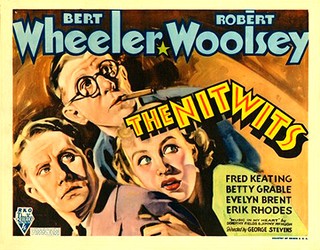
While Abbott and Costello dominated the late 1930s and beyond with their verbal wit and physical humor, another duo made significant strides in the early years of sound cinema: Wheeler and Woolsey. Known for their zany humor and musical performances, Wheeler and Woolsey captivated audiences with films like "Coney Island" (1930) and "The Nitwits" (1935). Their comedic style, rich in witty wordplay, slapstick routines, and playful romantic entanglements, resonated with the audiences of the period.
Wheeler and Woolsey starred in a total of 18 films together, becoming a cornerstone of RKO Radio Pictures' lineup during the early sound phase. Their chemistry and impeccable comedic timing helped smooth the shift from silent films to talkies. They often incorporated musical numbers in their routines, further enhancing their appeal.
Consider these highlights:
- "Coney Island" (1930): A classic showcase of their early work.
- "The Nitwits" (1935): A film that solidified their standing in comedy.
- Witty wordplay and slapstick: Core elements of their humor.
- Influence on future comedians: Their legacy endures.
Wheeler and Woolsey's contributions to early American cinema established them as pioneers of the comedy duo format, influencing generations to come.
Burns and Allen
Burns and Allen, a beloved comedy duo of the 1930s, charmed audiences with their witty banter and slapstick humor. Comprised of comedian George Burns and actress Gracie Allen, their chemistry was undeniable. Their radio show, "The George Burns and Gracie Allen Show," premiered in 1934 and quickly gained popularity, leading to a successful television adaptation in the 1950s.
Gracie Allen was known for her "dizzy" character, delivering nonsensical yet endearing lines that perfectly complemented George Burns' straight-man persona. Their comedic style emphasized flawless timing and delivery, making their misunderstandings and clever wordplay irresistibly funny. Burns and Allen mastered the art of comedy, making their interactions feel both spontaneous and meticulously crafted.
Their impact on the comedy landscape was profound. Burns and Allen set the stage for future television partnerships, shaping the sitcom format that would dominate TV for decades. Their innovative approach to comedy ensured they would be remembered not just as performers but as pioneers who left an indelible mark on entertainment history.
Olsen and Johnson
Olsen and Johnson, a renowned comedy duo of the 1930s, captivated audiences with their high-energy blend of vaudeville routines, physical comedy, and rapid-fire dialogue. Known for their unique style, they quickly became sensations both on stage and screen, with their most celebrated work, "Hellzapoppin'" (1941), reflecting their innovative approach to comedy.
Their acts were characterized by:
- Absurdist humor that challenged traditional comedy norms.
- Surreal sketches offering a fanciful escape during the Great Depression.
- Pioneering audience participation, making viewers an integral part of the performance.
- A lasting influence on future comedy duos, shaping American entertainment.
Olsen and Johnson's direct engagement with their audience set them apart from other acts of their time. By breaking the fourth wall, they created a lively, interactive atmosphere that delighted viewers. Their blend of physical comedy and quick-witted dialogue ensured there was never a dull moment.