Who Were the Iconic Western Film Stars of the 1940s?

In the 1940s, Western films were prominently defined by actors such as John Wayne and Gary Cooper. John Wayne, known for his tough, stoic roles, epitomized the archetypal Western hero, while Gary Cooper was admired for his portrayals of principled and upright cowboys. Their performances were not only pivotal in defining the genre but also in shaping the cultural perception of the American West.
Adding to the genre's richness were James Stewart and Henry Fonda, whose roles often incorporated a deep moral complexity, further broadening the appeal of Westerns. Roy Rogers also made a significant impact by infusing his Western roles with a unique musical element, enhancing the entertainment value and broadening the audience. These actors collectively contributed to the evolution and enduring legacy of the Western film genre during the 1940s.
John Wayne: Western Legend
John Wayne, originally named Marion Morrison, emerged as an iconic figure in Western cinema, appearing in over 170 films. His career-defining moment occurred in 1939 with the film 'Stagecoach,' which not only launched him into stardom but also transformed the Western genre. Known for his distinctive voice and rugged demeanor, Wayne epitomized the classic Western hero. His portrayals of resilient, courageous characters made a lasting impression on Hollywood and global audiences.
His role as Rooster Cogburn in 'True Grit' (1969) is particularly notable, earning him an Academy Award for Best Actor. This accolade recognized his commanding presence and skilled acting. In 'The Searchers' (1956), Wayne portrayed Ethan Edwards, a role that cemented his reputation as a Western icon. His performance in this film is celebrated for its depth and authenticity, effectively capturing the essence of the frontier spirit.
John Wayne's influence on the Western genre is significant. His roles, characterized by their grandeur and moral integrity, are emblematic of the American West, reflecting the toughness, ethics, and determination of the period. His legacy extends beyond acting; he symbolizes an era that has shaped cultural perceptions of the American frontier.
Gary Cooper: Heroic Cowboy
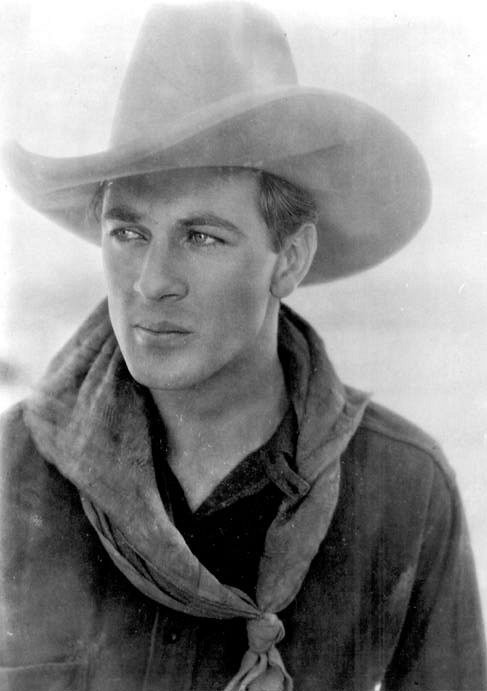
Gary Cooper is celebrated for his roles as the heroic cowboy and notably starred in the classic Westerns 'High Noon' and 'Vera Cruz.' His performances captured the essence of the honor and justice associated with the American frontier. Cooper's portrayal of the quintessential frontier hero, characterized by his stoic demeanor and noble conduct, significantly shaped the Western genre, highlighting the values of an earlier time.
In 'High Noon,' Cooper portrays a sheriff who, with quiet determination and courage, faces overwhelming odds. This role emphasizes not just physical confrontations but also the moral resilience required to uphold justice and law on the rugged frontier.
'Vera Cruz' presents a different challenge, showcasing Cooper navigating morally complex situations. His character's integrity stands out amidst the film's tumultuous and dusty settings, reinforcing the archetype of the Western hero.
Gary Cooper's contributions to cinema go beyond mere entertainment; his roles have defined the perception of the heroic cowboy in film, embodying the spirit of justice and honor that characterizes the American frontier. Watching Cooper's films provides not only a glimpse into his acting prowess but also an appreciation for a seminal figure in the development of the Western cinematic genre.
James Stewart: Stalwart Lawman
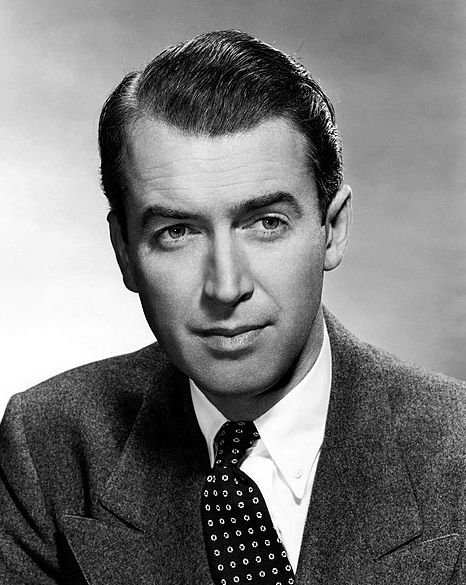
James Stewart captivated audiences in iconic Western films such as 'Winchester 73' and 'The Man Who Shot Liberty Valance' through his portrayals of principled lawmen. His unique combination of humility and strength brought morally upright characters to life, establishing them as central figures in the Western genre. Stewart's performances transcended mere gunplay, deeply resonating with audiences through their portrayal of justice and integrity.
In 'Winchester 73,' Stewart's character exemplified the quintessential hero who excels at sharpshooting and upholding law and order. His portrayal effectively conveyed the complexities of moral decision-making, reinforcing his character's adherence to core principles.
Key aspects of Stewart's performances included:
- Versatility in Acting: Stewart's capacity to express both vulnerability and assertiveness lent authenticity to his roles as a heroic lawman.
- Moral Complexity: Stewart portrayed characters who faced difficult choices, enriching the narrative of the Western genre.
- Emotional Depth: His roles demonstrated a broad spectrum of emotions, enhancing the realism and relatability of his characters.
- Enduring Influence: Stewart's depiction of lawmen has had a lasting effect on the Western genre, influencing subsequent character development in film.
James Stewart's roles in these films did more than entertain; they instilled a belief in the virtues of the steadfast lawman, resonating with viewers on a profound level.
Henry Fonda: The Moral Outlaw
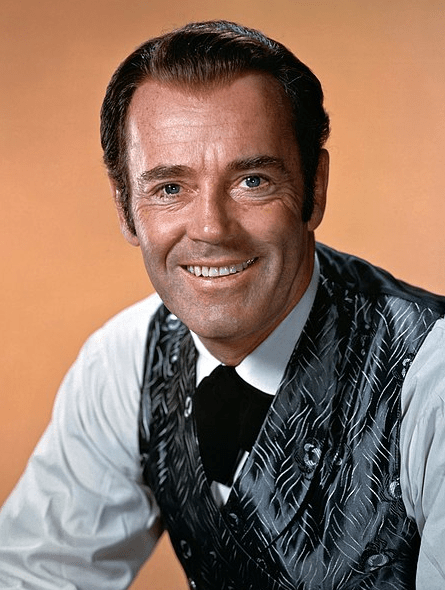
During the 1940s, Henry Fonda excelled in the Western genre by portraying characters who, although often outsiders, adhered to a strong moral framework. This is evident in his role as Wyatt Earp in My Darling Clementine. Directed by John Ford, the film highlights Fonda's depiction of the iconic lawman's integrity and steadfastness, establishing a benchmark for Western heroes.
In The Ox-Bow Incident, Fonda takes on a more complex role. Rather than the typical hero, he represents a moral voice in an ethically grey scenario, grappling with the concepts of justice versus revenge. This role underscores his capability to express intricate ethical conflicts, enhancing the depth of the Western genre.
Reuniting with Ford in Fort Apache, Fonda portrays a character with internal conflicts, adding complexity to his cowboy archetype. This portrayal contributes to his reputation as a moral figure in 1940s Western cinema. These roles not only entertained but also challenged and engaged audiences, solidifying Henry Fonda's significant influence in shaping the Western genre.
Roy Rogers: Singing Cowboy
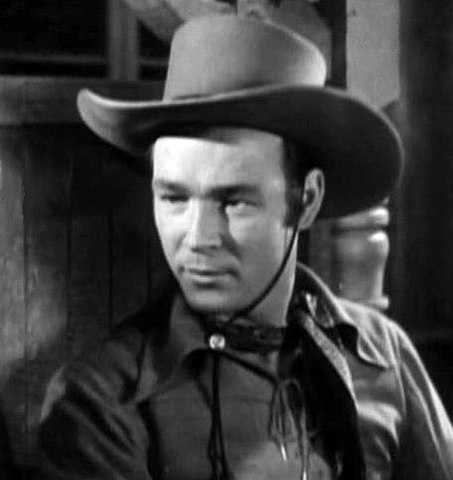
Roy Rogers, often referred to as the 'King of the Cowboys,' was a prominent figure in 1940s Western films. He was renowned for his singing talents and charismatic screen presence. Audiences were enchanted by his performances alongside his faithful horse Trigger exemplifying the Western spirit. His films uniquely combined action with musical elements, showcasing his singing skills and setting him apart in the genre.
Key aspects that defined Roy Rogers in the 1940s include:
- Roy Rogers appeared in over 100 films, establishing him as a leading figure in Western cinema during this period.
- His horse, Trigger, and dog, Bullet, weren't merely pets but pivotal components of his on-screen identity, becoming iconic in their own rights.
- The song 'Happy Trails,' commonly performed by Rogers, became synonymous with his films and embodied his optimistic outlook on life.
- Rogers maintained a wholesome, family-friendly image, which solidified his status as a role model and a familiar name in American households.
Roy Rogers was more than an actor; he was a symbol of the ideal Western hero, consistently encouraging audiences to follow the 'Happy Trails.'
Gene Autry: Cowboy Idol
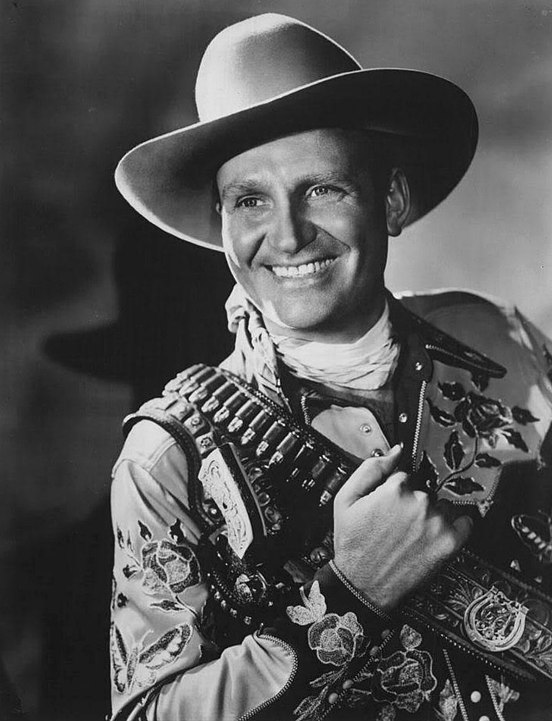
Gene Autry, known as 'The Singing Cowboy,' captivated audiences with his performances in over 90 films during the 1940s. His appeal extended beyond his cowboy attire; his singing voice was the real star, resonating through cinemas and endearing him to fans. Autry was a dominant figure in Western films, consistently drawing large audiences and achieving significant box office success.
In addition to his film career, Autry's musical contributions were significant. His renditions of 'Rudolph the Red-Nosed Reindeer' and 'Here Comes Santa Claus' transcended mere songs to become cultural landmarks, solidifying his position as a familiar figure in American households. His signature song, 'Back in the Saddle Again,' epitomized his cowboy persona.
Autry's persona represented a wholesome image, making him an ideal figure in American Western cinema. His legacy in this genre isn't only remembered but revered, establishing him as an enduring icon of Western film and music.
William Holden: Rugged Actor
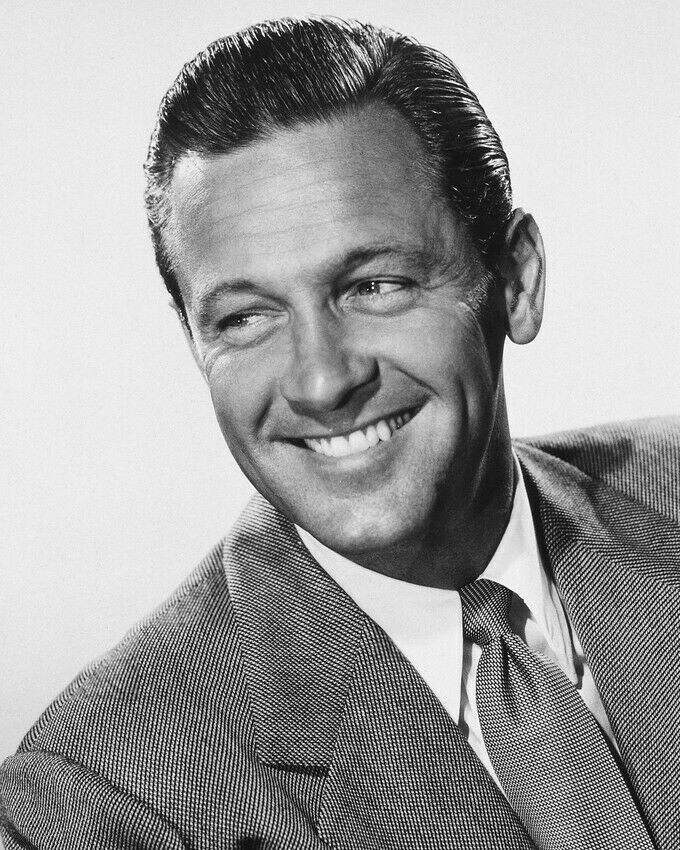
While Gene Autry was known for his singing cowboy roles, William Holden captured audiences with his rugged charisma in Western films. His performances in the 1940s are essential when discussing iconic Western stars. Holden was more than just a handsome actor; his ability to bring depth to complex characters made him popular with both fans and critics.
William Holden's success as a leading man was significantly supported by his roles in Westerns. His performance in 'The Man from Colorado' is a prime example of his skill in portraying morally ambiguous characters, enhancing his image as a rugged actor. Holden's range allowed him to excel in various genres, solidifying his reputation as a formidable talent in Hollywood.
Here's why William Holden is noteworthy:
- Leading Man: Holden's charismatic presence established him as a natural leading man.
- Academy Award Winner: He won a Best Actor Oscar for his role in 'Stalag 17.'
- Rugged Persona: Holden was the quintessential tough, self-reliant Western hero.
- Iconic Roles: His films, including 'The Man from Colorado' and 'The Horse Soldiers,' are enduring influences in the Western genre.
Holden wasn't merely an actor; he embodied the grit and complexity of the Old West.
Randolph Scott: Frontier Justice
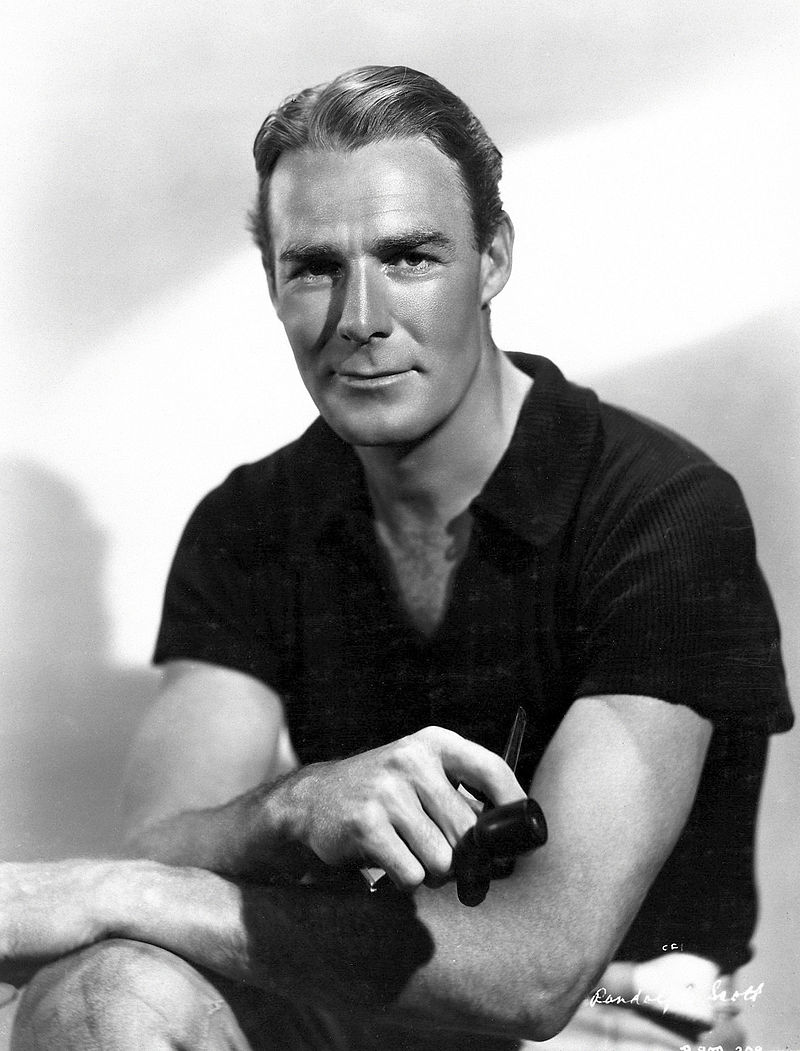
Randolph Scott, renowned for his commanding screen presence, consistently portrayed characters who embodied frontier justice in numerous Westerns during the 1940s. As a pivotal figure in the genre, he epitomized the archetypal cowboy, bravely confronting outlaws in films such as 'Western Union' and 'The Desperadoes.' These roles showcased Scott as the quintessential moral force essential for civilizing the untamed West.
In his films, Scott traversed rugged landscapes with a resolute expression, driven by a mission to protect the innocent from bandits and corrupt authorities. His performances went beyond mere gunplay; they highlighted the virtues of integrity, courageous decision-making, and the sacrifices made for the collective welfare.
Scott's portrayal of steadfast lawmen cemented his legacy as a seminal figure in 1940s Western cinema. His ability to project strength and dependability, often with few words, earned him the admiration and trust of audiences. Through his work, Scott not only entertained but also perpetuated the ideal of frontier justice, profoundly influencing the Western genre.
Joel McCrea: Stoic Star
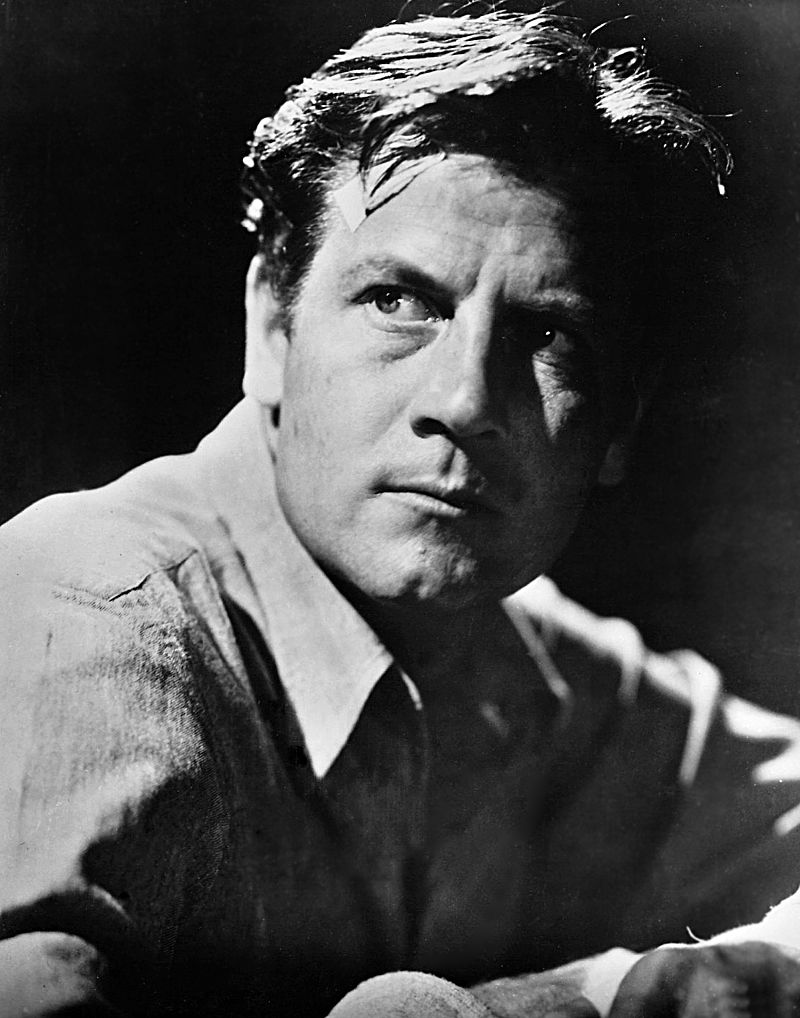
Joel McCrea distinguished himself as a seminal figure in 1940s Western cinema through his stoic presence and rugged appeal. Recognized as the archetypal cowboy, his portrayal of strong, silent characters epitomized the era's leading man. His performances in Westerns not only demonstrated his range as an actor but also cemented his reputation as a cherished icon in American film history.
Key highlights from his career in the 1940s include:
- Buffalo Bill (1944): McCrea skillfully embodied the famed pioneer, capturing the essence of the Wild West.
- The Virginian (1946): In this film, he reinforced his persona as an honorable and resilient cowboy.
- Colorado Territory (1949): McCrea's role as a reformed outlaw in this noir Western was critically acclaimed.
- Audience Appeal: His authentic and engaging portrayals of cowboy roles resonated deeply with audiences.
Joel McCrea's contributions during this period have left an enduring legacy in the realm of classic American cinema.
Walter Brennan: Veteran Sidekick
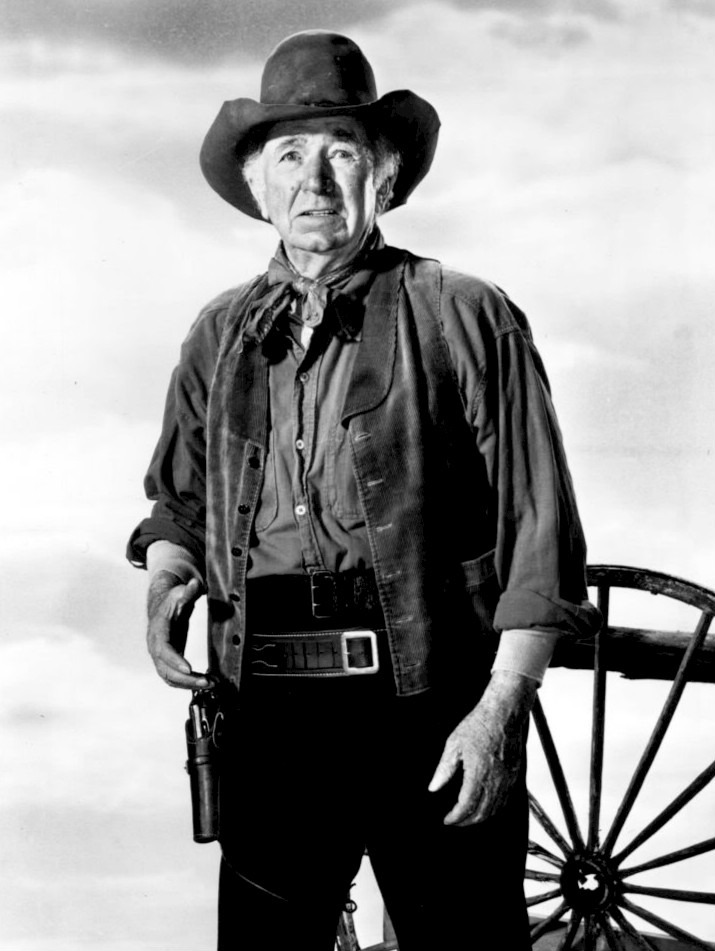
Transitioning from Joel McCrea's commanding presence, we turn our focus to Walter Brennan, whose acclaimed roles as a sidekick in Westerns garnered him three Academy Awards. Renowned for his unique voice and genuine persona, Brennan epitomized the seasoned sidekick, particularly in films like Rio Bravo and The Westerner. His achievement in winning the Best Supporting Actor Oscar three times underscores his exceptional skill and the significant contributions he made to his roles.
In Rio Bravo, Brennan's synergy with John Wayne presented a compelling partnership that captivated audiences. His character's sharp wit balanced perfectly with Wayne's rugged demeanor. Likewise, in The Westerner, his rapport with Gary Cooper blended humor with wise counsel, enhancing the narrative and deepening the plot.
Brennan's talent for embodying relatable yet impactful characters redefined the sidekick's role in Western cinema. His performances not only supported the leads but also elevated the films themselves, securing his place as a cherished icon in the genre. His enduring influence in Western films demonstrates that a sidekick can be as pivotal as the protagonist.
Conclusion
As you explore the golden era of Western films, you'll encounter iconic stars such as:
- John Wayne, the archetypal cowboy,
- Gary Cooper, who portrayed heroic characters,
- James Stewart and Henry Fonda, who added depth and complexity to their roles,
- Roy Rogers, who brought a musical element to the genre,
- William Holden, who captivated audiences with his rugged charm,
- Randolph Scott, who exemplified frontier justice,
- Joel McCrea, who maintained a stoic presence, and
- Walter Brennan, who excelled as the quintessential veteran sidekick.
These actors significantly influenced not only the Western genre but also American cultural identity.