Which 1950s Westerns Redefined the Hero Archetype?
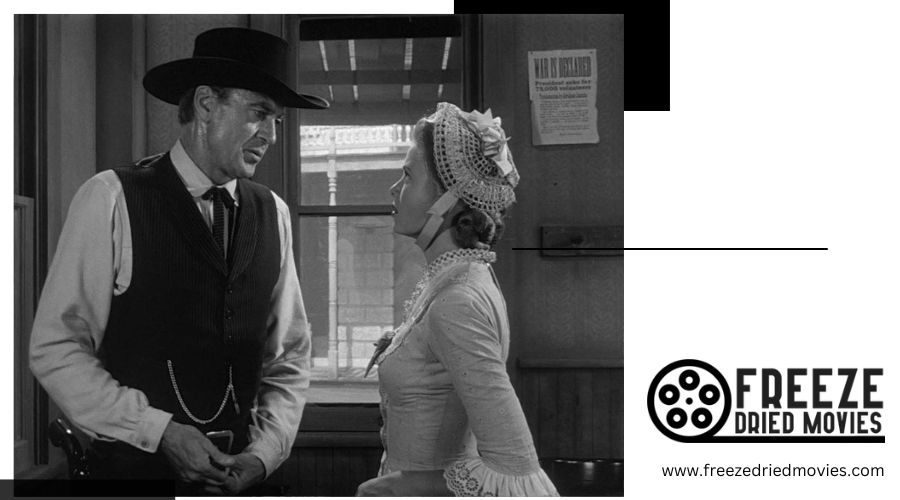
In the 1950s, Western films such as 'High Noon,' 'Shane,' and 'The Searchers' significantly transformed the Western hero archetype. 'High Noon' features Marshal Will Kane, who embodies moral integrity by facing his adversaries alone, showcasing a departure from the typical all-conquering hero. 'Shane' presents the character Shane as a reluctant hero, subverting the traditional gunslinger mold by emphasizing personal sacrifice and moral conflict. In 'The Searchers,' John Wayne's character embarks on a redemption-driven quest, adding depth and complexity to the hero's journey. 'Rio Bravo,' on the other hand, highlights the power of collective heroism through the collaboration of characters with varied skills to achieve a shared goal.
These films collectively expanded the definition of heroism in Westerns, introducing ethical dilemmas and cultural nuance, thus reshaping audience perceptions of what constitutes a hero. This overview encapsulates their profound influence on the genre.
High Noon's Lone Sheriff
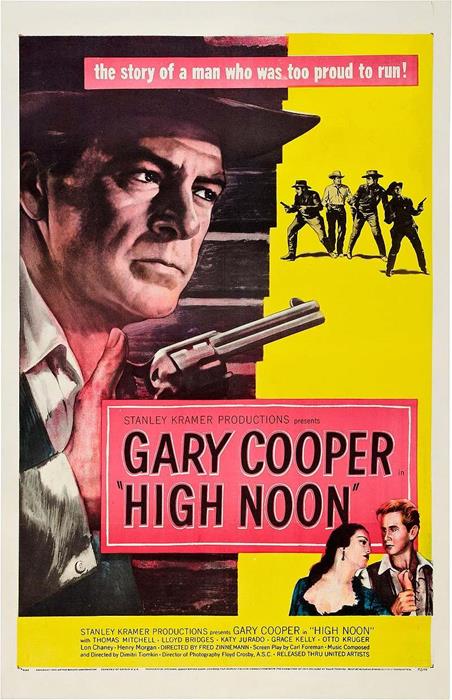
In the 1950s Western, 'High Noon,' Marshal Will Kane embodies a unique type of hero as he faces a deadly outlaw and the indifference of his community. Unlike traditional Western protagonists who are usually supported by deputies or townsfolk, Kane stands alone. His isolation is intensified as the town's clock relentlessly approaches the noon duel.
This depiction challenges the conventional Western narrative that typically features an unwavering hero with assured support. Instead, 'High Noon' places Kane's vulnerability at the forefront, emphasizing his moral integrity and the personal sacrifices he makes for justice. The film isn't merely about gunfights; it delves into the courage required to uphold one's principles when support is lacking.
'High Noon' redefines the Western hero archetype, transforming a solitary sheriff into a symbol of moral stamina and personal accountability. This portrayal not only enhances the dramatic tension but also enriches the character's psychological depth, offering a more realistic and relatable hero who confronts fear and isolation yet remains steadfast in his commitment to justice.
Shane's Reluctant Fighter
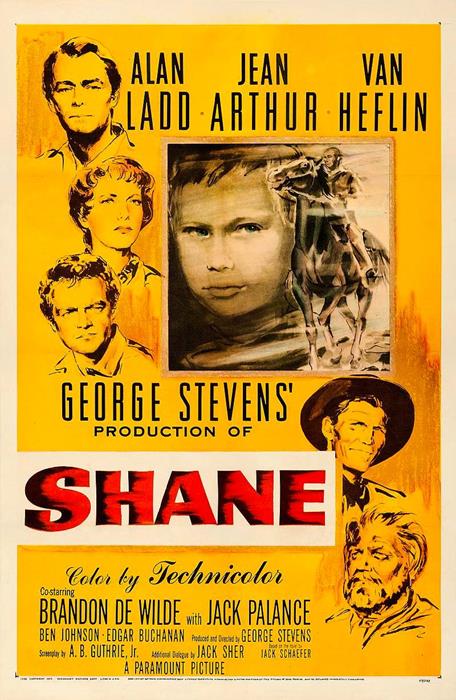
In the 1953 film 'Shane,' Alan Ladd portrays the titular character as a reluctant fighter, confronting his troubled past while redefining the archetype of a Western hero. Shane is depicted as a man caught between his instinctual urge to fight and his aspiration for peace, thus subverting the typical gunslinger mold prevalent in the genre. His internal struggles and ethical quandaries provide a new lens through which to view heroism in the Wild West.
Throughout the film, Shane wrestles with the ramifications of violence, illustrating his journey not merely through physical confrontations but through his introspective battle to overcome a life fraught with strife. Alan Ladd's performance adds depth to Shane's character, presenting him as a figure embodying both empathy and bravery.
This character's complexity marked a significant shift in the Western genre during the 1950s, steering subsequent films toward exploring themes of redemption and sacrifice. This move away from a dichotomous portrayal of morality enriched the genre's narrative depth. Shane's role as a reluctant hero has continued to influence the portrayal of multifaceted characters in Western cinema, ensuring his enduring legacy in the genre.
The Searchers' Complex Hero
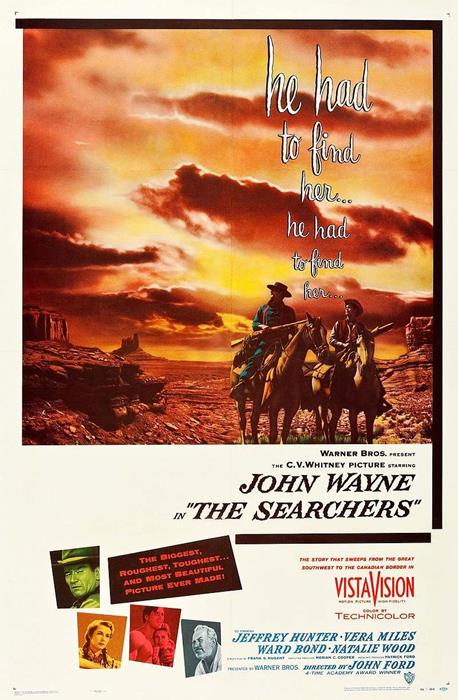
In 'The Searchers,' the evolution of the Western hero is epitomized by John Wayne's character, who embodies a more complex form of heroism. This character isn't the quintessential hero in white, but a man grappling with profound prejudice and a relentless pursuit. His journey isn't merely a rescue mission for his niece but a deeper, transformative quest that compels him to confront and reassess his own ingrained beliefs and prejudices.
The film delves into the themes of obsession, racism, and redemption with remarkable depth, challenging the traditional black-and-white portrayal of Western heroes. John Wayne's portrayal reveals a character who's both flawed and courageous, pushing the boundaries of the conventional hero archetype. 'The Searchers' sets a new benchmark for character complexity in Westerns, compelling viewers to question the essence of morality and justice in the untamed West. This nuanced approach not only enhances the realism of the character but also enriches the narrative, making it a critical milestone in the genre.
Rio Bravo's Team Dynamics
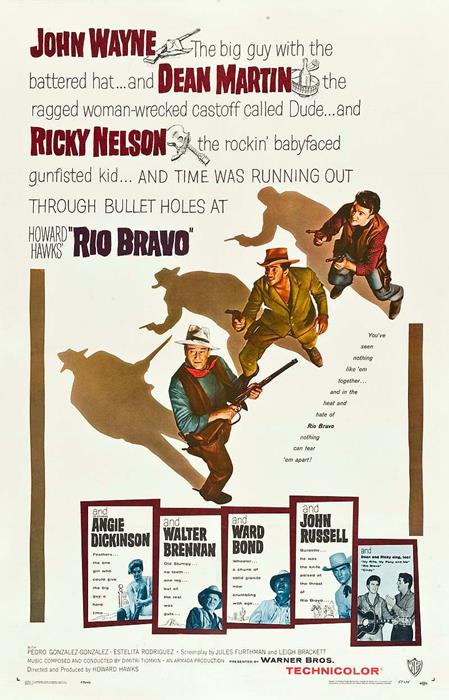
In the film 'Rio Bravo,' the depiction of team dynamics offers a progressive twist on the classic Western genre, emphasizing the pivotal role of collective effort and teamwork in overcoming challenges. The narrative unfolds around a sheriff who, rather than acting as a solitary figure of authority, relies on the unique abilities of his diverse team. This group consists of a drunk, a youngster, and an old man, each contributing distinct skills that enhance their joint effectiveness.
The film adeptly illustrates that success hinges on the group's unified actions rather than the capabilities of any single member. This theme invites the audience to consider the crucial values of trust and loyalty, which serve as the foundation that enables the team to navigate through both internal disagreements and external dangers.
| Character | Contribution |
|---|---|
| Sheriff | Leadership and resolve |
| Drunk | Insider knowledge |
| Youngster | Vitality and bravery |
| Old Man | Insight and expertise |
This portrayal does more than merely defend a town; it reshapes the concept of heroism in the Western genre. The movie underscores that each team member's contributions are vital and that the collective is stronger than any individual.
Broken Arrow's Cultural Bridge
In 1950, 'Broken Arrow' transformed the portrayal of Native Americans in Western cinema by introducing a narrative centered on a friendship between a white man and a Native American, moving away from the traditional antagonist roles often assigned to Native Americans. This film was groundbreaking in its emphasis on peace, reconciliation, and mutual respect, diverging from the earlier, more stereotypical depictions prevalent in the genre.
Unlike the films John Ford offered, which occasionally perpetuated old stereotypes, 'Broken Arrow' fostered a progressive view that underscored the potential for unity and cultural understanding. The central relationship in the film wasn't merely a subplot but the heart of the story, highlighting its importance in promoting a message of harmony between distinct cultures.
'Broken Arrow' not only entertained but also educated its audience, setting new standards for the representation of Native Americans in Westerns. Its impact was lasting, influencing subsequent films that sought to address similar themes of cultural connection. This movie played a crucial role in reshaping the hero archetype within the genre during the 1950s, marking a significant cultural shift in Hollywood's depiction of Native Americans.
Gunfight at the O.K. Corral's Lawman
In the film 'Gunfight at the O.K. Corral,' Burt Lancaster's portrayal of Wyatt Earp introduces a multifaceted and morally complex Western hero. Set in Tombstone, Arizona, Earp navigates the murky intersections of law and personal ethics, departing from the traditional clear-cut hero and villain roles seen in earlier Westerns. Lancaster's portrayal reveals Earp as a lawman grappling with his convictions and the realities of justice on the frontier.
The movie delves into the evolution of the hero archetype, presenting Earp as torn between his duty to uphold the law and his own moral principles. His pursuit of justice is depicted as challenging, often requiring him to form uneasy alliances and make difficult decisions. This development in character portrayal marked a shift in the genre, influencing the depiction of heroes in subsequent Western films.
'Gunfight at the O.K. Corral' prompts viewers to reflect on the nature of morality and justice, offering a more nuanced view of heroism that transcends the simple dichotomy of good versus evil. This approach has had a lasting impact on how heroes are depicted in Western cinema, adding depth and realism to the genre.
The Man From Laramie's Vengeful Journey
While 'Gunfight at the O.K. Corral' delves into the complexities of law enforcement, 'The Man From Laramie' ventures into a more somber territory, spotlighting Will Lockhart's personal revenge mission. This intense narrative redefines the hero archetype, presenting profound and unexpected transformations.
Here are four key aspects that shape Will Lockhart's journey in the film:
- Personal Vendetta: Motivated by his brother's death, Will embarks on a mission that's intensely personal, diverging from the typical heroic motives centered on broader justice.
- Moral Ambiguity: Will operates in a morally complex environment, making decisions that test his ethical boundaries, unlike the clear-cut heroes of traditional Westerns.
- Relentless Pursuit: Demonstrating unwavering resolve, Will's pursuit of the culprits introduces a level of tenacity to the hero archetype that's both commendable and intense.
- Transformation and Redemption: Will's quest for vengeance is also a journey of self-discovery and redemption, which adds significant depth to his character.
Reflect on how Will Lockhart's vengeful path in 'The Man From Laramie' challenges and expands the conventional definition of a hero in the genre of Western films.
Conclusion
Exploring 1950s westerns reveals distinct redefinitions of heroism through their protagonists. In 'High Noon,' the sheriff embodies resilience, standing alone against foes. 'Shane' offers a portrayal of reluctant heroism, while 'The Searchers' delves into the complexities of its main character.
'Rio Bravo' emphasizes the power of teamwork, 'Broken Arrow' champions reconciliation, and 'Gunfight at the O.K. Corral' portrays unwavering adherence to the law. 'The Man from Laramie' introduces a narrative steeped in revenge, adding a layer of grit.
Each film contributes uniquely to evolving the hero archetype, impacting both cinema and cultural perceptions.