Which 1940s Westerns Are Considered Classics Today?
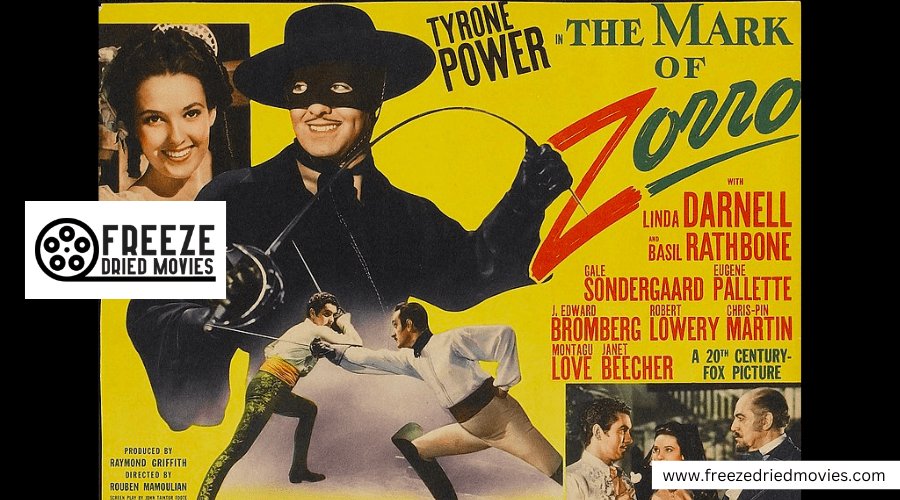
Classic Westerns from the 1940s like 'The Ox-Bow Incident' directed by William Wellman, and 'My Darling Clementine' by John Ford are celebrated for their compelling storytelling and deep emotional engagement. These films, along with 'They Died with Their Boots On' and 'The Mark of Zorro,' are praised for their blend of action and complex moral themes, establishing benchmarks in the Western genre.
Exploring these films reveals their significant contributions to cinema, both in narrative sophistication and cultural impact, underscoring their enduring appeal and historical importance.
Pioneering 1940s Westerns
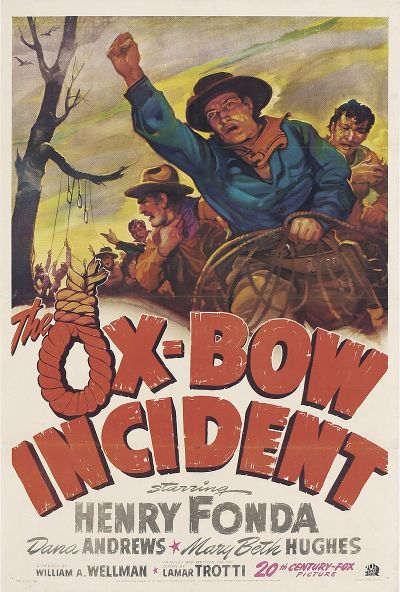
The 1940s marked a transformative period for Western films, featuring notable works such as 'The Ox-Bow Incident' directed by William A. Wellman and 'My Darling Clementine' by John Ford. These films not only captivated audiences but also significantly influenced the Western genre. 'The Ox-Bow Incident' is particularly renowned for its intense moral dilemma and striking black-and-white cinematography, reflected in its impressive IMDb rating of 8.0.
John Ford further cemented his legacy in the genre with 'My Darling Clementine', which skillfully depicted the rugged landscapes and intricate characters of the Old West, earning a strong IMDb rating of 7.8. Additionally, Raoul Walsh's 'They Died with Their Boots On' presented a dramatized yet compelling portrayal of George Armstrong Custer's life, with an IMDb score of 7.2.
Another significant contribution came from Rouben Mamoulian with 'The Mark of Zorro', which achieved an IMDb rating of 7.5. This film introduced a dashing hero whose legacy continues through various adaptations. Each of these directors played a crucial role in shaping the landscape of 1940s Western cinema, ensuring the enduring legacy of these films within the genre.
Key Actors and Performances
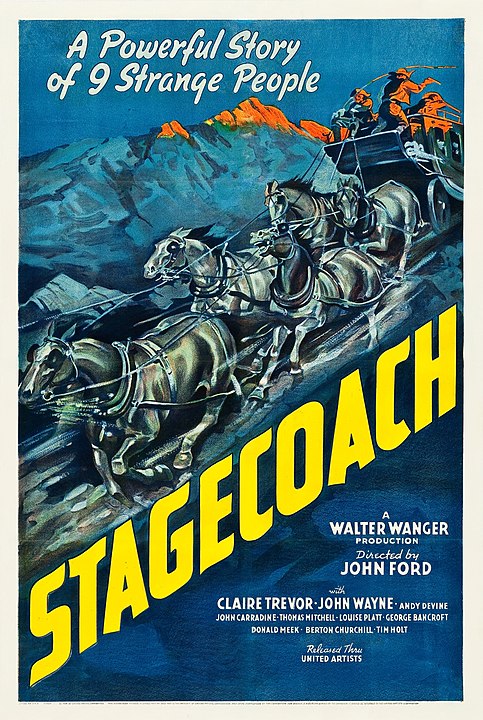
While the directors of 1940s Westerns crafted the narrative and visual framework, actors like John Wayne and Gary Cooper were instrumental in bringing these tales to life. John Wayne's portrayal in 'Stagecoach' not only marked a pivotal point in his career but also profoundly influenced the Western genre. His portrayal exemplified the archetypal Western hero with his rugged appearance and charismatic authority.
Gary Cooper contributed significantly by embodying diverse roles within the genre, ranging from stoic lawmen to reluctant heroes. His acclaimed performances added depth and emotional complexity to Westerns, enhancing its narrative richness and broadening its appeal.
Together, John Wayne and Gary Cooper significantly shaped the Western genre. Their iconic roles did more than entertain; they set foundational templates for character development in Western films, influencing the genre's evolution and ensuring its lasting popularity. As one explores 1940s Westerns, the impact of these actors becomes evident not only in their time but also in the genre's enduring legacy.
Notable Directors and Styles
In the 1940s, directors such as John Ford and Raoul Walsh significantly influenced the Western genre with their innovative approaches to storytelling and character development. John Ford's films, including 'Fort Apache' and 'My Darling Clementine', transcended traditional Western narratives, offering deep reflections on heroism and morality rather than merely depicting frontier skirmishes.
Raoul Walsh added a unique perspective with movies like 'They Died with Their Boots On' and 'Colorado Territory', incorporating psychological depth and a raw realism into the genre, thus expanding the definition of a Western film.
The table below illustrates how these directors, among others, brought diverse stylistic elements to Western cinema:
| Director | Film | Style Influences |
|---|---|---|
| John Ford | 'Fort Apache' | Heroism, moral dilemmas |
| Raoul Walsh | 'Colorado Territory' | Psychological depth, realism |
| Rouben Mamoulian | 'The Mark of Zorro' | Adventure, romance |
During the 1940s, the Western genre evolved significantly, embracing a variety of storytelling methods, including psychological thrillers and comedic twists, as seen in 'Along Came Jones'. This era of filmmaking not only diversified the types of stories told within the genre but also influenced the future direction of Western cinema.
Iconic 1940s Western Scenes
Building on the legacy of 1940s directors, let's delve into some of the most iconic Western film scenes from that era. These scenes profoundly influenced the genre and left an indelible mark on cinematic history.
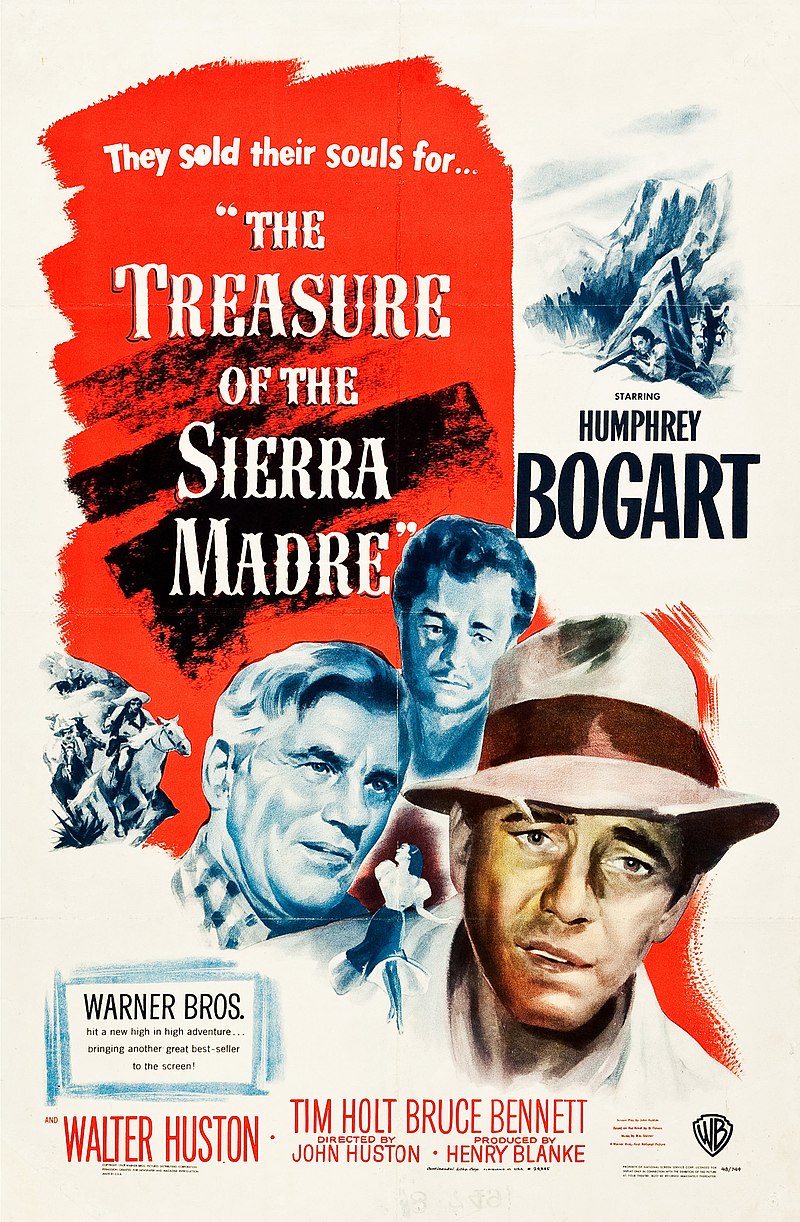
- 'The Treasure of the Sierra Madre' - The Gold Madness Scene: This film, which won three Academy Awards, portrays the intense paranoia and descent into madness of gold prospectors who grow suspicious of each other. The scene powerfully depicts the dark side of human nature and greed, highlighting a significant shift in the portrayal of moral themes in 1940s Westerns.
- 'Fort Apache' - The Final Cavalry Charge: Directed by John Ford, this scene is a dramatic depiction of a cavalry charge against Native American warriors. Filmed with Ford's signature blend of action and narrative depth, it explores complex themes of honor and conflict on the frontier.
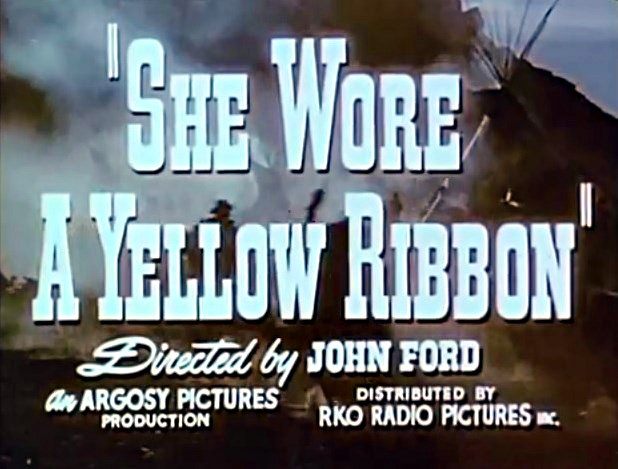
- 'She Wore a Yellow Ribbon' - Preventing the Attack: In this film, John Wayne plays a cavalry officer who tactically prevents a Native American attack. The scene enhances the understanding of his character's strategic depth and the high-stakes tension integral to the storyline.
- 'My Darling Clementine' - The Shootout at the OK Corral: John Ford directs this dramatization of the historic gunfight between Wyatt Earp and the Clanton gang. The scene isn't only a pivotal representation of a legendary Old West confrontation but also cements the film's status as a classic Western.
These scenes exemplify how 1940s Westerns evolved to include deeper narrative complexity and moral ambiguity, shaping the future of the genre.
Themes and Narratives
Exploring classic 1940s Westerns reveals recurring themes of justice, revenge, and the stark moral dilemmas faced by characters on the American frontier. Immersing yourself in this genre, you encounter narratives filled with conflicts between settlers and Native Americans, highlighting the complex and often tragic interactions of the time. Additionally, tales of outlaws versus lawmen illustrate a relentless pursuit of justice in the lawless expanses of the frontier.
These films delve into more than just gunfights and horseback chases; they explore human values and ethics deeply. Characters often represent archetypes such as the noble lawman or the fearless outlaw, each grappling with moral challenges that test their honor and duty. The depiction of rugged cowboys and resilient pioneers adds layers to these stories, symbolizing the ongoing battle between good and evil and the quest to uphold a personal code of honor.
The vast, untamed landscapes in these films not only set the scene but also reflect the internal conflicts of the characters, making survival a central theme. These classic Westerns prompt reflections on the sacrifices one might make for loyalty or justice, inviting viewers to step into the boots of those who traversed the complexities of the frontier.
Critical Reception and Awards
The critical acclaim and prestigious awards garnered by classic 1940s Westerns underscore their significant impact on cinema. These films not only entertained audiences but also set high standards in filmmaking, receiving recognition from both critics and award panels.
- 'The Treasure of the Sierra Madre' (1948) - This film won three Academy Awards, including Best Director for John Huston, solidifying its status as one of the era's most celebrated Westerns.
- 'The Ox-Bow Incident' (1942) - Renowned for its intense portrayal of mob justice, this film was critically acclaimed and holds an IMDb rating of 8.0, showcasing its profound impact on viewers.
- 'My Darling Clementine' (1946) - Based on the life of Wyatt Earp, this John Ford film earned widespread critical acclaim, as reflected by its IMDb rating of 7.8.
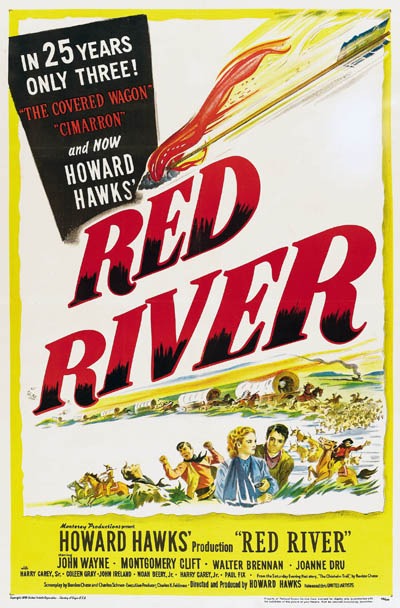
- 'Red River' (1948) - This film starred John Wayne in a pivotal role that influenced his subsequent career. It received a high IMDb rating of 7.8, highlighting its importance in Western cinema.
These films not only achieved critical and award recognition but also cemented a lasting legacy in the history of Western cinema.
Influence on Modern Cinema
The 1940s Westerns have had a profound impact on modern cinema, introducing innovative storytelling techniques and character archetypes that continue to influence today's filmmakers. Many contemporary directors, including those profiled on platforms like IMDb, acknowledge the influence of figures such as John Ford from this era. These films, set against the backdrop of Hollywood's golden age, established themes of justice, redemption, and the complexities of frontier life that persist in modern narratives.
Modern Westerns often echo the visual style, plot intricacies, and morally complex characters of the 1940s Westerns. This legacy is evident in how today's directors adapt these elements to contemporary stories, maintaining their relevance with audiences. Character archetypes like the lone ranger or the conflicted hero, first introduced during that era, remain central in current cinema.
Additionally, storytelling techniques from the 1940s, such as tension-filled standoffs and climactic shootouts, are now common in many of today's films across genres, underscoring the lasting influence of 1940s Westerns on Hollywood.
Legacy and Cultural Impact
Westerns from the 1940s have significantly shaped the Hollywood film industry, captivating audiences across different generations. Notable for featuring actors like John Wayne and Gary Cooper, these films represent a pivotal era often hailed as the golden age of the Western genre. Their enduring appeal underscores their influence as they continue to captivate and inspire.
Here are four key ways in which 1940s Westerns have made a lasting impact:
- Genre Definition: The 1940s established foundational elements for the Western genre, integrating adventure with moral complexities and distinctive landscapes. This formula has guided subsequent filmmakers in their own cinematic endeavors.
- The prominence of Iconic Actors: Actors such as John Wayne epitomized the Western hero, representing virtues like bravery and integrity that remain influential.
- Influence on Contemporary Media: These films have influenced numerous other movies and television series, demonstrating the universal appeal of their themes, including justice, conflict, and redemption.
- Cultural Acknowledgement: Esteemed outlets such as the New York Times have recognized these films' significant cultural contribution, highlighting their role in Hollywood's history.
The cultural significance and enduring legacy of 1940s Westerns are evident in their ongoing influence on Hollywood and its global audience.
Conclusion
Having explored the influential Western films of the 1940s, it's evident that these classics have left a lasting imprint on cinema. Featuring iconic performances, innovative direction, and compelling storylines, these films not only enthralled audiences of their time but continue to inspire filmmakers and captivate viewers today.
The enduring themes and narratives of these Westerns highlight their significance, not merely as entertainment but as vital components of film history. Their impact on the evolution of cinema underscores their status as timeless cinematic treasures revered for their artistic and cultural contributions.