When Was the First Movie Poster Made?
The first movie poster was created in 1890 by French artist Jules Cheret for "Projections Artistiques." Cheret's vibrant, multi-colored lithographic design broke away from text-heavy advertisements of the era. Five years later, Marcellin Auzolle designed the first poster for an individual film, promoting the Lumière brothers' "L'Arroseur Arrosé." These pioneering works established the visual language that would evolve through art deco, golden age illustrations, and modern minimalism.
Key Takeaways
- The first movie poster was created in 1890 by French artist Jules Cheret for "Projections Artistiques."
- Cheret's 1890 poster featured vibrant, multi-colored lithographic design, establishing the visual language for future movie posters.
- Marcellin Auzolle created the first individual film poster in 1895 for the Lumière brothers' "L'Arroseur Arrosé."
- Auzolle's 1895 poster captured cinema's essence by showing an enthusiastic audience and using rich autumnal colors.
- The Lumière brothers pioneered film advertising by displaying actual scenes from their films in promotional materials.
The Birth of Movie Posters: Jules Cheret's 1890 Creation
While cinema was still in its infancy, French artist Jules Cheret revolutionized film advertising by creating the world's first movie poster in 1890. His groundbreaking design for "Projections Artistiques" departed dramatically from the crude, text-heavy advertisements that preceded it.
You might be surprised to learn that before Cheret's innovation, movie advertisements were merely basic signs with block lettering providing only essential information. His poster, featuring a young girl holding showtimes, introduced vibrant, multi-colored lithographic printing to the movie industry.
This artistic approach established the visual language for all future movie posters. Cheret's 1890 creation wasn't just clever marketing—it represented a pivotal moment in cinema's evolution, forever changing how films would be promoted to audiences. Nearly 15 years after Cheret's poster, the world saw the opening of the first dedicated cinema - the first Nickelodeon - in Pittsburgh, Pennsylvania in 1905.
Marcellin Auzolle and the First Individual Film Poster
Though Jules Cheret pioneered the movie poster concept, it was Marcellin Auzolle who created the first poster dedicated to an individual film in 1895. This groundbreaking piece of movie poster design promoted the Lumière brothers' short film "L'Arroseur Arrosé" (The Waterer Watered).
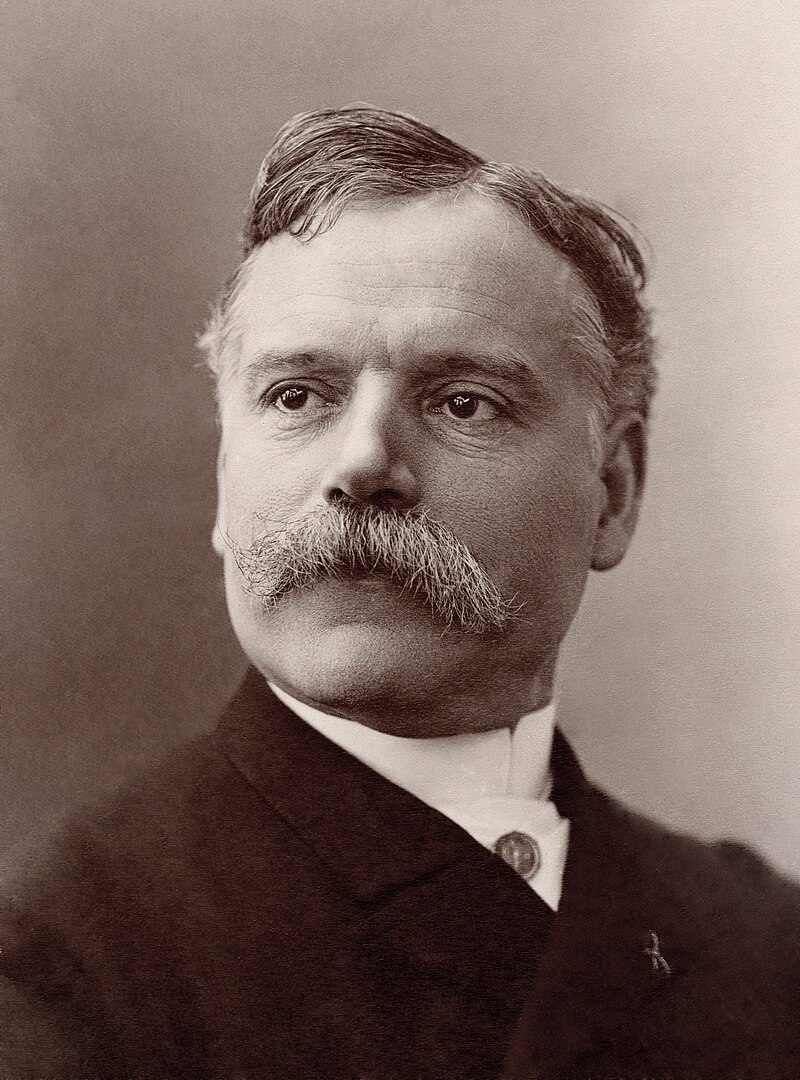
Auzolle's first poster captured the essence of cinema's magic by depicting an audience enjoying the film with visible enthusiasm. He employed a rich, autumnal color palette and combined illustration with advertising art techniques. This marked a significant evolution from basic block-lettered signs to visually compelling promotional materials.
The poster's survival for nearly 130 years until its recent auction appearance underscores its importance as a cultural artifact documenting the movie industry's birth. Auzolle's creation represents the moment when film promotion became an art form itself.
This early film promotion tradition continued with In Old California, which is considered the first silent motion picture filmed in Hollywood in 1910, directed by the influential D.W. Griffith.
The Lumière Brothers' Impact on Early Cinema Advertising
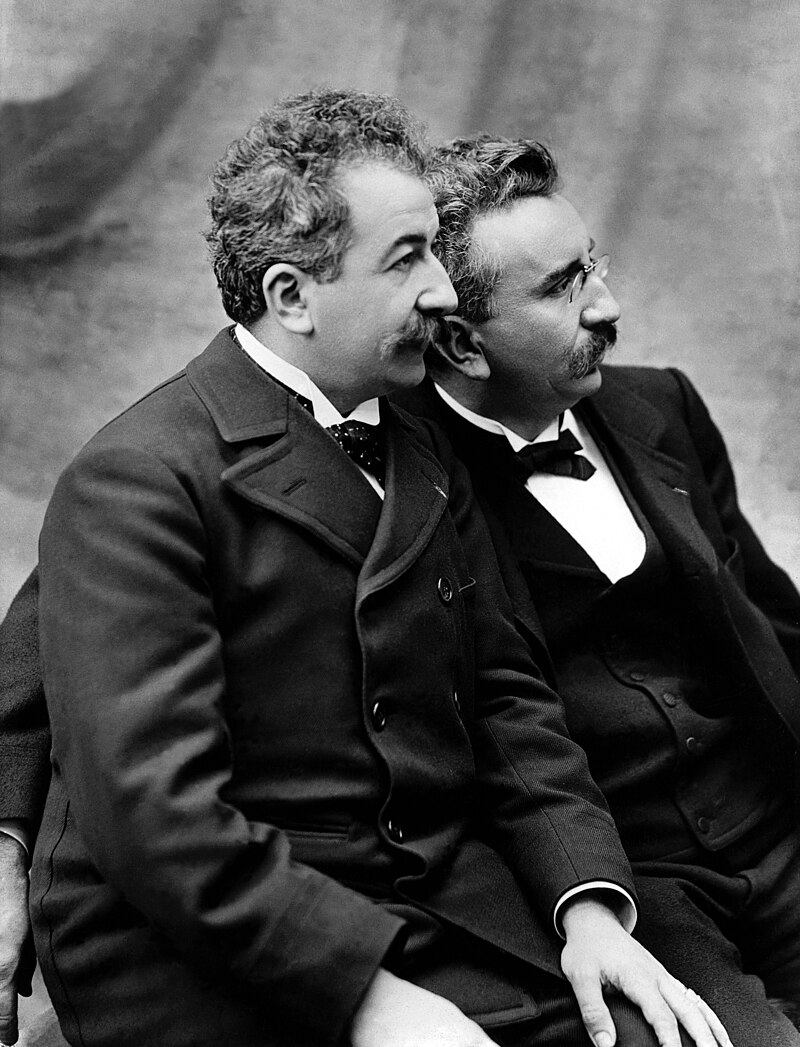
Beyond their revolutionary filmmaking achievements, the Lumière brothers fundamentally transformed how movies were marketed to the public. Their collaboration with artist Marcellin Auzolle for "L'Arroseur Arrosé" (The Waterer Watered) in 1896 established a template for visual film promotion that would influence generations of movie marketers.
Their historic screening at Paris's Grand Café wasn't just significant for film history, but for advertising history too. By commissioning posters that displayed actual scenes from their films, they created an immediate visual connection with potential viewers. This approach differed dramatically from earlier entertainment advertising and established cinema as a unique medium with its own promotional language.
You'll notice the Lumière brothers understood something essential about cinema advertising: it needed to capture a film's most compelling moment. Their innovative approach to visual storytelling paralleled the techniques that would later define Steamboat Willie (1928) and other pioneering works in synchronized sound animation.
Evolution of Poster Design Through the Golden Age (1930s-1950s)
Three distinct artistic phases defined movie poster evolution during Hollywood's Golden Age. The 1930s introduced art deco influences with geometric shapes and bold colors on minimalist backgrounds.
By the 1940s, you'd notice a shift to character illustrations with muted typography, while the 1950s embraced conceptual approaches emphasizing typography and subtle visual cues. The artistic evolution from character-centric designs to typography-focused concepts marked film marketing's growing visual sophistication.
Hand-painted movie posters became the studios' primary marketing tools, elevating film posters to artistic prominence. Legendary artists like Drew Struzan helped define this golden age's iconic visual language. Studios like MGM and Warner Brothers developed unique branding strategies that distinguished their promotional materials through distinctive typography and color schemes.
- Art deco's geometric patterns reflected modernism's influence on early poster design
- Character-focused illustrations humanized films, creating emotional connections with audiences
- Conceptual approaches in the 1950s signaled maturing artistic sophistication in film marketing
Transformations in Style: From Art Deco to Minimalism
Five distinct aesthetic shifts marked the evolution from Art Deco to minimalism in movie poster design. In the 1930s, you'd find ornate Art Deco posters with bold geometric patterns and luxurious imagery.
By the mid-1940s, this shifted toward photographic realism with high-contrast imagery.
The 1960s brought psychedelic influences and experimental typography, while the 1970s saw the rise of illustrated, conceptual artworks that captured each individual film's essence rather than just featuring stars.
The evolution of movie posters culminated in the 1990s-2000s shift towards minimalism—clean compositions with negative space and iconic symbols replacing busy imagery. This transformation reflected changing audience tastes and the increasing need for posters to communicate instantly in an accelerating visual culture.
The Artistic Value and Collectibility of Vintage Film Posters
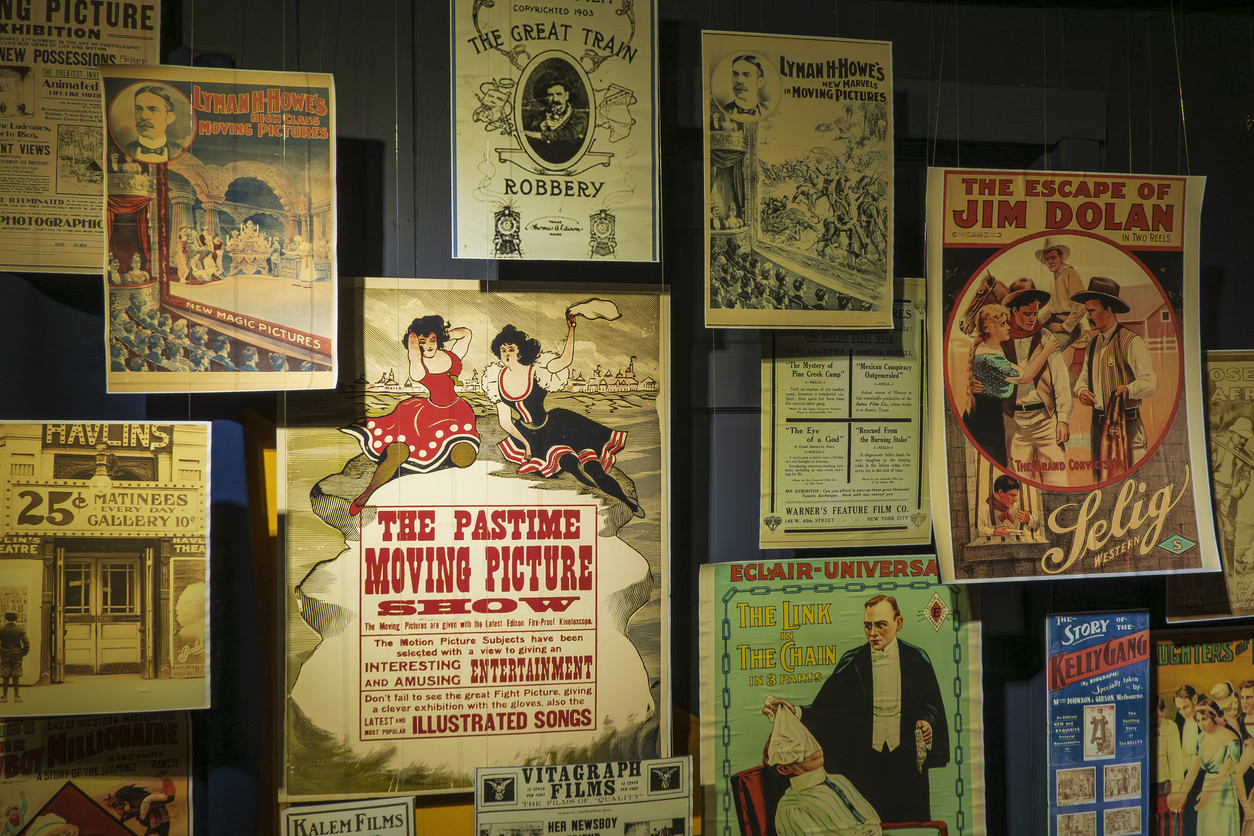
As movie poster design evolved through various artistic movements, certain vintage examples have transcended their original promotional purpose to become highly sought-after collectibles. You'll find that early promotional material from cinema's golden age now commands impressive prices at auctions and specialized galleries.
What makes vintage film posters particularly valuable to collectors:
- Rarity - Original movie posters from the early 20th century exist in limited quantities, with many lost to time
- Artistic merit - Hand-drawn illustrations and lithographic techniques showcase artistic styles that digital designs can't replicate
- Historical significance - These posters document evolving cultural attitudes, fashion trends, and artistic movements
The collectibility of vintage film posters continues to grow as new generations discover their unique blend of commercial art and historical documentation.
Digital Revolution and Its Effect on Movie Poster Design
The digital revolution burst onto the scene in the early 1990s, transforming movie poster design practically overnight. With tools like Photoshop, designers could create complex, hyper-realistic compositions featuring multiple characters, symbols, and hidden elements that reward closer inspection.
You'll notice this shift in the ensemble-style movie posters dominating major franchises today. While digital tools have expanded creative possibilities, they've also sparked criticism for sometimes producing formulaic results lacking the human touch of hand-drawn designs.
Studios now use audience engagement metrics to inform design choices, tracking which poster elements generate the most clicks and conversions. And as physical printing costs rise, you'll find movie posters have migrated primarily to digital spaces—less prominent on theater walls but essential in your social media feeds and streaming platforms.
Preserving Cinema History: Notable First Posters in Museums and Auctions
Historical preservation of cinema's earliest advertisements reveals a fascinating timeline of movie marketing evolution. When you examine the History of Movie promotion, you'll find Emile Reynaud's 1892 Theatre Optique poster and Marcellin Auzolle's 1895 L'Arroseur Arrosé design—widely considered the first film poster—carefully preserved in prestigious collections.
These black and white treasures from cinema's infancy now command extraordinary prices, with rare early American movie posters fetching up to $340,000 at auction.
- Museums preserve these artifacts as tangible connections to cinema's birth
- Auctions validate their transformation from ephemera to valuable collectibles
- Researchers study these posters to understand the evolution of visual marketing techniques
The scarcity of pre-1940s movie posters makes their preservation particularly essential for understanding film history's visual language.