What Movie Genre Was Popular in the 1950s?
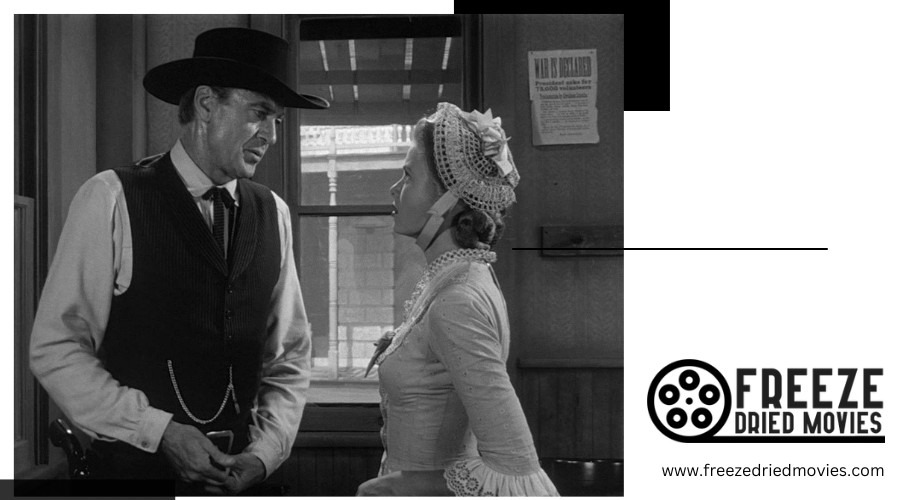
When you think about the 1950s, you might picture Westerns and musicals dominating the silver screen. Westerns like *High Noon* painted vivid tales of heroism and morality, while musicals such as *Singin' in the Rain* dazzled with colorful choreography. Yet, this decade wasn't just about cowboys and dance numbers. Sci-fi films began reflecting Cold War anxieties, and horror movies started tapping into deeper societal fears. Influential directors like Alfred Hitchcock and John Ford also contributed significantly to this rich cinematic landscape.
Westerns
The Western genre dominated the 1950s, becoming a cornerstone of the decade's cinematic landscape. Films like *High Noon* (1952) and *Shane* (1953) introduced enduring themes of heroism and morality in the American frontier. John Wayne became an iconic Western star, epitomizing rugged individualism and justice in numerous successful films. His characters often confronted lawlessness, reflecting the societal values of the time.
Westerns went beyond shootouts and dusty towns, delving into the moral complexities of gunfighting and the struggle between civilization and wilderness. These films mirrored the period's cultural impact, influencing fashion and literature while shaping the portrayal of American identity in popular media. Expansive landscapes and traditional Western music were integral to the genre's distinctive visual style, capturing the spirit of the frontier.
These films resonated with contemporary audiences, addressing the ongoing challenges of maintaining societal values amidst chaos. The Western genre offered more than entertainment; it provided a lens to examine and understand the evolving American ethos.
Musicals
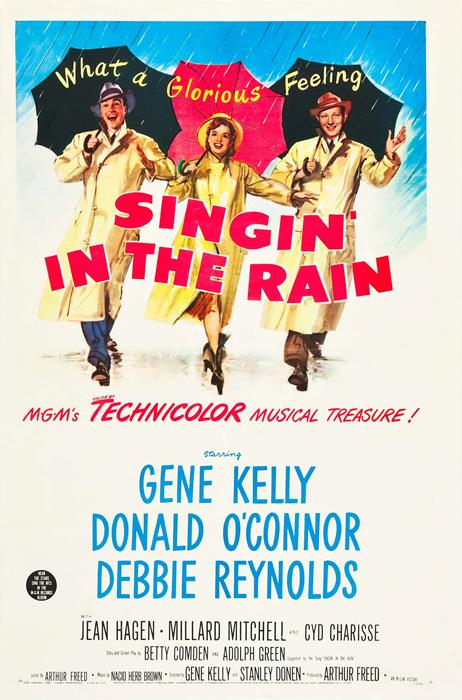
As the 1950s progressed, Hollywood witnessed a vibrant resurgence of musicals, captivating audiences with productions like *Singin' in the Rain* (1952) and *The King and I* (1956). These films epitomized the era's musical comedy, drawing viewers into stories rich with lavish sets and intricate choreography. The memorable soundtracks offered a perfect blend of escapism and entertainment during a time of social and political change.
Technicolor played a pivotal role in this resurgence, bringing vivid visuals to the big screen and enhancing the experience of these musical masterpieces. The stunning colors and improved sound technology made every dance sequence and musical number more captivating. Films like *An American in Paris* (1951) showcased not only inventive dance routines but also compelling storytelling, securing their place in cinematic history.
Despite the decline of original musicals by the late 1950s, their impact endured. They left a lasting legacy, influencing future musical productions and adaptations in both film and theater. This golden era of musicals holds a special place in Hollywood's rich tapestry, reminding us of the joy and artistry these films brought to audiences.
Science Fiction
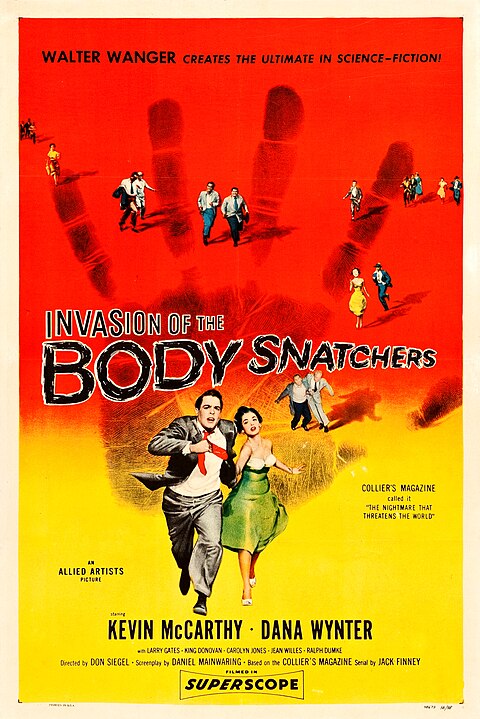
In the 1950s, the rise of science fiction films mirrored Cold War anxieties, with movies like *The Day the Earth Stood Still* and *Invasion of the Body Snatchers* symbolizing societal fears. Iconic alien narratives reflected the period's paranoia about communism and nuclear power. Films such as *The Fly* and *Destination Moon* explored themes of human vulnerability and scientific consequences, establishing sci-fi as a significant genre.
Cold War Influences
During the 1950s, amid rising Cold War tensions, science fiction films mirrored societal fears and anxieties. These films often used aliens as metaphors for Communist threats, tapping into the widespread paranoia of the period. For instance, *Invasion of the Body Snatchers* (1956) depicted a community overtaken by emotionless duplicates, symbolizing the fear of ideological conformity and infiltration.
*War of the Worlds* (1953), adapted from H.G. Wells' novel, showcased human vulnerability through a Martian invasion, emphasizing the potential for technological and biological threats. This film mirrored anxieties about society's fragility in the face of unknown dangers.
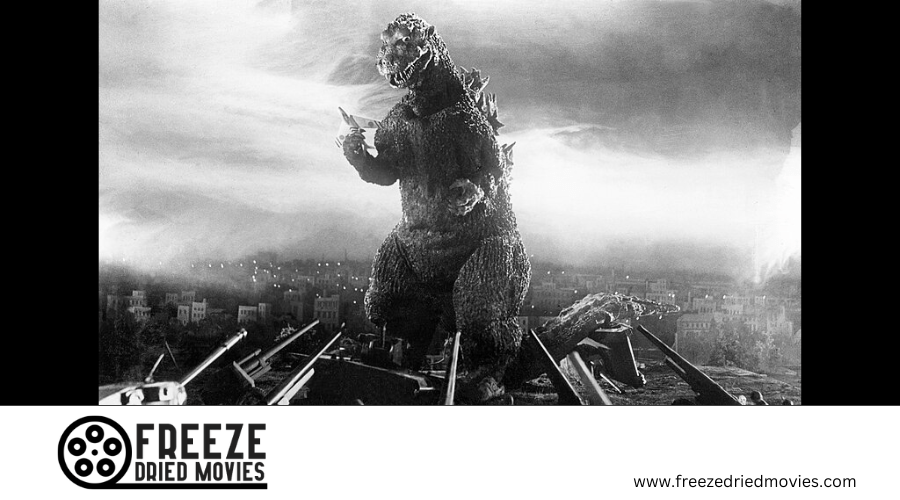
Giant monster films, particularly *Godzilla* (1954), served as cautionary tales about nuclear devastation. These movies symbolized anxiety surrounding atomic testing and its catastrophic consequences, reflecting the genuine terror of nuclear conflict.
Key themes in 1950s science fiction included:
- Cold War Paranoia: Fear of ideological infiltration.
- Alien Invasions: Metaphors for Communist threats.
- Technological Vulnerability: Highlighted in *War of the Worlds*.
- Nuclear Devastation: Exemplified by giant monster films like *Godzilla*.
These narratives allowed filmmakers to explore human nature and societal issues, shaping the evolution of the science fiction genre.
Iconic Alien Narratives
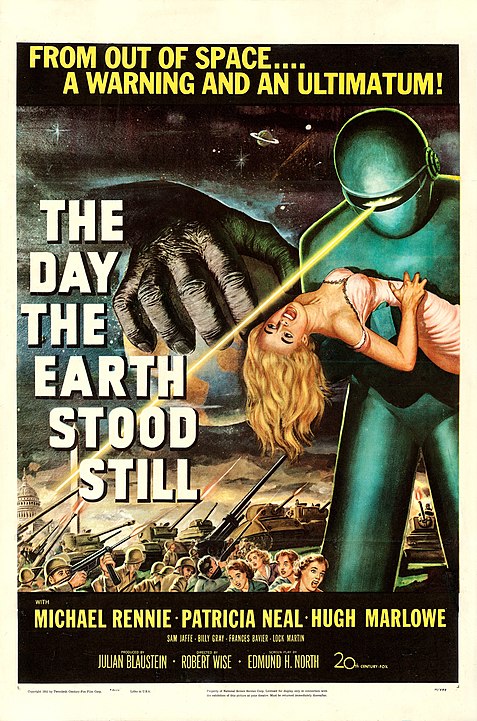
The 1950s birthed iconic alien narratives in science fiction, captivating audiences with their imaginative yet poignant storytelling. *The Day the Earth Stood Still* (1951) introduced Klaatu, an alien who urged humanity to adopt peace, reflecting the era's yearning for moral introspection amid global tensions. *War of the Worlds* (1953) illustrated human vulnerability through a Martian invasion, with the smallest organisms ultimately saving the day, serving as a stark reminder of our fragility.
These films transcended mere entertainment; they mirrored the political and economic anxieties of the Cold War period. *Invasion of the Body Snatchers* (1956) epitomized Cold War paranoia by portraying alien duplicates replacing humans, raising fears about conformity and the Communist threat. It's a clear metaphor for the era's intense suspicion and fear of ideological infiltration.
These iconic alien narratives reflected societal concerns, using the sci-fi genre to critique contemporary issues. Whether showcasing human vulnerability or challenging political and economic conformity, these films became cultural icons. They didn't just entertain; they provoked thought about the world and the unseen threats lurking beneath the surface.
Monster Film Popularity
Shifting from alien invasions to colossal creatures, the 1950s saw a surge in monster films that captured the era's collective anxieties. These films, blending science fiction and horror, reflected societal fears driven by the Cold War and nuclear threats. Iconic titles like *Godzilla* (1954) became cultural touchstones, symbolizing the catastrophic consequences of nuclear devastation post-Hiroshima and Nagasaki.
*Godzilla* wasn't alone in this genre. Films like *Them!* (1954), featuring giant mutant ants, also played on fears of nuclear power's impact on nature. These narratives often mirrored Cold War tensions, portraying aliens and monsters as metaphors for Communist threats. A prime example is *Invasion of the Body Snatchers* (1956), where alien invaders posed an existential threat akin to the feared Communist infiltration.
These monster films not only entertained but also resonated deeply with contemporary fears, paving the way for future explorations in science fiction and horror. Key points include:
- *Godzilla* as a nuclear cautionary tale
- *Them!* and mutant creatures
- Cold War tensions in alien narratives
- The enduring impact on sci-fi and horror genres
Horror Films
Imagine sitting in a dark theater as the flickering screen brings to life monstrous creatures and eerie invaders, reflecting the palpable Cold War anxieties of the 1950s. Horror films of this era captured societal fears, often revolving around themes of invasion and the unknown. *Invasion of the Body Snatchers* (1956) epitomized these themes, portraying a world where alien duplicates replaced humans, symbolizing the paranoia and fear of conformity of the time.
One of the most iconic horror films was *Godzilla* (1954), which served as a stark warning about nuclear devastation in the wake of Hiroshima. This giant monster feature resonated deeply with audiences, using special effects to bring the colossal beast to life and demonstrating the terrifying potential of nuclear power. Similarly, *Them!* (1954) featured giant mutant ants wreaking havoc in Los Angeles, reflecting societal anxieties over the consequences of nuclear experimentation.
Horror films in the 1950s didn't just entertain; they encapsulated the collective fears of a generation living under the shadow of the Cold War. The groundbreaking special effects and storytelling techniques of this decade laid the groundwork for future advancements in the genre, ensuring these films' enduring legacy.
Family Films
View this post on Instagram
Family Films of the 1950s
In the prosperous post-war era of the 1950s, family films gained immense popularity, captivating audiences of all ages with their heartwarming themes and adventurous plots. This decade witnessed a surge in both animated and live-action movies, many produced by Disney, a studio synonymous with family entertainment.
Animated classics like *Cinderella* (1950) and *Peter Pan* (1953) delighted viewers with their tales of loyalty and adventure. Disney's *Sleeping Beauty* (1959) not only showcased artistic animation but also featured classical music by Tchaikovsky, appealing to a broad family audience.
Live-action films also made a significant impact. *Old Yeller* (1957) told a touching story of a boy and his dog, emphasizing family values and emotional connections. Disney continued to innovate with *The Shaggy Dog* (1959), blending live-action with fantasy to create a magical experience.
Highlights of 1950s Family Films:
- Animated Classics: *Cinderella* (1950) and *Peter Pan* (1953).
- Artistic Animation: *Sleeping Beauty* (1959), featuring Tchaikovsky's music.
- Sentimental Stories: *Old Yeller* (1957).
- Fantasy Blends: *The Shaggy Dog* (1959).
Family films in the 1950s set a high standard, combining fantasy, adventure, and heartfelt storytelling. This legacy continues to resonate with audiences today.
Romantic Comedies
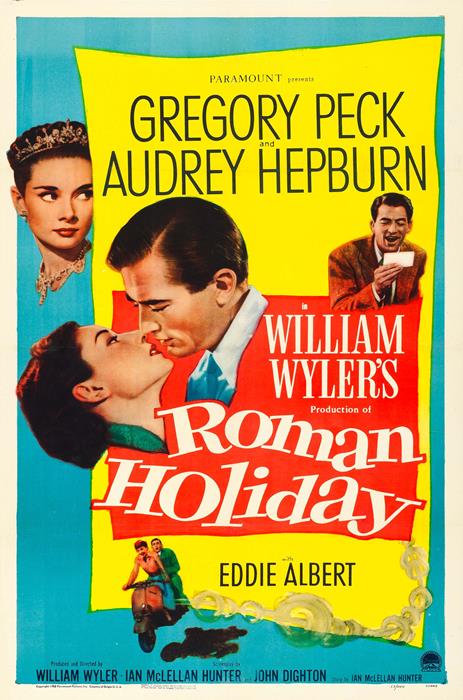
The 1950s were a golden era for romantic comedies, with classics like *Roman Holiday* and *Some Like It Hot* leading the charge. Starring icons Audrey Hepburn and Marilyn Monroe, these films blended humor and heart while tackling themes such as mistaken identities and social class. Directors like Billy Wilder set the standard for future rom-coms, leaving an enduring legacy on the genre.
Iconic 1950s Rom-Coms
Iconic 1950s romantic comedies, such as *An Affair to Remember* (1957) and *Some Like It Hot* (1959), are frequently celebrated for their charm and wit. These films captivated audiences with groundbreaking storytelling and intricate romantic plots, becoming cultural touchstones that reflect the romantic comedy genre's evolution during the decade.
A discussion of 1950s rom-coms is incomplete without mentioning Audrey Hepburn and Marilyn Monroe. Hepburn's performance in *Roman Holiday* (1953) and Monroe's in *Some Like It Hot* not only showcased their immense talent but also greatly contributed to the genre's popularity. Their roles exemplified the period's blend of romance and comedy, making them box-office hits.
Key factors that made these films unforgettable include:
- Star Power: Audrey Hepburn and Marilyn Monroe brought glamour and depth to their roles.
- Box Office Success: Films like *The Seven Year Itch* (1955) drew massive crowds with their comedic take on romance and infidelity.
- Youth Culture Appeal: These films resonated with the younger generation, reflecting their aspirations and societal norms.
- Timeless Storytelling: The intricate plots and witty dialogue made these films enduring classics.
The success of these 1950s rom-coms laid the groundwork for the genre's continued evolution, influencing how romantic relationships are portrayed in popular culture today.
Key Romantic Comedy Themes
Romantic comedies of the 1950s artfully combined humor with the complexities of love and relationships, creating a distinctive genre that remains impactful. These films often highlighted emotional connections and love stories that captivated audiences. Icons like Audrey Hepburn and Marilyn Monroe brought these narratives to life, making the themes of the genre both relatable and enchanting.
A prevalent theme in 1950s romantic comedies was mistaken identities. Characters often found themselves in comedic situations due to misunderstandings, adding humor while deepening the exploration of romantic entanglements. For instance, *An Affair to Remember* (1957) showcased the complexities of love and relationships, leaving a lasting impression with its heartfelt moments.
Another hallmark of the period's romantic comedies was their lighthearted narratives. Films like *Harvey* (1950) celebrated the charm of everyday life, blending love and friendship in a way that felt both genuine and delightful. These stories emphasized the importance of emotional connections, making audiences laugh while also touching their hearts.
Influential Rom-Com Directors
The golden age of 1950s romantic comedies owed much of its charm and wit to influential directors who masterfully blended humor with nuanced explorations of love. These directors shaped the genre and left a lasting impact on cinema. Here's a closer look at four key figures:
- Billy Wilder: Known for *The Seven Year Itch* (1955), Wilder's films explored the complexities of marital fidelity, often mixing humor with poignant themes to create memorable romantic comedies.
- George Cukor: Celebrated for *Adam's Rib* (1949) and *The Philadelphia Story* (1940), Cukor's work set a high standard with witty dialogue and intricate gender dynamics, influencing many later rom-coms.
- Howard Hawks: With *Gentlemen Prefer Blondes* (1953), Hawks emphasized strong female leads and comedic situations that challenged traditional relationship norms, pushing the boundaries of the romantic comedy genre.
- Vincente Minnelli: Known for incorporating musical elements into his films, Minnelli's *Gigi* (1958) combined romance with lively musical numbers, appealing to a broad audience and adding a unique flair to the genre.
These directors' unique styles and thematic explorations helped define the romantic comedy genre in the 1950s, making their films timeless classics.
Influential Directors

In the 1950s, a select group of directors revolutionized cinema with their distinctive styles and groundbreaking contributions. Alfred Hitchcock mastered suspense with films like *Rear Window* and *Vertigo*, exploring psychological themes and intricate narratives. Billy Wilder, adept at blending genres, infused his films with social commentary, evident in the darkly humorous *Sunset Boulevard* and the comedic yet profound *Some Like It Hot*.
Elia Kazan left a lasting impact with intense character studies in movies like *On the Waterfront*, which addressed issues of corruption and morality. His ability to draw out powerful performances made his films unforgettable. Stanley Kubrick began to make his mark with inventive storytelling techniques, particularly in *Paths of Glory*, which laid the groundwork for future cinematic styles.
Joseph L. Mankiewicz excelled in character-driven dramas, winning Academy Awards for *All About Eve*. His film emphasized ambition and intrigue within the theater world, showcasing his talent for crafting rich, complex characters. Together, these directors shaped the landscape of 1950s cinema, pushing boundaries and exploring new depths in storytelling. Their work continues to influence filmmakers today.
Related posts