What Innovations Did 1960s Westerns Bring to Cinema?
You'll find that 1960s Westerns investigated cinema through revolutionary technical and storytelling breakthroughs. Directors embraced widescreen formats like CinemaScope and innovative camera techniques, while scripts explored complex psychological themes and moral ambiguity. The genre shifted from simple good-vs-evil tales to nuanced character studies, with anti-heroes replacing traditional white-hat cowboys. These changes reconstructed not just Westerns, but modern filmmaking's entire approach to visual and narrative storytelling.
Technical Breakthroughs in Western Cinematography
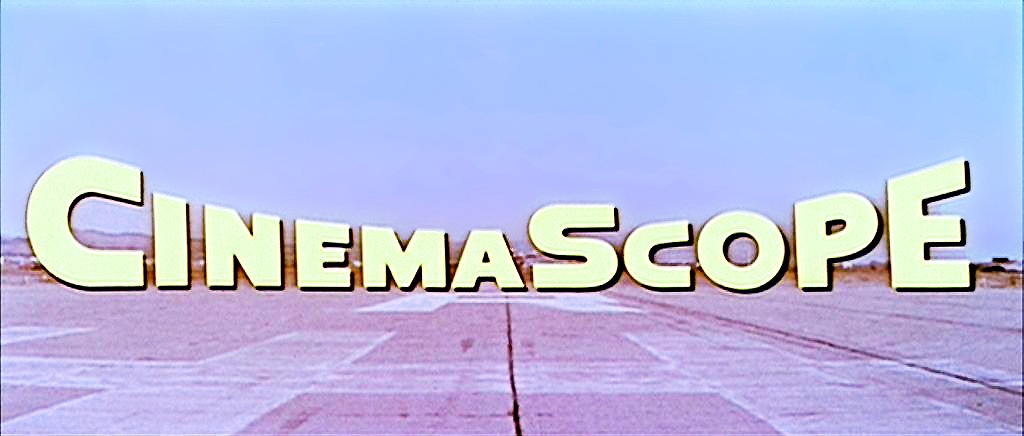
How did the 1960s alter the way we experience Western films? The decade introduced pioneering technical innovations that revolutionized the genre's visual storytelling. You'll notice how widescreen formats like CinemaScope and Panavision captured the sweeping vistas of the American frontier in unparalleled detail.
Versatile camera techniques, including hand-held and steadicam shots, brought you closer to the action, while advances in color cinematography through Technicolor made the landscapes burst with vivid realism.
Aerial photography gave you breathtaking bird's-eye views of the terrain, as filmmakers took to the skies with helicopter shots to showcase the West's majestic scale. The shift to location shooting, rather than artificial studio sets, delivered an authentic glimpse into frontier life, creating a more immersive and genuine Western experience. These technical advancements helped directors create complex moral narratives that explored the psychological depths of their characters.
Psychological Depth and Character Development
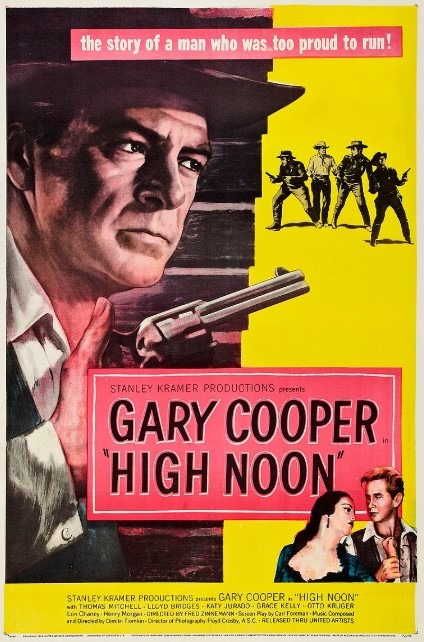
The metamorphosis of Western protagonists in the 1960s marked a seismic shift in the genre's storytelling depth. Building on the psychological groundwork laid by films like High Noon, you'll find that '60s Westerns delved into the troubled minds of their characters, moving far beyond the clear-cut heroes of earlier decades.
These characters weren't just facing external threats; they're wrestling with existential questions about purpose and meaning. This revolutionary approach transformed Westerns from simple good-versus-evil tales into sophisticated character studies that investigated the human condition, elevating the genre to new artistic heights.
You'll notice how films like The Man Who Shot Liberty Valance and Hombre introduced morally complex anti-heroes who grappled with their inner demons while traversing the harsh realities of frontier life. This evolution followed the path set by films like The Searchers, where complex heroism challenged audiences to confront their own prejudices and beliefs.
Cultural Shifts and Genre Subversion
While psychological complexity reshaped Western protagonists, broader cultural upheavals of the 1960s sparked an even more radical reimagining of the genre itself. The counter-culture revolution forced creators to question the narrative nature of Western mythology, leading to experimental approaches that blended traditional elements with postmodern techniques.
The emergence of these New Westerns or Post-Westerns marked a decisive shift, as they deliberately blurred genre boundaries and incorporated self-reflexive elements to challenge the romanticized vision of frontier life and progress.
You'll find this alteration perfectly illustrated in E.L. Doctorow's first novel, "Welcome to Hard Times," which dismantled long-held Western conventions. By exposing the West's violent foundations and fraudulent promises, the work revealed an unsustainable mythology that had shaped American identity for generations. This evolution of Western storytelling contrasted sharply with earlier films like In Old California, which portrayed romanticized tales of Spanish-Mexican era California.
Visual Storytelling and Landscape Usage
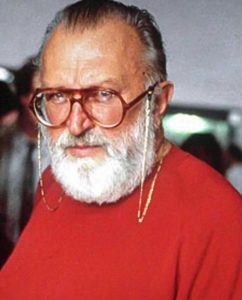
During cinema's revolutionary 1960s, visual storytelling in Westerns underwent a dramatic alteration through innovative camera techniques and skilled scenery composition. You'll notice how far the genre had evolved from the simple staging of The Great Train Robbery, as directors like Sergio Leone honed the art of conveying emotion through extreme close-ups and sweeping panoramic shots of the American frontier.
You'll find that these films relied less on dialogue and more on visual impact, using the vast desert landscapes to emphasize characters' isolation and internal struggles. Through innovative editing techniques like jump cuts and a more stylized approach to cinematography, 1960s Westerns created a deeply atmospheric experience. The genre shifted from straightforward storytelling into a more subjective expedition that prioritized mood and emotional resonance over traditional narrative structures.
Violence and Moral Ambiguity
Alongside these visual innovations, 1960s Westerns shattered longstanding conventions about violence and morality in the genre. You'll notice a stark departure from the sanitized gunfights of earlier decades, as filmmakers embraced more visceral and graphic depictions of violence. This shift marked a pivotal turning point in film history.
Unlike their predecessors, these Westerns introduced morally complex characters who didn't fit neatly into hero or villain categories. You'll find protagonists who blur ethical lines, challenging your assumptions about good and evil. This metamorphosis reflected the era's social upheaval and growing skepticism toward traditional American values. The rise of Revisionist Westerns dismantled long-held frontier myths, subverting familiar tropes like the triumphant hero and presenting a more critical view of the American West.
Cross-Cultural Influences and International Impact
Throughout the 1960s, the Western genre surpassed its American roots to become a global cinematic phenomenon. You'll find that filmmakers worldwide embraced Western themes and conventions, adapting them to reflect their own cultural perspectives and artistic visions.
The most notable cross-cultural exchanges emerged in Italy, where directors revolutionized the genre through Spaghetti Westerns. They introduced a grittier, more stylized approach that challenged traditional American Western storytelling.
You can see how these international interpretations influenced filmmaking techniques, from innovative camera angles to distinctive musical scores.
The Western's adaptability proved exceptional as it resonated across cultural boundaries. You'll notice how different countries incorporated Western elements into their national cinemas, creating unique regional variations that embellished the genre's legacy and demonstrated its universal appeal.
Sound Design and Musical Evolution
Sound design and musical scoring underwent a radical alteration in 1960s Westerns, marking a decisive break from traditional Hollywood conventions. You'll notice how composers like Ennio Morricone revolutionized the early days of cinema by introducing unconventional elements that reshaped the genre's sonic landscape.
The evolution brought three major innovations:
- Integration of electric guitars, whistling, and other non-traditional instruments that created distinctive atmospheric textures
- Enhanced use of diegetic sound and ambient noises to achieve greater authenticity
- Experimental approaches that helped deconstruct the mythic elements of classic Westerns
These sonic innovations weren't just technical achievements - they reflected the era's changing cultural panorama. You'll find that this new approach to sound design helped redefine audience expectations and established a more complex, multifaceted Western genre that continues to influence filmmaking today.