What Does an Upside Down Cross Mean in Horror Movies?
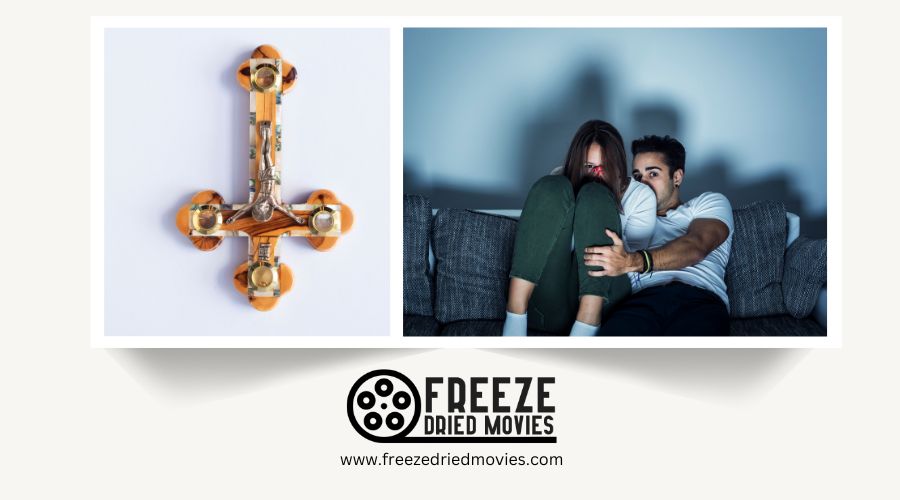
In horror movies, an upside-down cross symbolizes evil, demonic possession, or satanic worship. While originally a Christian symbol of Saint Peter's humility (the Petrine cross), filmmakers have deliberately subverted its meaning to create fear and unease. You'll see it in classics like The Exorcist (1973) and modern films like The Conjuring (2013), where it signals supernatural corruption. This symbol's journey from sacred icon to horror staple reveals how religious imagery can be transformed for psychological impact.
Key Takeaways
- The upside-down cross in horror films symbolizes satanic worship, demonic possession, and supernatural evil, contrary to its original Christian meaning.
- Horror filmmakers use the inverted cross to create immediate visual discomfort by subverting familiar religious symbolism.
- The symbol gained mainstream horror recognition in The Exorcist (1973), where it appeared during Regan's possession scenes.
- The inverted cross creates psychological impact by suggesting spiritual protection has been compromised or corrupted.
- In horror context, the symbol represents rebellion against Christianity, though historically it commemorated Saint Peter's humble crucifixion.
The Origins of the Inverted Cross in Christian Tradition
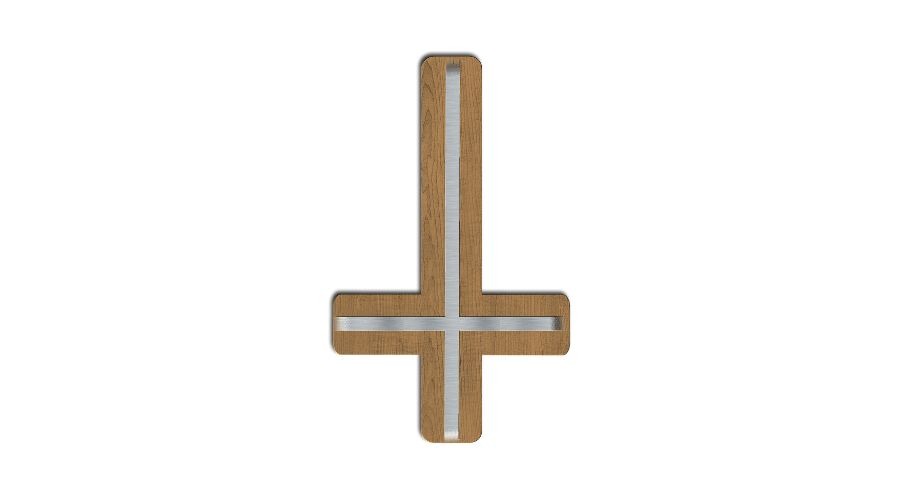
The inverted cross, though commonly portrayed as a Satanic symbol in horror films, actually has deep roots in Christian tradition. When you see this symbol in movies, you're looking at what's historically known as the Cross of Saint Peter or the Petrine cross.
According to Christian tradition, Saint Peter felt unworthy to die in the same manner as Jesus Christ. He requested to be crucified upside-down as a symbol of humility, acknowledging his unworthiness to imitate his savior's death. This inverted crucifixion became commemorated in Christian iconography as a powerful reminder of Peter's devotion and humility.
The Petrine cross later became associated with papal authority, as popes are considered successors to Saint Peter, the first Bishop of Rome. This symbol represents a stark contrast to how it's portrayed in works like Bram Stoker's famous vampire novel, which helped popularize the misinterpretation of religious iconography in horror fiction.
Horror Cinema's Transformation of Religious Symbolism
Cinema's evolution of the inverted cross represents one of the most dramatic reinterpretations of religious iconography in popular culture. What was once a symbol of Saint Peter's humility has been thoroughly transformed in horror movies into an anti-Christian symbol signifying evil and demonic presence.
When you see an upside down cross in horror films, you're witnessing a deliberate subversion of religious symbolism to evoke primal fear. Filmmakers leverage this powerful image to suggest satanic worship and supernatural corruption, creating immediate unease in audiences familiar with Christian traditions.
This transformation remains controversial, as it distances the symbol from its original meaning and repurposes sacred imagery for entertainment. Yet the inverted cross has become so entrenched in horror language that its association with darkness now dominates public perception.
This symbolic transformation echoes how early horror pioneers like Albin Grau incorporated occult connections into films such as Nosferatu, adding layers of esoteric meaning that enhance the supernatural atmosphere.
Iconic Horror Films Featuring the Upside Down Cross
Several landmark horror films have cemented the upside down cross as a powerful visual shorthand for demonic presence and supernatural evil. In the groundbreaking 1973 film "The Exorcist," you'll notice Regan's forehead marked with this infamous symbol during her possession, creating an immediate visual impact that contradicts traditional Catholic Church symbolism.
"The Beyond" (1981) continues this tradition with the character Emily wearing an inverted cross, effectively communicating supernatural horror themes without exposition. Similarly, "The Conjuring" (2013) strategically places this symbol in the basement of its haunted house, foreshadowing the demonic forces at work.
While historically associated with St. Peter's crucifixion, horror cinema has transformed this symbol into something far more sinister—a visual cue that instantly triggers dread and unease in audiences. Much like Tod Browning's "Freaks" (1932), these films employ visual elements that create an atmosphere of unease and provoke strong emotional responses from viewers.
Psychological Impact of Subverted Religious Imagery
Religious imagery, when deliberately inverted in horror films, creates a profound psychological impact that extends beyond mere shock value. When you see an upside-down cross, your mind immediately registers a violation of something sacred, triggering deeper anxieties about moral corruption and supernatural evil.
This subversion works because the cross symbol fundamentally represents safety and divine protection in Christian tradition. By flipping it, filmmakers exploit your instinctive understanding of religious iconography to suggest that protection has been compromised. The inverted crucifixion imagery doesn't just signal the presence of demonic forces—it suggests a complete inversion of the spiritual order you rely on for security.
Your discomfort stems from seeing familiar religious symbols corrupted, creating an unsettling cognitive dissonance that heightens the horror experience. This technique has evolved significantly since William Peter Blatty's The Exorcist (1971) popularized demonic possession themes and their associated inverted religious symbolism in mainstream horror.
The Cultural Clash Between Historical Meaning and Modern Interpretation
One of history's most profound symbol transformations lies in the journey of the upside-down cross from sacred Christian icon to horror movie staple. When you see this symbol in films today, you're witnessing a dramatic reinterpretation of what originally represented Saint Peter's humility—his request to be crucified upside-down, feeling unworthy to die as Jesus did.
This clash between historical meaning and modern usage highlights how symbols evolve through cultural appropriation. Horror films have effectively hijacked the Petrine cross, converting it from a sign of devotion into a symbol of evil.
The tension between its sacred origins and its current portrayal creates discomfort for many Christians, who see their faith's imagery deliberately inverted not just physically, but meaningfully—transforming reverence into rebellion.
Beyond Fiction: Real-World Controversy and Misunderstanding
The controversy surrounding the upside-down cross extends far beyond movie theaters and into everyday life, where misunderstandings persist despite historical context. When you encounter upside down crosses in public spaces, the reaction often stems from Hollywood's influence rather than religious history.
While religious symbols may have ancient meanings, modern interpretations often stem from Hollywood rather than history.
The inverted cross is sometimes misinterpreted in these key ways:
- As a powerful symbol of anti-Christian sentiment, despite being the Petrine Cross
- Used as a symbol of satanic worship in modern religious debates
- Creating unnecessary panic when displayed in art or fashion
- Triggering community outrage due to media-reinforced misconceptions
This disconnect shows how deeply entrenched the horror movie interpretation has become, with upside down crosses now carrying cultural meanings that overshadow their traditional significance as a symbol of humility in Christian tradition.