The Rise of Sergio Corbucci: Unveiling His Dark, Gritty Westerns
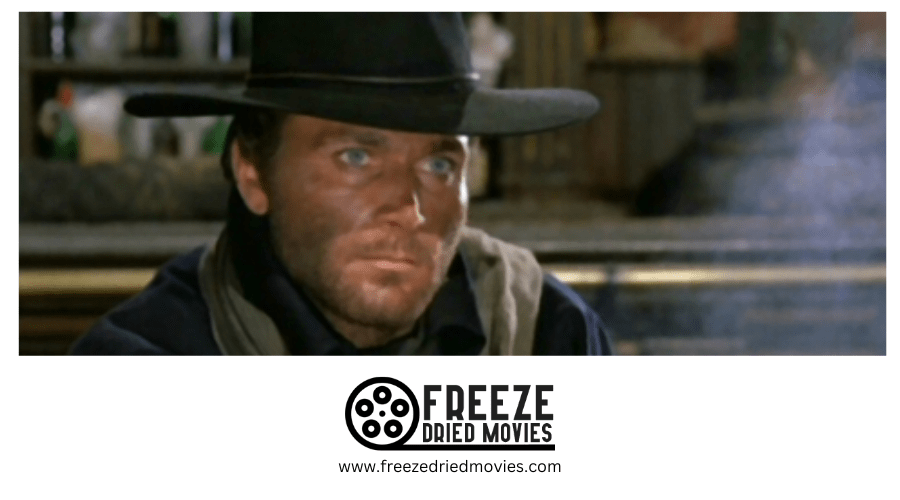
When you hear "spaghetti western," Sergio Leone might immediately come to mind, but you're missing half the revolution if you overlook Sergio Corbucci. His blood-soaked canvases painted a frontier where heroes don't just kill—they suffer, they fail, they die. While Leone gave us the mythic West, Corbucci dragged us through its mud. His coffin-dragging Django and silent, doomed gunfighter in The Great Silence didn't just entertain; they transformed how we comprehend the entire genre.
From Sword and Sandal to Dusty Trails: Corbucci's Early Career
While American westerns glamorized the frontier with heroic cowboys and clear-cut morality, Sergio Corbucci charted a different path. Before revolutionizing the western genre, he honed his directorial skills on low-budget sword and sandal films, developing the gritty aesthetic that would later define his work.
In 1964, Corbucci made his western debut with "Grand Canyon Massacre," abandoning Hollywood's romantic ideals for brutal realism. He crafted protagonists with murky moral compasses, rejecting the old western tropes of white-hatted heroes.
His breakthrough came with 1966's "Django," establishing him as a spaghetti western pioneer. The film's grim portrayal of a vengeance-seeking Union soldier perfectly embodied Corbucci's vision of the American frontier as a harsh, unforgiving landscape. Like Roger Corman's approach with The Little Shop of Horrors, Corbucci proved that compelling storytelling didn't require massive Hollywood budgets to create memorable cinema.
Django: The Coffin-Dragging Drifter That Changed Western Cinema
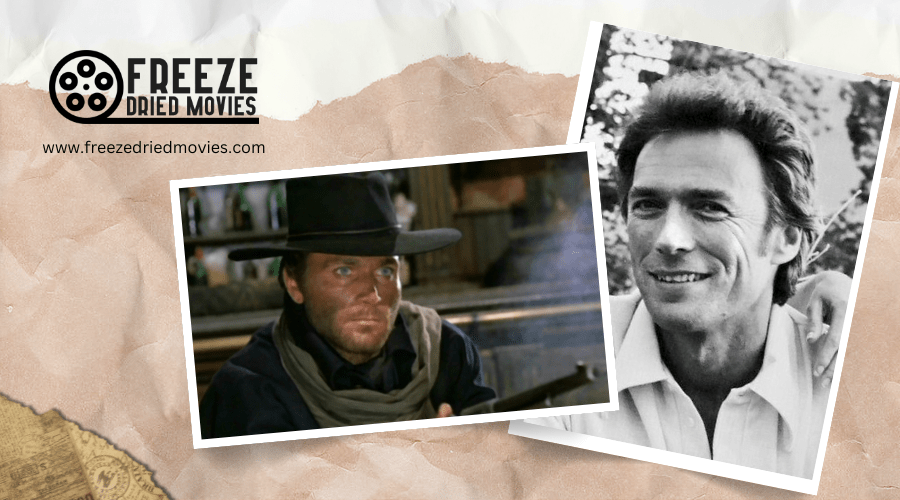
With 1966's "Django," Sergio Corbucci created more than just a successful film—he transformed the western genre forever. The now-iconic image of Franco Nero dragging a coffin across a muddy wasteland introduced audiences to a new kind of frontier hero: morally ambiguous, vengeful, and existing in a world of unprecedented brutality.
Corbucci's vision rejected Hollywood's romanticized West, instead embracing gritty realism that depicted the frontier as a desolate moral vacuum. The film's unflinching violence broke new ground, establishing a template for future westerns that would challenge conventional storytelling.
Unlike the principled heroes portrayed in John Ford's Westerns that established Wayne's iconic status, Corbucci's protagonists inhabited a more nihilistic frontier lacking clear moral boundaries.
The impact of this landmark spaghetti western extends beyond its initial release. Even Quentin Tarantino acknowledged Corbucci as the second-greatest director of Italian westerns, cementing Django's place as a watershed moment in cinema history.
The Great Silence: Subverting Genre Expectations in Snow-Covered Utah
Following the success of "Django," Corbucci boldly reimagined western cinema again with 1968's "The Great Silence." Set against the frigid backdrop of snow-covered Utah rather than dusty desert plains, this masterpiece immediately distinguished itself from conventional westerns through its stark Alpine landscape.
Corbucci's social commentary emerges through Jean-Louis Trintignant's mute hero confronting Klaus Kinski's ruthless bounty hunters—embodiments of unchecked capitalism and moral ambiguity. The striking visual contrast of bright-red blood against pristine white snow becomes a stunning signature element.
This landmark in the western film genre demonstrates Corbucci's willingness to subvert expectations, offering a perverse, stylized vision that challenges traditional narratives while cementing his place among spaghetti western masters.
You'll notice how The Great Silence abandons romantic western ideals for a bleak, existential world. Unlike the works of John Ford and Hawks in the 1940s, Corbucci rejected the clear-cut moral lessons in favor of psychological complexity and ambiguous justice.
Political Commentary and Social Justice in Corbucci's Western Landscapes
Beyond the visual innovation of blood-stained snow in "The Great Silence," Corbucci's westerns served as powerful vehicles for political discourse. You'll find his films consistently challenge economic inequality and capitalist exploitation through complex characters who navigate morally ambiguous terrain.
Sergio Corbucci deliberately subverted traditional western tropes, using the genre to advocate for social justice. In "The Mercenary" and "Companeros," he drew clear parallels between Italian laborers and the American working class, embedding left-populist principles within entertaining narratives.
Unlike Hollywood's romanticized West, Corbucci's landscapes feel unforgiving and realistic. You're confronted with graphic violence that serves a purpose—forcing you to acknowledge frontier brutality and the oppression of marginalized groups. His politicized perspective reflected 1960s social upheaval, rejecting simplistic heroes in favor of nuanced examinations of power and justice.
Visual Brutality: Corbucci's Cinematic Violence as Artistic Statement
Violence explodes across the screen in Corbucci's westerns with deliberate artistic purpose, shattering the sanitized myths of the American frontier. When you watch Sergio Corbucci's work, you're confronted with bright red blood splashing against dusty landscapes—not for shock value, but as visual brutality that challenges traditional Hollywood romanticism.
Corbucci's innovative cinematography frames this violence with striking compositions that heighten its impact. You'll notice how his unflinching camera serves as commentary on the harsh realities of the West, blurring lines between good and evil in ways mainstream westerns avoided.
This graphic approach wasn't gratuitous excess but a calculated artistic statement that defined the spaghetti western genre. Through his lens, moral ambiguities of frontier life emerge in visceral imagery that forces viewers to reckon with the true costs of mythologized violence.
Beyond Leone: Establishing a Unique Directorial Identity
Although often compared to Sergio Leone, Corbucci carved out a directorial identity that pushed the boundaries of the western genre far beyond his contemporary's vision. Where Leone crafted operatic tales of mythic proportions, Corbucci plunged viewers into unforgiving landscapes populated by morally complex protagonists whose motivations defied simple categorization.
You'll find Corbucci's westerns distinguished by their gritty and subversive depictions of frontier life—particularly in masterworks like "Django" and "The Great Silence." These films weren't merely entertainment but pointed political and social commentaries reflecting Italy's contemporary struggles.
His evolution from low-budget sword-and-sandal productions to brutal westerns reveals an artist deliberately challenging Hollywood's romantic frontier myths. Through unflinching violence and moral ambiguity, Corbucci created a cinematic language that continues to influence filmmakers today, including Tarantino, who named him the second-greatest spaghetti western director.
Tarantino's Muse: Corbucci's Enduring Influence on Modern Filmmakers
Sergio Corbucci's shadow stretches far beyond his own era, finding perhaps its most passionate champion in Quentin Tarantino. The acclaimed American director has consistently named Corbucci as the "second-best director of Italian westerns," a high compliment that reveals the depth of his admiration.
You'll notice Tarantino's films, particularly Django Unchained, carry unmistakable traces of Corbucci's influence. The gritty westerns that defined Corbucci's career—with their political undertones, brutal realism, and subversive approach to genre conventions—provided a blueprint for Tarantino's own storytelling methods.
Beyond explicit homages, Corbucci's willingness to challenge traditional western narratives continues to inspire filmmakers seeking to reinvent the genre. His legacy lives on not just in critical acclaim, but in how he forever changed the visual language of westerns.
The Legacy of Cynicism: How Corbucci Redefined the Western Anti-Hero
The traditional western hero died a quiet death in Corbucci's unforgiving cinematic landscape. When you watch his protagonists navigate the brutal frontier, you're witnessing characters who operate in moral twilight, challenging your expectations of western cinema's traditional sense of justice.
Sergio Corbucci masterfully blurred the lines between right and wrong through anti-heroes motivated by personal gain rather than moral righteousness. In films like "Django" and "The Great Silence," you'll find no white-hatted saviors—only survivors driven by vengeance and self-preservation. His characters reflected his cynical worldview, revealing the harsh realities faced by society's marginalized.
Related posts