The French New Wave Explosion: Reinventing Cinema in the 1960s
You'll find the French New Wave's radical spirit in young critics-turned-filmmakers who shattered cinematic rules in the 1960s. Led by visionaries like Godard and Truffaut, they took cameras to the streets, adopted guerrilla filmmaking techniques, and captured raw authenticity through natural lighting and location shooting. Their rebellious approach, born from limited budgets and creative freedom, reshaped global cinema forever. The movement's innovative DNA still pulses through modern filmmaking's veins.
Origins of a Cultural Revolution: Setting the Stage for New Wave Cinema
The French New Wave emerged from a perfect storm of cultural dissent and artistic rebellion in 1950s France. As you investigate the roots of this revolutionary movement, you'll find a generation of young critics at Cahiers du Cinéma who were fed up with formulaic studio productions. They championed the auteur theory, believing directors should express their personal vision like artists.
In post-war France, social and political upheaval created fertile ground for change. The end of the Algerian War and youth culture's rise pushed filmmakers to break free from traditional cinema's constraints. Drawing inspiration from Hollywood, Italian neorealism, and innovative directors like Renoir, these revolutionaries forged a new cinematic language. They rejected the polished studio system in favor of authentic storytelling that would capture the raw energy of their changing world. Directors like Truffaut and Godard pioneered groundbreaking film techniques that emphasized gritty realism over studio polish.
Breaking the Rules: Technical Innovations and Guerrilla Filmmaking
Armed with portable cameras and revolutionary spirits, French New Wave directors took to the streets, converting financial limitations into artistic freedoms. These young directors shattered traditional rules, embracing guerrilla filmmaking techniques that would forever change French cinema.
You'll recognize their personal style through these pioneering approaches:
- Using lightweight equipment and small crews to shoot spontaneously on location
- Implementing jarring jump cuts and fragmented editing to challenge conventional narrative structure
- Blending documentary and fiction elements to create hybrid storytelling forms
- Prioritizing raw emotional authenticity over technical perfection
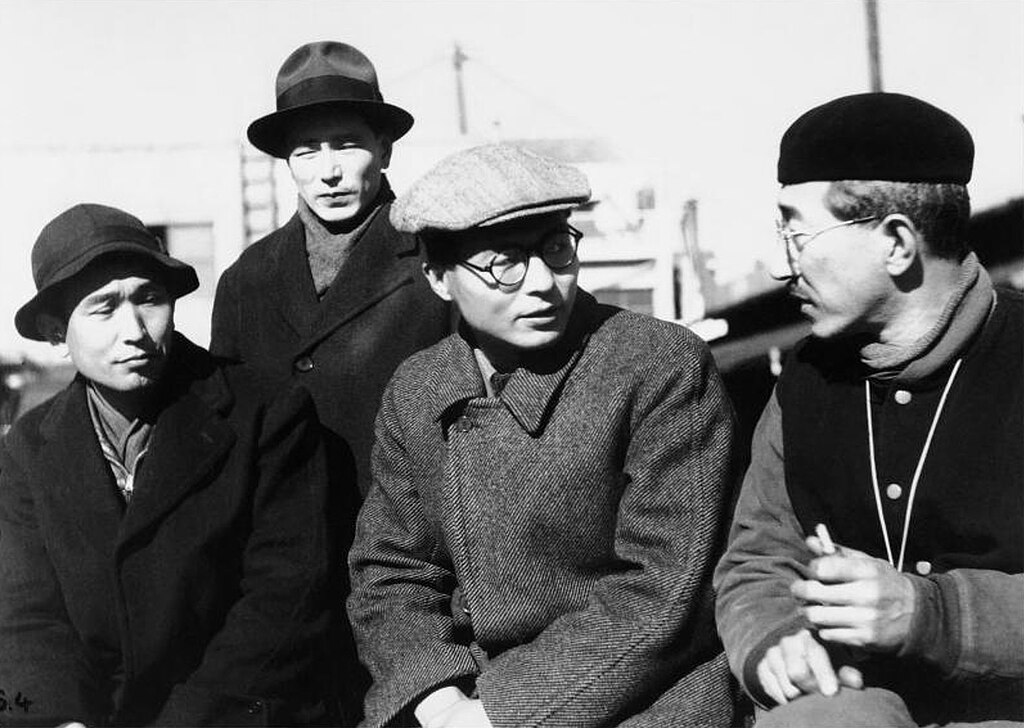
The New Wave filmmakers' rebellious approach proved that creativity could flourish despite limited resources. Their guerrilla tactics and technical innovations didn't just break the rules - they rewrote them, establishing a bold new cinematic language that continues to influence directors today. Much like Akira Kurosawa's legacy, their groundbreaking storytelling techniques and innovative approaches to filmmaking helped reshape cinema on a global scale.
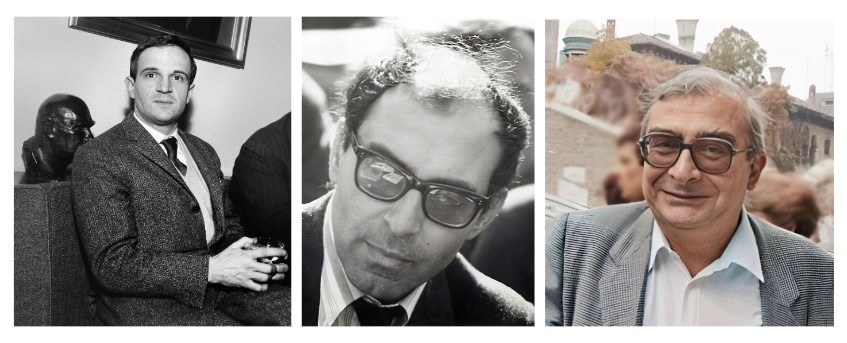
Jean-Luc Godard at Berkeley, 1968
Le réalisateur français Claude Chabrol sur le tournage d'un film publicitaire pour une marque de café, à Venise.
The Cahiers Du Cinéma Generation: Critics Turned Auteurs
Five passionate film critics at Cahiers du cinéma sparked a cinematic revolution when they traded their pens for cameras in the late 1950s. Led by François Truffaut, Jean-Luc Godard, and Claude Chabrol, these French directors altered their theoretical writings into pioneering New Wave movies that challenged traditional filmmaking conventions.
At Cahiers du cinéma, they'd championed the auteur theory, which emphasized the director's personal vision as the driving force behind meaningful cinema. When they stepped behind the camera, they put their ideas into practice, developing a fresh cinematic language that broke established rules.
Their experimental approaches to storytelling and innovative filmmaking techniques weren't just rebellious acts - they represented the perfect fusion of critical thinking and creative execution. This critics-turned-filmmakers phenomenon helped establish the French New Wave as one of cinema's most influential movements. Like the German Expressionist filmmakers before them, they brought unprecedented psychological depth and visual experimentation to their work.
Raw Authenticity: Location Shooting and Natural Light
Breaking free from the confines of studio soundstages, French New Wave directors revolutionized cinema by taking their cameras to the vibrant streets of Paris. You'll see this raw authenticity in their groundbreaking approach to filmmaking, where natural lighting and real locations replaced artificial sets and controlled environments.
The wave's commitment to realism manifested in these pioneering techniques:
- Godard's "Breathless" embraced/adopted handheld cameras and improvised dialogue, creating an unmistakably gritty feel
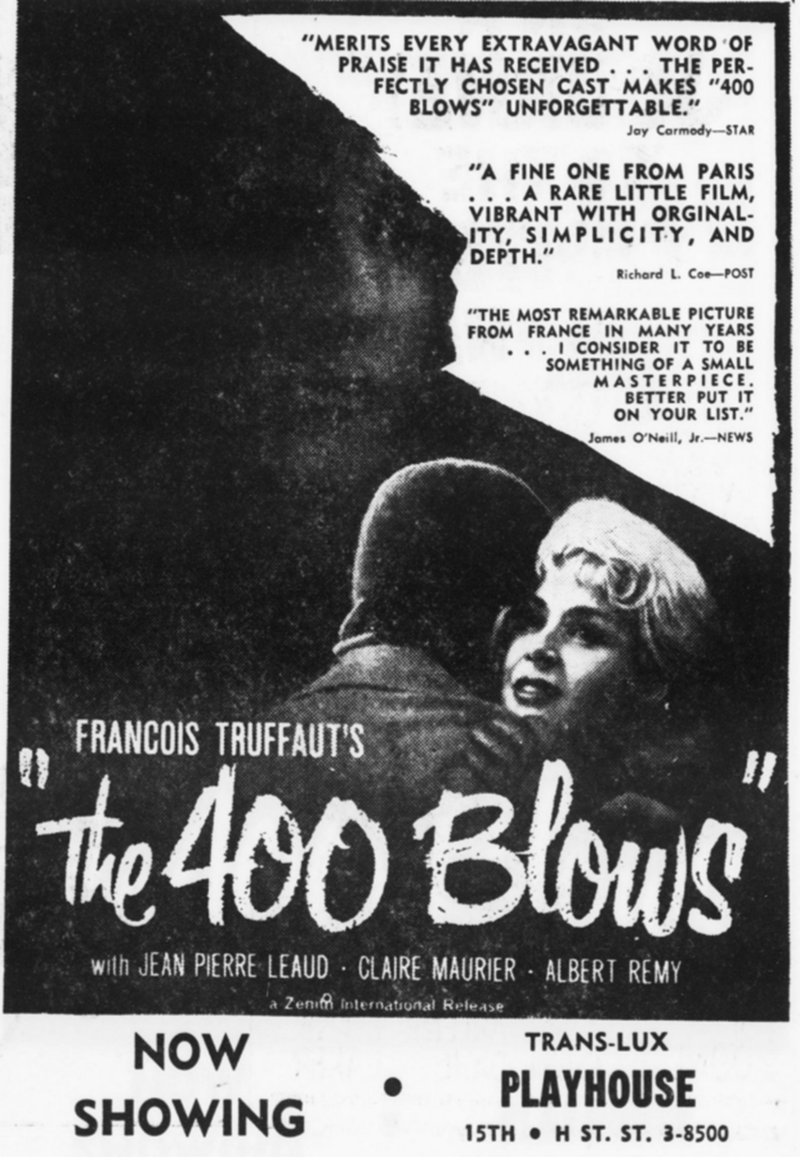
- Truffaut's "The 400 Blows" captured youth rebellion against the authentic backdrop of Parisian streets
- Varda's "Cléo from 5 to 7" immersed viewers in real-time urban exploration
- Natural lighting replaced artificial studio illumination, lending unprecedented/unparalleled authenticity to these films
This bold departure from polished studio productions forever changed how filmmakers approached their craft, establishing a new visual language for cinema.
Youth in Revolt: Themes and Characters of the New Wave
The rebellious spirit of French New Wave cinema found its purest expression through young, defiant protagonists who challenged the established order. Unlike Hollywood cinema's polished heroes, these characters embodied raw authenticity and existential uncertainty.
You'll find French New Wave directors like Truffaut and Godard crafting stories that captured the essence of youth alienation in 1960s France. Their filmmaking techniques - fragmented narratives and subjective viewpoints - perfectly mirrored their characters' internal struggles.
In films like "The 400 Blows" and "Breathless," young people broke free from societal constraints, questioning everything from love to authority.
These filmmakers working within their cultural milieu created more than just entertainment; they documented a generation's search for identity. Their characters' nonconformist attitudes and urban exploits reflected the profound social transformations reshaping French society.
Beyond Traditional Narratives: Experimental Storytelling Techniques
While youth rebellion defined the French New Wave's thematic core, its revolutionary spirit found equal expression through radical storytelling techniques. The nouvelle vague directors shattered conventional plot structures, introducing experimental approaches that would revolutionize cinema forever.
You'll find these pioneering narrative structures exemplified in:
- Godard's Breathless, with its jarring jump cuts and fragmented storylines
- Resnais' dreamlike Last Year at Marienbad, which abandoned linear time
- Varda's Cléo from 5 to 7, blending reality and fiction in real-time
- Truffaut's character-driven films, prioritizing emotional depth over plot
This cinematic revolution went beyond mere technical innovation. By rejecting traditional storytelling conventions, these innovative filmmakers created a new language of cinema that emphasized subjective experience, psychological complexity, and artistic freedom.
The Left Bank Group: Alternative Voices and Perspectives
Distinct from their Right Bank counterparts, the Left Bank Group emerged as a radical force within the French New Wave, led by visionaries Chris Marker, Alain Resnais, and Agnès Varda.
The group's innovative spirit continued with Varda's Cléo from 5 to 7, a skilled blend of fiction and documentary techniques that became a cornerstone of the movement. When Jacques Doniol-Valcroze's L'Eau à la bouche appeared in 1960, it marked one of the earliest examples of the Left Bank's unique viewpoint. Together, these filmmakers developed a distinctive essay-style documentary approach that reshaped cinema's boundaries, offering fresh perspectives that continue to influence experimental film today.
You'll find their alternative voices most evident in pioneering works like Resnais's Last Year at Marienbad, which challenged audiences in 1961 with its dreamlike approach and unconventional storytelling.
Hollywood's Influence: American Cinema Through French Eyes
Despite their revolutionary approach to filmmaking, French New Wave directors found deep inspiration in classical Hollywood cinema, changing American genres and techniques into distinctly European artistic expressions. You'll find their admiration for traditional Hollywood evident in how they adopted film noir, westerns, and melodramas into fresh cinematic experiences.
- They studied American auteurs like Hawks, Hitchcock, and Ray, adapting their techniques into boundary-pushing narratives.
- They welcomed Hollywood action movies' energy through innovative camera work and jump cuts.
- They incorporated American popular culture icons, from James Dean to Elvis, bridging high art and mainstream appeal.
- They assumed the outsider protagonist archetype from Hollywood directors while giving it a uniquely French viewpoint.
Budget Constraints as Creative Catalyst: Low-Cost Production Methods
Rather than succumbing to financial limitations, French New Wave directors altered their budget constraints into a revolutionary artistic advantage. You'll see how their low-budget production methods, using portable equipment and small crews, created a fresh aesthetic that changed cinema forever.
Take Agnès Varda's La Pointe Courte, made for just $14,000, which proved you could create powerful films on a shoestring budget. By embracing unconventional approaches to lighting, sound, and camerawork, these filmmakers developed a raw, energetic style that perfectly matched their storytelling. Working outside traditional studio systems gave them unparalleled creative control over their projects.
You can trace the movement's influence through generations of independent filmmaking worldwide, demonstrating how financial constraints don't have to limit artistic vision - they can enhance it.
Legacy of Liberation: How New Wave Changed Modern Cinema
The French New Wave's innovative production methods sparked a creative revolution that echoes throughout modern cinema. You'll find its influence in every corner of today's independent film scene, where young filmmakers continue to adopt the movement's experimental spirit.
Four key ways the New Wave transformed filmmaking forever:
- It empowered directors to pursue their unique vision without compromise, establishing the auteur approach
- It proved that low-budget constraints could fuel creative storytelling and innovative narrative techniques
- It challenged traditional cinema rules, encouraging filmmakers to experiment with structure and style
- It connected with youth culture and contemporary issues, showing that French film could be both artistic and relevant
This liberation of cinematic expression continues to inspire each new generation of independent filmmakers, proving that the New Wave's impact remains as potent as ever.