Silent Horror Movies: Chilling Tales Told Without Sound
Stepping into the Realm of Ghostly Images
The early days of cinema brought a new kind of fear to audiences. Simple street scenes or trains arriving at stations caused unease among viewers. The flickering images of people frozen in time seemed otherworldly.
Many found the silent, colorless world of early films eerie. The gray tones that covered everything - from people to trees to the sky - created an unsettling atmosphere. This new medium turned everyday scenes into something strange and supernatural.
The power of these early films lay in their ability to spark the imagination. They took ordinary moments and made them extraordinary. The silence of the images added to their ghostly quality. Viewers often felt haunted by what they saw on screen.
As people got used to seeing moving pictures, they wanted more than just real-life scenes. They craved stories with a clear structure. The shadowy nature of film made it perfect for spooky tales.
Filmmakers quickly learned how to use tricks to create special effects. They could make spirits appear, show dancing skeletons, or create giant monsters. These new techniques allowed them to mix the real world with make-believe in ways never seen before.
Some key features of early horror films:
- Black and white images
- No spoken dialogue
- Use of title cards for text
- Dramatic facial expressions and body language
- Creative use of shadows and lighting
- Innovative special effects
The silent era saw the birth of many classic horror films. These movies laid the groundwork for the genre we know today. They proved that cinema could scare audiences in unique ways.
Early horror films often drew from:
- Gothic literature
- Folklore and myths
- Scientific discoveries
- Social fears
Silent horror movies had to rely on visual storytelling. This led to striking imagery that still influences filmmakers today. The lack of sound meant every frame had to work hard to create mood and tension.
| Silent Horror Film Elements | Impact on Viewers |
|---|---|
| Exaggerated makeup and costumes | Created memorable monster designs |
| Carefully planned camera angles | Built suspense and unease |
| Innovative set designs | Established creepy atmospheres |
| Expressive acting styles | Conveyed emotion without words |
These early films showed that horror could be an art form. They pushed the limits of the new technology and challenged audiences. The "Kingdom of Shadows" had become a place where fears could take shape on screen.
Capturing Spirits on Film
Early horror movies blended various 19th-century art forms into the new medium of cinema. Painters, theater productions, and Gothic literature all played a part in shaping these films. The visual style often drew from Expressionist art, while storytelling borrowed from stage shows that used special effects and spooky themes.
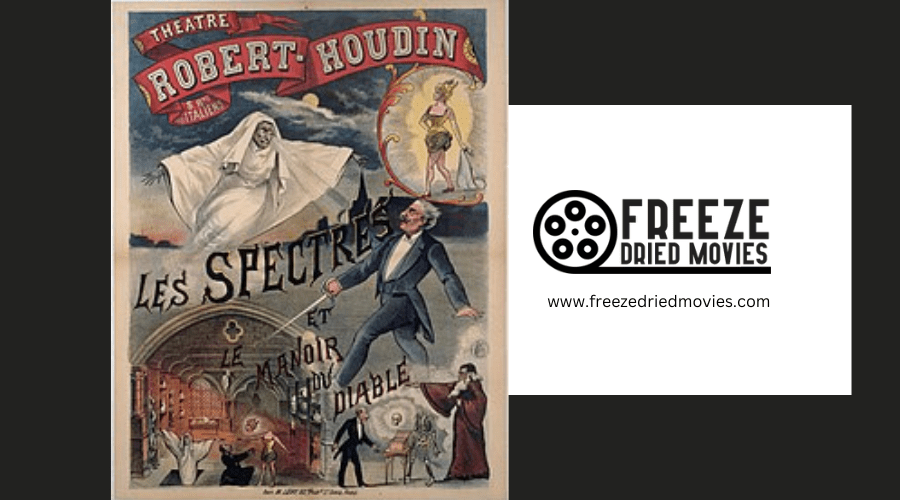
Spirit photography, which started by accident in 1861, had a big impact on horror films. This technique used double exposures or overlapping images to make ghosts appear in pictures. Some people thought these photos were real proof of an afterlife. Others, like magicians and their fans, enjoyed them as clever tricks.
Movie makers took inspiration from spirit photography to create ghostly scenes in their films. They used similar methods to show supernatural beings on screen. This helped bring stories by writers like Bram Stoker and Edgar Allan Poe to life in new ways.
Early horror films were called "spook tales" at first. The term "horror" wasn't used for movies until the 1930s. Sadly, many of these early films are now lost because the film they used was very fragile. But some have survived and can still be watched today.
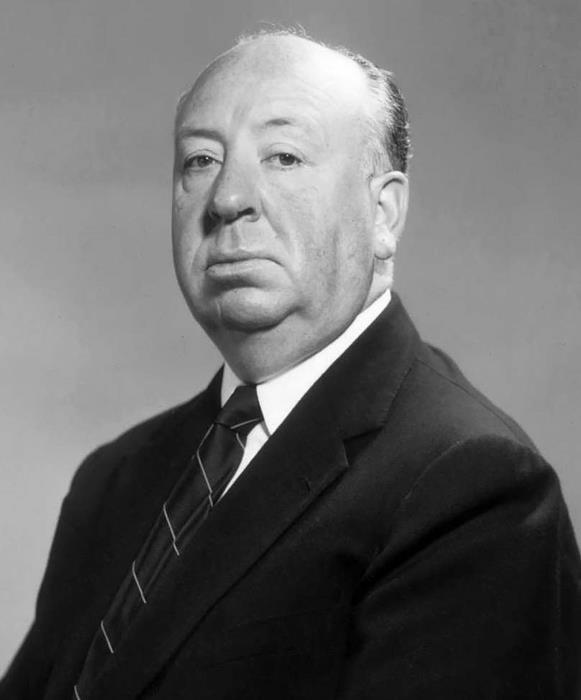
Directors like Alfred Hitchcock learned from these early techniques. They used clever camera work and lighting to create tension and fear. As movies evolved, filmmakers found new ways to scare audiences, building on the tricks of the past.
These pioneering horror films paved the way for future scary movies. They showed that cinema could bring nightmares to life, just like the ghost stories and monster tales that came before them.
The Earliest Frightful Films
Horror movies started as brief, eye-catching clips in the 1890s. The Lumière brothers made one of the first, showing a dancing skeleton. This short film amazed viewers with its spooky imagery.
Georges Méliès created the first horror story on film in 1896. His movie "The Devil's Manor" packed many scary elements into just three minutes. It had bats, devils, witches, and ghosts that appeared and vanished in smoke puffs.
These early films laid the groundwork for future horror movies. They introduced scary characters and visual tricks that would become common in the genre. Though very short, they showed that film could create frightening scenes and tell eerie tales.
Horror Movies in the Early 1900s

The 1900s saw the birth of horror cinema, with pioneers like Georges Méliès leading the way. Méliès built a glass studio in Paris where he created groundbreaking special effects. He used split screens, double exposures, fades, and stop motion to bring spooky tales to life.
In 1903, Méliès made "The Monster," a mix of Egyptian themes and dark magic. The film showed a prince asking a magician to revive his dead wife. The story played out against painted backdrops of the Sphinx.
That same year, Alice Guy directed "Faust et Méphistophélès," one of the first horror films made by a woman.
As movie tech got better, films got longer. In 1908, the Selig Polyscope Film Company made the first "Dr. Jekyll and Mr. Hyde" movie. Sadly, this film is now lost.
Edison Studios created the first "Frankenstein" film in 1910. It was only 14 minutes long. The studio tried to make the story less scary, worried about upsetting viewers.
Key horror films of the 1900s:
- The Monster (1903)
- Faust et Méphistophélès (1903)
- Dr. Jekyll and Mr. Hyde (1908)
- Frankenstein (1910)
These early horror movies laid the groundwork for future classics. They showed that people wanted to be scared at the movies. Filmmakers learned new ways to create spooky scenes and tell creepy stories on screen.
The horror genre grew fast in these early years. It drew from old myths, books, and folklore. Movies let people see their fears come to life in new ways.
World War I changed everything, including horror films. The real horrors of war shaped how filmmakers thought about fear and death. This led to new kinds of scary movies in the years that followed.