Sergio Leone’s Directorial Style: Defining the Spaghetti Western Genre
When you think of the Western genre, you'll find Sergio Leone's fingerprints everywhere. His revolutionary approach transformed cowboys and outlaws from simple archetypes into complex characters existing in brutal, morally ambiguous landscapes. You've seen his influence without realizing it—those extreme close-ups of squinting eyes, the tension-filled silences broken by Morricone's haunting scores, and those anti-heroes who defy easy categorization. But what exactly made Leone's directorial vision so powerful that filmmakers still imitate it decades later?
The Birth of Spaghetti Westerns: Leone's Early Innovations
When Sergio Leone directed "A Fistful of Dollars" in 1964, he didn't just create another Western—he revolutionized the genre entirely. Drawing inspiration from Akira Kurosawa's "Yojimbo," Leone established a visual style that departed radically from traditional American Westerns. You'll notice his distinctive approach through extreme close-ups, sparse dialogue, and morally ambiguous protagonists.
The film launched the Dollars Trilogy, which propelled Clint Eastwood to international stardom as the quintessential anti-heroic character. Leone's partnership with composer Ennio Morricone proved essential, as their collaboration created tension-filled soundscapes that became synonymous with Spaghetti Westerns.
Unlike their American counterparts, Leone's films portrayed a grittier, more violent West, stripping away romanticism to reveal darker themes of greed and betrayal. Eastwood's performance across the trilogy showcased his ability to convey character through subtle gestures and steely gaze rather than excessive dialogue.
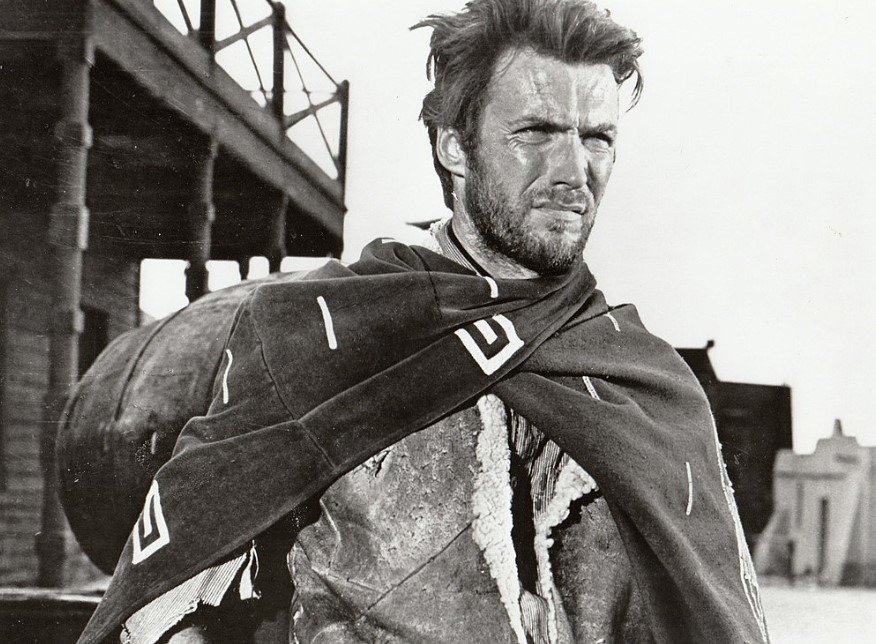
The Art of Visual Storytelling Through Extreme Close-Ups
Among Leone's most revolutionary contributions to cinema, his masterful use of extreme close-ups stands as perhaps his most recognizable technique. You'll notice how he deliberately frames actors' faces to reveal intense emotion, creating an intimacy that subverts traditional Hollywood Western aesthetics.
When watching Leone's films, you're forced to confront the raw humanity and brutality of the Old West through his distinctive visual storytelling. His extreme close-ups, paired with Ennio Morricone's haunting scores, generate palpable tension that draws you into the narrative.
Leone's unconventional editing techniques—featuring long pauses and unexplained actions—demand your active engagement rather than passive viewing.
Through innovative shot composition and cinematography, Leone elevated the Spaghetti Western from simple genre entertainment to complex cinematic art, forever changing how directors approach visual storytelling in action films. His approach to visual tension parallels how film noir atmosphere was created in Bogart classics like The Big Sleep through moody cinematography and shadowy worlds.

Leone's Approach to Anti-Heroes and Moral Ambiguity
Unlike the black-and-white morality of traditional Hollywood Westerns, Leone's films plunge you into a murky ethical landscape populated by complex anti-heroes. Through Clint Eastwood's "man with no name," Leone established a new paradigm of cynical protagonists driven by self-interest rather than noble ideals.
You'll notice how these Spaghetti Westerns deliberately subvert the mythology of the American West by presenting characters who embrace violence and pursue greed without apology. Leone strips away the romanticized veneer, exposing the exploitation beneath with his signature extreme close-ups that force you to confront the moral ambiguity of frontier life.
His protagonists operate in gray zones, making choices based on survival and opportunity, challenging your expectations of heroism and offering a more complex vision of human nature than traditional Westerns ever dared. This stark departure from John Wayne's characters represents a complete rejection of the moral integrity that defined Wayne's influential Western persona throughout the 1940s.
Creating Tension Through Pacing and Musical Collaboration
At the heart of Leone's cinematic mastery lies his revolutionary approach to pacing and musical storytelling. You'll notice how Leone deliberately stretches time, creating lengthy silent sequences that suddenly erupt into explosive violence. This distinctive editing technique keeps you perpetually on edge, never knowing when the tension will break.
Leone's partnership with Ennio Morricone proved essential in crafting spaghetti westerns' unique atmosphere. Morricone's haunting scores, featuring unconventional instruments like ocarinas and jew's harps, amplify the suspense Leone meticulously builds visually.
The director's iconic close-ups reveal characters' inner thoughts without dialogue, allowing Morricone's evocative themes to communicate complex emotions instead. This visual-musical collaboration distinguished Leone's spaghetti westerns from American counterparts, creating a distinctive cinematic language where pacing and music together generate unforgettable tension.
The Economy of Dialogue and Power of Silence in Leone's Films
While Leone's tension-building techniques and collaboration with Morricone defined his directorial signature, his masterful restraint in dialogue represents another cornerstone of his unique style. In his spaghetti westerns, you'll notice characters rarely speak, instead communicating through meaningful glances and deliberate body language.
This economy of dialogue isn't a limitation but a deliberate storytelling choice. Leone believed silence could convey more than words, creating suspense that keeps you engaged. The long, quiet moments force you to observe closely, interpreting characters' motivations through their expressions and actions.
Morricone's music scores brilliantly fill these silent spaces, becoming pivotal narrative elements themselves. Together, the minimal dialogue and evocative music create the distinctive tension that defines Leone's westerns—proving his conviction that effective storytelling often requires saying less.
Leone's Lasting Influence on Modern Cinema and Directors
Sergio Leone's cinematic fingerprints remain visible throughout modern filmmaking, reaching far beyond the boundaries of the Western genre he revolutionized. His distinctive visual style—particularly his use of extreme close-ups—has inspired countless directors to explore similar techniques.
Quentin Tarantino's films like Django Unchained and The Hateful Eight explicitly pay homage to Leone's Spaghetti Western aesthetics. Robert Rodriguez adopted Leone's gritty portrayal of the American West in his own revisionist Westerns. The morally ambiguous anti-heroes Leone popularized have become staples in contemporary cinema. Ennio Morricone's iconic collaborations with Leone established a sonic template still referenced today.
You'll notice Leone's influence whenever directors juxtapose sweeping landscapes with intense facial close-ups, or when protagonists operate in moral gray areas rather than classic Western heroism.
Related posts