Roger Corman's Poe Cycle 1960-1964: Gothic Horror Masterpieces Explored
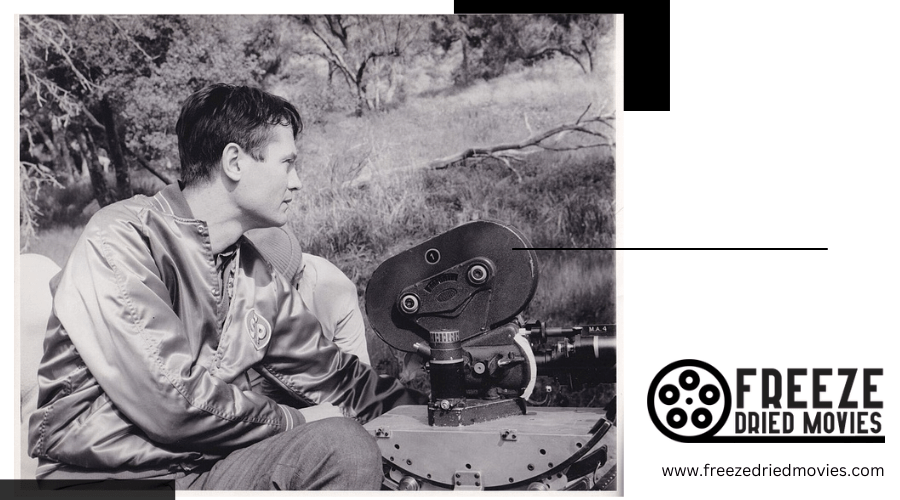
Between 1960 and 1964, Roger Corman embarked on a unique cinematic journey, bringing Edgar Allan Poe's Gothic tales to life in a series of films. Known as Roger Corman's Poe Cycle, these films melded the eerie ambiance of Poe's stories with Corman's adept skill for creating atmospheric, suspenseful horror. These films are considered a high point in Corman's career and have captivated audiences with their effective blend of horror and artful storytelling.
Central to the success of this series was the collaboration with actor Vincent Price, whose performances became iconic in establishing the haunting tone of the films. The partnership with American International Pictures allowed Corman to experiment with vivid colors and innovative set designs, adding a unique flair to the traditional Gothic narrative.
Corman's adaptations, such as "The Masque of the Red Death" and "The Fall of the House of Usher," stand out not only for their visual style but also for capturing the dark themes of Poe's writing. These films have cemented their place in horror history, offering a distinct blend of literary depth and visual storytelling that continues to inspire filmmakers and captivate audiences.
Roger Corman's Influence on Horror Cinema
Roger Corman played a pivotal role in shaping horror cinema by blending classic literature with new cinematic techniques. His collaboration with American International Pictures and dedication to Edgar Allan Poe adaptations facilitated the evolution of Gothic horror during the early 1960s.
Early Career and Founding of American International Pictures
Roger Corman began his career in Hollywood in the 1950s. He quickly became known for his ability to produce high-quality films on low budgets. His efficiency in filmmaking paved the way for the founding of American International Pictures (AIP).
AIP was instrumental in targeting younger audiences with a taste for innovative, adventurous films. Corman's approach, which emphasized creativity over financial resources, became a mainstay of their projects. This partnership allowed him to experiment and refine his techniques, making the horror genre more accessible and appealing.
His emphasis on smart storytelling within budget constraints influenced countless filmmakers. This spirit of innovation and practicality set the groundwork for his later success with the Poe Cycle.
Corman/Poe Collaboration Beginnings
The collaboration between Corman and the works of Edgar Allan Poe began in 1960 with "House of Usher". At its core, this partnership sought to translate Poe's Gothic atmospheres into the visual medium.
Corman consistently cast Vincent Price, who became synonymous with the series, enhancing the connection to Poe’s brooding characters. By focusing on theme and mood, Corman created immersive horror experiences that honored Poe's originals while introducing a new cinematic language.
This dedication to stylistic and atmospheric detail in each film contributed to creating a sense of continuity and narrative depth across the series. As a result, both Corman and Price became icons in horror cinema.
Significance of the Poe Cycle
Between 1960 and 1964, Roger Corman directed eight films in what became known as the "Poe Cycle". This series represented a turning point in horror film production. Combining low budget ingenuity with Gothic literary sources, Corman reinvented classic tales for modern audiences.
View this post on Instagram
These adaptations, including "The Masque of the Red Death," achieved both popular and critical success and became benchmarks for Gothic horror on screen. The series demonstrated that horror could be both artistic and commercially viable.
Corman's work influenced future generations of horror filmmakers, encouraging them to explore literary adaptations and atmospheric storytelling. His approach remains a reference point for directors seeking to blend classic storytelling with fresh cinematic techniques.
Detailed Overview of the Poe Cycle Films
Between 1960 and 1964, Roger Corman directed a series of films known as the Poe Cycle. These films are adaptations, albeit sometimes loose, of Edgar Allan Poe's works. This cycle played a key role in gothic horror cinema and featured recurring collaborations with actor Vincent Price.
The Fall of the House of Usher
"The Fall of the House of Usher" was the first film in Corman's Poe Cycle. Released in 1960, it stars Vincent Price in a chilling tale of family madness and doom. The film is set in the decaying mansion of the Usher family. Price’s portrayal of Roderick Usher captures the character's haunted nature.
Corman's atmospheric direction brings the crumbling setting to life. The film uses vibrant color and gothic picturesque visuals, emphasizing the mood of inevitable decay. The film's success was significant, showcasing how a low budget could creatively deliver a gripping psychological horror story.
Pit and the Pendulum
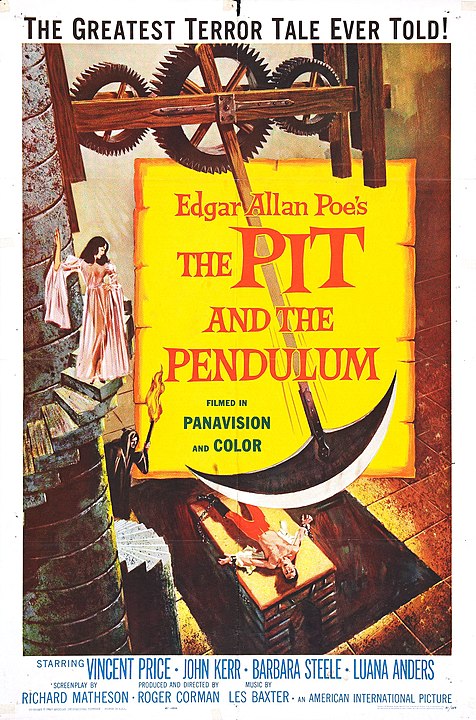
"Pit and the Pendulum," released in 1961, is another standout film in the cycle. Starring Vincent Price, it centers on themes of fear and torture within a dark, oppressive castle. The tale unfolds as Francis Barnard investigates his sister's mysterious death, revealing secrets of fear and vengeance.
Corman uses striking set designs and suspenseful pacing to enhance tension. Price's performance adds depth, making the air of dread more palpable. Though the film took liberties with Poe’s original story, it maintained key gothic elements that captivated audiences.
Premature Burial
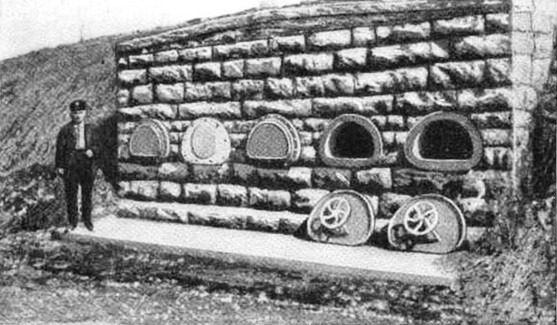
In 1962, "Premature Burial" was released, a tale of a man terrified of being buried alive. Unlike other Poe Cycle films, it does not feature Vincent Price. Instead, Ray Milland stars as Guy Carrell, who becomes obsessed with the fear of premature burial, building a specially designed tomb.
Corman masterfully crafts a tense atmosphere. The film explores themes of paranoia and obsession. The visual style and careful direction engage the audience, capturing Poe's eerie tone despite deviating from a strict adaptation.
Tales of Terror
"Tales of Terror," released in 1962, combines three short Poe stories into an anthology. Vincent Price stars in several roles, delivering varied performances from comedy to horror. The film features adaptations of "Morella," "The Black Cat," and "The Facts in the Case of M. Valdemar."
Corman balances humor and horror, particularly in "The Black Cat," which blends comedy with gothic themes. The anthology approach allows each story to explore different tones, making it a unique entry in the cycle.
The Raven
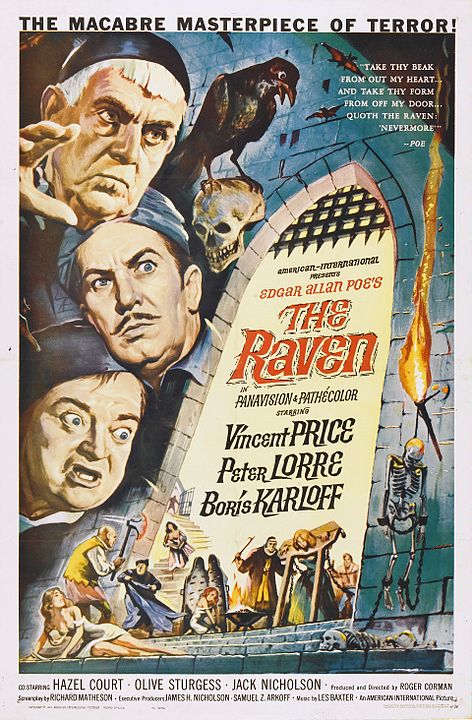
1963 brought "The Raven," a comedic twist in the Poe series. This film features Vincent Price, Boris Karloff, and Peter Lorre in a more humorous setting. Loosely inspired by Poe’s poem, it tells of rival magicians in a whimsical gothic tale.
The film combines elements of horror and humor with a magical duel. Corman’s playful direction and the cast’s engaging performances make it distinct from the other films. It showcases the versatility in adapting Poe's work for different film styles.
The Haunted Palace
Though titled after Poe’s poem, "The Haunted Palace" (1963) is primarily based on H.P. Lovecraft's "The Case of Charles Dexter Ward." Vincent Price stars as Charles Dexter Ward, who is entangled in dark ancestral secrets and supernatural occurrences.
The film blends Poe's horror atmosphere with Lovecraftian themes. Price’s dual role offers a compelling performance, capturing both terror and descent into madness. The fusion of authors is seamlessly integrated by Corman, highlighting gothic and supernatural themes throughout the story.
The Masque of the Red Death
"The Masque of the Red Death," released in 1964, stands out as one of the most visually striking films in the cycle. Vincent Price stars as Prince Prospero, a tyrant hosting a lavish, doomed masque in his castle as the Red Death ravages the outside world.
Corman uses rich color palettes and extravagant set designs, creating an almost surreal quality. The narrative explores themes of power, morality, and inevitable doom. It is celebrated for its aesthetic and thematic depth, marking a high point in the Poe adaptations.
The Tomb of Ligeia
In 1964, "The Tomb of Ligeia" concluded the Poe Cycle. Vincent Price returns to star in this story about a man haunted by the spirit of his dead wife. The story is set against atmospheric settings that underline themes of loss, memory, and supernatural influences.
Corman’s direction emphasizes mood and character introspection. Price delivers a nuanced performance, bringing the character’s psychological struggles to life. Incorporating poetic visual style, the film stays true to the gothic essence while exploring love and madness.
Key Contributors to the Poe Cycle's Success
Roger Corman's Poe Cycle was notable for its impressive collaboration with key figures in the film industry. This success was driven by the talent of actor Vincent Price, the creative scripts from writers like Richard Matheson, and Corman's distinctive directing style.
Collaboration with Vincent Price
Vincent Price played a vital role in the success of the Poe Cycle films. His dramatic acting brought the Gothic tales to life, making them both eerie and engaging. Price's performances in films such as House of Usher and The Masque of the Red Death became iconic, not only amplifying the films' success but also making Price a horror legend.
Price's versatility and ability to convey complex emotions in these films left a lasting impact. His chemistry with Corman and the crew set the stage for a series that became synonymous with his name. Price was more than just an actor; he was a defining element of the films.
Scriptwriting Contributions
The scripts for the Poe Cycle films were penned by talented writers such as Richard Matheson, Charles Beaumont, and Robert Towne. Matheson, in particular, adapted many Poe stories, capturing their dark tone effectively. He helped transform Poe's works into scripts that were both respectful to the original material and engaging for movie audiences.
The writers collaborated with Corman to create cohesive narratives that held the audience's attention. Their scripts laid the foundation for the atmospheric and suspenseful nature of the films. Their talent in weaving Poe's gothic themes ensured the movies were both chilling and entertaining.
Distinctive Corman Directing Style
Roger Corman's unique directing style was a cornerstone of the Poe Cycle's success. Known for working on tight budgets and schedules, Corman excelled at maximizing resources to achieve high-quality films. His ability to evoke gothic horror elements with limited means was exceptional.
Corman's skill in creating tension and atmosphere was showcased through his use of vivid colors and dramatic sets. By emphasizing mood and psychological horror over gore, he crafted films that were both thought-provoking and visually captivating. His influence as a director helped cement the Poe Cycle as a memorable series in the horror genre.
Stylistic and Thematic Elements
Roger Corman's Poe Cycle from 1960 to 1964 is renowned for incorporating Gothic horror, supernatural elements, and insightful commentary on human nature. The films creatively blend visual style with thematic depth. Each element contributes to a haunting cinematic experience that explores human fears and cultural anxieties through the lens of Edgar Allan Poe's stories.
Horror and Supernatural Themes
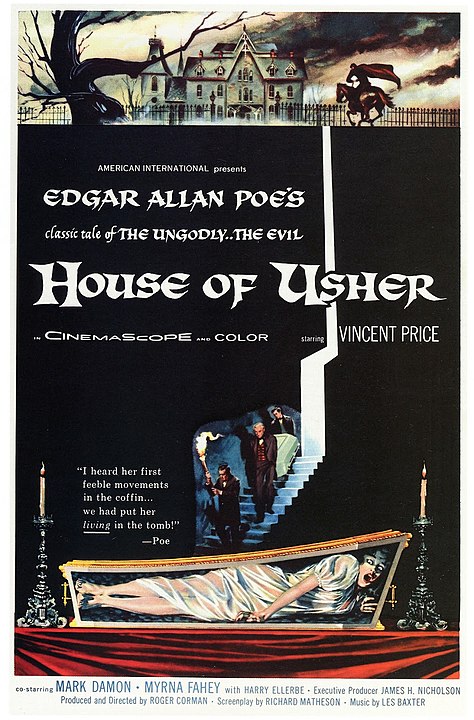
Corman's films are filled with eerie atmospheres and otherworldly occurrences, echoing Poe's fascination with the supernatural. Movies like House of Usher and The Masque of the Red Death use Gothic chills to evoke a sense of dread.
Corman expertly crafts a world where the lines between reality and the supernatural blur, making the viewer feel constantly on edge. The use of dim lighting, shadows, and unsettling landscapes deepens this effect, immersing audiences in an unsettling realm.
Psychological and Societal Commentary
This film series delves into human psychology, focusing on madness, guilt, and despair. Vincent Price, a frequent collaborator, often portrays characters who grapple with inner demons and moral decay, reflecting societal anxieties of the time.
The films are not just about external horror but explore the terror within. They comment on societal issues like class struggle and the fear of the unknown, using characters' psychological descents to mirror broader cultural themes. This depth adds a layer of intellectual engagement for audiences.
Recurring Motifs and Visual Style
Visually, Corman's Poe films are distinct. The use of bold colors, especially reds and blacks, creates a vivid nightmare landscape that matches the dark themes. Intricate set designs, with cobwebbed mansions and decaying castles, offer a tangible sense of decline and chaos.
Repeated motifs, like crumbling structures and haunting melodies, reinforce the feeling of inevitable decay. The careful balance of visual and auditory elements ensures the films remain engaging. This combination of aesthetics and theme highlights Corman's skill in bringing Poe's stories to life on screen.
Adaptation Process and Literary Fidelity
Roger Corman's Poe Cycle from 1960 to 1964 involved the adaptation of several Edgar Allan Poe stories into films.
These adaptations are known for their gothic horror style, capturing the eerie atmosphere of Poe's work.
Adaptations were creatively interpreted. Corman did not always stay completely true to Poe's texts. This "creative mistranslation" can be seen in The Masque of the Red Death (1964). He combined elements from different stories to enhance theatrical appeal.
Literary fidelity in Corman's adaptations varied. While some films, like The Fall of the House of Usher (1960), tried to remain faithful to the original tales, others took more liberties. These films were intended to evoke the spirit of Poe rather than deliver direct translations.
Critical analyses have highlighted how Corman balanced fidelity with innovation. His approach captured the essence of Poe while appealing to contemporary audiences. These films not only honored the classic literature but also displayed Corman's distinctive cinematic style.
Despite the narrative departures, Corman's adaptations kept the central themes of madness, death, and the supernatural, key components of Poe's work. This artistic blend allowed the films to serve as both homages to Edgar Allan Poe and as standalone artistic pieces.
Cultural Impact and Legacy
Roger Corman's Poe Cycle left a lasting mark on horror cinema. His adaptations of Edgar Allan Poe's works not only provided a fresh take on gothic horror but also influenced future filmmakers and played a key role in the development of independent genre cinema.
Influence on Future Genre Filmmakers
Roger Corman's work during the 1960s inspired a new generation of filmmakers. Directors like Francis Ford Coppola and Martin Scorsese admired Corman's ability to produce engaging films with limited resources. Corman's mentorship was instrumental in launching the careers of several actors and filmmakers, including Jack Nicholson and Joe Dante. By demonstrating how compelling stories could be told effectively on small budgets, Corman set a standard for creativity and efficiency.
Corman’s approach highlighted the potential of horror films to be both artistic and commercially successful. His knack for creating atmospheric settings and suspenseful narratives encouraged filmmakers like Jonathan Demme and James Cameron to explore and expand the genre. This influence ensured that Poe's gothic elements found new life in the hands of those who pushed the boundaries of horror storytelling.
Continued Relevance in Horror Film History
The Continued relevance of Corman's adaptations in horror film history is partly due to their unique visual style and atmospheric tension. These films captured Poe's eerie mood, making them classics that continue to be appreciated by both audiences and critics. Dick Miller's frequent appearances in Corman's films added a distinct charm that fans of the genre still celebrate.
The use of Gothic elements and innovative special effects set a precedent for horror films that followed. Roger Corman's adaptations encouraged a blend of literary richness with cinematic terror. This legacy ensures that the Poe Cycle remains a pivotal reference point for understanding the evolution of modern horror cinema and its ties to classic literature.
Contributions to Independent Genre Cinema
Roger Corman's Poe Cycle was significant in shaping the landscape of independent genre cinema. These films showcased how low-budget productions could achieve notable success. Corman worked outside the Hollywood system, proving that independent films could be viable and influential.
His work with American International Pictures paved the way for new opportunities in the film industry. The Poe Cycle’s commercial success demonstrated the potential profitability of genre films, inspiring filmmakers to pursue independent projects. By prioritizing artistic expression and experimentation, Corman contributed to a more diverse cinema landscape that welcomed innovation and unconventional storytelling.
Audience Reception and Critical Reception
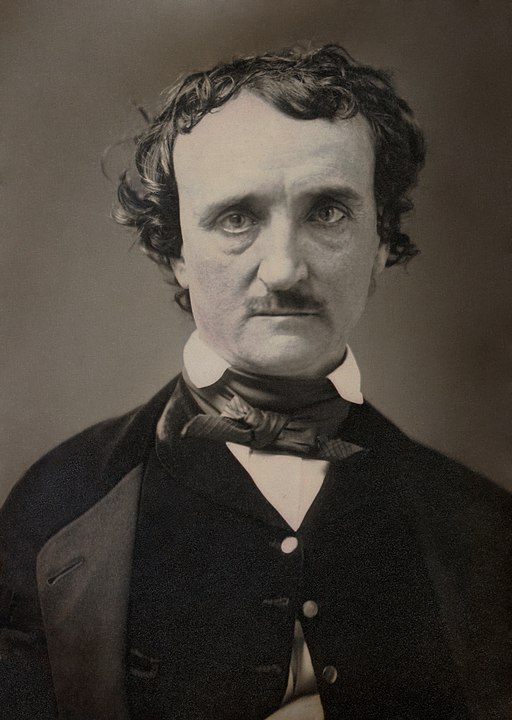
Roger Corman's Poe Cycle, a series of films based on Edgar Allan Poe's stories, received a range of reactions from audiences and critics when released from 1960 to 1964. Audiences were drawn to the films' eerie atmospheres, vivid sets, and standout performances by Vincent Price. The combination of horror and Gothic visuals provided an entertaining escape for viewers.
The films enjoyed commercial success, partly due to Poe's enduring popularity and Corman's skillful direction. This cycle stood out in the horror genre, attracting a dedicated fan base. Viewers appreciated the blend of suspense and creativity that marked these films as distinctive.
Critically, the Poe Cycle received praise for its innovative approach to horror filmmaking. Reviews frequently highlighted the atmospheric direction by Corman and the effective adaptation of Poe's tales. Critics noted the films' ability to balance dramatic tension with visual style, making them influential in the horror landscape.
Essays and analyses also explored the impact of these films on cinema. They discussed the way Corman interpreted Poe's works, bringing literary classics to the screen while maintaining their essence. The films are often analyzed for their contribution to Gothic horror, influencing later filmmakers in the genre.
Though initial critical reception varied, over time, the films gained recognition for their artistic achievements. They are now considered classics, noted for their atmospheric style and faithful homage to Edgar Allan Poe's literature.
Supplemental Material and Further Analysis
Roger Corman's Poe Cycle not only captivated audiences but also inspired detailed explorations in various forms like interviews, essays, and academic analyses. These resources create a deeper understanding of the gothic elements during this significant era of horror cinema. They also shed light on the film-making process from 1960 to 1964.
Interviews with Cast, Crew, and Experts
Interviews with those involved in the creation of the Poe films offer an intimate glimpse into the artistic vision and behind-the-scenes workings of this cycle. Roger Corman himself often provides insights into his directorial choices. Contributions from actors offer personal stories and reflections on portraying complex, emotional roles.
Experts like film historians and critics provide context and opinions on the impact of the Poe Cycle. Chris Alexander, a notable voice in horror journalism, adds depth in publications like Delirium Magazine and Fangoria. These conversations enrich the narrative behind the films and contribute significantly to their legendary status among horror and gothic film enthusiasts.
Essays on the Poe Cycle's Significance
Essays provide thoughtful analyses of the importance of Corman's Poe adaptations. They typically argue for the films' influence in shaping the gothic horror genre. Certain essays delve into the cultural impact of the films during the 1960s, exploring how they resonated with audiences' fears and fascinations.
Written by both contemporary critics and later scholars, these essays often appear in specialized horror and film publications. Through such literary reviews, the films are celebrated as masterpieces that continue to intrigue and inspire new generations of viewers and filmmakers alike, solidifying their status in cinema history.
Academic Dissections of Gothic Elements
The Poe Cycle's gothic elements are dissected in numerous academic studies. Researchers often focus on the visual style, atmospheric use of settings, and thematic elements like madness, death, and the supernatural. Such studies examine how these films pay homage to, and sometimes reinterpret, Edgar Allan Poe’s stories.
These academic works are typically published in journals dedicated to film studies and literature. By exploring symbolism, set designs, and narrative techniques, these studies bring scholarly attention to how Corman's adaptations remain faithful to Poe’s literary essence while also innovating within the film medium.
Beyond the Cycle: Corman's Later Career
Roger Corman, after his famed Poe Cycle, continued to make an indelible mark on the film industry. He founded New World Pictures in 1970. This company became one of the largest independent film distribution companies in the United States. It focused on distributing low-budget films and international pictures.
Corman was a pioneer in the direct-to-video market. He saw potential in this new avenue early on, allowing him to reach audiences bypassing traditional theater distribution. His foresight provided a way for many filmmakers to bring their work directly to fans.
The cable market was another domain Corman explored. As cable television expanded, he capitalized on this platform to showcase films, offering content that was both diverse and accessible. This approach cemented his reputation as an innovator in film distribution.
His influence extended to mentoring a new generation of filmmakers. Directors like James Cameron and Francis Ford Coppola worked with or learned from Corman, gaining valuable insights into the industry. Many of Corman's proteges went on to become highly successful in their own right.
Corman's adaptability and vision allowed him to remain relevant for decades. He skillfully navigated changing industry landscapes, showcasing his ability to evolve with the times. His later career highlights his commitment to the art of filmmaking while continuously pushing the boundaries of traditional film distribution methods.
Iconography and Memorabilia
Roger Corman's Poe Cycle films created a striking visual identity that has been celebrated through various collectibles and memorabilia.
Stills from the movies capture the Gothic atmosphere and vivid color schemes that characterize the adaptations, such as in "The Masque of the Red Death." These images have been used in promotional materials and collector's items, remaining popular among fans of classic horror cinema.
Film posters for Corman's adaptations often featured eerie and dramatic artwork. They highlighted the intense themes and emotions present in Edgar Allan Poe's stories. The posters became iconic representations of the films, with their distinctive style drawing attention from both horror enthusiasts and art collectors.
Collectors also prize movie props from the Poe Cycle. Items like costumes, set pieces, and other on-screen artifacts serve as tangible connections to the film's production. These props are sought after at auctions, adding an element of intrigue and history for fans and collectors alike.
Memorabilia from Corman's Poe films helps preserve and share the legacy of these Gothic horror classics. Enthusiasts continue to seek out these unique items, ensuring the films remain a part of popular culture and film history.
Exploration of Themes
Roger Corman's Edgar Allan Poe adaptations from 1960 to 1964 explore deep themes that give the films their haunting resonance. These themes include faith, sexuality, madness, and influences from other literary figures like H. P. Lovecraft.
Interpreting Faith and Sexuality
Corman's films often reflect the complex interplay between faith and sexuality. These themes are woven through storylines with religious imagery and forbidden desires. Characters often battle internal struggles, torn between moral belief and carnal instinct. This creates tension and depth as viewers witness how these conflicts drive choices and determine fates. Such themes underscore the Gothic atmosphere that makes these films memorable.
Depictions of Murder and Madness
Murder and madness are pervasive in Poe's work and Corman's interpretations. The films dive into the psyche of his characters, revealing the thin line between sanity and insanity. Characters frequently experience psychological turmoil, manifesting in grisly murders or tragic outcomes. This exploration of the mind's dark recesses serves as a chilling reminder of humanity's potential for violence—themes that remain central to the horror genre.
Gothic Vs. Cosmic Horror: Lovecraft's Influence
While rooted in Gothic horror, some aspects of Corman's films reflect H. P. Lovecraft's cosmic horror ideas. This influence is clear through existential dread and the insignificance of humanity in the universe. Corman blends these elements with typical Gothic themes, creating films that delve into both the supernatural and humanity's fear of the unknown. This fusion adds layers to his cinematic storytelling, making the viewer question both the seen and unseen horrors.
Conclusion
Roger Corman's Poe Cycle marked a significant period in American cinema, showcasing his ability to blend Gothic horror with innovative storytelling. These films, spanning 1960 to 1964, drew inspiration from Edgar Allan Poe's haunting tales and captivated audiences with their dark atmospheres.
During these years, eight films were produced, each carrying its own flair while maintaining Corman's unique vision. The collaboration with Vincent Price became a hallmark of these films, adding depth and charisma to the characters.
Though adaptations were often loose, they captured the essence of Poe's work. This creative freedom allowed Corman to experiment with visual and thematic elements that left a lasting impact on the horror genre. His work during this time is still celebrated for its artistry and influence.
The Poe Cycle not only solidified Corman's reputation as a master of Gothic horror but also helped shape modern horror cinema. It remains a touchstone for both fans and filmmakers interested in the rich intersection of literature and film.