Robert Duvall: From 'Lonesome Dove' to 'Open Range' – A Modern Western Icon
Robert Duvall transformed from playing mentally unstable characters in early TV Westerns to becoming a genre-defining icon. After a brief detour as Tom Hagen in "The Godfather," he embraced his most memorable Western roles. His insistence on playing Gus McCrae in "Lonesome Dove" marked a career turning point, while his portrayal of Boss Spearman in "Open Range" showcased his evolved frontier masculinity. His journey reveals how authenticity shaped an American legend.
Key Takeaways
- Duvall redefined the Western genre by embodying complex cowboys, evolving from unstable characters to nuanced heroes like Gus McCrae.
- His portrayal of Gus McCrae in "Lonesome Dove" marked a career pinnacle that elevated television Westerns to unprecedented artistic heights.
- Between "Lonesome Dove" and "Open Range," Duvall demonstrated remarkable range while maintaining authentic frontier characterizations.
- As Boss Spearman in "Open Range," Duvall crafted a different shade of Western hero—weathered, economical with words, yet morally formidable.
- Duvall's Western legacy bridges classical and contemporary eras, bringing psychological depth to a genre historically defined by archetypes.
Duvall's Early Western Roles: Establishing a Cowboy Persona
While many actors merely dabbled in Western films, Robert Duvall used the genre to craft a multifaceted cowboy persona that would define much of his career. You'll notice his early TV Western roles often cast him as mentally unstable characters, creating the foundation for his later iconic portrayals.
Duvall's Western credentials strengthened when he embodied Lucky Ned Pepper in "True Grit" and the drunken Adams in "Lawman." As evil Boss Frank Harlan in "Joe Kidd," he demonstrated his versatility, later reinforced through his complex interpretation of Jesse James. Though his role as Tom Hagen in "The Godfather" briefly pulled him from the saddle, Duvall eventually returned triumphantly as Captain Augustus "Gus" McCrae in "Lonesome Dove," where he portrayed old man Moses with a depth few Western actors have matched.
Like John Wayne's Rooster Cogburn in "True Grit," Duvall's performances consistently captured the moral complexity and rugged integrity that defined the greatest Western characters.
The Godfather Years: a Brief Detour From the Saddle
Though Robert Duvall had established himself as a compelling Western actor, his career took a pivotal turn when Francis Ford Coppola cast him as Tom Hagen in "The Godfather" (1972). As the adopted son and consigliere to Vito Corleone, Duvall delivered a nuanced performance that earned him an Academy Award nomination for Best Supporting Actor.
This temporary departure from Westerns opened new doors for Duvall, who leveraged his newfound prestige to secure roles in acclaimed crime dramas like "The Conversation" and "Network." His ability to shift seamlessly between portraying calculated mob lawyers and rugged cowboys demonstrated remarkable versatility.
The Godfather films ultimately strengthened Duvall's position in Hollywood, establishing him as one of the industry's most respected character actors before he returned to his Western roots. Duvall's portrayal of Tom Hagen benefited greatly from his scenes with Marlon Brando, whose revolutionary Method acting techniques brought unprecedented authenticity and emotional depth to their shared performances.
Becoming Gus McCrae: The Role That Defined a Legacy
Despite his considerable success in "The Godfather" franchise, Robert Duvall's true artistic destiny awaited him in the dust and grit of the American frontier. When he stepped into the boots of Texas Ranger Gus McCrae in the groundbreaking TV miniseries "Lonesome Dove," Duvall cemented his status as a Western genre icon.
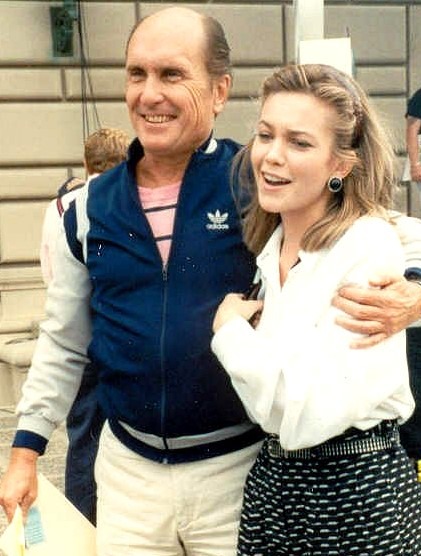
Originally offered the role of Call, Duvall instead embraced the charismatic McCrae, leading a perilous cattle drive from Texas to Montana Territory. Co-star Diane Lane praised his immersion into the character, which showcased his exceptional skills as a character actor.
This performance marked a turning point, establishing Duvall as a mainstay in long-format television and paving the way for future Western roles, including his reunion with Kevin Costner in "Open Range" (2003). Like Humphrey Bogart's film noir landscape contribution, Duvall's portrayal helped define and elevate an entire genre of American storytelling.
The Making of 'Lonesome Dove': Behind the Scenes With Duvall
How did Robert Duvall transform a television miniseries into a cultural phenomenon? It began with his insistence on playing Gus McCrae rather than Call, the role initially offered to him. This decisive choice proved pivotal for Lonesome Dove's success.
On set, Duvall's immersion in the character was remarkable, as co-star Diane Lane (who portrayed Lorena) frequently observed. His commitment to authenticity elevated what could have been just another Western into one of the finest performances in television history.
The miniseries format allowed Duvall's versatile talents to shine, giving him room to develop Gus's complex character fully. This project didn't just solidify his status as a beloved Western star—it expanded his legacy as an acclaimed actor across both film and television. Like John Wayne who spent years honing his skills in lesser-known productions before achieving stardom, Duvall's path to Western icon status was paved with dedicated character work.
Boss Spearman in 'Open Range': Crafting the Perfect Western Character
In 2003, two decades after his iconic portrayal of Gus McCrae, Robert Duvall returned to the Western landscape with another unforgettable character: Boss Spearman in "Open Range." Unlike the charismatic and verbose Gus, Boss represents a different shade of frontier masculinity—weathered, economical with words, yet equally commanding in presence.
Duvall's portrayal of the former Texas Ranger brings authenticity to this free-grazing cattle driver. His chemistry with Kevin Costner's troubled gunslinger Charley Waite creates a compelling mentor-protégé dynamic that drives the narrative. When confronting the corrupt Denton Baxter, Boss's unwavering sense of justice shines through. Duvall masterfully conveys both stoic determination and inner turmoil, making Boss's journey toward redemption a standout achievement in the Western genre.
Collaboration With Costner: a Meeting of Western Minds
The Duvall-Costner partnership represents a perfect union of Western storytelling sensibilities. When you consider their history, beginning with "Lonesome Dove" and culminating in "Open Range," you're witnessing a collaboration built on mutual respect for the Western genre.
Costner specifically sought Robert Duvall for the role of Boss Spearman, even giving him top billing in recognition of his gravitas. On the cattle ranch backdrop of "Open Range," their chemistry created the emotional core of the film, with Duvall's Boss and Costner's Charley Waite forming a relationship that critics widely praised.
Their shared appreciation for Western traditions allowed them to craft authentic characters that resonated with audiences. This pairing of two modern Western icons elevated "Open Range" beyond a standard genre piece, cementing both men's legacies in contemporary Western filmmaking.
Duvall's Acting Method: Bringing Authenticity to the Frontier
Robert Duvall's distinctive approach to character immersion forms the bedrock of his Western performances, transforming what could be standard frontier archetypes into lived experiences. Trained under Sanford Meisner, Duvall developed method acting techniques that allowed him to inhabit complex Western roles with remarkable authenticity.
When portraying Boss Spearman in "Open Range," Duvall's deep character exploration produced a nuanced, gruff-yet-tender cattleman that elevated the entire Western genre.
You'll notice how his Navy background and Annapolis education infuse authoritative credibility into frontier figures like Texas Ranger Gus McCrae in "Lonesome Dove."
Working with directors like Kevin Costner, who granted him creative freedom, Duvall fully embodied his characters' histories and motivations. His commitment to physicality and mannerisms brings unparalleled realism to each role, cementing his legacy as a Western icon.
The Evolution of Duvall's Western Characters Through the Decades
Throughout his illustrious career spanning six decades, Duvall's Western characters have undergone a remarkable transformation, evolving from typecasted bit parts to nuanced, career-defining roles.
You'll notice his journey began with the simple-minded Boo Radley, which paradoxically locked him into TV Western roles before his breakthrough as Lucky Ned Pepper in True Grit. By the early 1970s, Duvall showed impressive range portraying the alcoholic Adams in Lawman and the villainous Frank Harlan in Joe Kidd.
While The Godfather's Tom Hagen demonstrated his versatility beyond Westerns, it was his Oscar-winning performance as Gus McCrae in Lonesome Dove that truly defined his Western legacy. This portrayal of a weather-beaten Texas Ranger created a through-line to his later work as Boss Spearman in Open Range, completing his evolution from character actor to Western icon.
Duvall's Impact on Modern Western Filmmaking
Beyond reshaping the traditional cowboy archetype, Duvall's influence on modern Western filmmaking can't be overstated. His portrayal of Gus McCrae in "Lonesome Dove" revitalized the genre, proving Westerns could still captivate audiences with complex storytelling.
Duvall's Gus McCrae permanently altered Western cinema, infusing fresh vitality into a genre many had dismissed
Duvall's collaboration with Kevin Costner in "Open Range" demonstrates his continued relevance, with his Boss Spearman character showcasing both vulnerability and strength. His approach to Western roles has established new standards through:
- Unwavering commitment to authenticity
- Portrayal of morally complex characters
- Elevation of supporting roles to memorable status
- Bridging classic Western traditions with contemporary sensibilities
Even in recent projects like "The Pale Blue Eye," Duvall's dedication to the Western genre guarantees its continued evolution and relevance in modern cinema.
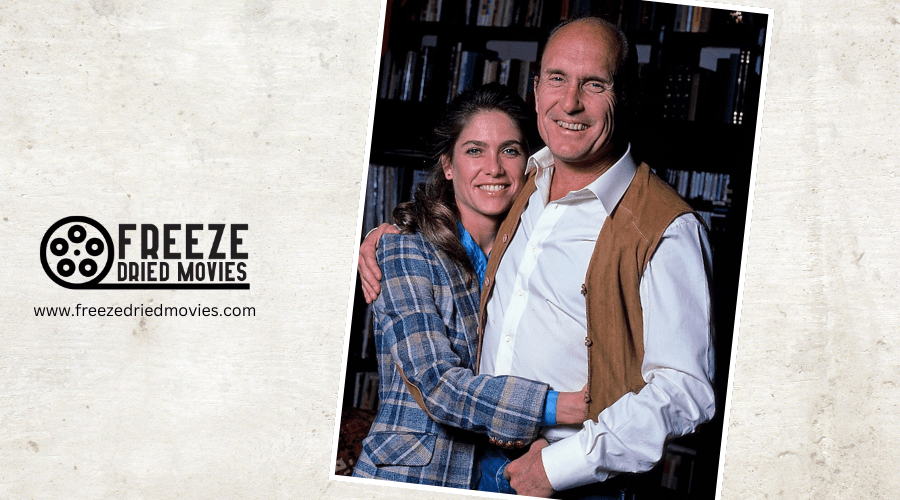
photo by Alan Light, Robert Duvall Diane Lane 1989, CC BY 2.0
Related posts