Psychoanalyzing Psycho: How Hitchcock Changed Horror Forever
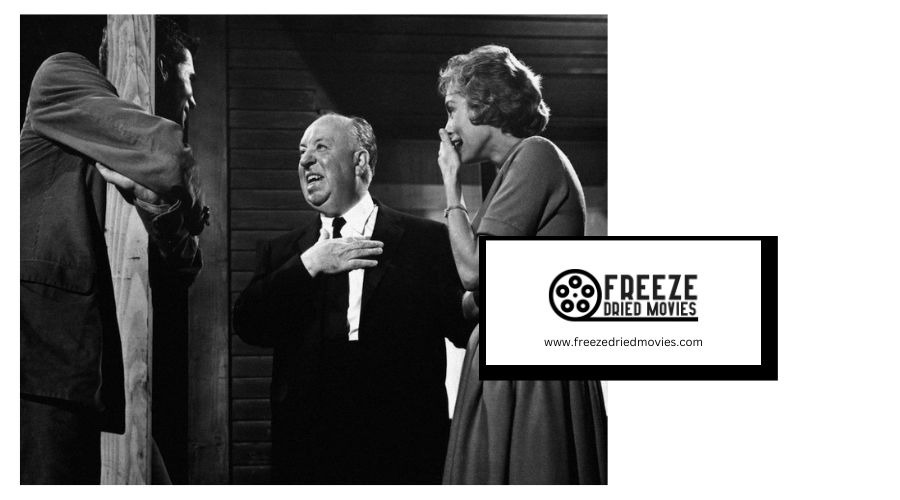
Before "Psycho," you'd find horror movies filled with supernatural monsters and gothic castles. Hitchcock changed everything in 1960 by making everyday human psychology the true source of terror. Through Norman Bates' disturbing character and the infamous shower scene, he revolutionized horror from fantasy to psychological reality. His pioneering film defied censorship codes and created a template for modern horror that proves human evil can be scarier than any monster. The deeper you investigate "Psycho's" impact, the darker its influence becomes.
The Golden Age: Horror Before Psycho's Revolution
While modern audiences might associate horror with psychological thrillers and slasher films, the genre's Golden Age portrayed a vastly different image. You'd find Universal's monster movies creating sympathetic creatures that resonated with society's outcasts, rather than purely terrorizing viewers. These films cleverly used science fiction elements to investigate forbidden themes of death and sexuality, despite the restrictive Hays Code.
When World War II erupted, horror's terrain shifted dramatically. The real-world horrors overshadowed fictional frights, pushing the genre toward science fiction alternatives like Creature From the Black Lagoon and Body Snatchers in the 1950s. Before true crime inspired films like Ed Gein's story, horror relied on supernatural elements and mad science to traverse taboo subjects while staying within censorship boundaries. The genre's evolution culminated in groundbreaking films that tapped into atomic age anxieties, with monsters serving as powerful metaphors for nuclear dangers.
Breaking the Mold: From Monsters to Human Evil
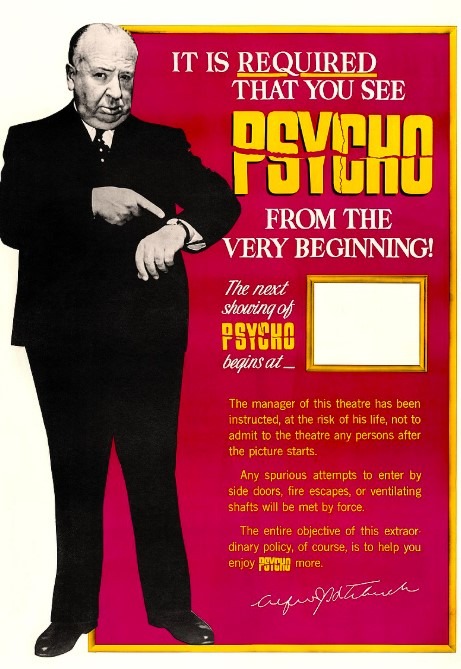
When Alfred Hitchcock released Psycho in 1960, he didn't just create a film - he fundamentally altered how we perceive horror. The Virtuoso of Suspense abandoned the supernatural creatures that had dominated horror movies, instead turning his lens toward the darkness within ordinary people.
Through Norman Bates (played by Anthony Perkins), Hitchcock and Psycho established three pioneering changes to the genre:
- Shifted the source of terror from fantastical monsters to psychological human evil
- Transformed everyday locations into spaces of dread, replacing gothic castles with mundane motels
- Challenged conservative standards by exploring taboo themes of violence, sexuality, and mental illness
This innovative approach laid the foundation for modern slasher films and psychological thrillers, proving that the most terrifying monsters aren't the ones lurking in shadows, but the ones hiding behind friendly smiles. His masterful use of suspense and editing throughout the film manipulated audience expectations, creating an unprecedented level of psychological tension that would influence generations of filmmakers.
The Shower Scene That Changed Everything
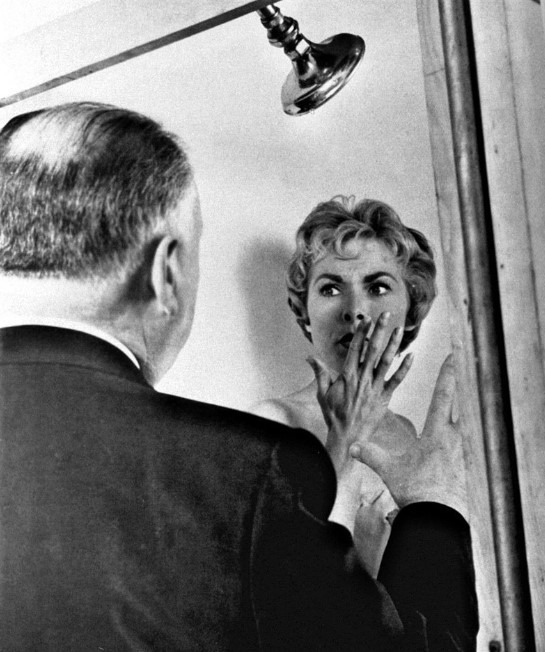
No single moment embodies Hitchcock's revolutionary approach more powerfully than Psycho's infamous shower scene. You're watching Janet Leigh's Marion Crane, the apparent protagonist, taking what seems like a routine shower when horror strikes.
In just three minutes, Hitchcock shatters every convention of 1960s cinema as Marion is brutally stabbed to death by what appears to be Norman Bates's mother. The scene's genius lies in what you don't actually see - the knife never visibly pierces flesh. Instead, you're assaulted by rapid cuts, piercing violins, and Marion's terrified screams.
This approach to horror through suggestion and implication evolved from the limitations of The Production Code, which forced filmmakers to be more subtle in their depiction of violence.
Norman Bates: Creating the Modern Movie Villain
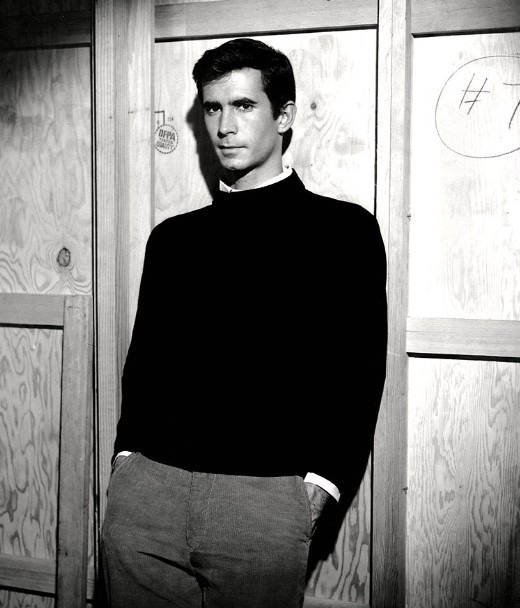
Perhaps the most revolutionary aspect of Psycho wasn't its shocking violence or innovative cinematography, but its trailblazing villain. Norman Bates (played by Anthony Perkins) redefined the horror genre by introducing a human killer who wasn't a supernatural monster, but a psychologically complex character hiding in plain sight.
What made Bates such a pioneering antagonist in horror films?
- His seemingly innocent demeanor masked a violent split personality
- His psychological intricacy stemmed from a disturbing mother fixation
- His surface charm made him more terrifying than traditional movie monsters
This new approach to serial killers in psychological thrillers changed audiences' expectations forever. Perkins' multifaceted performance created a template for future horror villains, combining sympathy and menace in ways that continue to influence the genre today.
Pushing Boundaries: Defying the Hays Code
Norman Bates' pioneering character would never have made such an impact without Hitchcock's bold defiance of Hollywood's restrictive Hays Code. For decades, this strict censorship had prevented movies from exploring darker themes, but Psycho changed everything.
You'll find Hitchcock's expert work broke new ground by tackling taboo subjects like sexuality, violence, and mental illness head-on.
The infamous shower scene, considered blasphemous at the time, proved that horror films could push creative boundaries while still captivating audiences. By focusing on psychological terror rather than supernatural monsters, Hitchcock's approach revolutionized the genre.
The movie's success opened floodgates for future filmmakers, inspiring a new wave of provocative horror films throughout the 1970s and beyond. You can trace modern horror's willingness to explore controversial themes directly back to Psycho's groundbreaking defiance.
Birth of the Slasher Genre
While horror films had long relied on supernatural monsters and otherworldly threats, Psycho birthed an entirely new subgenre by introducing the human killer as the source of terror. Norman Bates became the prototype for future slasher villains, proving that the most frightening monsters could be hiding in plain sight.
The film's revolutionary approach established three key elements that would define the slasher genre:
- The methodical stalking of vulnerable victims
- The shocking murder of a main character early in the story
- The emergence of the Final Girl trope
You'll find Psycho's DNA in every major horror movie franchise that followed. From Halloween's Michael Myers to Friday the 13th's Jason Voorhees, these films built upon Bates' foundation, cementing the slasher genre's place in cinema history.
The Psychology of Fear: Beyond Gore and Violence
Beyond its influence on the slasher genre, Psycho's skill lies in its manipulation of psychological terror rather than graphic violence. You'll notice how Hitchcock's magnum opus changed the way horror films approach fear by delving deep into the human psyche rather than relying on blood and gore.
When you watch Norman Bates (played by Anthony Perkins), you're not just seeing a killer - you're witnessing the complex psychology of a troubled mind. The relationship between Norman and his mother creates an unsettling atmosphere that preys on your own fears and insecurities. Instead of showing graphic murders, Hitchcock forces you to imagine the horror, making it far more terrifying than any visible violence could achieve. It's your mind that fills in the blanks, making the fear intensely personal and lasting.
Legacy in Modern Horror Filmmaking
The seismic impact of Psycho on modern horror filmmaking continues to ripple through the genre decades after its release. You'll find Norman Bates (played by Anthony Perkins) DNA in countless slasher movies, from Halloween to Scream, where troubled killers blur the line between victim and villain.
Today's horror movies draw from Psycho's revolutionary approach in three key ways:
- Psychological complexity over supernatural threats
- Technical skill in building tension through camera work and sound
- Subversion of audience expectations and moral ambiguity
When you watch modern horror films like Midsommar or The Silence of the Lambs, you're experiencing the genre through a lens that Hitchcock crafted. While the horror movie scene has evolved since the days of Psycho, its influence remains undeniable, forever changing how filmmakers approach the craft of fear.
From Hitchcock to Hollywood: Reshaping Cinema Forever
Three major innovations from Psycho altered Hollywood's approach to filmmaking forever. You'll notice its influence in the iconic shower scene, which revolutionized editing techniques through rapid cuts and created suspense without showing graphic violence. The Psycho still remains one of cinema's most analyzed sequences.
Norman Bates (played brilliantly by Anthony Perkins) established the template for complex psychological villains that you'll find in countless films today. As the horror movie that changed everything, Psycho's effect on the horror genre can't be overstated. It birthed the slasher genre and introduced the concept of killing off the main character midway through the story - a shocking twist you'll see referenced in movies often. These techniques remodeled audience expectations and redefined what was possible in mainstream cinema.