Marlon Brando: From Rebel to Hollywood Powerhouse
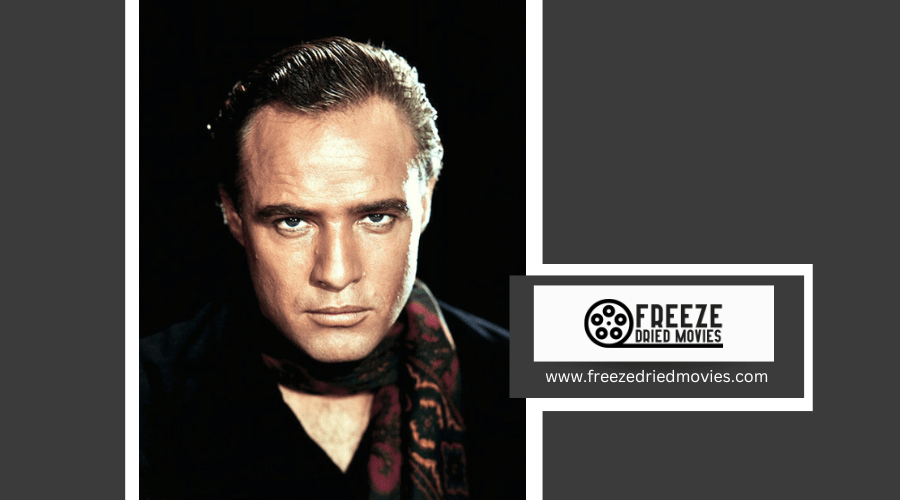
Marlon Brando's odyssey from Broadway rebel to Hollywood icon transformed entertainment forever. You'll recognize his revolutionary Method acting style in iconic roles like Stanley Kowalski and Johnny Strabler, where he redefined masculinity and youth rebellion. He boldly challenged societal norms through his unconventional lifestyle and dedication to social activism, while inspiring generations of actors like Jack Nicholson and Leonardo DiCaprio. His cultural impact runs deeper than most realize.
The Rise of a Revolutionary Actor
While many actors of his era adhered to traditional theatrical styles, Marlon Brando burst onto the scene with an electrifying approach that would forever change the sphere of acting. His groundbreaking performance in A Streetcar Named Desire demonstrated the raw power of method acting, catching Hollywood's attention and marking him as a transformative force in cinema.
Brando's impact extended far beyond his Oscar-nominated role in The Men. Through iconic performances in ¡Viva Zapata! and Julius Caesar, he redefined what it meant to inhabit a character. His portrayal in The Wild One didn't just investigate biker culture; it helped shape popular culture itself. As he evolved from stage to screen, Brando's revolutionary technique influenced countless actors who followed, cementing his status as more than just a star - he became an icon who modernized the craft itself.
His early training under Stella Adler's guidance at the Actors Studio laid the foundation for his distinctive approach to character development.
Breaking Broadway: A Streetcar Named Desire
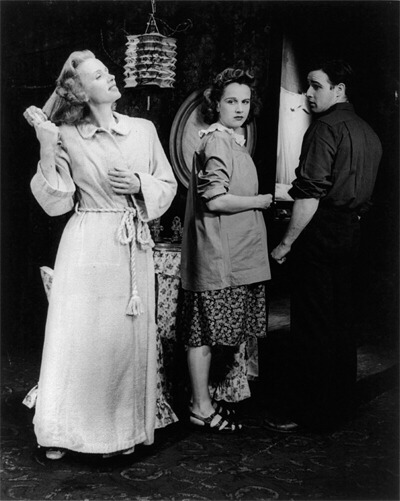
Before Marlon Brando became a Hollywood legend, his explosive performance as Stanley Kowalski in A Streetcar Named Desire revolutionized Broadway and shattered theatrical conventions.
You'll find that Brando's raw, naturalistic acting style stood in stark contrast to the polished, superficial performances of his era. His portrayal of Stanley Kowalski probed deep into themes of domestic violence, class conflict, and sexual desire, challenging societal norms and audience expectations.
The play's pioneering success led to the 1951 film adaptation, earning Brando an Academy Award nomination and cementing his status as a transformative force in entertainment. More importantly, his intense, method acting approach inspired countless performers to embrace authenticity in their craft.
Through A Streetcar Named Desire, Brando didn't just break Broadway records—he redefined the very essence of modern acting.
His dedication to Stella Adler's teachings helped him master the nuances of Method acting that would define his revolutionary performance style.
Method Acting and Cultural Impact
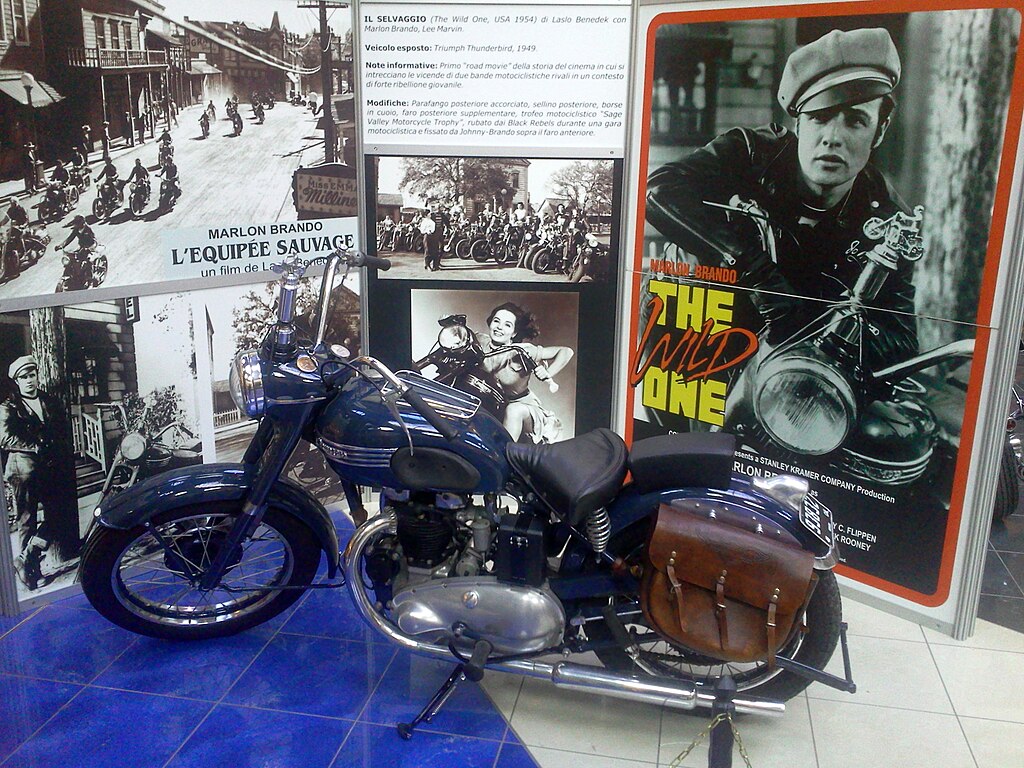
Image: Midnight bird, Triumph Thunderbird from the movie "The Wild One" (1953), CC BY-SA 3.0
As Brando commanded method acting throughout the 1950s, his revolutionary approach sent shockwaves through American culture that extended far beyond the theater. You'll find his raw, emotionally charged performances ignited a cultural revolution, particularly among young audiences seeking authenticity in their entertainment and lives.
Through his rebellious imagery in films like "The Wild One," Brando's charisma spawned countless subcultures, from leather-clad bikers to defiant rock musicians. His off-screen controversies only amplified his mystique, making him a symbol of resistance against societal norms.
Today, you'll still witness Brando's impactful influence in acting schools worldwide, where aspiring performers study his method acting techniques to achieve the same level of emotional truth that made him legendary. His influence on popular culture continues to echo through fashion, music, and political activism. Like his contemporary James Dean's method mastery, his commitment to emotional authenticity revolutionized Hollywood's approach to complex character portrayal.
Beyond the Silver Screen: Social Activism
Beyond his pioneering performances, Marlon Brando employed his Hollywood stardom to become a powerful voice for social change. You'll find his activism deeply rooted in America's most pressing issues of the time, from supporting the civil rights movement to joining forces with the American Indian Movement and Black Panther Party.
Brando's commitment went far beyond mere statements. He actively fought against the Vietnam War and challenged Hollywood's stereotypical portrayals of Native Americans and minority groups in films. You can trace his influence in pushing for more authentic representations in cinema, while his dedication to environmental issues showed how he understood the broader scope of social responsibility. Brando's willingness to risk his acting career for social and political causes proved that his activism wasn't just for show - it was a genuine calling.
The Wild One's Legacy on Youth Culture
The impact of Marlon Brando's rebellious plunge in The Wild One altered American youth culture forever. As Johnny, the leather-clad biker gang leader, he embodied the raw essence of youth rebellion that would shape generations to come. You'll see his influence in everything from fashion to music, as his portrayal sparked a counterculture movement that refused to conform.
Despite the Production Code's attempts to soften the film's edge, Brando's authentic performance—enriched by his interactions with real biker gangs—struck a chord with young audiences seeking to express their alienation and defiance. His character became the blueprint for rebellion, inspiring diverse subcultures from rockers to punks. The Wild One didn't just entertain; it validated the restless spirit of youth and their desire to challenge societal expectations.
Redefining Masculinity in Hollywood
Marlon Brando's raw intensity shattered Hollywood's one-dimensional portrayal of masculinity in the 1950s. His revolutionary approach to acting introduced audiences to male characters who weren't afraid to show vulnerability, challenging the macho stereotypes that dominated pop culture at the time.
You'll see Brando's lasting legacy in:
- His pioneering performances in films like "A Streetcar Named Desire," where he portrayed complex emotional depth rarely seen in male roles
- The iconic leather-clad rebellion he embodied in "The Wild One," which transformed youth culture's perception of masculine identity
- His candid openness about sexuality and willingness to push gender boundaries, which paved the way for more intricate conversations about masculinity in Hollywood
His influence continues to shape modern interpretations of male characters, proving that strength can coexist with sensitivity.
Brando's Influence on Modern Entertainment
Looking beyond his pioneering performances, Brando's influence permeates nearly every aspect of modern entertainment. You'll find his method acting techniques in today's most acclaimed performances, where actors fully immerse themselves in their roles, just as Marlon Brando did decades ago. His challenge to traditional masculinity and sexuality in Hollywood opened doors for more complex character portrayals, while his rebellious image helped shape youth culture for generations to come.
You can't overlook how Brando altered the role of celebrities in society. By using his platform to advocate for civil rights and Native American rights, he created a blueprint for today's socially conscious stars. His willingness to defy social norms and speak out against injustice showed Hollywood that popular culture could be a powerful vehicle for social change.
Personal Life and Public Persona
Despite his larger-than-life screen presence, Brando's personal life proved equally riveting and controversial. His restless personal life and candid approach to sexuality shattered the era's rigid social norms.
You'll find Marlon Brando's unconventional persona reflected in three key aspects:
- His openness about relationships with both men and women, challenging sexual stereotypes and traditional views of masculinity
- His reputation as a cultural rebel who reconfigured popular culture through both his artistic choices and personal authenticity
- His dedication to activism, which he prioritized over his acting career, focusing on civil rights and environmental causes
His impact extended far beyond the silver screen, as he redefined what it meant to be a public figure in Hollywood, making headlines not just for his performances but for his bold lifestyle choices and social advocacy.
A Century of Cultural Transformation
A cultural earthquake rippled through the 20th century with Brando at its epicenter. Marlon Brando's revolutionary acting technique redefined performance art, inspiring generations of actors who'd follow in his footsteps. You'll find his influence everywhere, from Jack Nicholson's rebellious energy to Leonardo DiCaprio's method intensity.
Beyond acting, Brando's magnetic persona sparked countercultural movements that shaped society. His roles as Stanley Kowalski and Johnny Strabler became blueprints for youth rebellion, while his celebrity activism paved the way for today's socially conscious stars. By openly discussing his sexuality and unconventional lifestyle, he challenged societal norms decades before it became acceptable.
As we mark his centennial, Brando's legacy in pop culture remains undiminished. You're still witnessing his impact in contemporary entertainment, social movements, and cultural attitudes.