Laughter in the Swinging Sixties: The Evolution of Comedy in Film
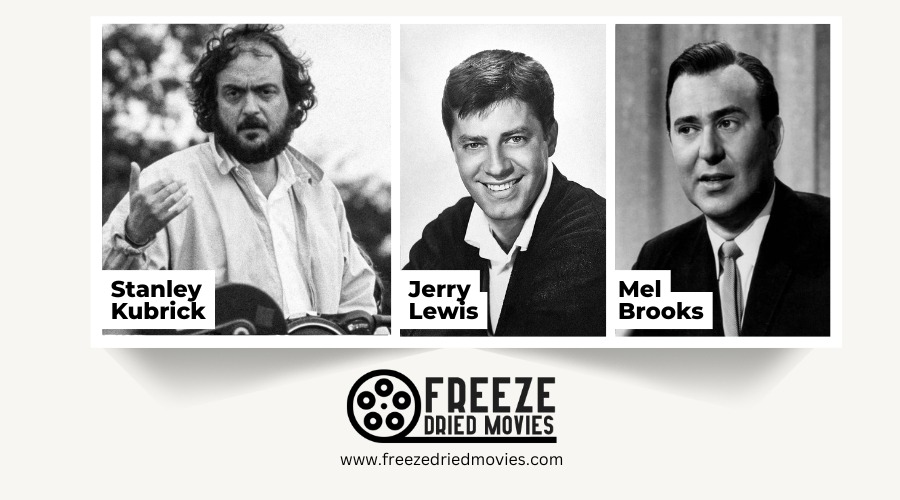
The 1960s revolutionized comedy films through bold social commentary and innovative techniques. Directors like Jerry Lewis, Stanley Kubrick, and Mel Brooks pushed creative boundaries while tackling controversial topics like Cold War fears, sexual attitudes, and racial issues. British stars like Peter Sellers brought their sharp wit across the Atlantic, while TV comedians made challenging leaps to the silver screen. The era's pioneering approach to humor continues to shape entertainment's evolution today.
The Rise of Comedic Auteurs
While the 1960s marked significant cultural changes across society, the decade's comedy scene underwent its own revolution through the emergence of innovative filmmakers. You'll find that directors like Jerry Lewis, Tony Richardson, and Stanley Kubrick altered the comedy genre by experimenting with new techniques and paying tribute to silent film traditions.
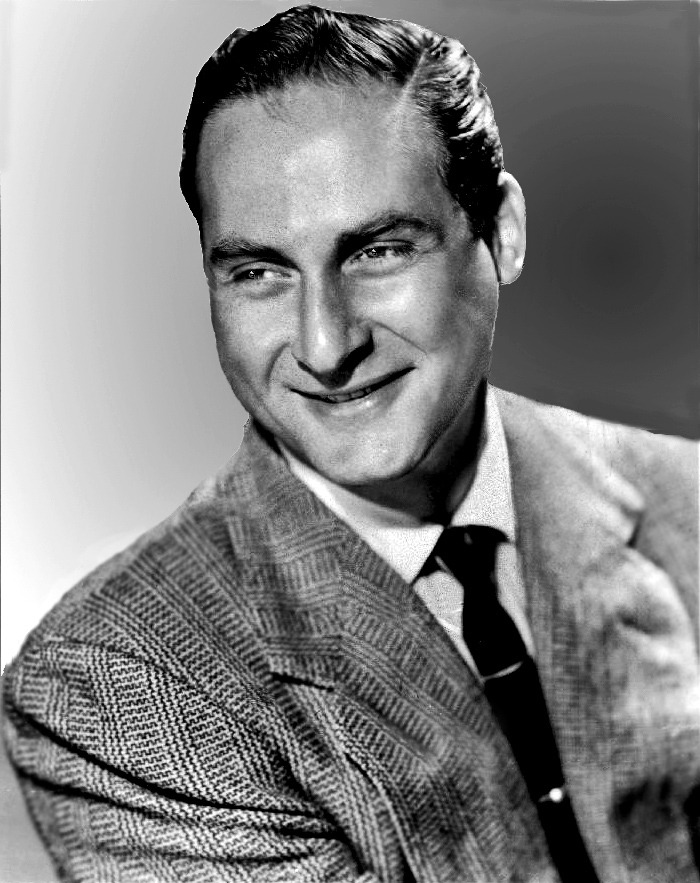
Many comedy stars from television's golden age struggled to adapt to the big screen, but a new wave of creative forces emerged. Former Sid Caesar writers, including Mel Brooks and Woody Allen, stepped into directing roles, bringing fresh outlooks to film comedy. This period also saw distinctive market segments develop, from sophisticated sex farces to family-friendly entertainment.
The influence of British humor, exemplified by talents like Peter Sellers and John Cleese, would later shape American comedy's direction in the following decade. Following the transition from vaudeville ensemble acts, comedians began focusing more on personal narratives and social commentary in their performances.
Social Commentary Through Laughter
A provocative laugh could challenge societal norms more effectively than a protest sign in the 1960s. You'll find this era marked a turning point where comedy became a powerful vessel for social and political commentary.
Films like Dr. Strangelove tackled the Cold War anxieties head-on, while The Graduate confronted changing sexual attitudes that defined the decade.
This metamorphosis didn't stop there. As you watch comedy's evolution through the '70s and '80s, you'll notice how platforms like Saturday Night Live revolutionized satirical commentary.
Much like how romantic comedies thrived during the Great Depression by providing much-needed escapism, the 1960s used humor to cope with social upheaval.
Comedians like Richard Pryor fearlessly addressed race issues, while others targeted societal hypocrisy. The impact of this shift continues to influence modern comedy, though you'll see it's taken new forms.
Even today's character-driven comedies owe their DNA to those boundary-pushing years when laughter became a tool for change.
From Television Stars to Silver Screen Icons
The migration from television to film proved challenging for many beloved TV comedians of the 1950s and early '60s. While stars like Red Skelton, Don Knotts, and Dick Van Dyke successfully made the leap, others struggled to translate their small-screen charm to cinema. You'd find household names like Milton Berle, Lucille Ball, and Sid Caesar falling short of their television success in comedy films.
British comedians, however, found a unique path forward. Peter Cook and Dudley Moore's work on Not Only But Also gained them a cult following that transcended borders. They weren't alone - performers like John Cleese and Benny Hill enthralled American audiences. Even when thick accents limited some British shows' appeal, their influence remained extensive, with programs like Steptoe and Son inspiring successful American adaptations.
This trend of genre-blending continued into the 1980s, with shows like comedy and drama pioneer Moonlighting paving the way for future television formats.
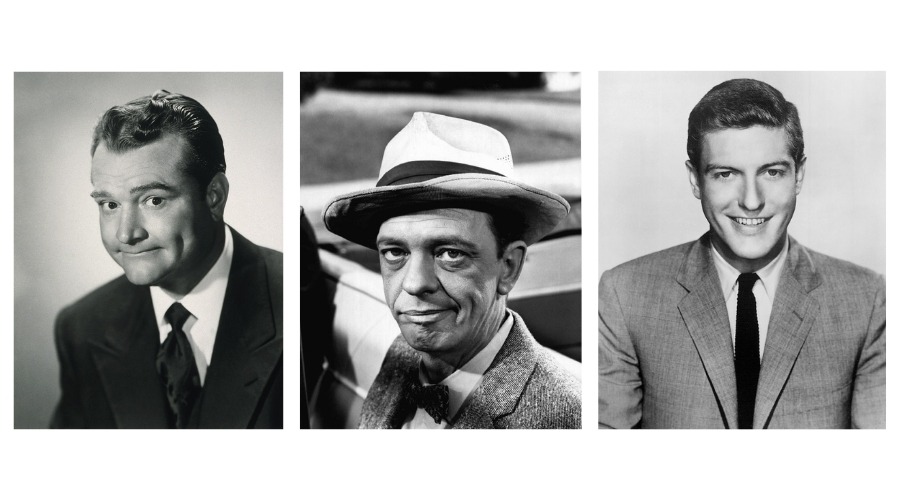
Photo of Don Knotts as Barney Fife from The Andy Griffith Show.
Van Dyke in a 1959 publicity photo
The British Comedy Invasion
British comedy's march across the Atlantic gained unstoppable momentum throughout the 1960s, forever reshaping global entertainment. You'll find the fingerprints of comedic giants like Peter Sellers and Dudley Moore across both television and film, as they expertly bridged the gap between British TV comedy and international stardom.
Shows like "That Was the Week That Was" and "Frost Over England" introduced audiences to a sharper, more politically charged brand of humor. Even when American viewers struggled with thick accents or missed cultural references, the wit and innovation shone through.
The era's impact became crystal clear when British sitcoms inspired American adaptations, with "Steptoe and Son" changing into "Sanford and Son." From Monty Python's surreal sketches to Benny Hill's physical comedy, these pioneers crafted a golden age of humor that still influences comedy today.
Breaking Boundaries With Bold Satire
Pioneering satire redefined comedy in the 1960s as filmmakers dared to challenge social norms and political establishments. You'll find this boldness perfectly captured in Stanley Kubrick's "Dr. Strangelove or: How I Learned to Stop Worrying and Love the Bomb," which fearlessly tackled Cold War paranoia through dark humor.
Similarly, Mel Brooks pushed boundaries with "The Producers," turning Nazi mockery into controversial comedy gold.
The era's satirical edge wasn't limited to political commentary. "The Graduate" used subtle wit to examine generational gaps and sexual taboos, while "Bedazzled" cleverly reimagined Faustian bargains for modern audiences.
Even seemingly straightforward comedies like "The Party" and "The Odd Couple" wove social commentary into their humor, proving that you could entertain audiences while making them think about deeper issues.
Cultural Shifts and Comedy's Response
Dramatic social upheaval in 1960s America sparked a fundamental shift in comedic storytelling, as filmmakers and performers stepped away from traditional slapstick toward more culturally aware humor. You'll notice how comedians like Jerry Lewis began addressing social issues through their work, reflecting the era's changing values and attitudes.
This transformation didn't happen in isolation. The rise of TV comedy, particularly with shows like Saturday Night Live in 1975, created new opportunities for fresh comedic voices. You can trace how stand-up comedy evolved as performers like Richard Pryor brought their unique viewpoints to both stage and screen.
The comedy domain continued to evolve through the decades, with romantic comedies of the 1990s proving that humor could be both meaningful and entertaining, moving beyond simple joke-telling to investigate deeper human connections.
Experimental Techniques in Comedy Filmmaking
The 1960s marked a bold departure from conventional filmmaking as directors adopted experimental techniques to redefine comedy. You'll find pioneering films like Dr. Strangelove seamlessly blending slapstick with biting social commentary, while The Graduate's subtle satire challenged traditional storytelling methods to investigate shifting attitudes about relationships.
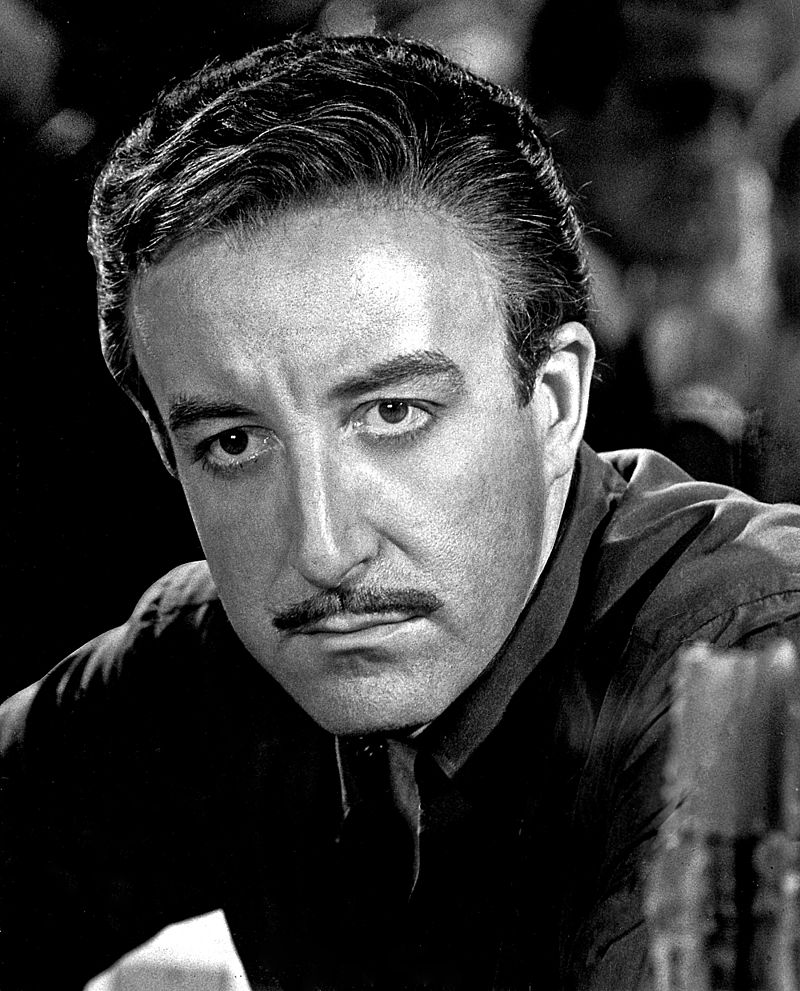
Directors weren't afraid to push boundaries. In Bedazzled, you'll witness surreal "what-if" scenarios that dig deep into human nature, while The Nutty Professor showcases the innovative use of makeup and physical performance to create distinct characters. The Party demonstrates how placing a talented improviser like Peter Sellers in an uncomfortable social setting can generate authentic, unexpected laughs. These experimental approaches reshaped comedy from simple entertainment into a powerful vehicle for artistic expression and cultural critique.
Genre-Blending and New Comic Forms
While conventional comedy films had previously stuck to familiar formulas, filmmakers in the 1960s boldly merged different genres to create entirely new forms of humor. This new wave of genre-blending brought together elements of satire, drama, and social commentary, altering how you'd experience comedy on screen.
Directors like Stanley Kubrick challenged your expectations by weaving dark humor into serious narratives, while ensemble comedies like "It's a Mad, Mad, Mad, Mad World" redefined the role of the supporting actor through collaborative performances. You'll notice how these innovative approaches moved beyond simple gags, tackling complex themes and character development.
The creative experimentation of the decade didn't just entertain - it revolutionized comedy filmmaking, setting the stage for future subgenres like romantic comedies and mockumentaries that you still enjoy today.
The Legacy of 1960s Comedy Pioneers
Looking back at the pioneering era of 1960s comedy, you'll find pioneers who shaped modern entertainment through their willingness to push boundaries and challenge social norms. Following in the footsteps of early legends like Bob Hope and Jerry Lewis, a new generation of comedians emerged with bold political and social commentary.
Films like Dr. Strangelove dared to tackle serious subjects with biting wit, clearing the path for future comedic voices.
You can trace this influential spirit through the decades, from Eddie Murphy's explosive rise in the 1980s to the evolution of romantic comedies celebrating love in fresh ways. The ripple effects of 1960s innovation continued through SNL's premiere in 1975, which launched countless careers and redefined television comedy.
Today's humor still draws from these trailblazers who proved comedy could be both entertaining and meaningful.
Related posts