How Spaghetti Western Cinematography Influenced Modern Filmmaking
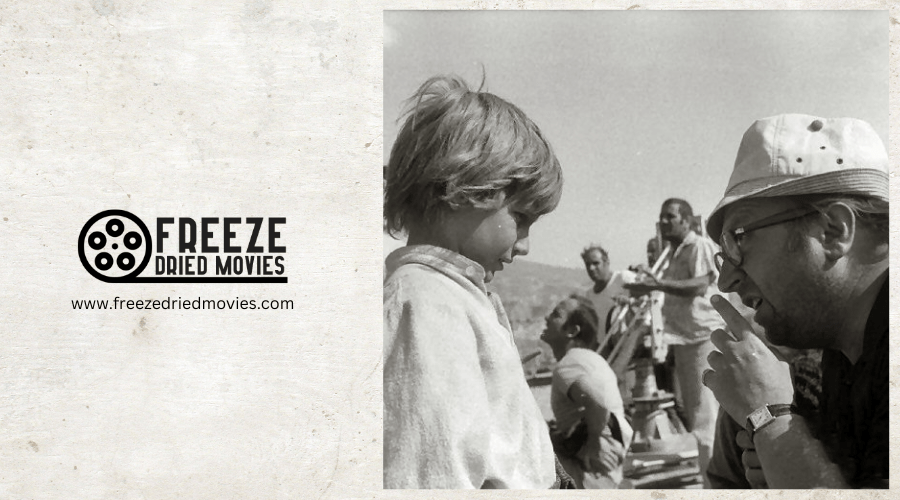
When you watch a modern action sequence with its rhythmic tension, extreme facial close-ups, and sweeping landscapes, you're witnessing Sergio Leone's enduring influence. The Italian director's "Spaghetti Westerns" didn't just challenge Hollywood conventions—they rewrote visual storytelling rules entirely. From Tarantino's patient standoffs to the gritty authenticity in today's blockbusters, Leone's fingerprints remain unmistakable. His revolutionary techniques transformed what was possible on screen, and the full impact of his vision continues to unfold across today's cinema.
How Spaghetti Western Cinematography Influenced Modern Filmmaking
While often overlooked in discussions of cinematic innovation, Spaghetti Westerns revolutionized filmmaking through their distinctive visual language. Sergio Leone's pioneering camerawork—featuring extreme close-ups, slow-motion sequences, and widescreen framing—has become fundamental to modern cinema's visual vocabulary.
You'll notice these films' gritty, desaturated visual aesthetic in countless contemporary action movies. Shot on 35mm with spherical lenses, this distinctive look challenged Hollywood's polished appearance. Equally revolutionary was their approach to sound design, with Ennio Morricone's scores elevating audio as a storytelling element.
The genre's morally ambiguous anti-heroes and graphic violence broke conventional boundaries, inspiring filmmakers to explore darker themes. Directors like Quentin Tarantino and Robert Rodriguez continue to pay homage through their use of contemplative shots and minimalist dialogue—techniques first perfected in these influential westerns. Much like the transition to sound films in the late 1920s, these westerns demonstrated how technological advancements could fundamentally transform narrative storytelling in cinema.

The Defining Visual Elements of Spaghetti Westerns
Unlike their American counterparts, Spaghetti Westerns developed a revolutionary visual language that's instantly recognizable to film enthusiasts. You'll notice their distinctive cinematography employs extreme close-ups and wide-angle lenses that create suspense while highlighting the rugged landscapes.
The shallow depth of field draws your attention to characters' expressions, intensifying emotional impact. Cinematographers like Tonino Delli Colli embraced unusual camera angles and off-center compositions, subverting traditional Western visual style through avant-garde techniques.
The genre's identity is further defined by its bleached, desaturated color palette and dusty production design, achieved through specific film stock and lighting choices. Beyond visuals, these films pioneered the integration of music into the cinematic experience, with Ennio Morricone's iconic scores enhancing the emotional resonance—a technique that continues to influence modern filmmaking today. This approach draws from the evolution of chiaroscuro lighting techniques developed in the 1930s that were crucial for establishing mood and character dynamics.
Sergio Leone's Revolutionary Camera Techniques
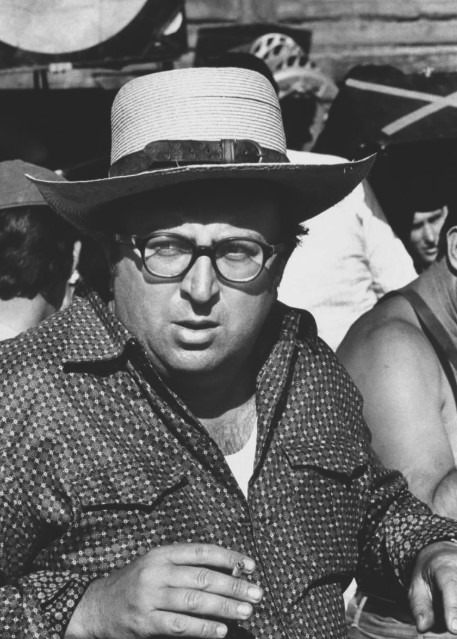
When you study Sergio Leone's directorial style, you'll find a filmmaker who fundamentally reshaped cinematic language through his audacious camera techniques. His spaghetti westerns introduced a revolutionary visual approach that modern directors still emulate today.
Leone's mastery of extreme close-ups juxtaposed with sweeping wide shots created a distinctive rhythm, while his telephoto lens work flattened space to produce a dreamlike, stylized aesthetic. You'll notice how his camera frequently adopts unconventional positions—behind characters or at extreme low angles—challenging traditional Western cinematography.
What's most influential is Leone's approach to action sequences. His gunfights unfold as operatic visual symphonies with meticulous camera choreography and editing. This balletic quality to his visual language permanently transformed how filmmakers approach tension and pacing in action cinema. These innovative techniques perfectly complemented Clint Eastwood's portrayal of the Man With No Name, whose calculated silence and commanding presence redefined the Western genre.

The Morricone Effect: Music as a Visual Component
Leone's revolutionary camera techniques achieved their full power when paired with the transformative musical genius of Ennio Morricone. In Spaghetti Westerns, Morricone's distinctive scores transcended background accompaniment to become essential visual elements themselves. His unconventional instrumentation—whistling, bells, and unusual sounds—established the genre's unique aesthetics while conveying character and mood with remarkable precision.
What's revolutionary is how filmmakers constructed scenes around Morricone's music rather than the reverse. This integration of music with editing and camerawork created a narrative language where sound and visuals became inseparable. Morricone and Leone's collaborations often subverted expectations, introducing dissonance between what you see and hear. This approach has influenced countless modern directors who now treat music as a critical visual component that shapes storytelling, from tense action sequences to intimate character moments.
From Dirt and Grit to Cinematic Beauty: Art Direction Innovation
Behind every iconic Spaghetti Western image lies a revolutionary approach to art direction that transformed cinematic aesthetics forever. When you look at Carlo Simi's distinctive production design, you're witnessing the comic-book panache that distinguished these films from Hollywood's polished Westerns.
The visual storytelling combined gritty realism with stylized elements, captured through spherical lenses on 35mm film. Sergio Leone's partnership with Ennio Morricone elevated this aesthetic further by pioneering scene cutting directly to music—an innovation now standard in modern filmmaking.
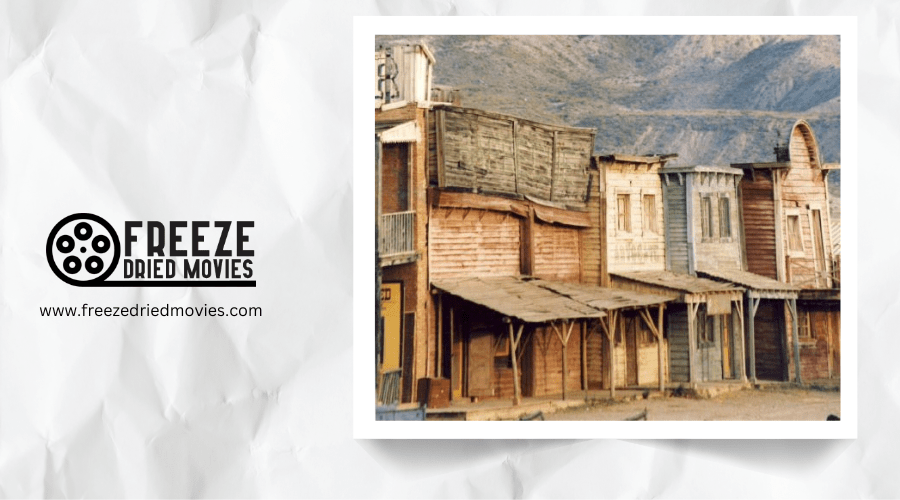
In stark contrast to romanticized American West portrayals, Spaghetti Westerns presented striking desert vistas and ramshackle towns as their canvas. This bold cinematography approach, from dusty landscapes to graphic costume designs, introduced a revolutionary visual language that continues to influence filmmakers across genres today.
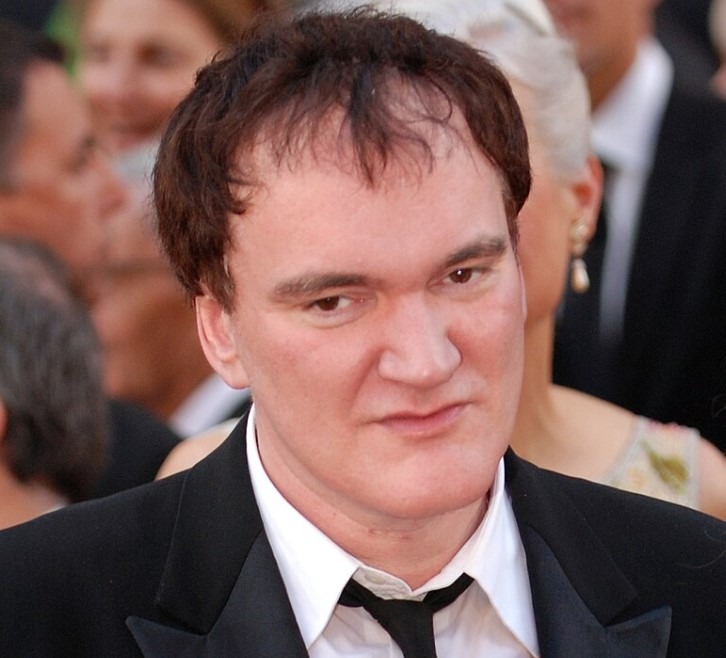
Tarantino's Adoption of Spaghetti Western Visual Language
Quentin Tarantino stands as perhaps the most prominent modern disciple of Spaghetti Western aesthetics, transforming what began as a revolutionary visual language into his own cinematic signature. You'll see Sergio Leone's influence throughout Tarantino's filmography—from the sweeping, wide-angle compositions in Django Unchained to the operatic slow-motion sequences in Kill Bill.
His adoption extends beyond visual style to the genre's core elements: gritty violence, moral ambiguity, and complex antihero characters.
When you watch The Hateful Eight, you're experiencing his reverence for Ennio Morricone's iconic scores, which Tarantino deliberately incorporates to evoke the genre's distinctive atmosphere.
Even Tarantino's trademark nonlinear narrative structures echo the storytelling innovations of Spaghetti Westerns, demonstrating how thoroughly he's internalized their cinematography principles while reimagining them for contemporary audiences.
Extreme Close-Ups and Wide Landscapes: The Dual Visual Identity
Spaghetti Westerns introduced a revolutionary visual dichotomy that would fundamentally transform cinematic language. You'll notice how directors like Sergio Leone masterfully juxtaposed extreme close-ups of weathered faces against expansive, desolate landscapes, creating unprecedented visual dynamism.
This dual approach wasn't merely stylistic—it served as sophisticated visual storytelling. When you're drawn into a character's squinting eyes or sweaty brow, then suddenly thrust into the vastness of the frontier, you experience both intimacy and isolation simultaneously. The careful composition and deliberate framing controlled your emotional response as a viewer.
Unlike traditional American Westerns, Spaghetti Westerns used this stark contrast in camera work to heighten tension and emphasize the harsh realities of the frontier world. This innovative visual language continues to influence filmmakers who recognize the power of this distinctive framing technique.
Color Palette and Lighting Techniques That Transformed Action Cinema
The visual innovation of Spaghetti Westerns extended well beyond framing choices into revolutionary color and lighting approaches that would permanently alter action cinema's visual vocabulary.
You'll notice these films abandoned Hollywood's saturated technicolor for a bleached-out, sepia-toned palette that created a gritty, sun-baked aesthetic. This desaturated look emphasized the harsh realities of the frontier world.
Cinematographers employed harsh, high-contrast lighting to cast dramatic shadows across characters' faces, visually reinforcing their moral ambiguity and isolation. These techniques, combined with unconventional angles and dynamic camerawork, established a distinct visual language that continues to influence filmmakers today.
When you watch modern action films with stark lighting contrasts and desaturated color schemes, you're witnessing the enduring legacy of Spaghetti Western cinematography.
Related posts